Not long ago, your cat could land on the windowsill in a single leap. Now it first jumps onto a chair and then makes its way up from there. Otherwise, everything is as usual. It eats, greets you at the door, and curls up to sleep on its favorite blanket. It’s easy to miss this change, especially if it happened gradually. But it might prompt the vet to take a closer look at your cat’s joints.
That’s the whole point of a routine checkup. While your cat is going about its usual routine, the vet can check its weight, teeth, and overall condition—and run tests if needed. The results of this exam will serve as a baseline. During the next visit, the veterinarian will be able to compare the results and notice changes that aren’t yet apparent at home.
How often should you take your cat for a checkup, and what does the veterinarian check?
A healthy adult cat should be seen by a veterinarian at least once a year. For cats over 10 years old, the guideline is at least once every six months. For kittens and animals with chronic conditions, the veterinarian will tailor the schedule individually. An indoor cat that doesn’t go outside also needs regular checkups. It’s important to monitor the condition of its teeth, weight, and mobility regardless of where it lives.
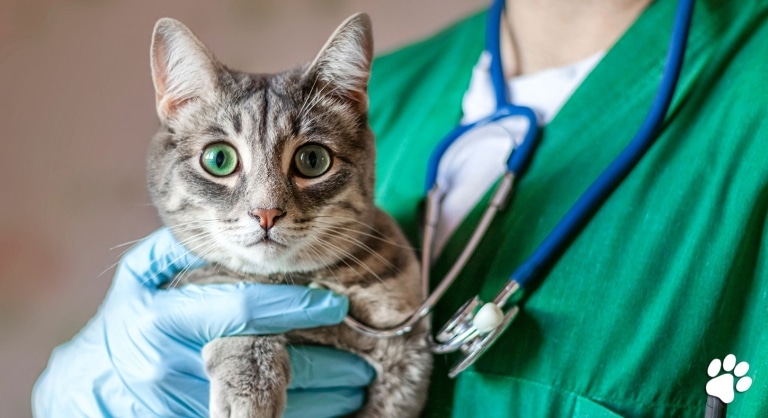
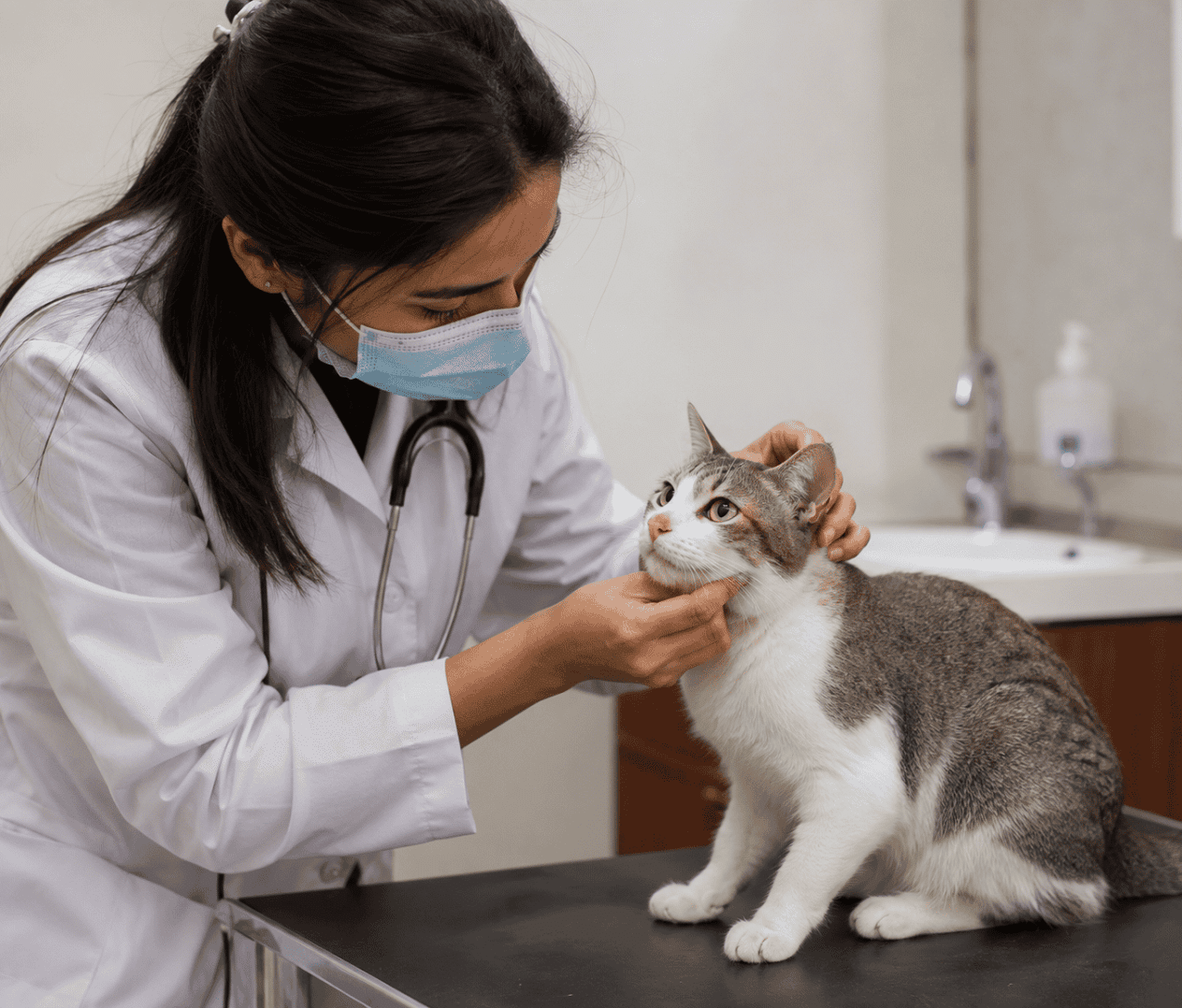
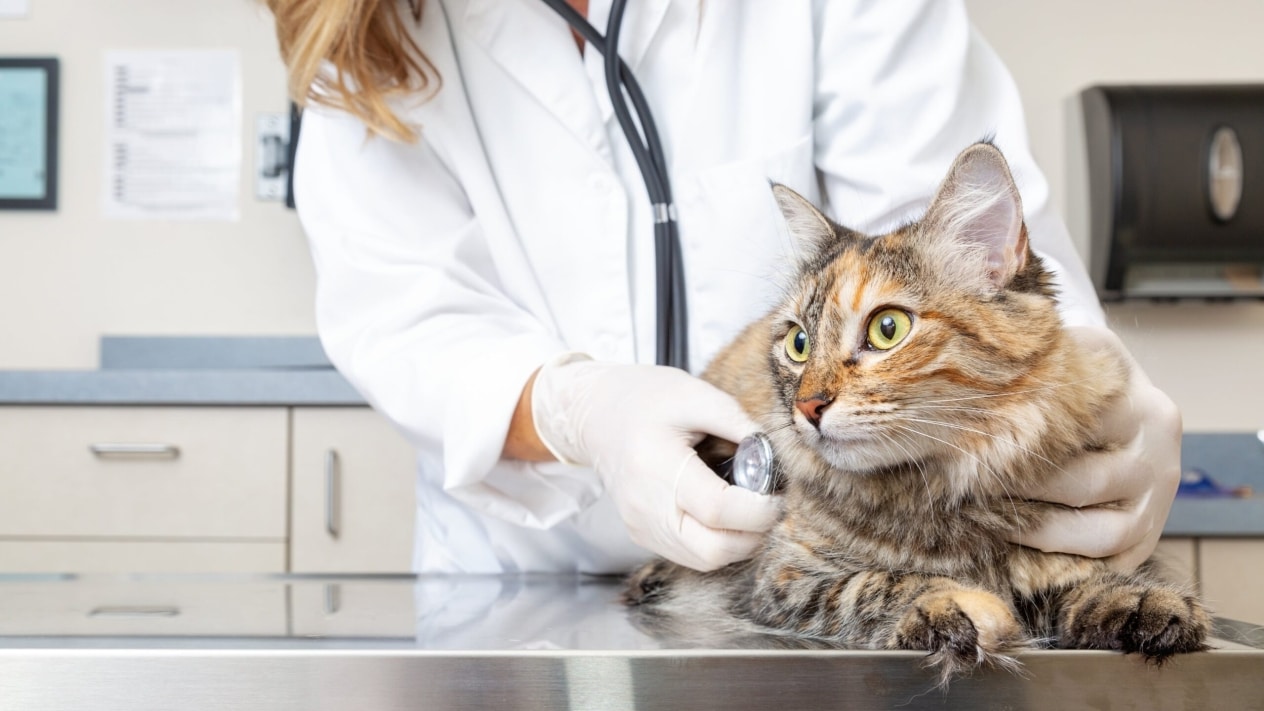
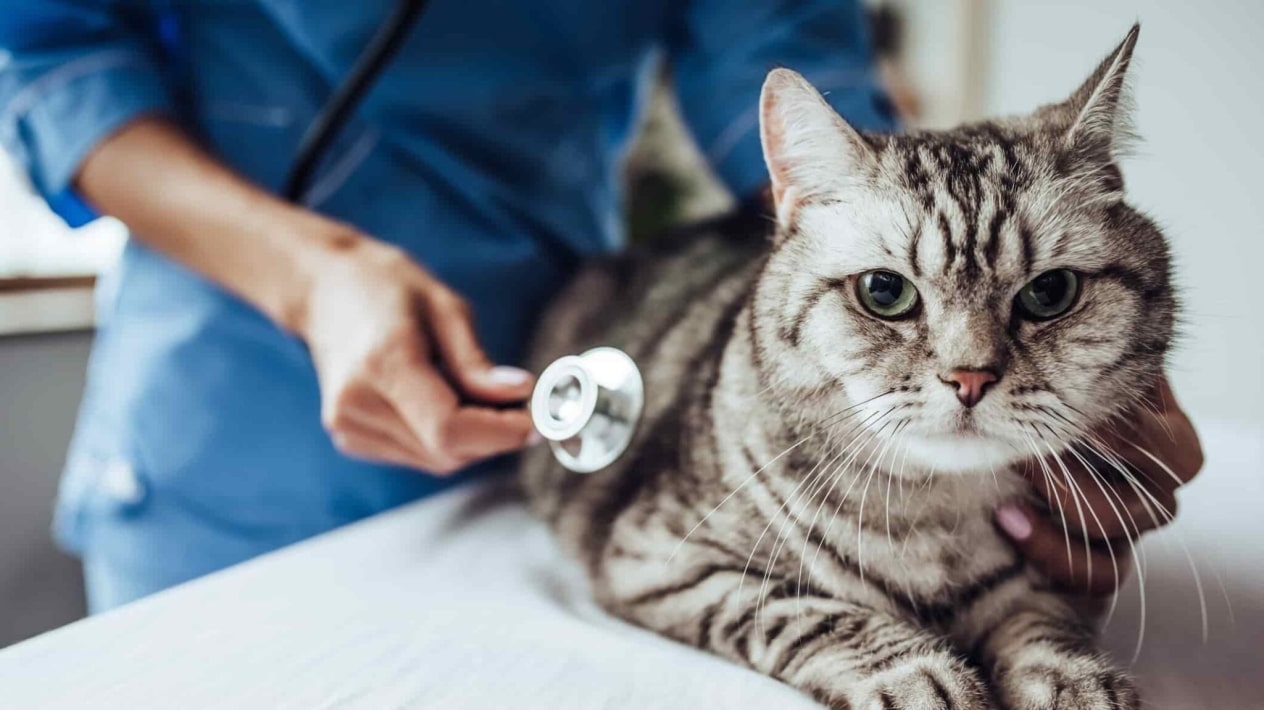
During the appointment, the veterinarian weighs the cat, assesses its body condition and muscle tone, and examines its eyes, ears, teeth, gums, skin, and coat. They’ll also listen to the heart and lungs, palpate the abdomen, and, if necessary, check joint mobility. If your cat has started chewing on one side, avoids jumping, or is having trouble grooming its back, be sure to mention this during the appointment. These observations help the veterinarian understand what to look for during the exam.
What Tests Might Be Needed
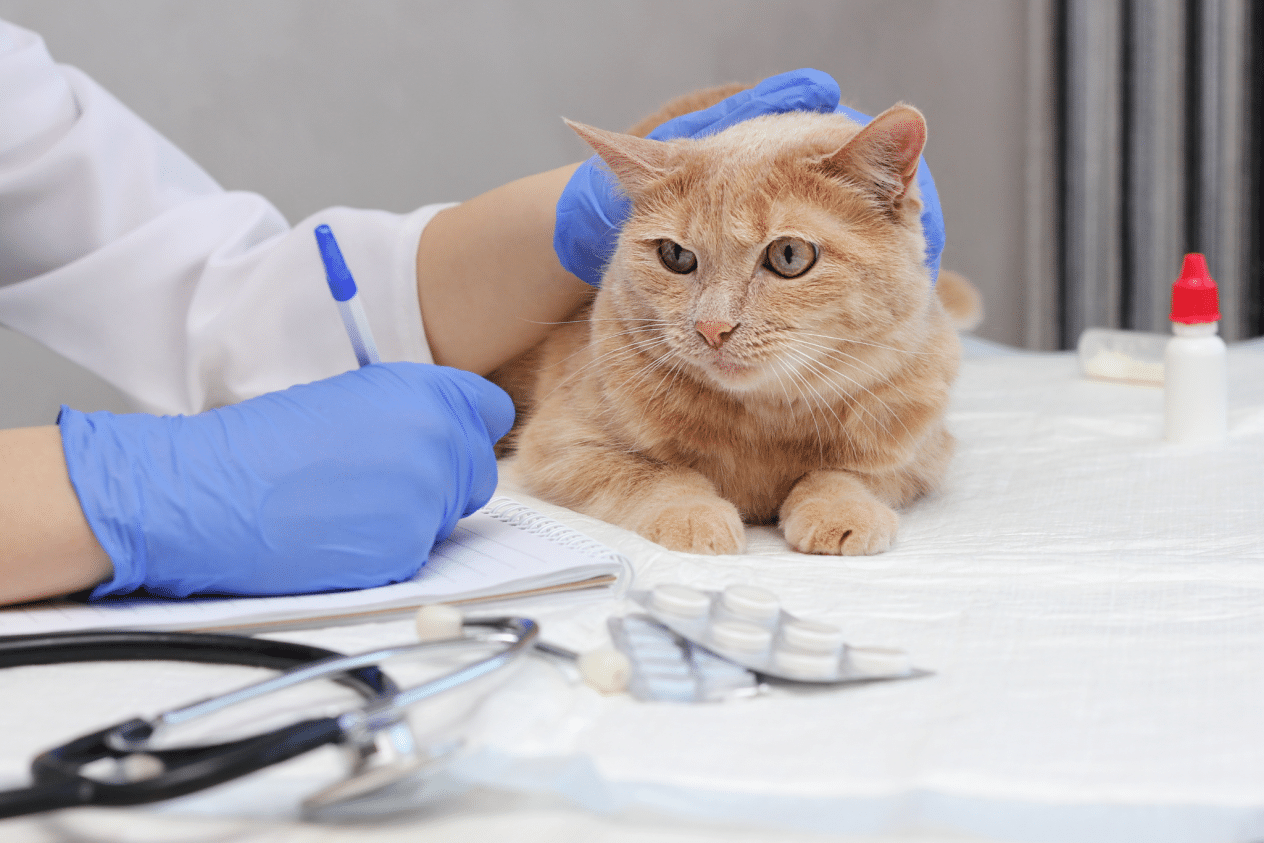
Depending on the cat’s age, condition, and the results of the examination , the veterinarian may recommend a complete blood count (CBC), a biochemical blood panel, a urinalysis, and a blood pressure measurement. For older cats, a total T4 test is also often considered to assess thyroid function. Blood and urine tests can complement each other, for example, when the veterinarian is evaluating kidney function.
During the appointment, you can ask what exactly the veterinarian wants to check with each test and when it should be repeated. Even if the results are within the normal range, it’s helpful to keep them on file. A year from now, they’ll help assess how your cat’s specific values have changed.
What to Look for at Home Before the Visit
Think about whether your cat’s appetite, thirst, weight, activity level, or litter box habits have changed. Perhaps you’ve had to refill the water bowl more often, larger clumps of litter have appeared in the litter box, or your cat has stopped coming to play in the evening. If the change is recurring, make a note of when you first noticed it. And if your cat is limping or moving unusually only at home, a short video will help you show this to the veterinarian.
There are situations when you can’t wait for a routine checkup. If your cat repeatedly sits in the litter box and strains but produces little or no urine, contact a veterinary clinic immediately. You should do the same if your cat is having trouble breathing or is breathing with its mouth open while at rest.
Conclusion
You know your cat in its usual environment better than anyone in the vet’s office. That’s why a comment like “It’s still jumping, but now only over a chair” is perfectly appropriate during the appointment. You don’t necessarily have to understand what the change means. It’s enough to notice it and mention it.