“Come here, sit down—no, not there—wait!”—sometimes we speak to our dog so quickly, as if he’s supposed to understand every word and carry out all our requests immediately. But for clear communication, it’s not just familiar commands that matter—the pace of speech is important, too.
A slower pace helps them process your words
A study published in 2024 in the journal PLOS Biology showed that dogs process speech at a slower pace than humans. When we speak to our pets, we often intuitively slow down—and this change aligns with the characteristics of their auditory perception.
Therefore, instead of a rapid stream of words, it’s better to calmly say a familiar command and pause. There’s no need to unnaturally drag out each syllable: it’s enough to speak clearly, unhurriedly, and give the dog time to react.
At the same time, speaking slowly is no substitute for training. If the dog does not yet know the meaning of the word “stay,” simply speaking more slowly will not explain the required action to it.
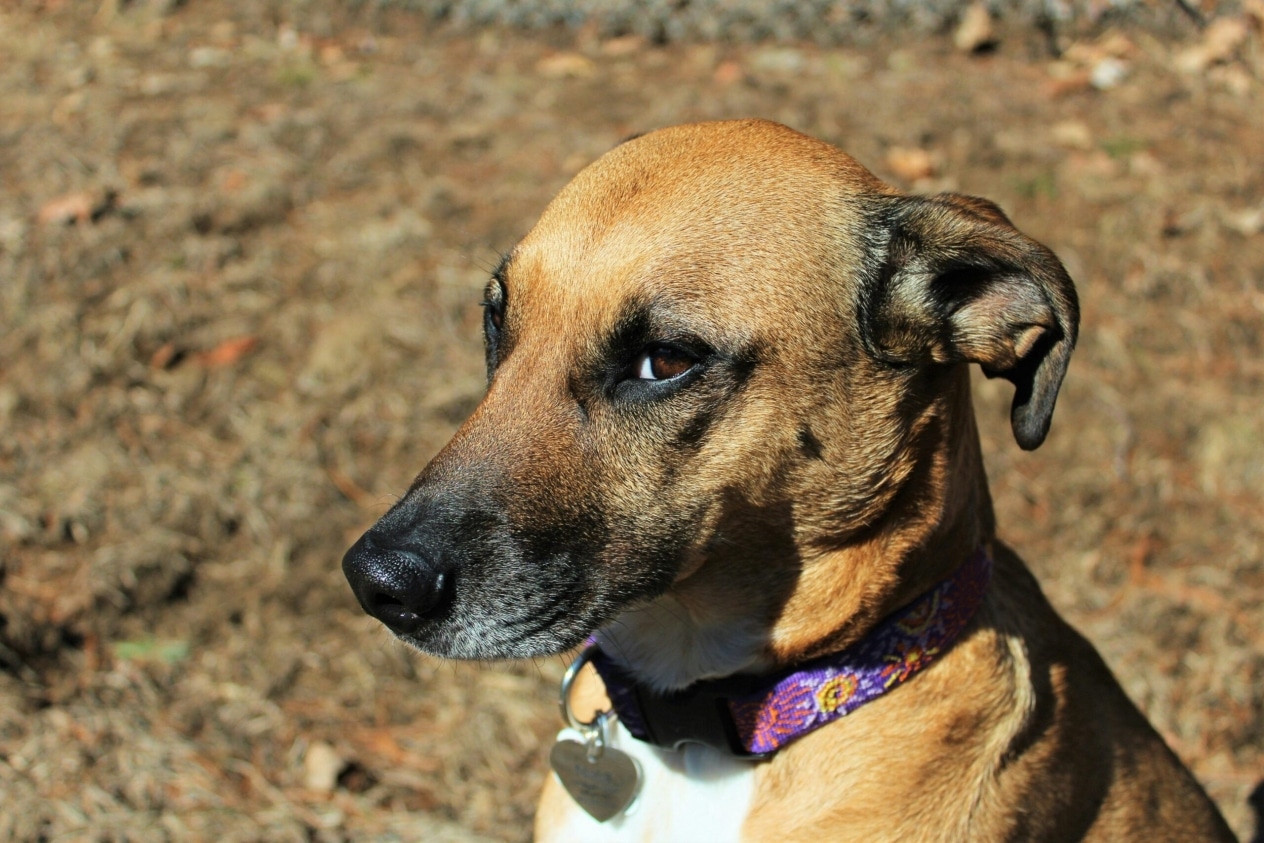
One command, a calm voice, and a clear result
In everyday communication, a simple rule helps: one request at a time. Instead of “Sit down, I’m telling you, sit down—why are you still standing there?”, use the familiar “Sit,” wait for a response, and reward the correct action. Try to keep the wording of your commands consistent. For a person, “come here,” “come over,” and “come on already” may mean the same thing, but a dog needs to learn separately to associate these words with an action.
This is also useful during grooming: before a familiar procedure, calmly give the learned signal, avoid fuss, and encourage cooperation. If the dog doesn’t respond, check to see if it understands the task, is distracted, or is feeling uncomfortable.
To communicate effectively with your dog, it’s often best to start with yourself: slow down a bit, speak less, and give the dog more time to respond.