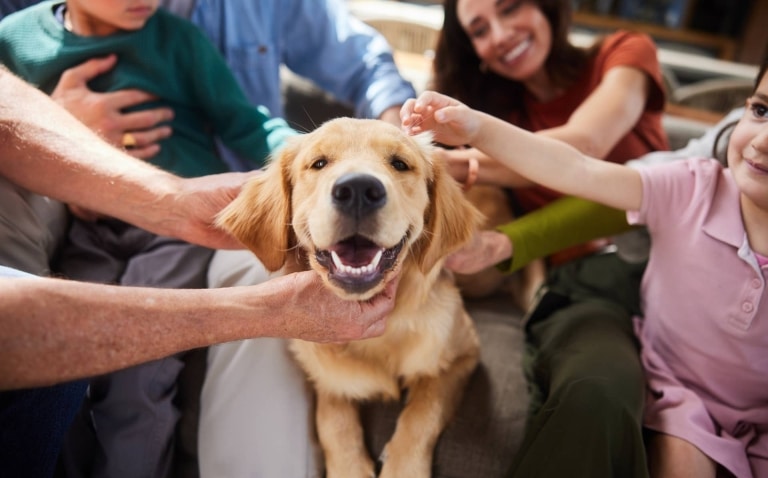
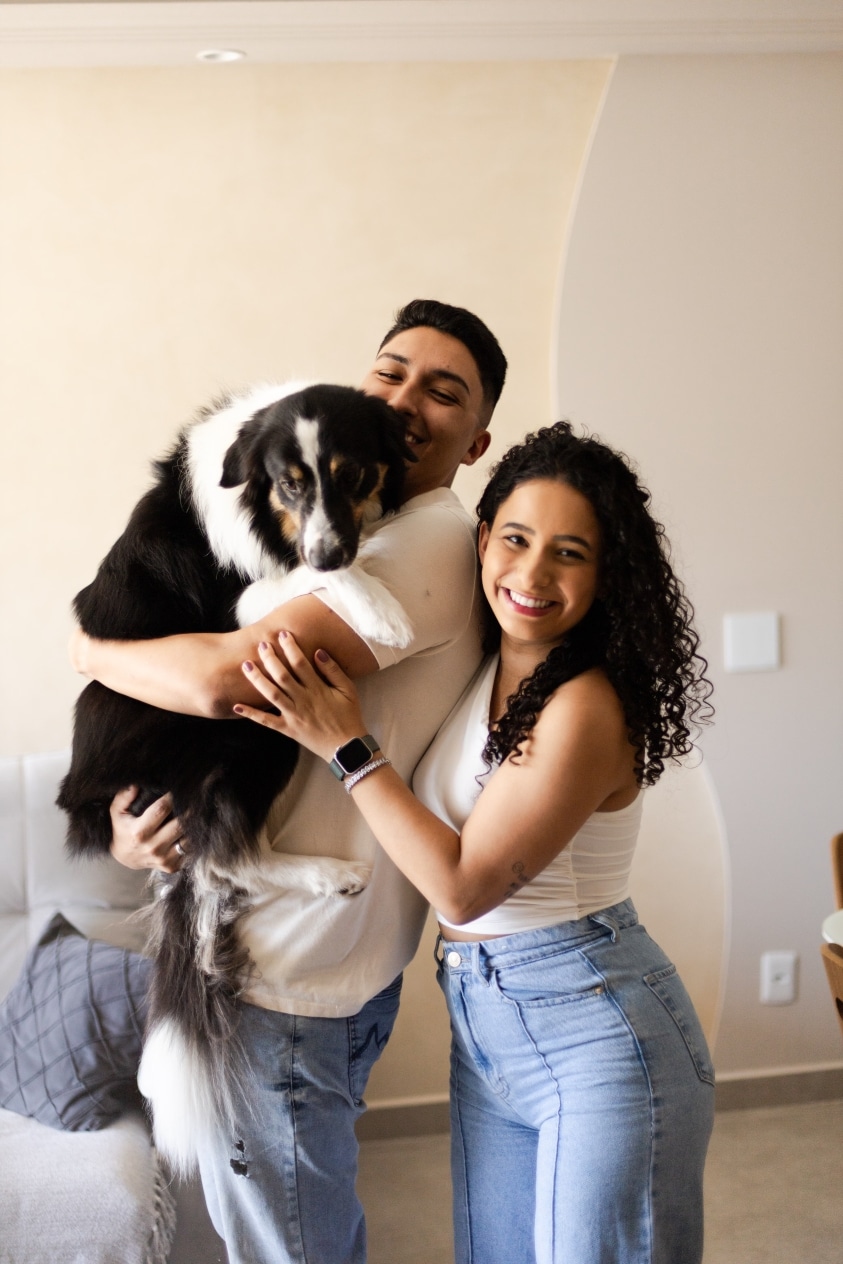
At a family lunch, Grandpa asks why the dog needs a raincoat if she has a coat of fur. Mom has already put a towel in her bag because she knows what the dog will look like when she comes back from her walk. And the granddaughter checks to see if she can bring him to the coffee shop where everyone is gathering after lunch. In ten minutes, Grandpa will be the one to step outside to move the water bowl into the shade. And he’ll be the first to notice that the dog is walking a little strangely today.
Three generations can gather around the same table—all of whom love the dog equally but have completely different ideas about what it means to take good care of him. For some, it means feeding him, providing a warm place, and noticing when he’s not feeling well. For others, it means organizing the day so the dog gets enough exercise and rest. And for others, planning the weekend starts with a simple question: Where can we go with him?
The Older Generation. “The Dog Knew What to Do”
In many family stories, the dog had its own place and its own role. One guarded the yard, another went hunting with its owner, and a third saw the children off at the gate and was the first to greet them when they came home from school. People grew accustomed to seeing a dog as an animal with its own responsibilities, personality, and habits. At the same time, there was a lot of tenderness in this practicality. It was just that people rarely spoke of it aloud.
The warmth toward the dog could be seen in the little things. Fresh straw was placed in the doghouse before the cold weather set in. In the yard, they changed the water even before breakfast. People remembered a dog that had lived with the family for many years through specific stories: how he greeted his owner after a long absence, or how he learned to open the gate with his nose. Ask your grandma or grandpa what their first dog was named, and it’s quite possible you’ll also hear who he barked at, where he liked to sleep, and who in the family he listened to best.
This is where some of today’s disagreements come from. Grandpa might wonder why you’d need to take the dog to a groomer when it was always bathed at home. But the granddaughter thinks about the mats behind the ears, the claws clicking on the floor, and the fact that after a bath at home, the dog walks around with a wet undercoat for half the day. They have different ideas about routine care. It’s easier to understand each other when the conversation turns to a specific animal and what it needs.
The Middle Generation. “Who’s walking the dog today?”
It’s a familiar scenario: a child asks for a dog and solemnly promises to walk it every day. The first week, the whole family goes outside together. A month later, Dad already knows all the neighborhood dogs by name, and Mom keeps a stash of poop bags in every jacket. The dog somehow quietly becomes a shared responsibility, even though it was brought home on one person’s initiative.
In a family like this, the dog changes daily life. Someone now gets up half an hour earlier. Dinner is planned around the walk. Before a vacation, they agree on who will stay with the dog or whether they can book a place that will take him in. A regular veterinarian, a familiar walking route, and a person you can trust with the leash and apartment keys all become part of the routine.
Here, the very concept of dog training changes as well. While the dog is out in the yard, its barking may seem like a natural part of life. Inside the apartment, however, neighbors can hear that same barking through the door, and owners have to think about their dog’s behavior even when they’re not at home. Can it stay alone? How does it react to the elevator, kids on scooters, and other dogs in a narrow hallway? Living together day to day raises questions that the simple command “quiet” can only answer in a specific moment.
And this is where the funniest things happen in many families. The person who first said, “No dogs in my bed,” is now sleeping on the very edge a year later because the dog has made himself comfortable right in the middle.
The younger generation. “Will he be comfortable there?”
Let’s imagine a young couple planning a weekend trip. Before booking a place to stay, they check to see if dogs are allowed there. Next, they look for places to walk the dog after the trip and whether there’s a quiet spot nearby where the dog can rest. Maybe he even has an Instagram page. But the most interesting part happens off-camera. People are getting used to planning their life together with the dog’s well-being in mind.
This leads to other questions about behavior. If the dog barks at guests, you can observe exactly when he starts doing it. When the doorbell rings? When everyone enters the hallway at once? When someone bends over him and reaches for his head? The answers help you understand what exactly is stressing him out and adjust the situation to make things easier for him.
There’s also a fun side to this closeness. You can order a birthday cake for your dog, sew him a bandana, and invite friends over for his birthday party. And the dog will most likely be happiest when he’s finally let out of the photo zone to sniff the bushes. The more attentive a person is to their dog, the more often they notice moments like these. On a long walk, a dog might be fascinated by the same patch of grass, and after having guests over, he might need some peace and quiet—even if everyone else still wants to play with him.
Conclusion
Every generation has something to teach us. Grandpa notices that the dog is favoring his paw because he knows how the dog walks. Mom remembers when he last ate and how much he walked today. The granddaughter sees that he can’t settle down in the noisy coffee shop and suggests moving outside. All three noticed something different. For the dog, this is probably the best thing life with several generations of people can offer—there’s always someone nearby who knows him well enough to notice when he needs help, company, or a little quiet.