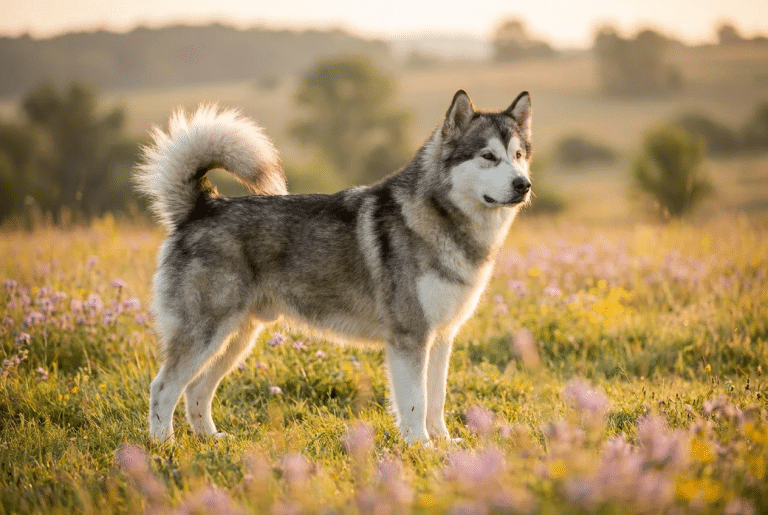
Its broad paws stride confidently through the snow, its thick tail rises above its back, and its alert gaze brings to mind the distant inhabitants of the Arctic. The Alaskan Malamute gives the impression of a dog that can handle any blizzard. But this breed surprises you most when you get to know it up close: this powerful northern worker can be affectionate, playful, and very eager to interact.
What is it like in everyday life, and what does it need from its owner? Here are three key points about the Malamute.
Origin and Appearance
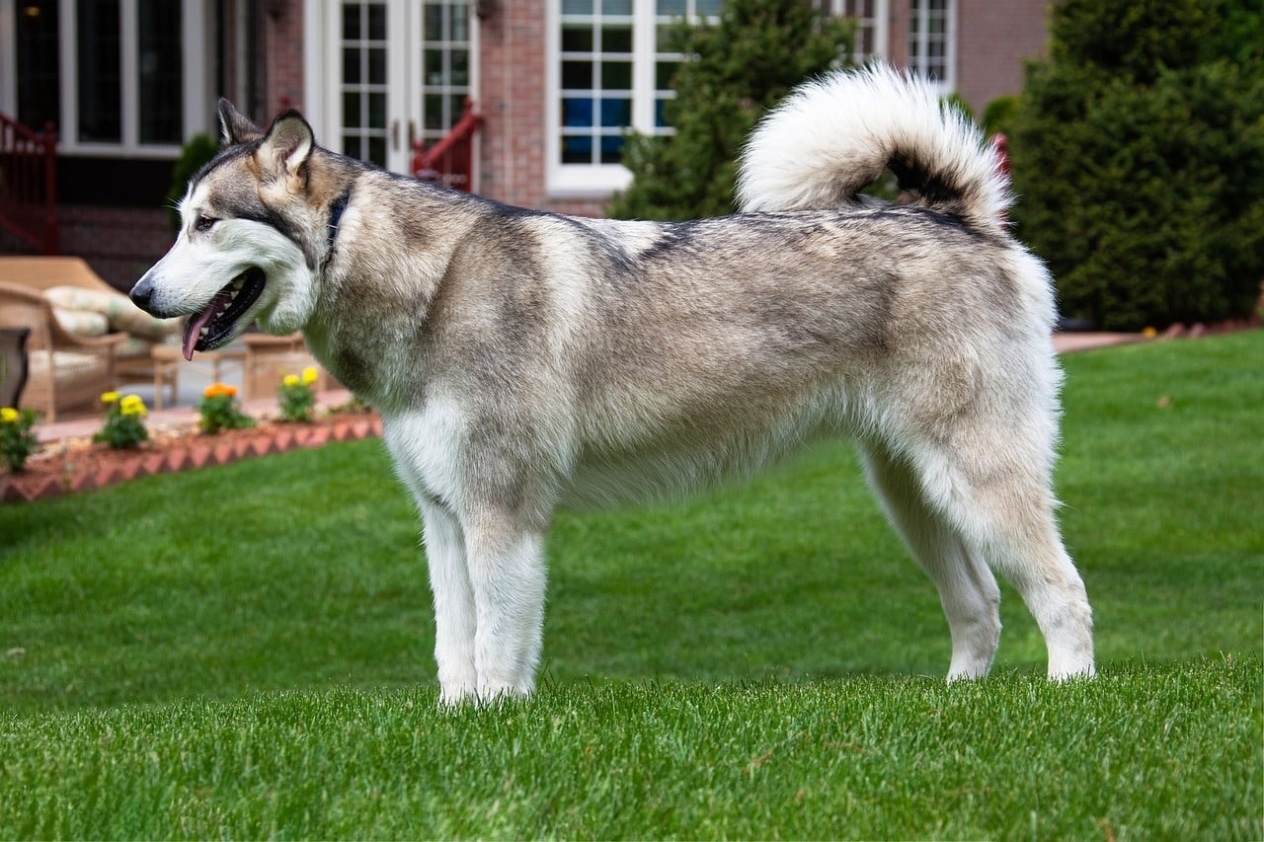
The Malamute’s homeland is Alaska. Its ancestors helped indigenous peoples transport cargo across snow-covered expanses, where people’s daily lives depended on the dogs’ strength and endurance. They had to move forward confidently, pull heavy sleds, and endure long hours of work in a cold climate.
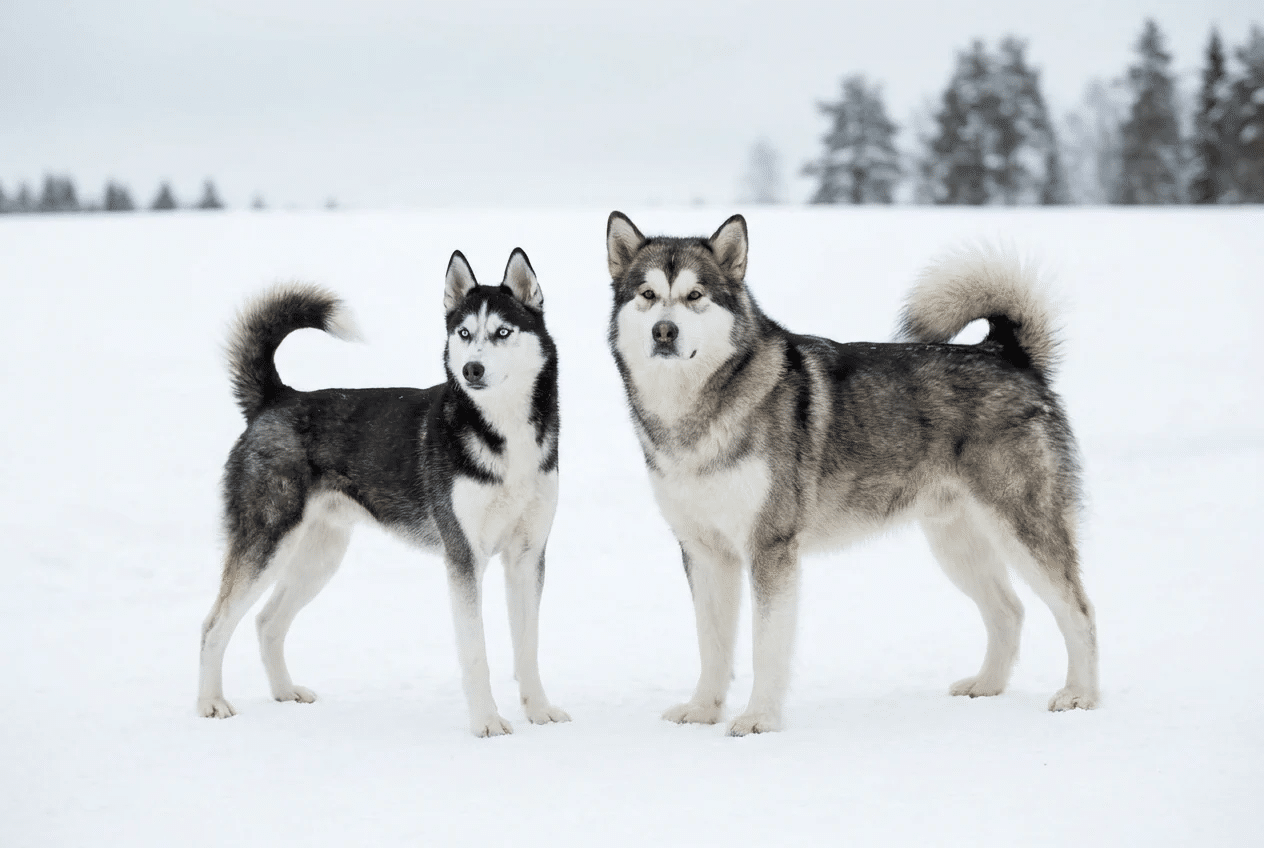
This purpose is clearly evident in the appearance of the modern Malamute. It has a sturdy bone structure, well-developed musculature, a broad chest, and strong paws. Even beneath its thick coat, the solid build of a working dog is evident.
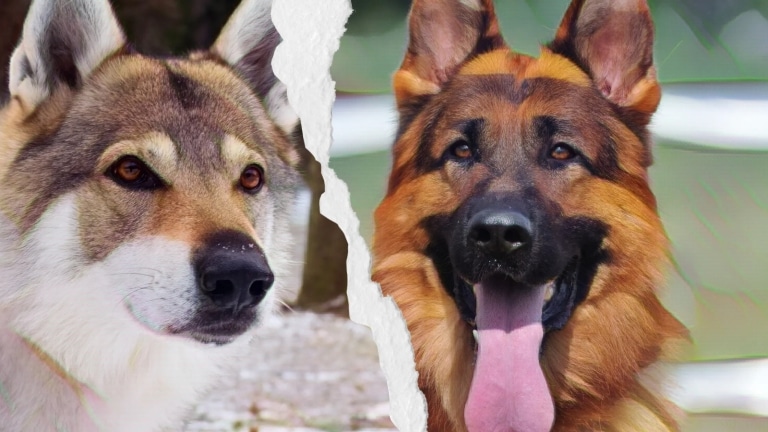
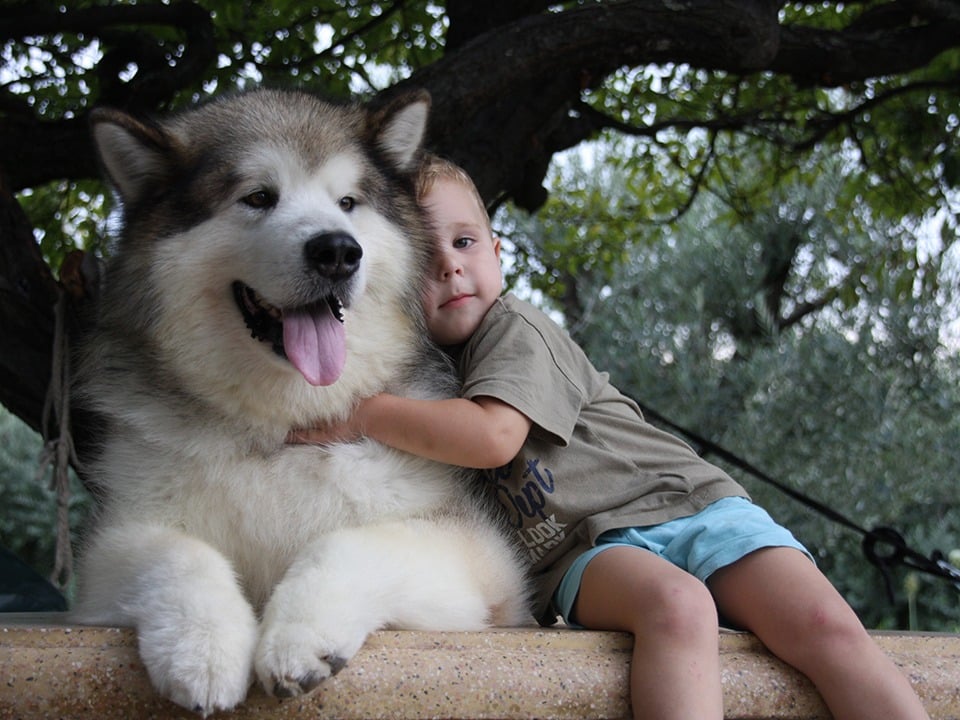
The Malamute is often confused with the Husky, especially in photographs. However, the Malamute is usually larger and more massive. Historically, it was valued for its ability to haul heavy loads, whereas the Siberian Husky specialized in covering long distances with lighter loads.
A particular point of pride for the breed is its double coat. A dense undercoat helps retain heat, while the coarser outer coat protects against inclement weather. That’s why the Malamute looks so natural in the snow: its coat evolved for living and working in Arctic conditions.
Temperament
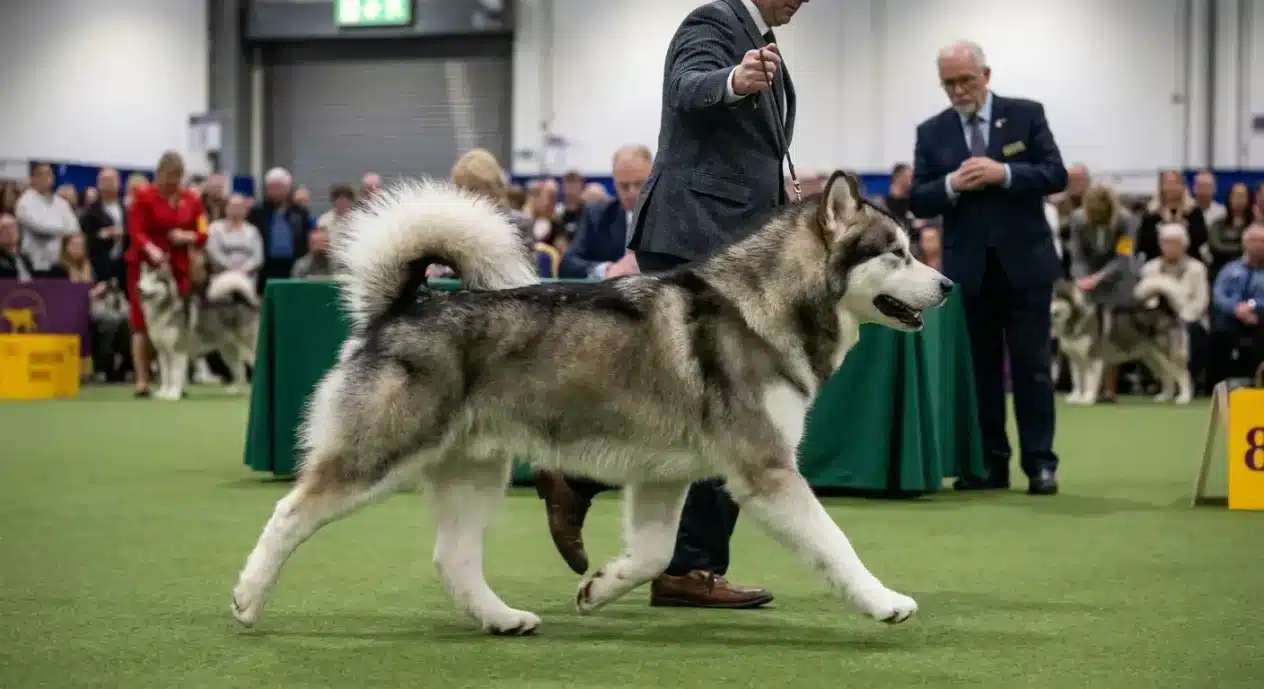
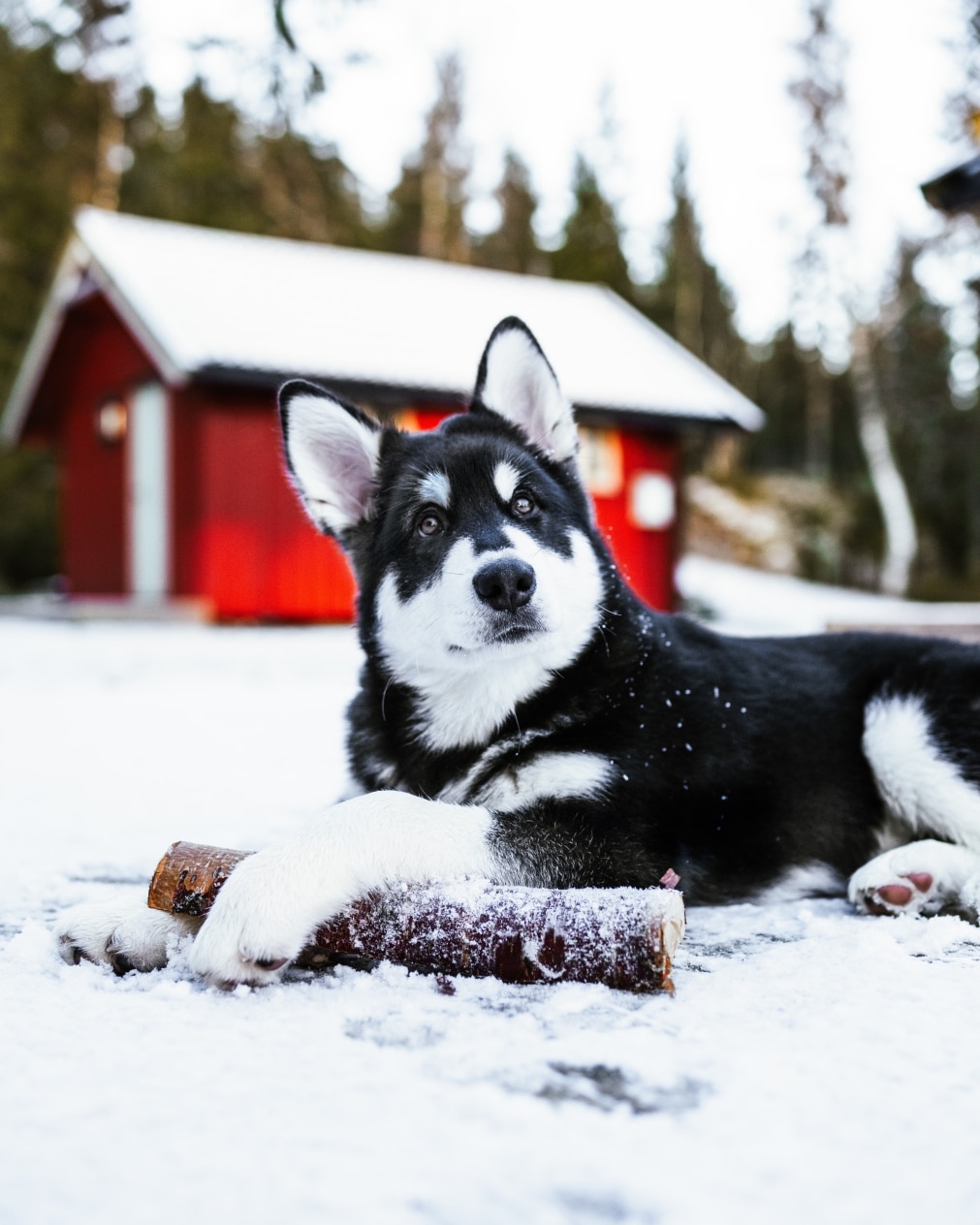
The Malamute’s stern appearance can create a misleading first impression. Members of the breed can be very affectionate, love to play, and appreciate their family’s attention. For the owner, this contrast between the dog’s physical power and its tenderness within familiar surroundings is particularly delightful.
At the same time, the Malamute needs an active lifestyle. Its working heritage means that a short walk around the house is often not enough. Walks, exploring new routes, and shared activities provide opportunities to burn off energy and interact with people. A spacious yard can complement this lifestyle, but daily adventures beyond its boundaries remain essential.
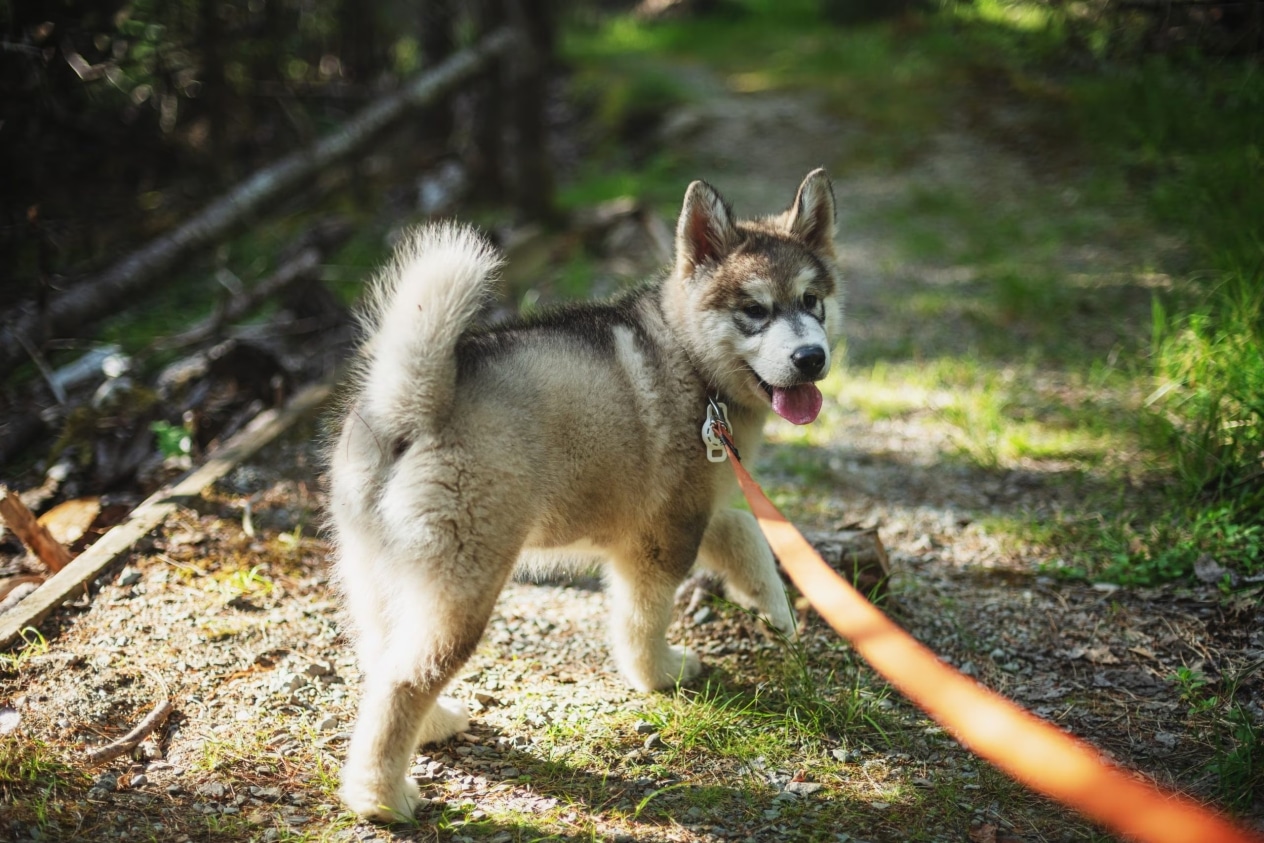
Training should begin from the very first days at home. Walking calmly on a leash, paying attention to the owner, and following clear household rules are especially important for a dog that will grow up to be large and strong. Training is best approached systematically: notice the desired behavior, encourage it, and gradually increase the difficulty of the tasks.
Before bringing a Malamute home, it’s helpful to imagine a typical weekday with him. Is there time for a morning walk? Will you still have the energy for training sessions in the evening? Is the family ready for a large, active dog? These answers will help you understand how comfortable life together will be.
Grooming
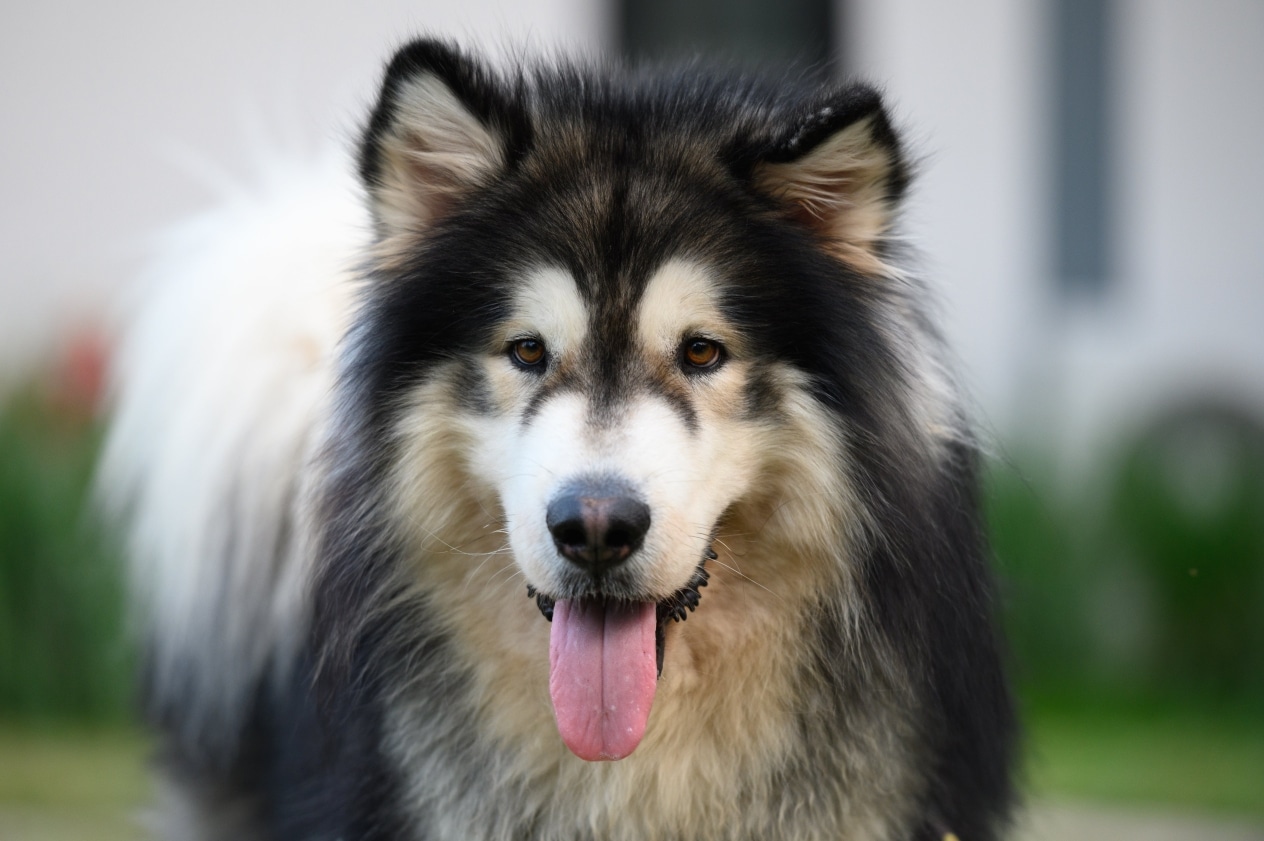
A Malamute’s thick coat requires regular attention. Grooming becomes especially important during seasonal shedding, when the dog actively sheds its undercoat. The amount of hair in your home may surprise even a prepared owner.
You need to brush your Malamute thoroughly, gradually working through different areas of its body. Simply running a brush quickly over the surface isn’t enough: dead undercoat remains deep within the thick coat. Grooming helps remove it, prevent matting, and detect changes in skin condition in a timely manner.
Bathing, appropriate grooming products, and professional removal of dead undercoat can significantly simplify home care. It’s important to preserve the natural structure of the coat. Shaving “to reduce shedding” or “to keep them cool” is generally not recommended: the guard hairs and undercoat grow back at different rates, and after a haircut, the coat may lose some of its protective properties.
In the summer, a Malamute needs a cool place to rest, fresh water, and walks during times when it’s not too hot. In winter, it’s important to monitor their well-being: even their Arctic origins don’t make them immune to the cold, especially in windy or humid conditions.
Life with a Malamute is filled with exercise, interaction, and grooming its luxurious coat. For someone willing to devote time to this, a Malamute can be a wonderful companion—whether on a snow-covered trail or during a simple evening walk.
Conclusion
The Alaskan Malamute captivates with its strength, beauty, and affectionate nature toward loved ones. It will thrive best in a family that is willing to take it on long walks, devote time to training, and regularly groom its thick coat. Before choosing this breed, it’s important to envision life together in every detail—from active winter walks to daily routines. If its needs align with your lifestyle, the Malamute can be a wonderful companion for many years of shared adventures.