A dog with six toes on each paw, a Japanese hunting dog with tiger stripes, and a hardy sled dog that is virtually unknown outside its homeland. The world of dogs is much more diverse than it seems during a walk through a city park.
Some breeds have remained in isolated regions for centuries. Others have lost their traditional roles and are now on the brink of extinction. Today, they are preserved by people who value these animals’ temperament, history, and unique qualities.
We’ve compiled a list of ten rare breeds from different corners of the world. This is an introductory selection: there is no precise global ranking by population size, and a breed that is rare outside its home country may be well known there.
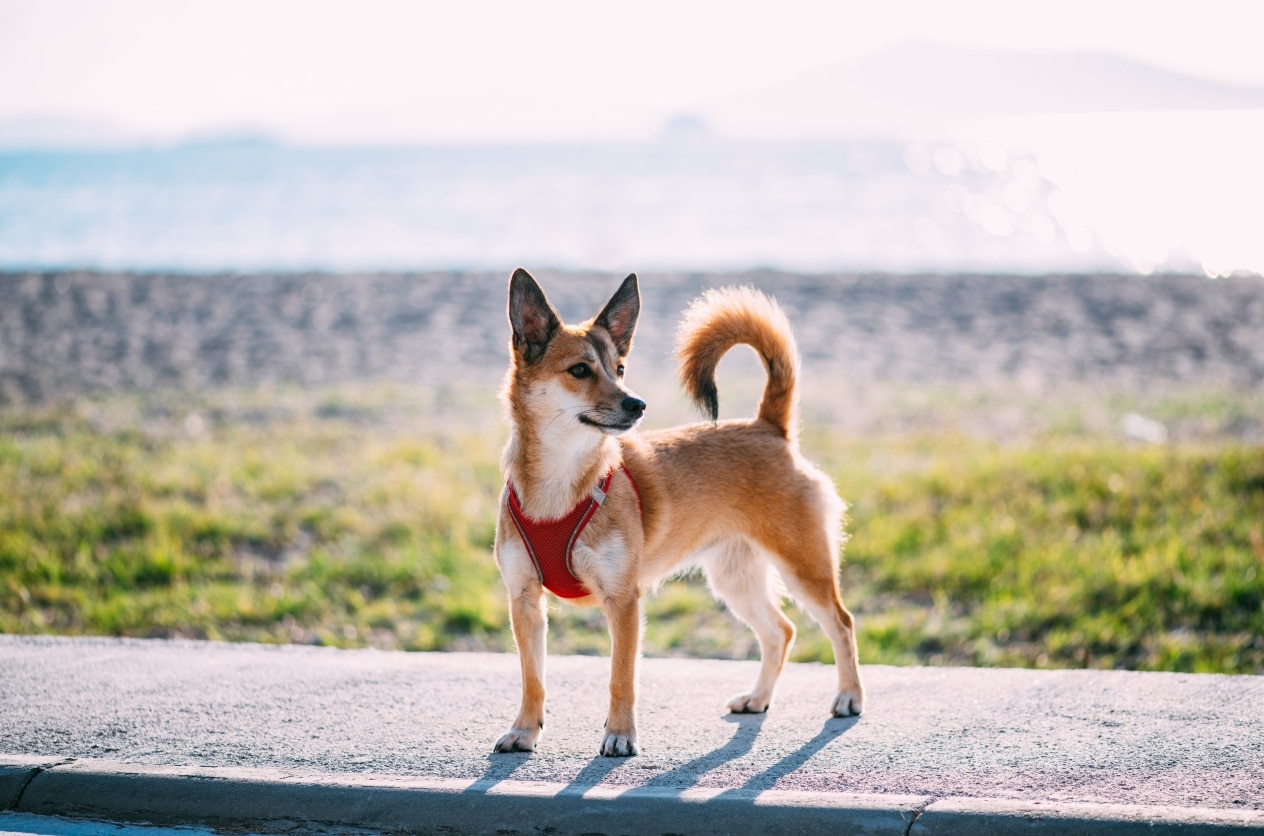
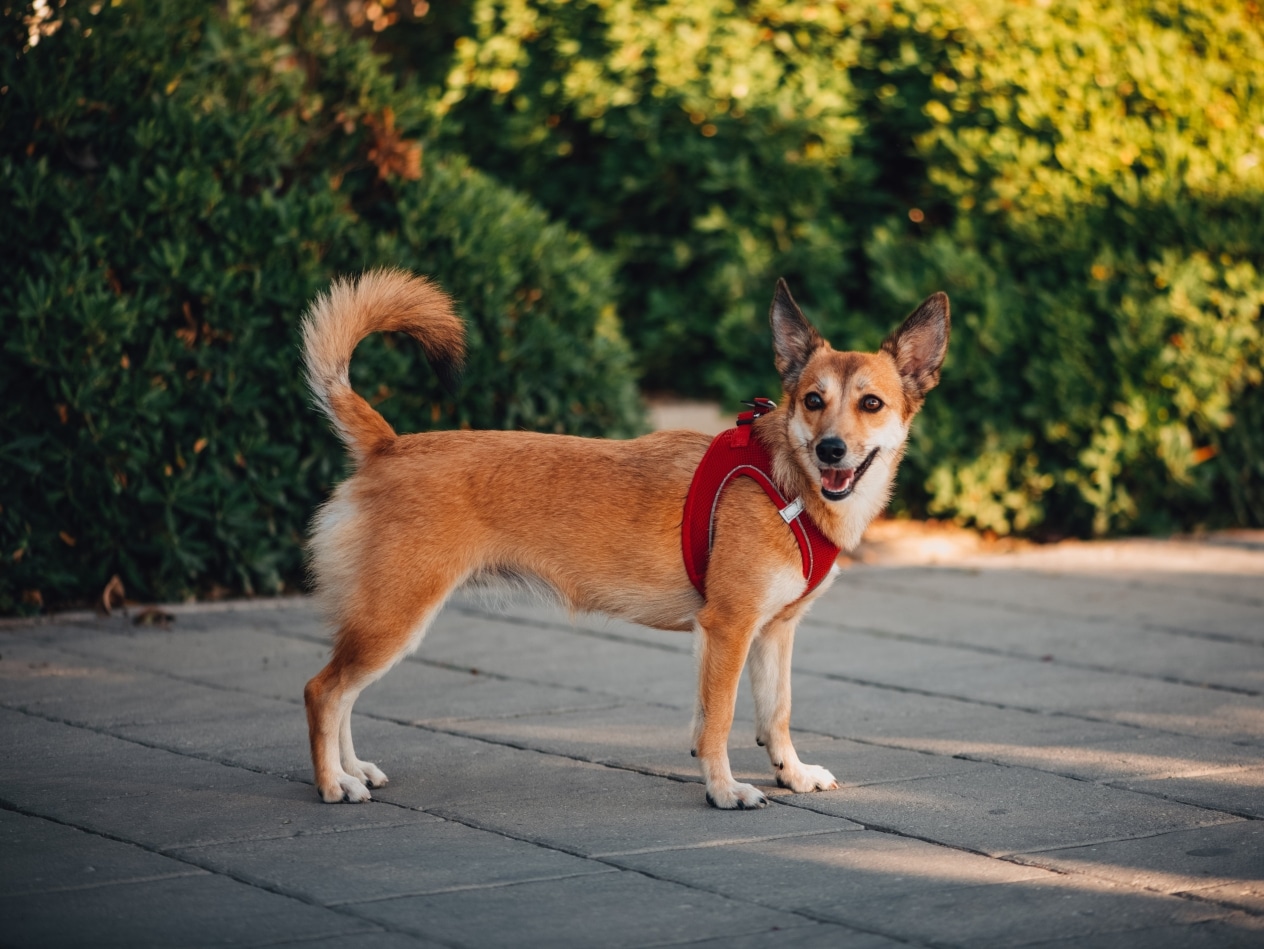
1. Norwegian Lundehund — Norway
Imagine a small dog whose body is adapted for navigating steep coastal cliffs. Each of the Lundehund’s paws has at least six functional toes, and its extremely agile shoulders and flexible neck help it navigate challenging terrain. Even its ears can fold back to protect its ear canals.
These features are linked to its former job—hunting Atlantic puffins that nest on the Norwegian islands. The dog had to reach places where it was difficult for a person to even look.
In the past, the breed nearly disappeared. Its history shows just how vulnerable dogs can be when their existence has depended on a single occupation for centuries. Today, the Lundehund remains one of the rarest and most remarkable breeds in the world.
2. Otterhound — Great Britain
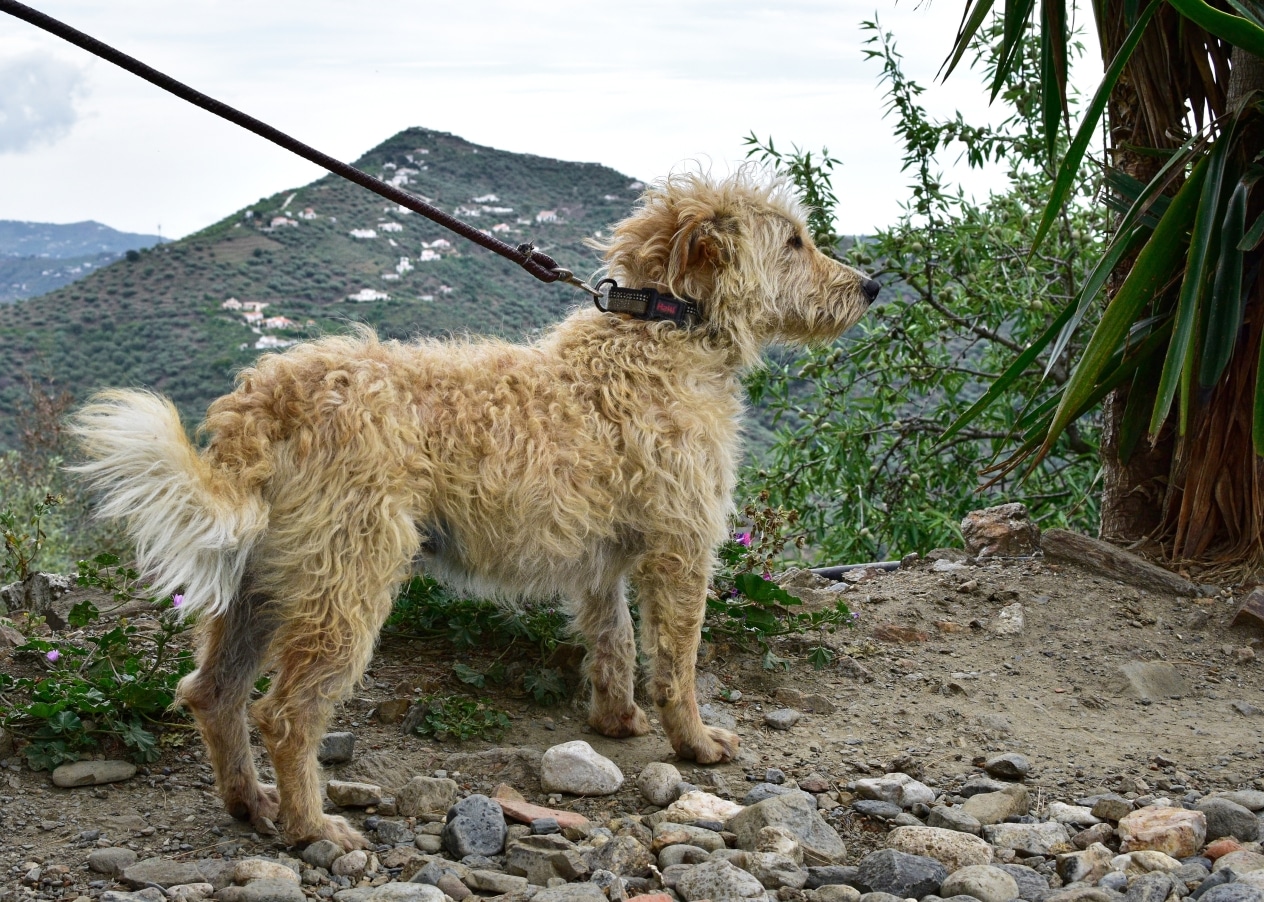
With its shaggy head, long ears, and the look of a good-natured adventurer, the Otterhound is easy to remember. Behind this appearance lies a powerful hound with an excellent sense of smell, a thick, coarse coat, and webbed feet that help it swim.
The breed was used for hunting otters. The Otterhound could work both on land and in water, tenaciously following a scent. When otter hunting was banned in Great Britain, the breed lost its primary purpose, and its future was threatened.
Even today, the Otterhound remains very rare. The American breed club reports fewer than 800 of these dogs worldwide. So encountering this shaggy swimmer is truly a rare occurrence.
3. Stabihun — Netherlands
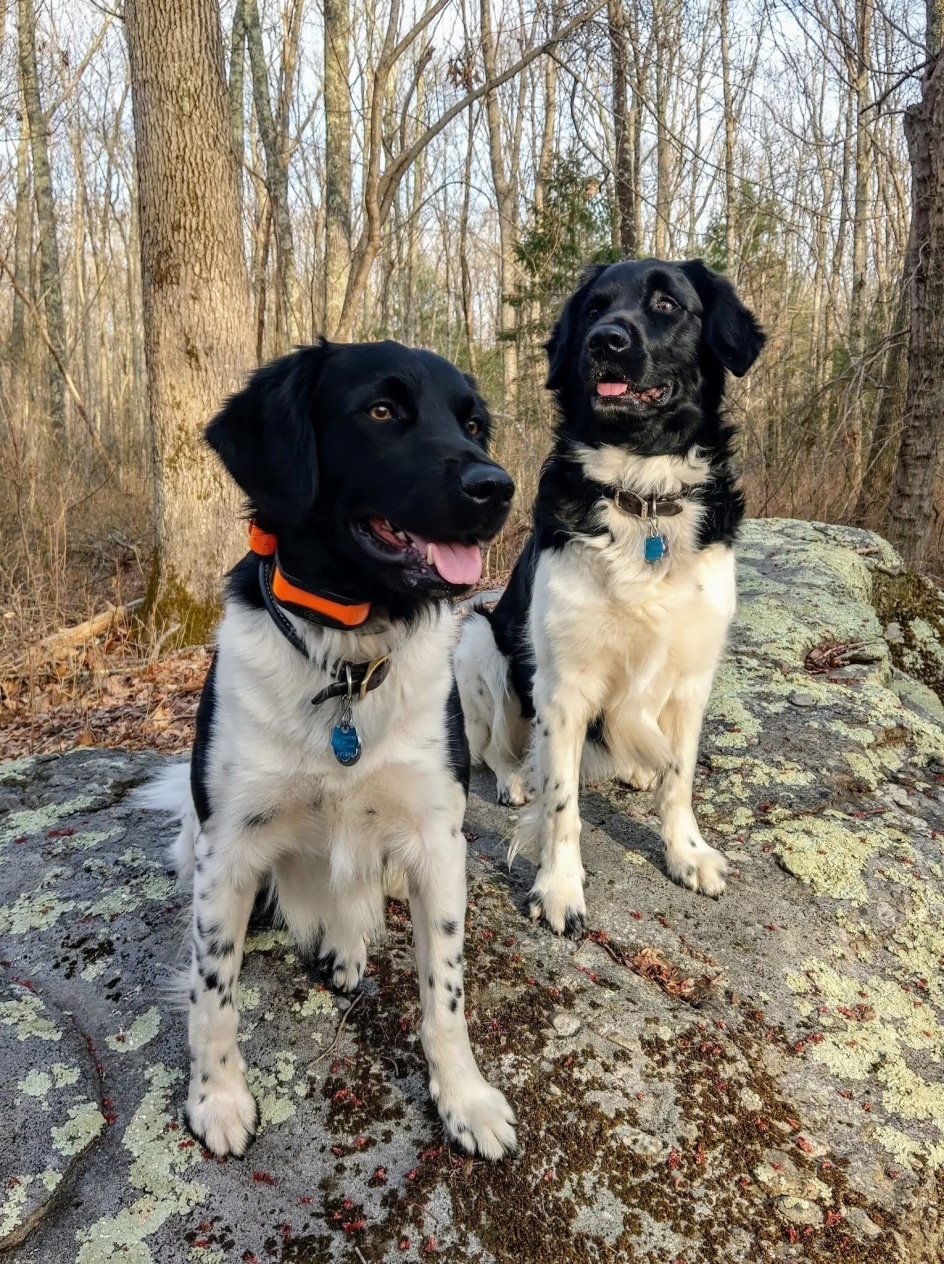
The Stabihun originates from Friesland—a region in the north of the Netherlands. There is nothing ostentatiously exotic about its appearance: expressive eyes, drooping ears, a well-proportioned body, and, most often, a black-and-white coat. However, behind this familiar appearance lies a distinctive local breed. The Stabihun was a versatile helper: it worked on hunts, found and retrieved game, and was comfortable in the water. It was valued for its ability to perform various tasks and work alongside humans.
Members of the breed are described as gentle, patient, and devoted to their families, although they can be headstrong at times. Outside its homeland, the Stabikhon remains relatively unknown, and its breeding is carried out by a relatively small community of enthusiasts.
4. Mudi — Hungary
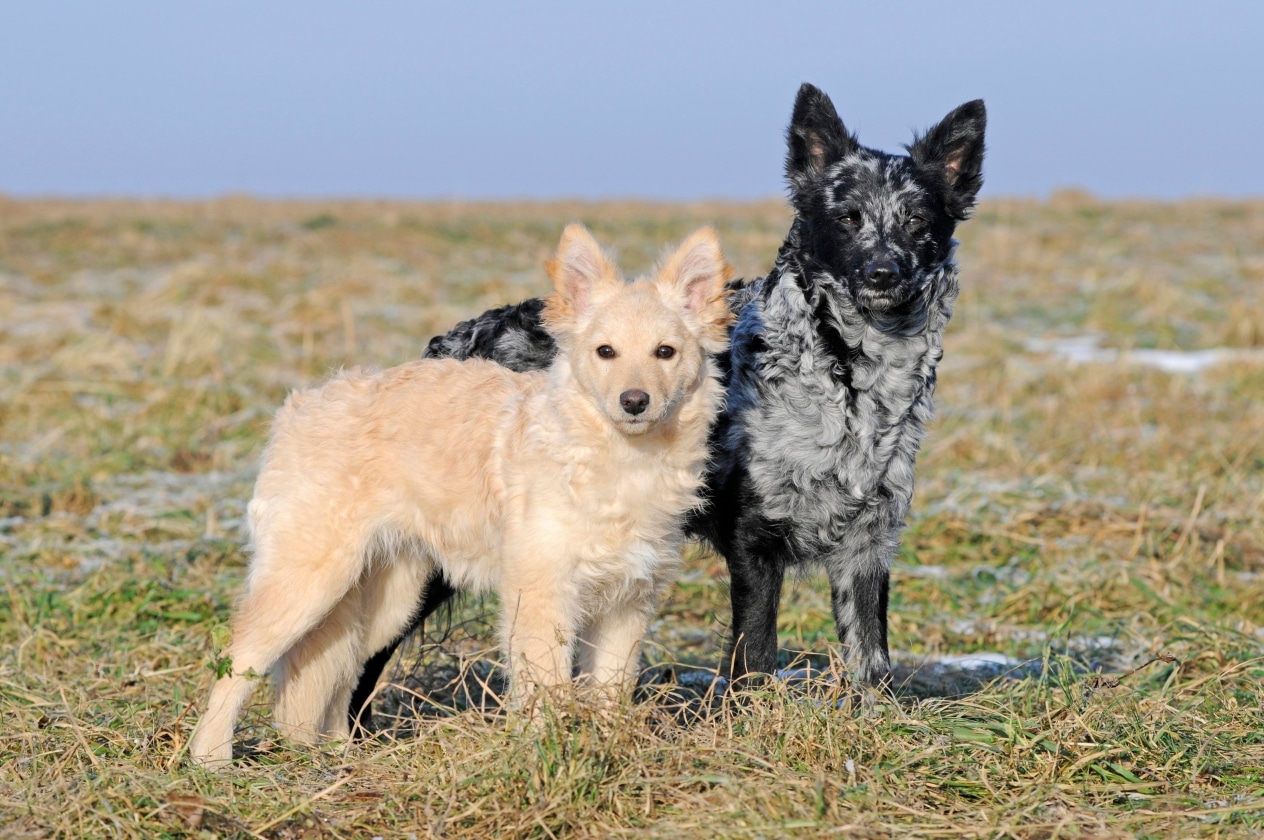
With its pointed ears, alert gaze, and wavy or curly coat, the Mudi looks as if it’s already waiting for its next task. And this fits its personality well: here is an active Hungarian herding dog for whom working alongside humans is of great importance.
Mudis still assist shepherds in Hungary today. They need quick reflexes, stamina, and the ability to navigate a large flock on the move. These qualities also make the breed appealing for dog sports. Despite its abilities, the Mudi remains a rare breed. It may captivate with its appearance, but a true understanding of the breed begins with understanding its temperament: this dog needs exercise, training, and meaningful activities.
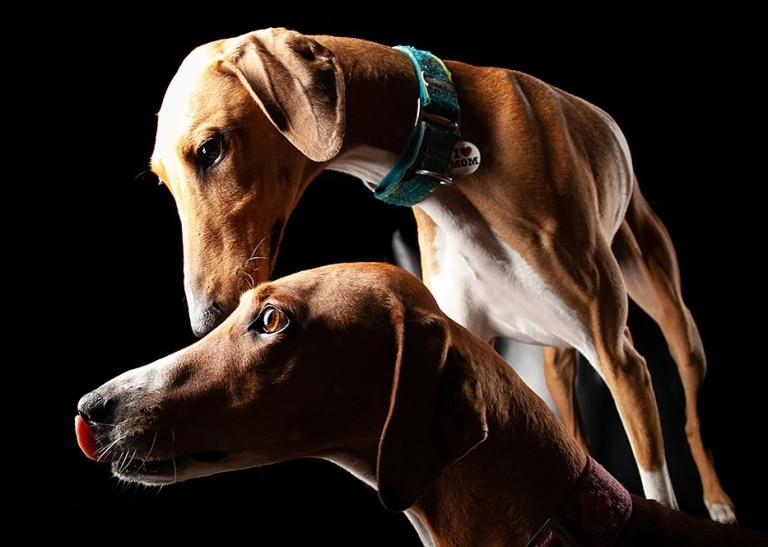
5. Azawakh — Mali and Neighboring Countries of the Sahel
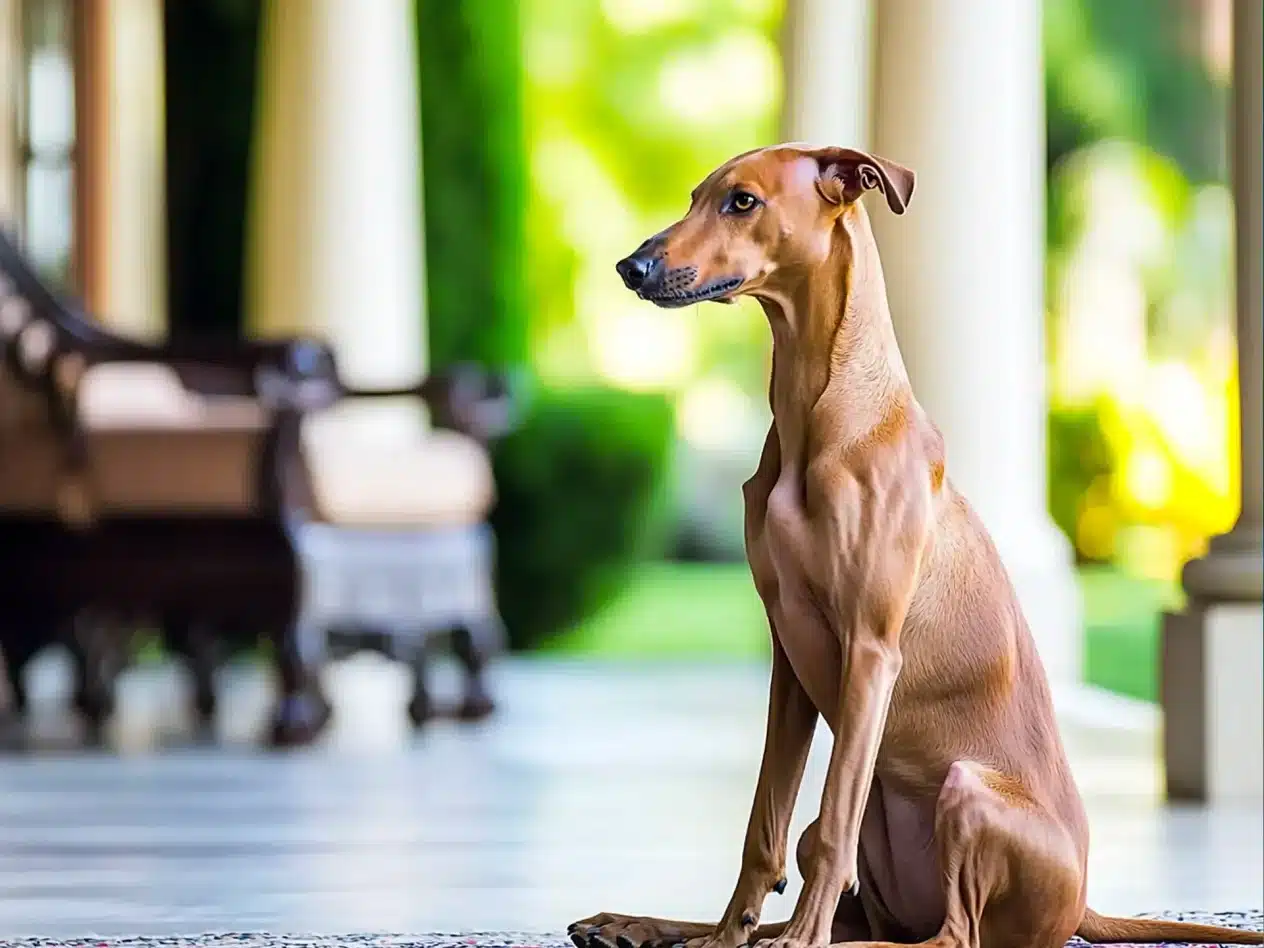
With long legs, a slender body, short, fine fur, and an almost sculptural silhouette, the Azawakh attracts attention with its unusual build. Its appearance was shaped by the conditions of West Africa, where speed, endurance, and adaptability to the local climate were particularly valued. The International Cynological Federation lists Mali as the breed’s country of origin, but its historical range also includes Niger and Burkina Faso. Therefore, it is more accurate to consider the Azawakh’s history in the context of the entire region. This sighthound is deeply connected to the lives of local peoples and hunting traditions. Outside its historical range, it remains rare. The Azawakh is memorable at first glance: its movements clearly reveal why nature and humans needed such a light and long-legged body.
6. Chinook — United States
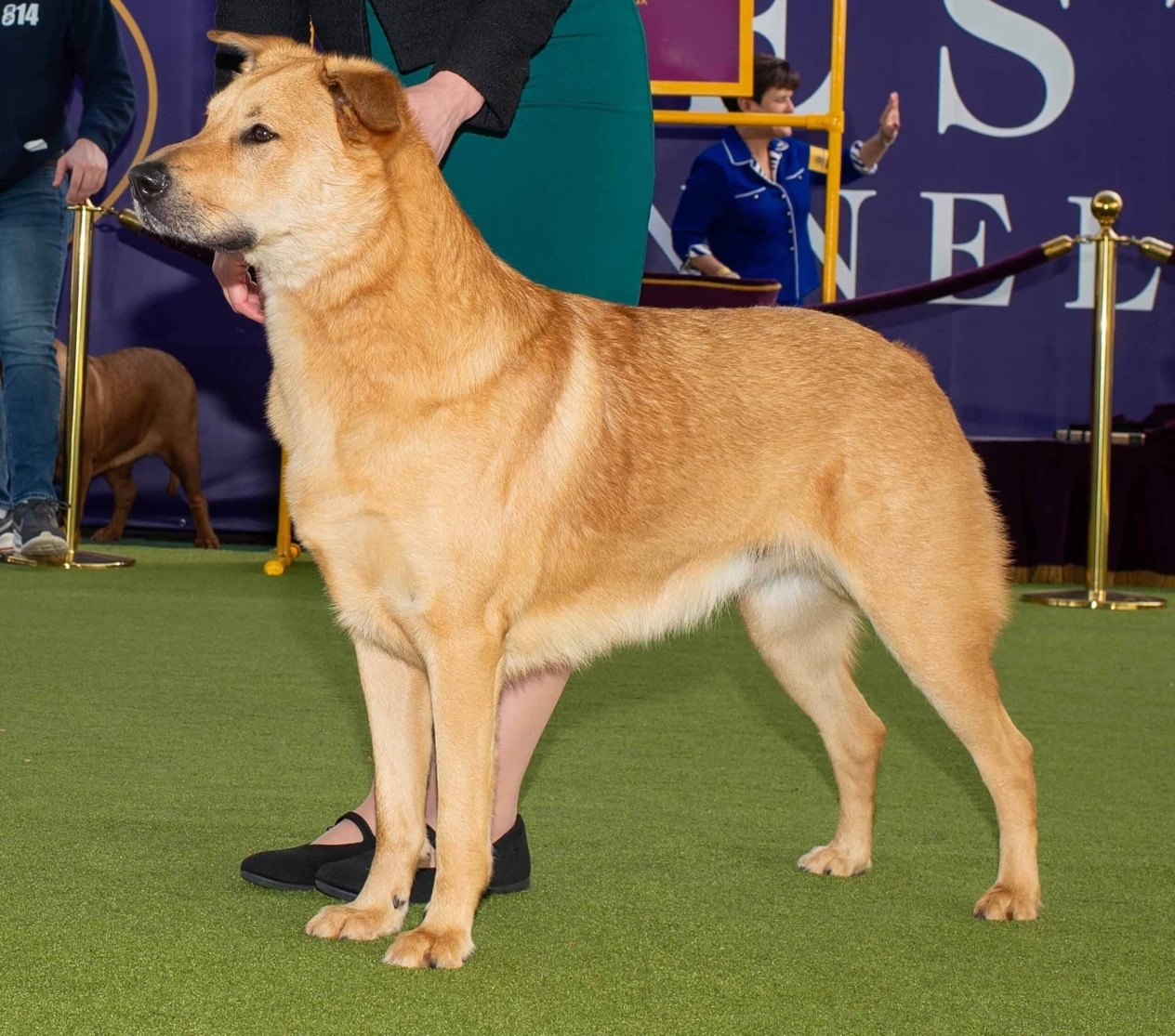
When people talk about sled dogs, they usually mention Huskies or Malamutes. The Chinook remains in the shadow of these popular breeds, even though it has its own interesting history.
It was bred in the early 20th century in the U.S. state of New Hampshire. Arthur Treadwell Walden worked on the breed, aiming to create a versatile sled dog for hauling cargo and working in a team. The sturdy, hardy Chinook became the official state dog of New Hampshire, but it never gained widespread popularity. This is part of the breed’s unique appeal: its history offers a glimpse into another side of American cynology—working dogs bred for specific tasks and preserved by a small circle of devoted enthusiasts.
7. Kai-ken — Japan
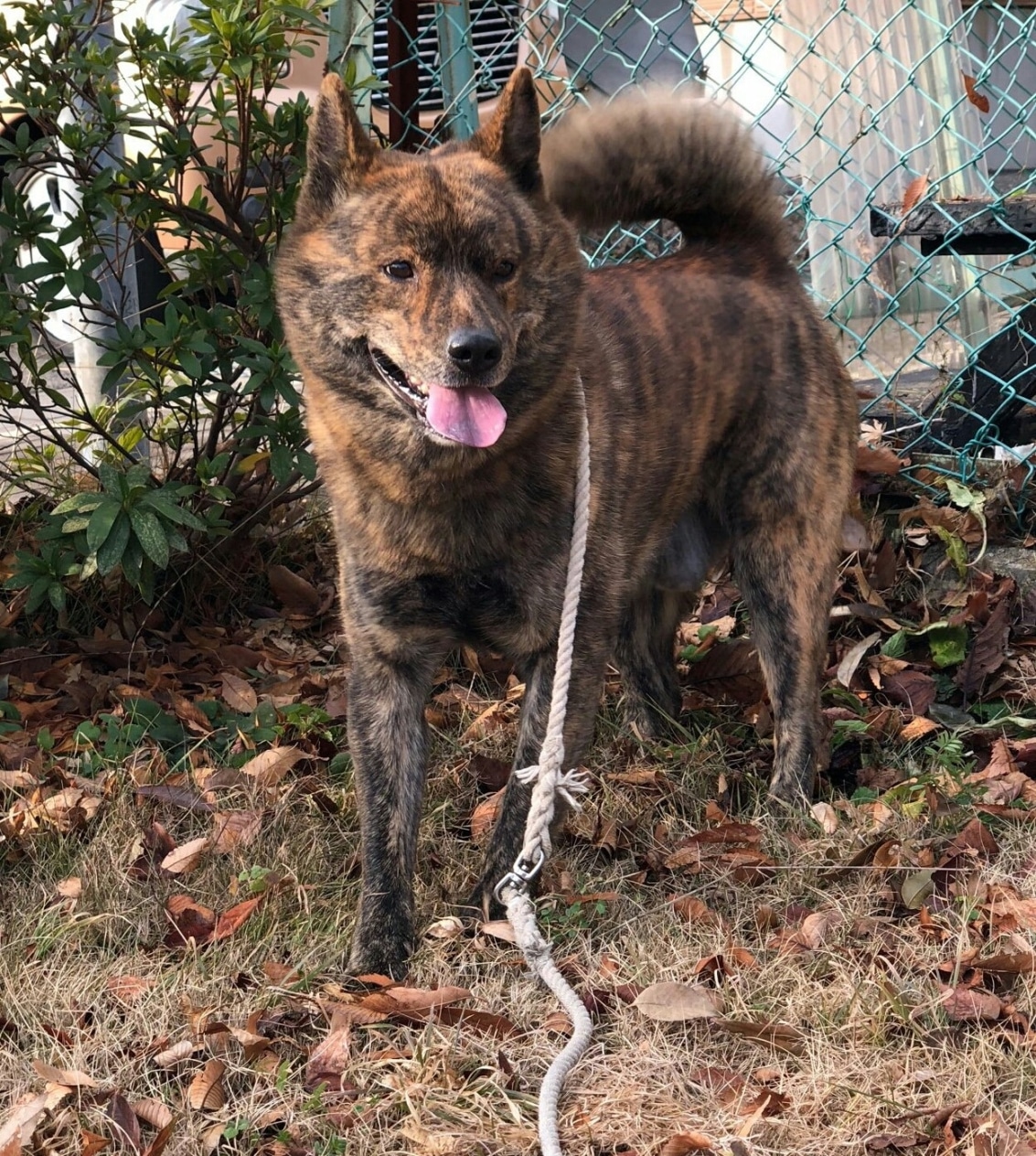
Because of its tiger-like coat, the Kai-ken is called the “tiger dog.” The dark stripes on its coat give it a distinctive appearance, especially when combined with its erect ears and focused gaze. The breed originated in the mountainous regions of Japan, in the historic province of Kai. These dogs were used for hunting, where their agility and ability to navigate difficult terrain were particularly valued. Unlike the well-known Akita and Shiba Inu, the Kai-ken remains rare even in Japan itself. Getting to know this breed reveals a lesser-known aspect of Japanese dog culture—local hunting breeds that are closely connected to the natural environment of their regions.
8. Thai Ridgeback — Thailand
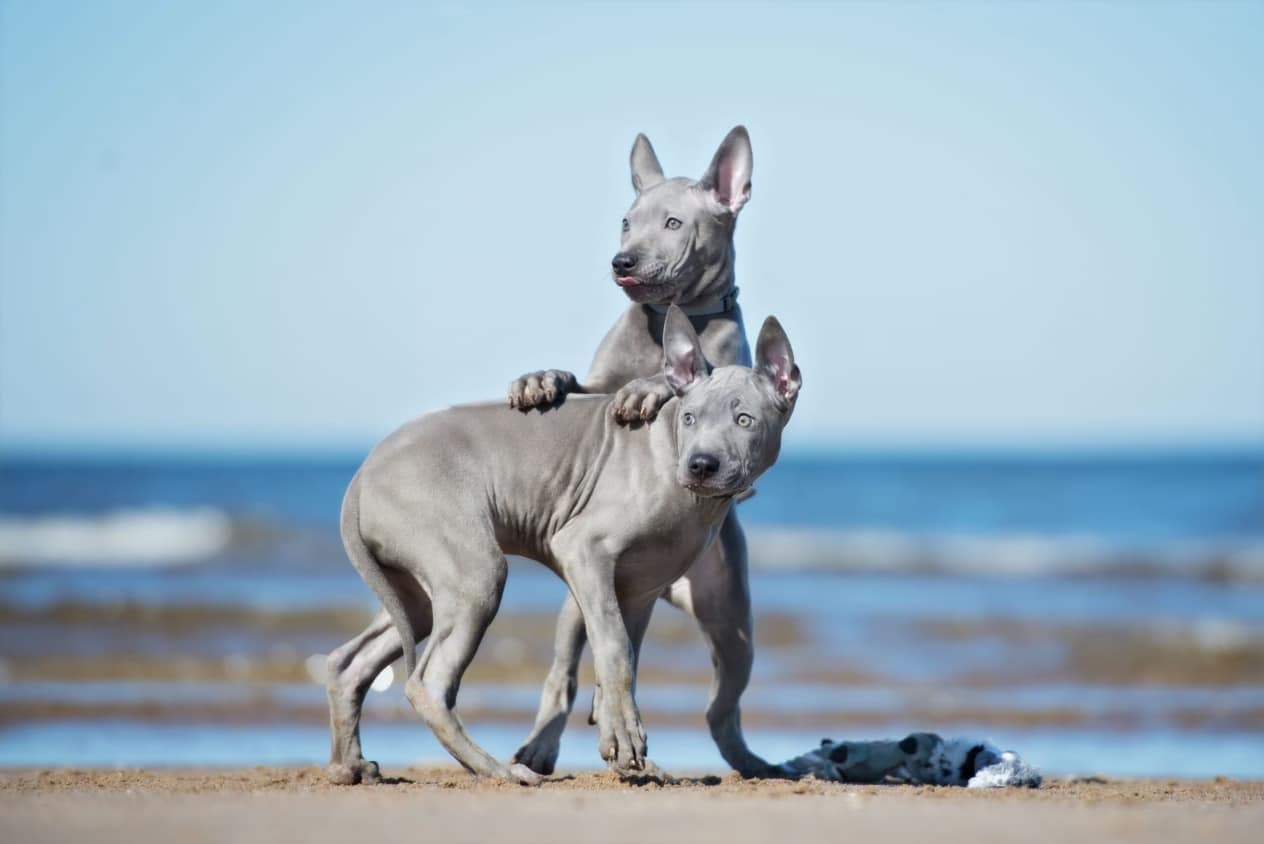
The Thai Ridgeback’s most distinctive feature is a strip of fur on its back that grows in the opposite direction. It forms a distinctive crest, or ridge, which gave the breed its name.
Its athletic build, short coat, and large, erect ears make its silhouette highly recognizable. It is an active, physically strong dog, also known for its agility and independence.
The Thai Ridgeback has a long history in its home country but remains relatively uncommon outside of it. Its appearance often makes the first impression, but its temperament deserves no less attention: its intelligence and independence require consistent training and attentive care from its owner.
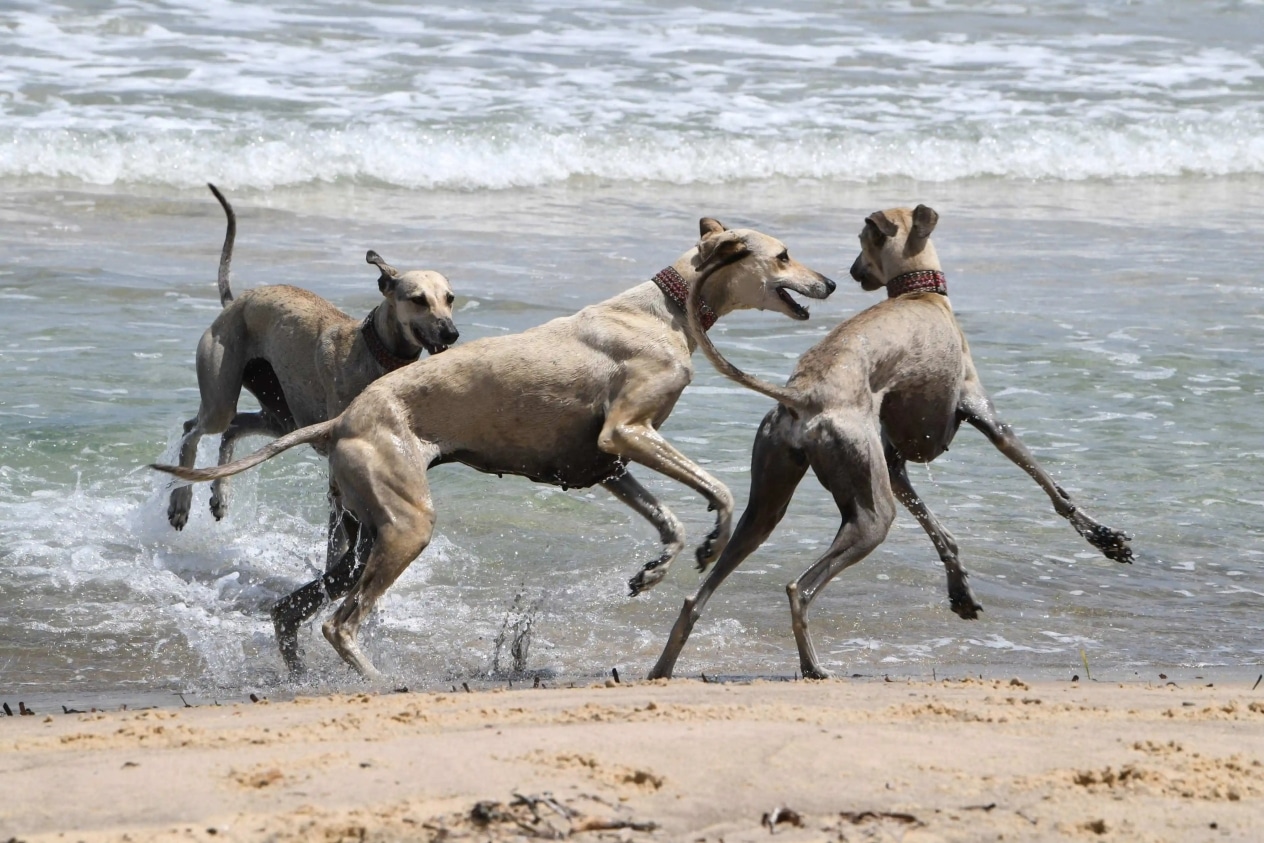
9. Slugi — Morocco and other North African countries
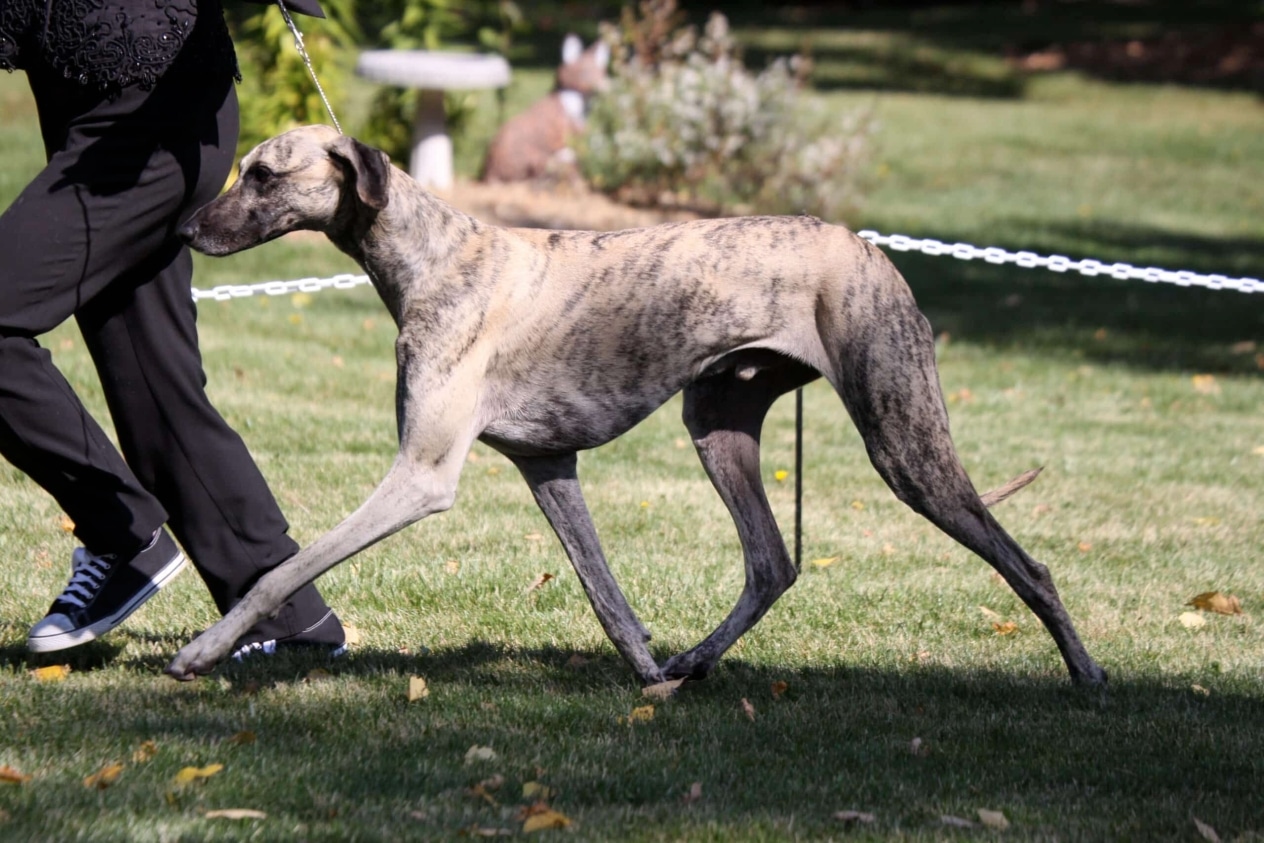
The Slugi is a slender, short-haired sighthound with long legs and understated, natural beauty. Its history is tied to North Africa, specifically Morocco, Algeria, Tunisia, and Libya.
For generations, these dogs have been prized for their hunting abilities, speed, agility, and endurance. Their build has almost no details that distract from the essentials: everything is geared toward movement.
Despite its long history, the Slugi remains a rare breed, and its preservation is overseen by specialized clubs. It deserves a closer look, for behind the outward similarities of various sighthounds lie distinct traditions, living conditions, and centuries of human interaction.
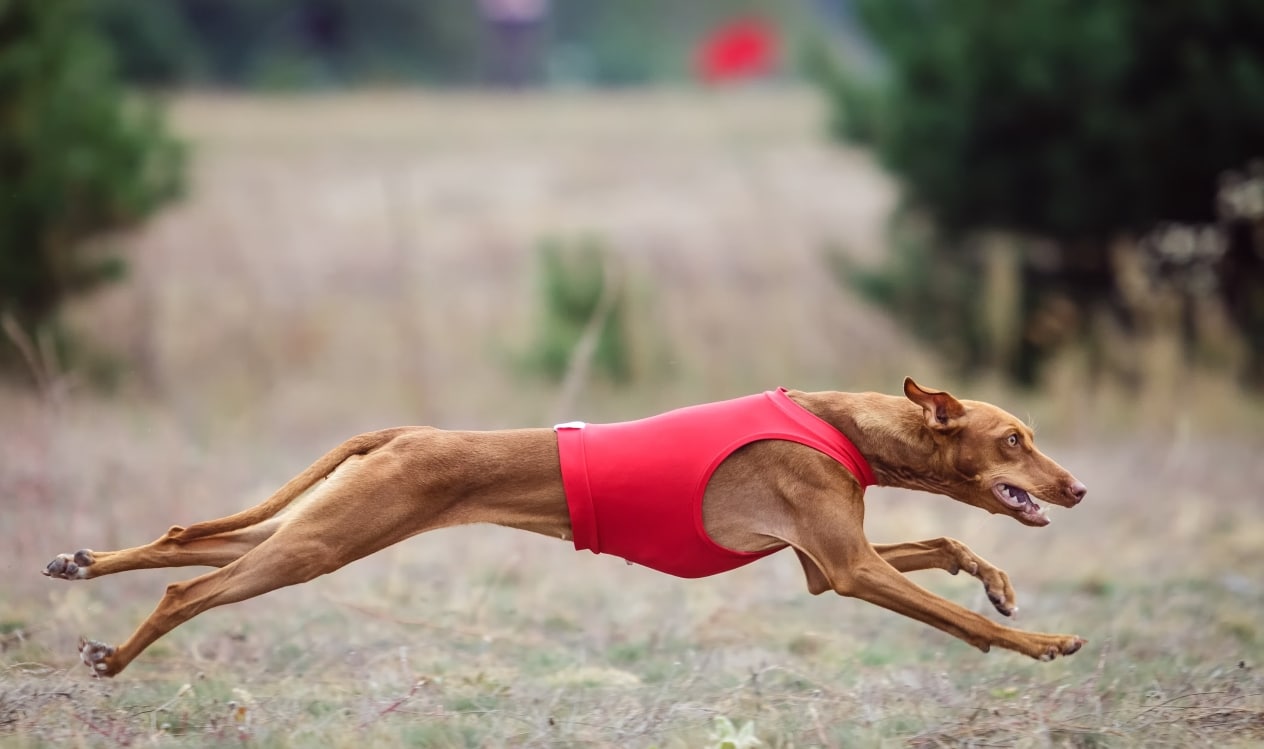
10. Cirneco dell’Etna — Italy
With large erect ears, a light-boned body, and a short coat in warm hues, the Cirneco dell’Etna has such a distinctive appearance that it’s hard to confuse it with most familiar breeds. This small hunting dog originates from Sicily. Its name includes “Etna”—the volcano—whose surrounding area is linked to the breed’s history. On the island, the Cirneco was used for hunting rabbits.
Outside of Italy, the breed remains rare. The work of enthusiasts has greatly contributed to its preservation and popularization. Thanks to them, today you can see a dog that embodies both the character of the Sicilian landscape and the island’s ancient hunting traditions.
What Makes These Breeds Special
Behind each of them lies a world of its own: the cold Norwegian cliffs, Hungarian pastures, Japanese mountains, African plains, or the slopes of a Sicilian volcano. The shape of their paws, coat texture, build, and working abilities help us understand how these dogs lived and why people valued them.
A rare breed can captivate you from the very first photo. However, before bringing such a dog into your family, it’s worth learning much more about it: how much exercise it needs, how it learns, what kind of care it requires, and whether its temperament suits your lifestyle.
And for that first encounter, curiosity is enough. Perhaps the next time you’re at a dog show or out for a walk, you’ll spot an unusual dog—and you’ll already know the story behind it.