Scandinavia has given the world dogs that were valued above all for their abilities. They herded livestock, assisted in hunting, guarded farms, and lived alongside people, adapting to their way of life. That is why behind the attractive appearance of Scandinavian breeds often lie independence, intelligence, and remarkable work ethic.
Let’s get to know three breeds from Norway, Sweden, and Denmark—each of which has something surprising to offer.
1. Norwegian Elkhound
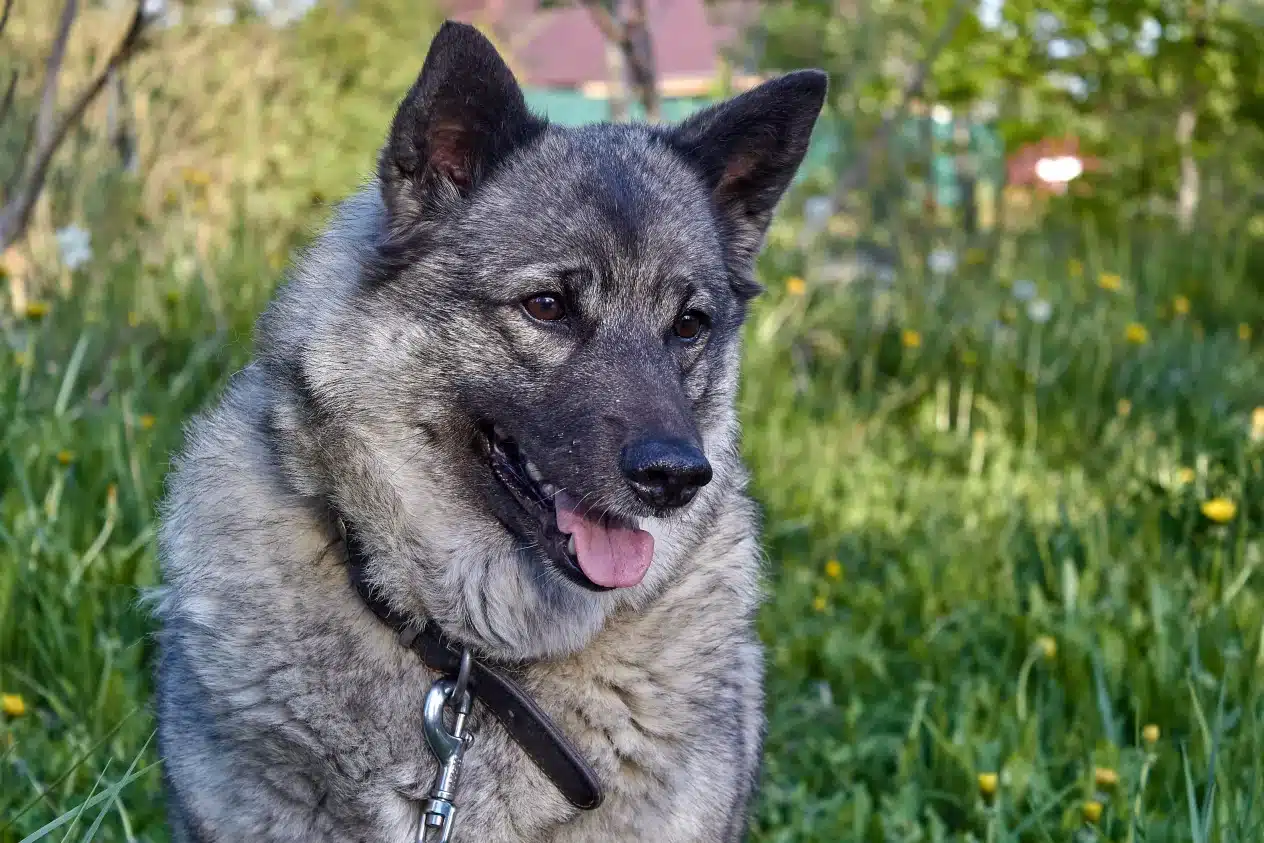
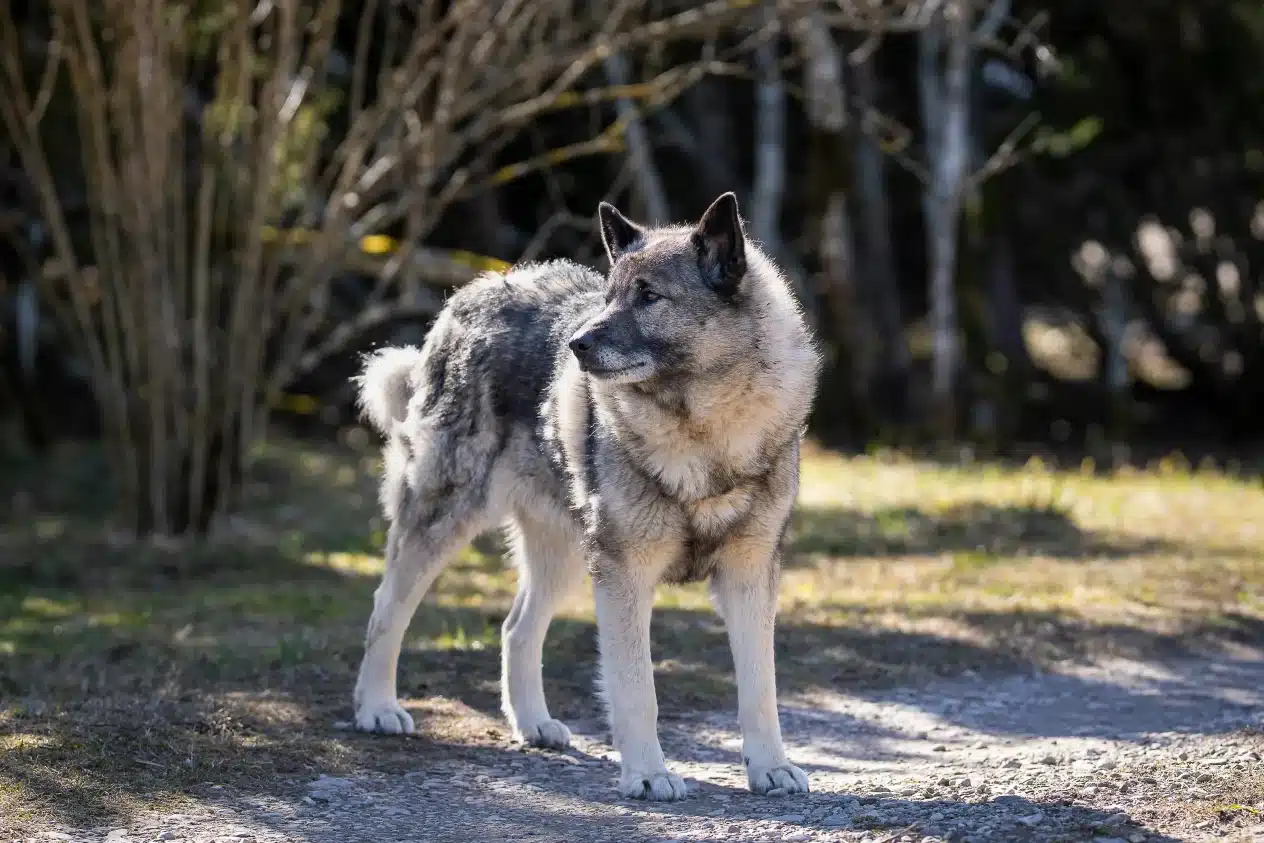
Its silvery-gray coat, pointed ears, sturdy build, and tail curled over its back make the Elkhound instantly recognizable. Its appearance reflects the wild northern wilderness, while its temperament is marked by boldness and independence.
This breed was used for hunting large game, particularly moose. The work required endurance, alertness, and the ability to make decisions independently. These traits have been preserved in modern dogs: the Elkhound eagerly interacts with people but has its own opinion about what’s going on around it.
For a companion like this, a walk is an opportunity to explore the world. It needs exercise, interesting routes, and activities that engage its sense of smell. Its thick double coat also requires attention, especially during shedding season: regular brushing helps remove dead undercoat.
2. Swedish Vallhund
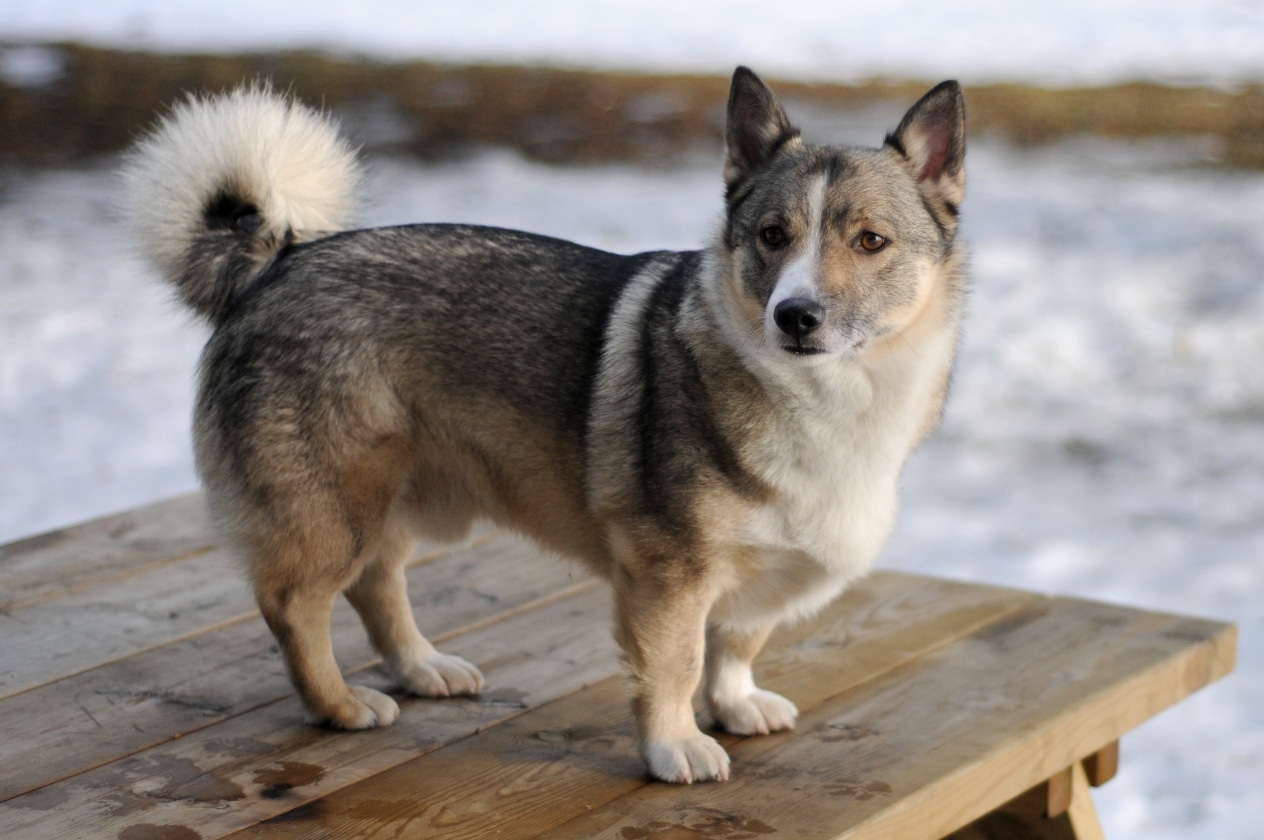
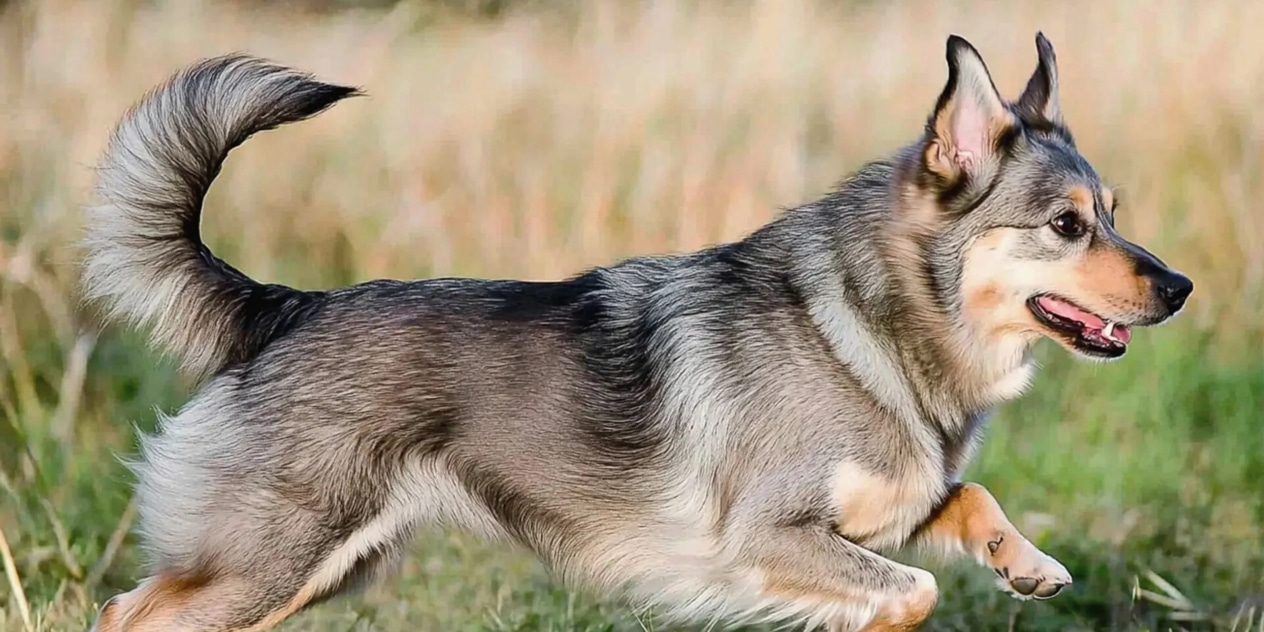
When you see a Valhund, it’s easy to think of a Corgi: its elongated body, short legs, and large, erect ears create a familiar silhouette. However, this is a distinct Swedish breed with its own history. Its name means “shepherd dog,” and helping with livestock was one of the main tasks of these small workers.
The Valhund’s compact build can be misleading. It is an energetic, alert, and courageous dog that loves to be part of family life. It can be an affectionate companion while also keeping a close eye on everything happening around it. It has a voice, too—and it knows how to use it.
The Valhund needs regular walks, training, and interactive play. Its small paws don’t mean it needs less activity: this breed’s working heritage should be taken into account even in city life.
3. Danish-Swedish Farm Dog
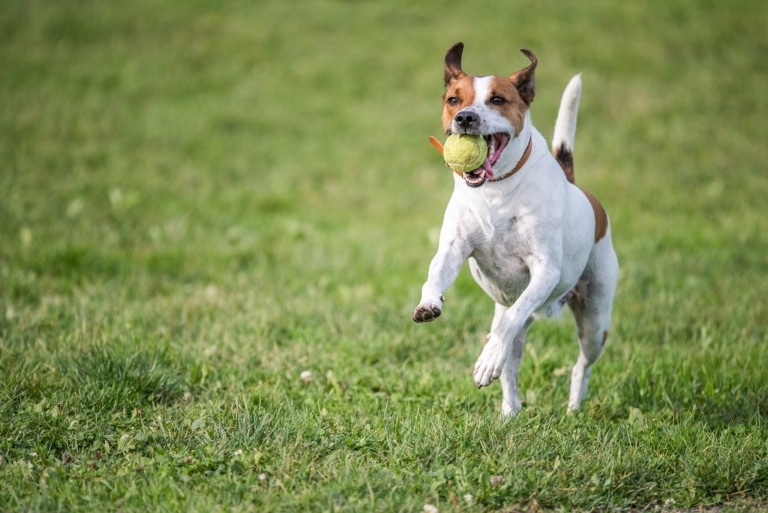
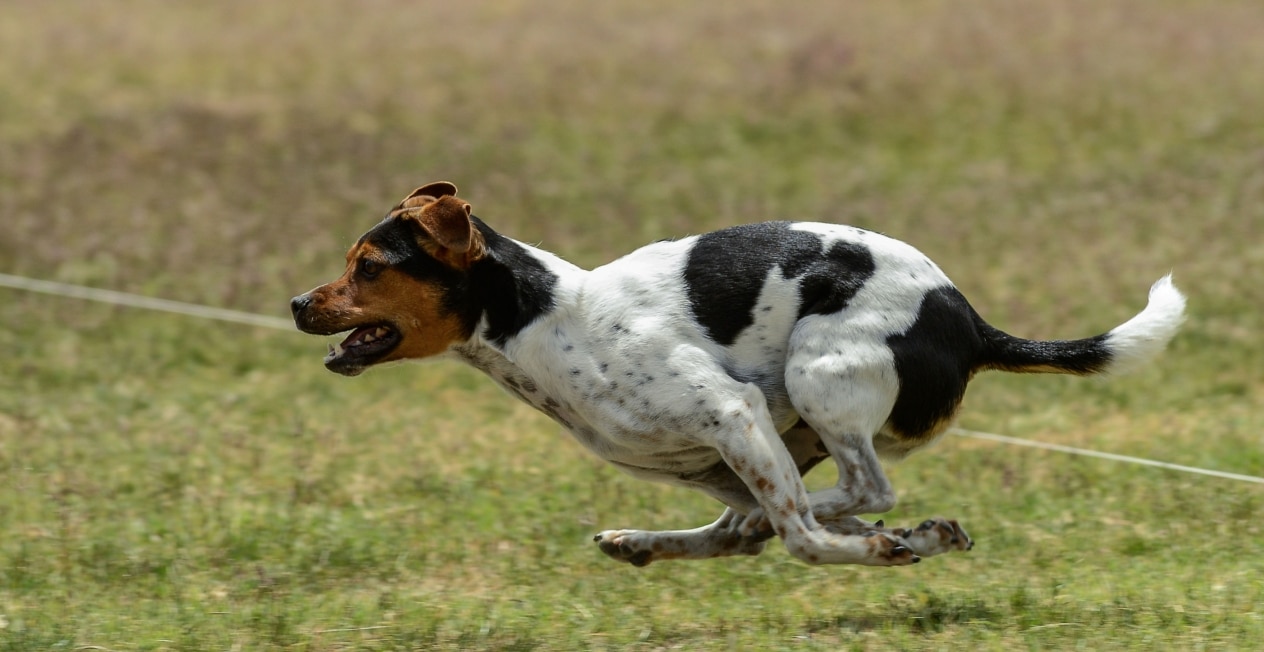
A Scandinavian dog doesn’t necessarily have a fluffy coat. This breed is short-haired, compact, and predominantly white with colored markings. Its history is tied to farms in Denmark and southern Sweden, where an agile helper was needed for various daily tasks.
Farm dogs caught rodents, alerted their owners to strangers, and served as family companions. This versatility is reflected in their temperament: they are lively, attentive, easy to train, and eager to interact with people.
Their short, smooth coat is relatively easy to care for, but the dog itself needs meaningful activities. Walks, search games, and learning commands help channel its energy and curiosity.
Conclusion
These three breeds demonstrate just how diverse Scandinavian dogs can be. The Elkhound embodies the endurance of a hunter, the Valhund the zeal of a herder, and the Danish-Swedish Farm Dog the resourcefulness of a versatile helper. When choosing a companion like this, it’s important to fall in love not only with its appearance but also with the lifestyle that will allow its personality to flourish.