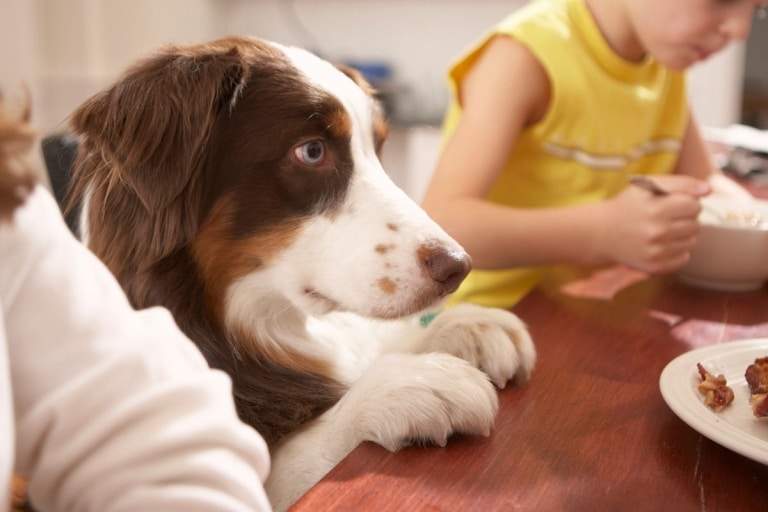
The cat is watching your fork intently, and the dog has already rested his head on your lap and is looking at you as if he hasn’t eaten in ages. It’s hard to resist. “One little bite won’t hurt,” we think, and share our dinner.
However, food that’s safe for humans isn’t always safe for their pets. This is especially true for ready-made meals containing sauces, seasonings, high amounts of fat, or hidden ingredients. Let’s take a closer look at why it’s worth breaking the habit of feeding your pet from the table.
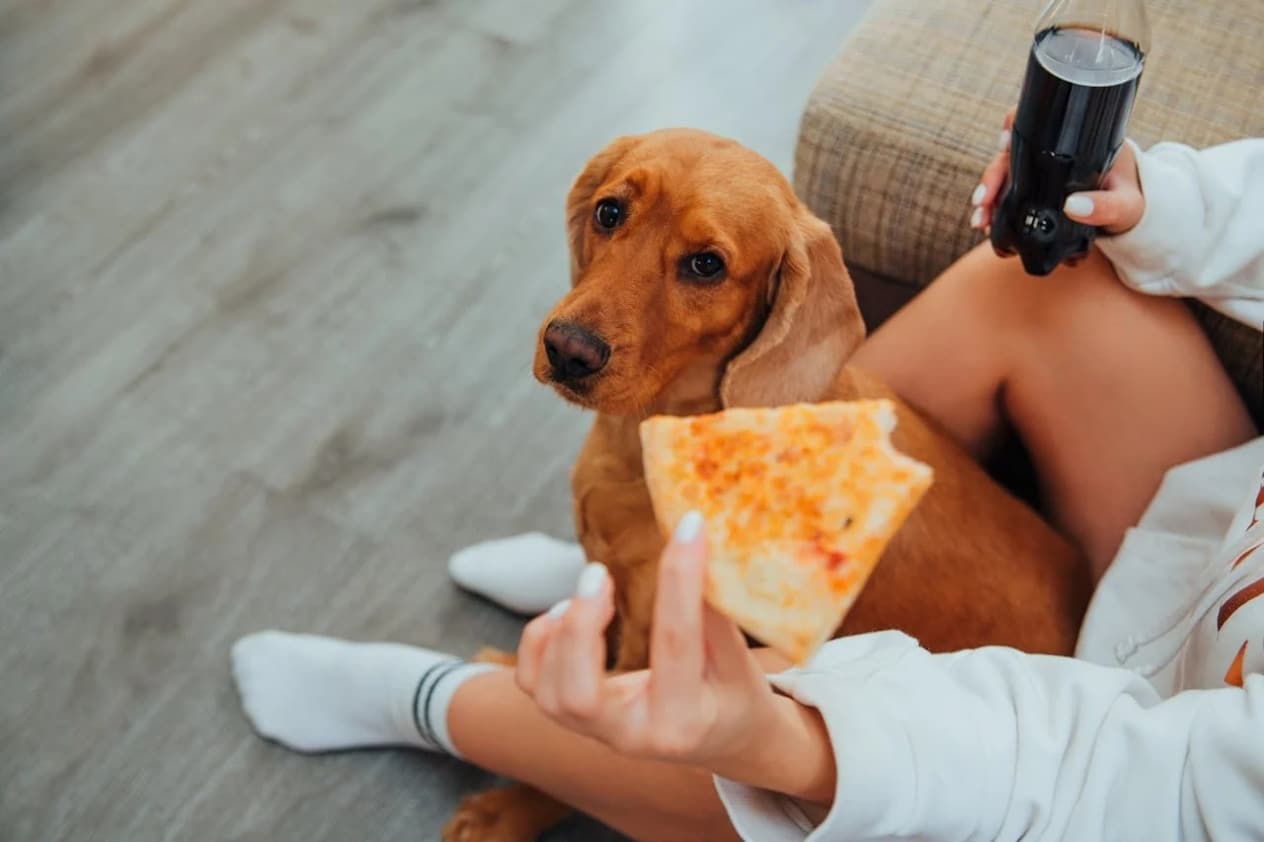
Our food may contain dangerous ingredients
To us, a piece of cutlet is mostly meat. But it may also contain onions, garlic, spices, and other additives. When we give our pet a ready-made meal, they consume all of its components—not just the part we think is healthy.
Onions and garlic are toxic to cats and dogs. Chocolate is also dangerous for both species, and grapes and raisins can cause severe poisoning in dogs. A separate risk for dogs is xylitol, a sweetener found in chewing gum, sugar-free candies, and some other products.
Fatty meat trimmings, roasted poultry skin, and leftover rich sauces are also not suitable treats. They can cause digestive upset and, in dogs, trigger pancreatitis—a painful inflammation of the pancreas. Bones after a meal pose another danger: they can get stuck or injure the digestive tract.
If your pet has eaten a potentially toxic food, contact your veterinarian immediately, without waiting for symptoms to appear. Let them know exactly what the animal ate, the approximate amount, and the time it happened.
Small pieces can quietly add up to an excess in their diet
A little cheese for breakfast, a slice of sausage during the day, leftovers from dinner in the evening—each treat seems like a small thing. Especially if several family members are feeding them at once and no one is keeping track of the total amount.
However, these extra calories do matter. If a pet eats its usual portion and regularly receives food from the table, this can lead to weight gain. And when treats replace a balanced diet, the nutritional balance is disrupted. A general guideline for healthy cats and dogs is no more than 10% of their daily caloric intake for all treats and additional foods combined. This is an upper limit, not a mandatory daily amount. For pets on a therapeutic diet, permissible treats should be discussed with your veterinarian.
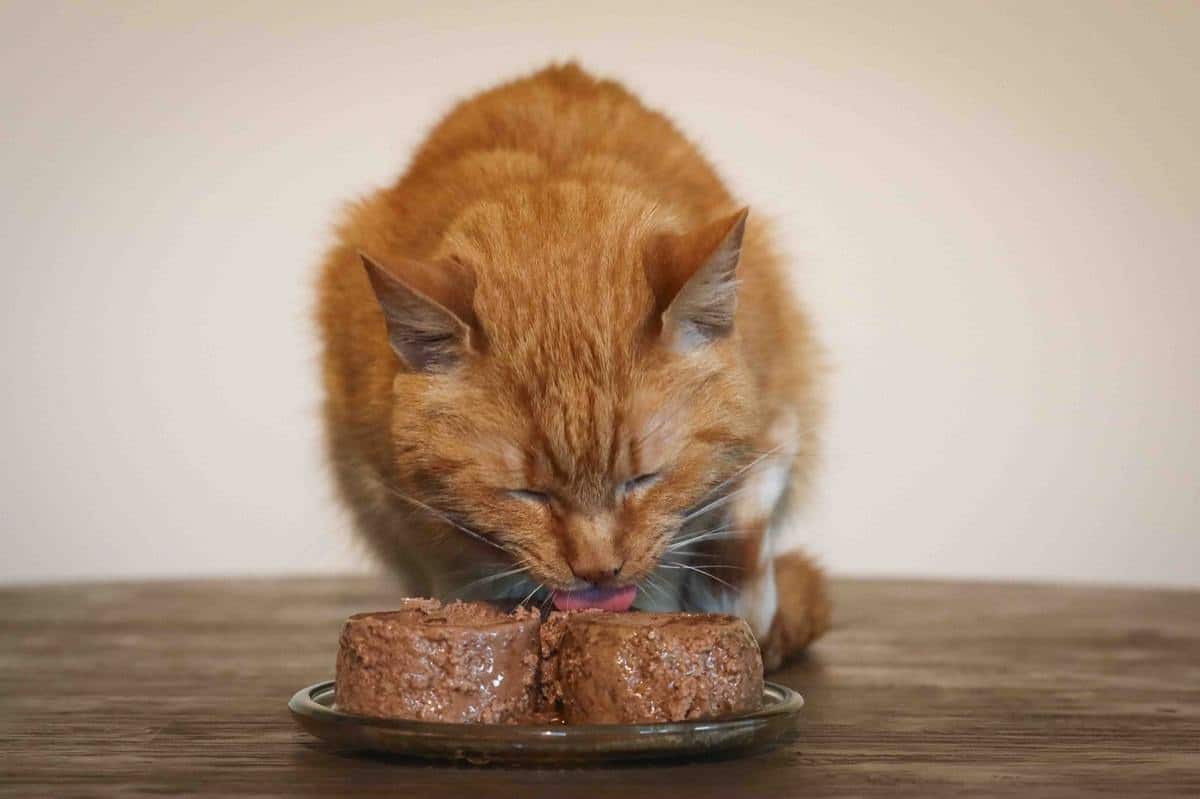
It’s better to plan treats rather than give them in response to begging
If, after a persistent stare, a meow, or a paw tap, the pet receives a treat, it learns that such behavior gets results. That’s why it’s important for everyone at home to follow the same rules. Otherwise, your pet will quickly figure out who’s the most generous at the table.
At the same time, not every food from our kitchen is off-limits. For example, a small amount of plain, lean meat—cooked without bones, skin, sauces, or seasonings—may be suitable for many healthy pets. What matters are the ingredients, portion size, and individual dietary restrictions.
A convenient option is to set aside part of their daily food portion in advance and use it as a treat. This makes it easier to control their diet and avoid adding random foods. Love for your pet isn’t measured by the number of bites from your plate. Playing together, giving them your attention, and offering thoughtful treats will do them more good than the leftovers from our dinner.