
Has your dog suddenly stopped greeting you at the door, stopped bringing you your favorite toy, and stopped looking at the leash with the same enthusiasm as before? Sometimes owners attribute this behavior to a bad mood or laziness. However, dogs can indeed experience emotional lows, especially after a loss, severe stress, or major changes in their routine. At the same time, similar signs can be caused by pain or illness, so you shouldn’t rush to make a “home diagnosis.”

How can you tell if your dog is going through a difficult time?
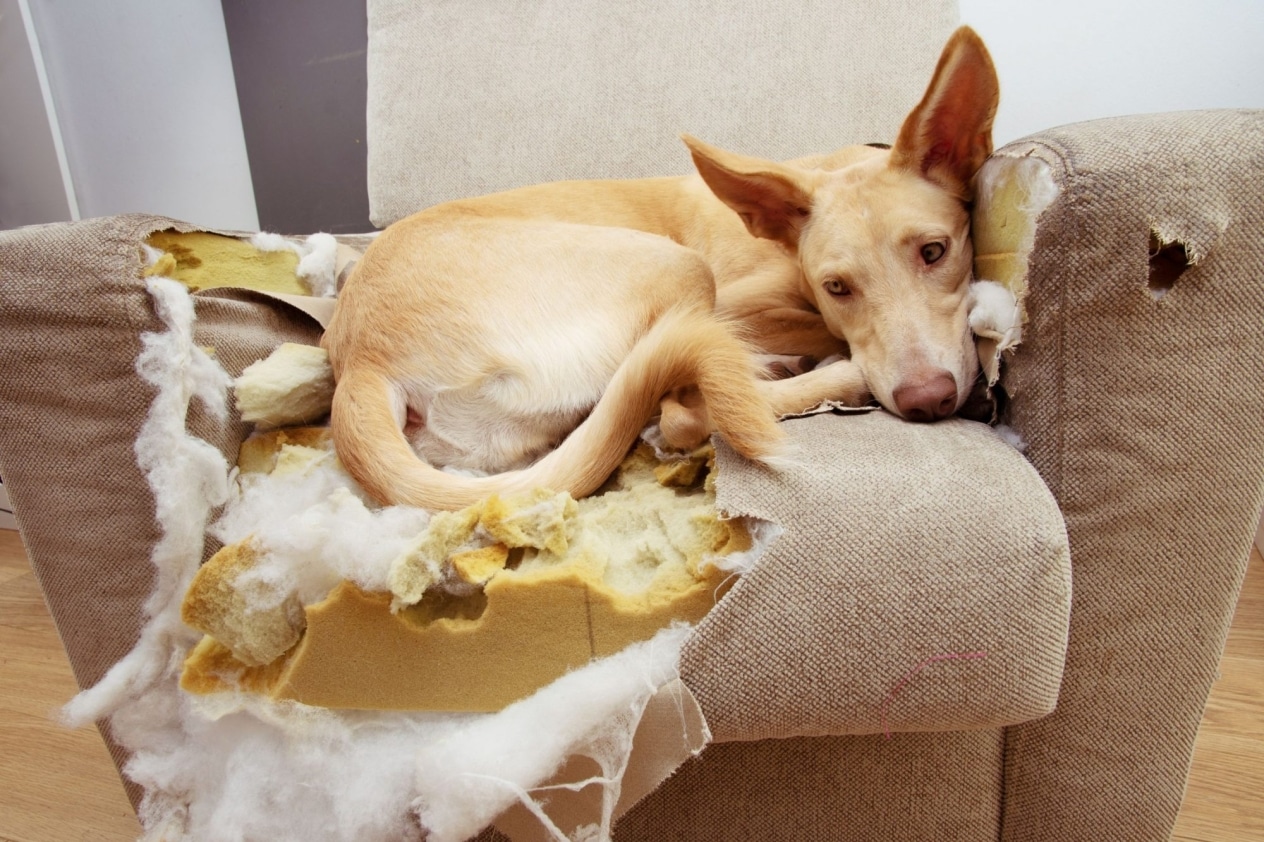
The most noticeable sign is a change in their usual behavior. An active dog may lose interest in play, sleep more often, move more slowly, or avoid social interaction. Some dogs lose their appetite, don’t want to go for walks, or lose interest in things that used to bring them joy.
Sometimes the opposite happens: your pet becomes restless, constantly follows you around, whines, or can’t seem to settle down. It’s especially important to pay attention not to a single behavior but to a combination of unusual changes that persist for several days.
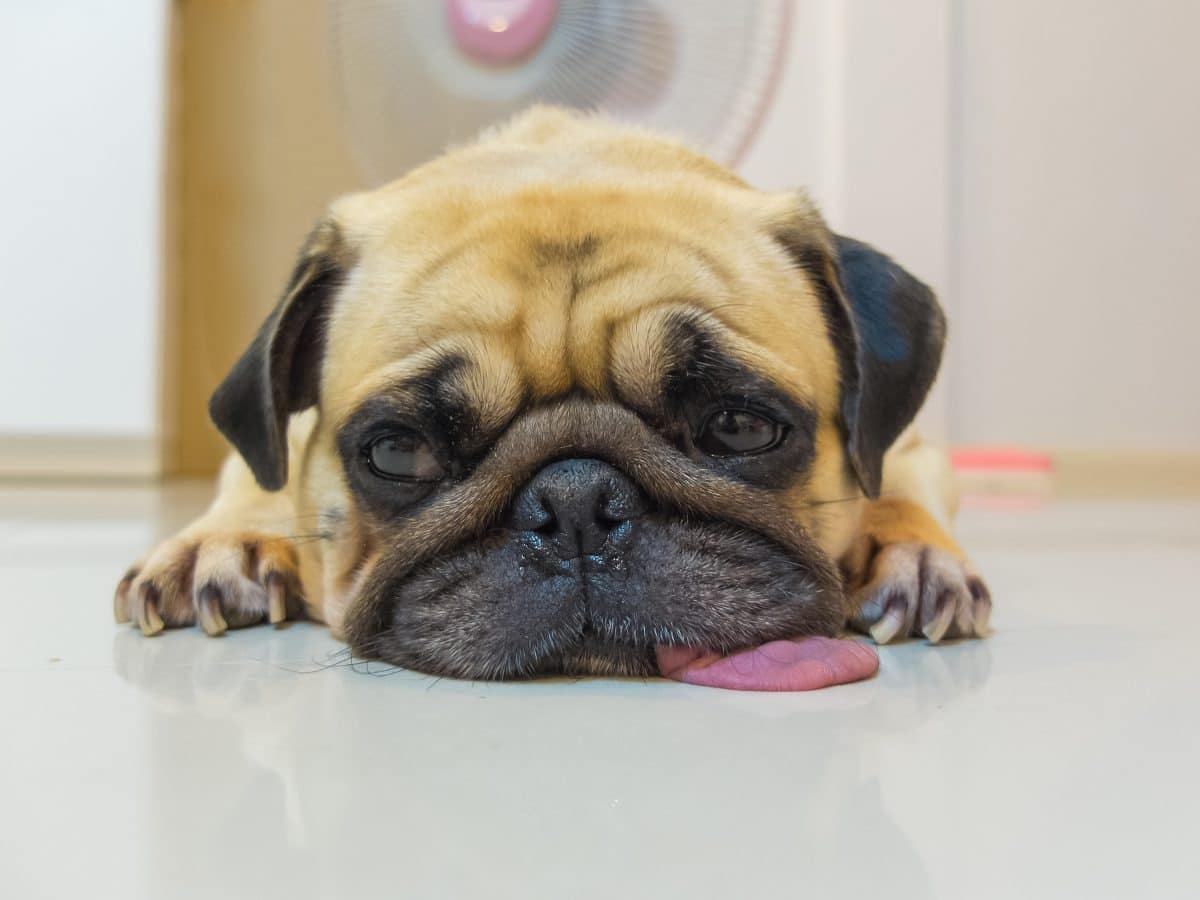
Why might a dog be sad?
The cause is often an event that a person would also find painful: the death of an owner or another animal, a move, the arrival of a new family member, a sudden change in routine, or prolonged loneliness. After losing a companion, dogs may eat less, refuse to play, sleep more, and act depressed.
Even a change in the owner’s work schedule can affect the dog if they previously spent significantly more time together. But the cause isn’t always emotional. Lethargy, reluctance to move, and a loss of interest in play can be signs of pain or physical illness. That’s why a sudden change in behavior should first be discussed with a veterinarian.

How can you help your faithful friend regain their zest for life?
Start with a consistent routine. Feeding, walks, sleep, and play at roughly the same times each day restore a sense of predictability. Introduce new walking routes, short exercise sessions, search-and-find games, and calm interaction. There’s no need to force your dog to have fun—it’s better to gently suggest activities and praise them even for the slightest sign of interest.
Give your pet more attention, but don’t let anxious or passive behavior become the only way to get it. It’s better to invite your dog to interact during calm moments, play with them, and maintain your usual household rules.
If the condition doesn’t improve, the dog refuses to eat, loses weight noticeably, has trouble sleeping, or behaves as if in pain, a veterinary examination is necessary. Once physical causes have been ruled out, the veterinarian may recommend consulting a veterinary behaviorist and developing a personalized treatment plan.

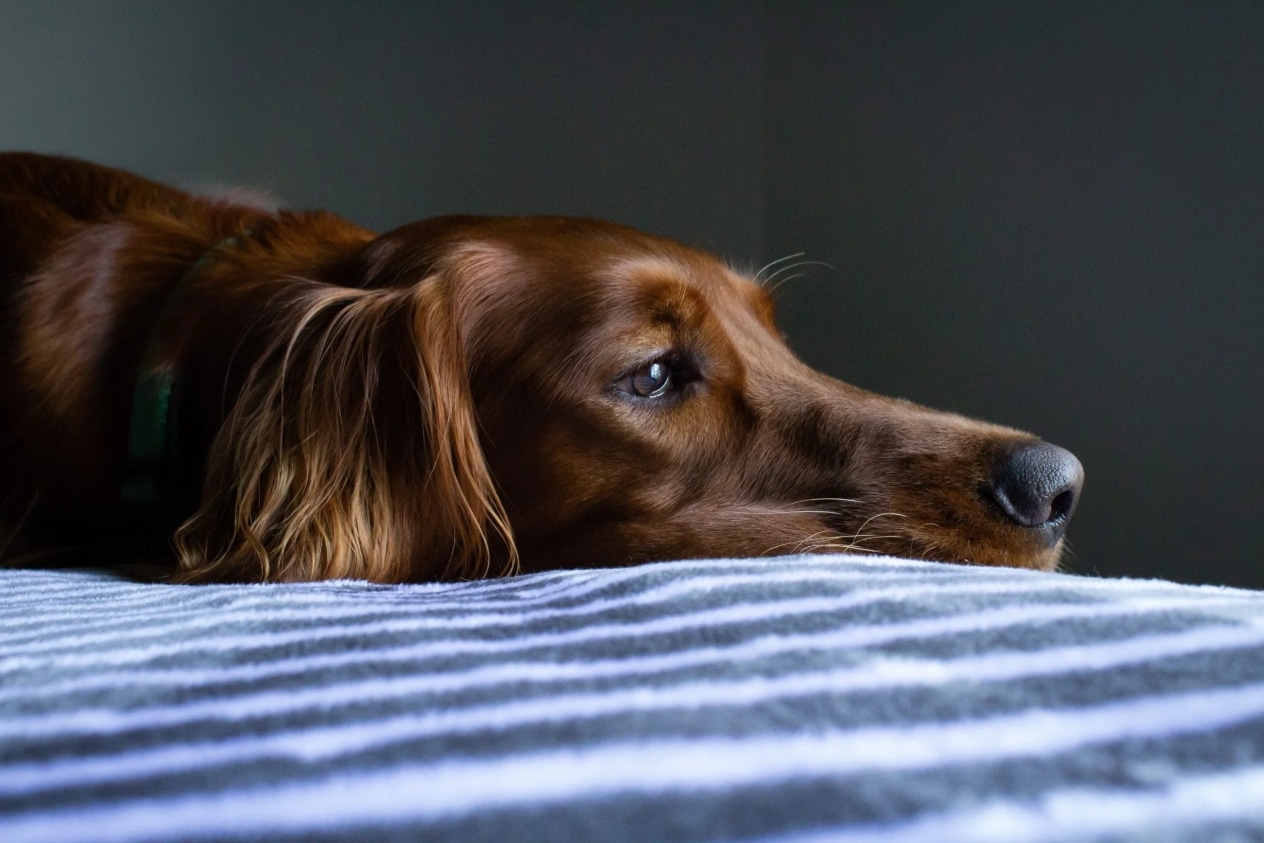

Conclusion
Dogs can also be deeply affected by loss, loneliness, and major changes. The owner’s attentiveness, a consistent routine, shared activities, and timely checkups will help identify the true cause of the changes and restore your pet’s usual joy.