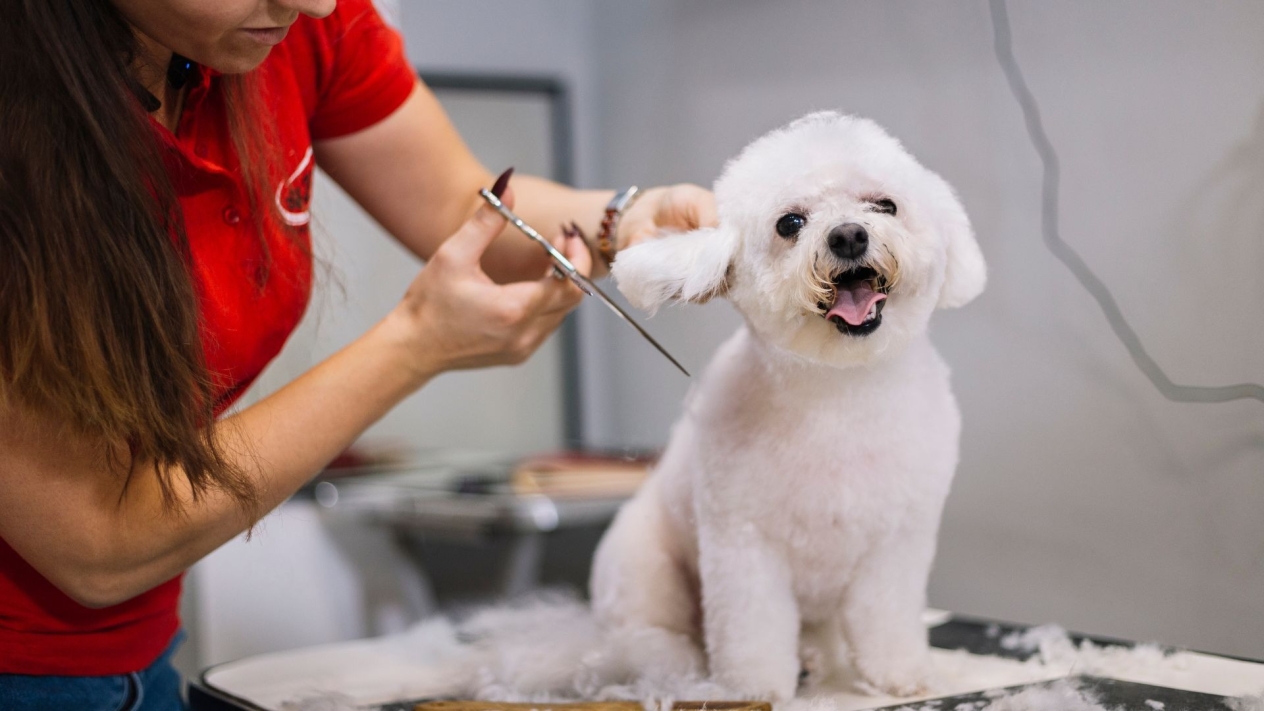
A groomer’s professionalism is determined not only by the quality of the haircut, but also by the ability to stop at the right time. Sometimes continuing the grooming causes the animal excessive stress, pain, or the risk of injury. In such situations, the pet’s safety and well-being should take precedence over a fully completed procedure or a perfect appearance.
1. When the pet’s stress continues to increase
A little nervousness at the start of the procedure is natural, especially if the animal is visiting the salon for the first time or isn’t used to the blow dryer, clippers, or having its paws touched. In this case, the groomer can reduce the intensity of the blow-dry, take a break, reposition the animal, or move on to a calmer stage. However, if the pet’s condition does not improve afterward and the stress only increases, the procedure should be shortened or stopped.
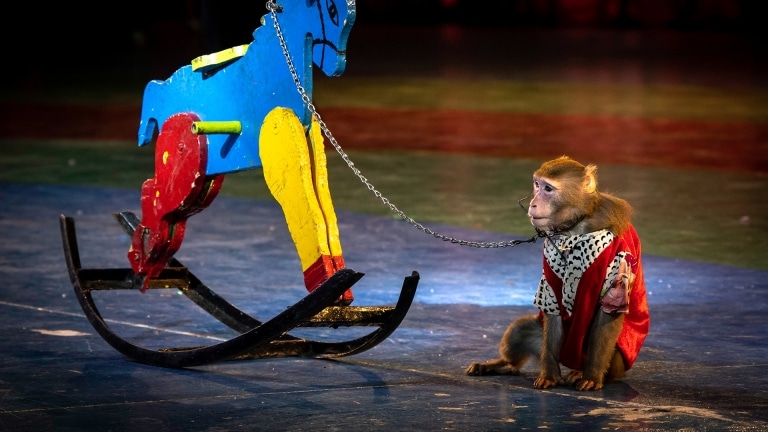
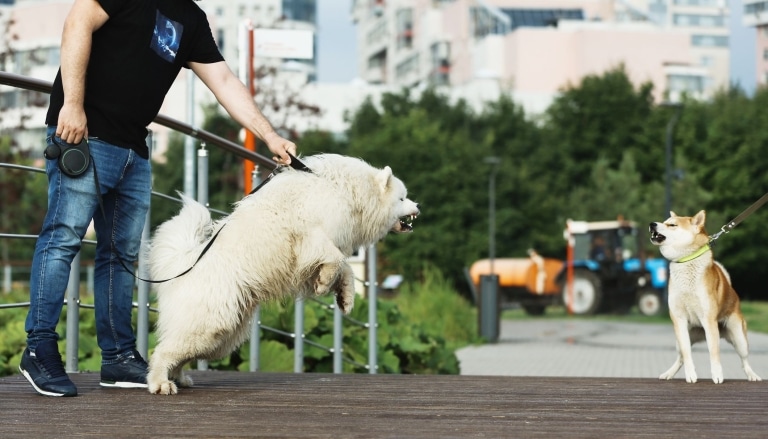
Severe stress can manifest as constant attempts to escape, trembling, heavy breathing, growling, hissing, sudden movements, or defensive biting. It’s important to remember that freezing doesn’t always mean calm: sometimes an animal is so frightened that it stops actively resisting. Forcing the grooming to continue can worsen the animal’s condition, increase the risk of injury, and create an even greater fear of future visits.
In such a situation, the right decision is to perform only the absolute minimum and end the procedure. If necessary, grooming can be divided into several shorter visits to gradually acclimate the animal to the salon and the individual stages of care.
2. When Signs of Pain or Deteriorating Well-Being Appear
The procedure must be stopped immediately if the animal suddenly begins to react painfully to touch, loses its balance, becomes lethargic, disoriented, or behaves differently than at the start of the visit. Particular attention should be paid to labored or excessively rapid breathing, weakness, vomiting, severe overheating, seizures, falling, or loss of consciousness. In such cases, you must not continue grooming—you should notify the owner and recommend seeking veterinary care as soon as possible.
A sudden aggressive or defensive reaction may also be caused not only by fear but also by physical discomfort. For example, an elderly dog may not allow you to touch its paws or back due to joint pain, while an animal with skin irritation may react sharply to having a specific area brushed. A groomer does not determine the cause of pain or make diagnoses, but should notice behavioral changes in a timely manner and not force the procedure to continue.
3. When It Is No Longer Safe to Continue
Even if the animal’s condition isn’t an emergency, the groomer must stop working when continuing becomes dangerous. This can happen due to severe fatigue, constant sudden movements, the animal’s inability to stand for long periods, open wounds, painful areas of skin, or very matted fur that obscures the animal’s condition.
In such a situation, it is not necessary to complete the decorative styling, all the nail trims, or any other complex stage. Sometimes it is better to perform only the hygienically necessary part and postpone the rest for another day. If treating the problematic area is painful or requires anesthesia or sedation, it must be performed at a veterinary clinic under a veterinarian’s supervision, not at a regular grooming salon.
After the procedure is completed, the owner should be calmly explained exactly what could not be finished and why. This decision should not be presented as a failure on the groomer’s part. On the contrary, it demonstrates a professional approach, as a good groomer does not operate on the principle of “finishing at any cost.”