Dogs do not plan revenge or hold grudges the way humans do. However, some breeds have a very sensitive disposition, form strong bonds with their owners, and remember unpleasant experiences well. After being yelled at, punished, or ignored for a long time, they may avoid contact, fail to come when called, pointedly turn away, or lose the desire to obey commands.
Most often, this behavior isn’t a sign of stubbornness, but rather of stress, fear, or a loss of trust. Here are six breeds with which it’s especially important to be calm and consistent.
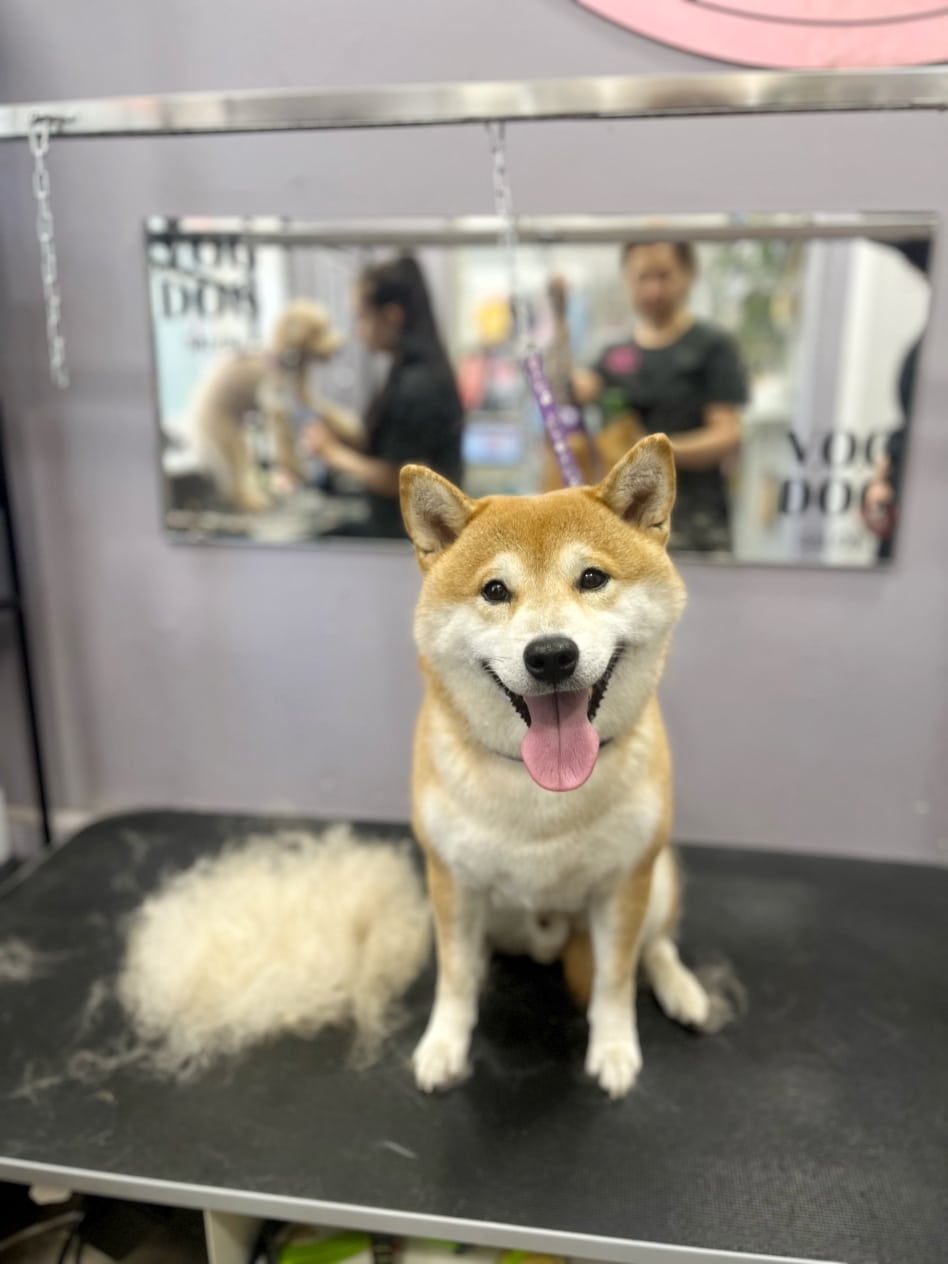
1. Shiba Inu
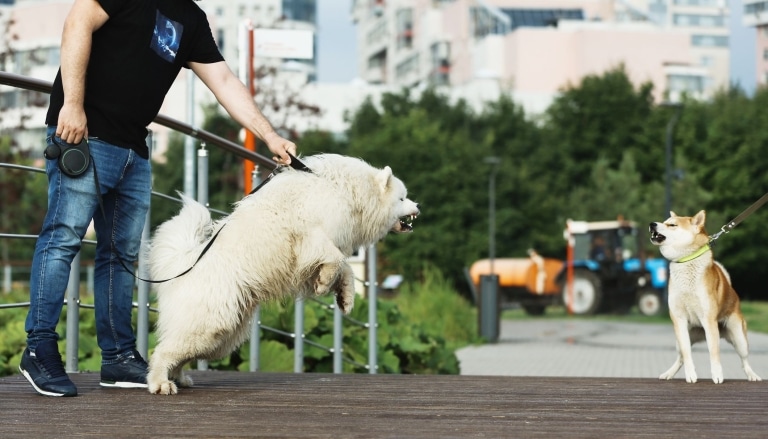
The Shiba Inu is known for its independence, reserve, and self-confidence. Dogs of this breed do not always seek to please people and often decide on their own whether to obey a command. The Shiba is particularly sensitive to harsh treatment. After being yelled at or physically punished, a Shiba may refuse to interact, keep its distance, and withhold its usual trust for a long time. It’s practically impossible to force it to do something—this will only worsen the relationship. Calm training, clear rules, and positive reinforcement work best with the Shiba Inu. It’s important for the owner to earn the dog’s respect rather than trying to subdue it through pressure.
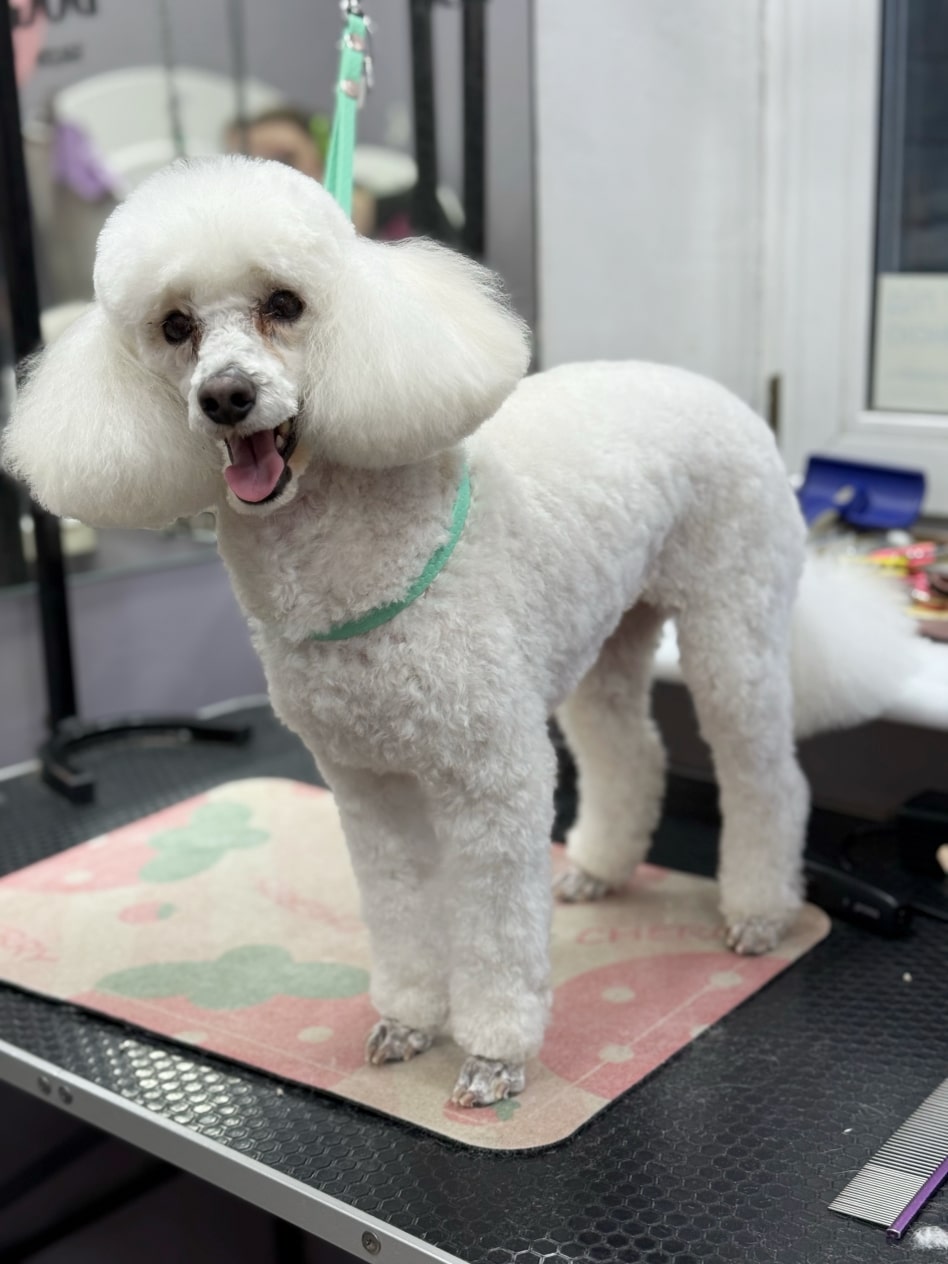
2. Poodle — intelligent and extremely sensitive
Poodles learn quickly, understand tone of voice well, and closely monitor a person’s mood. It is precisely their high intelligence that makes them very sensitive to unfair treatment. If an owner scolds a Poodle harshly, ignores it, or constantly changes the rules, the dog may become anxious, withdrawn, or less active. After an unpleasant experience, some Poodles will avoid a specific person or situation they associate with fear. This breed requires gentle but consistent training. Poodles learn more effectively through praise, play, and encouragement than through punishment.
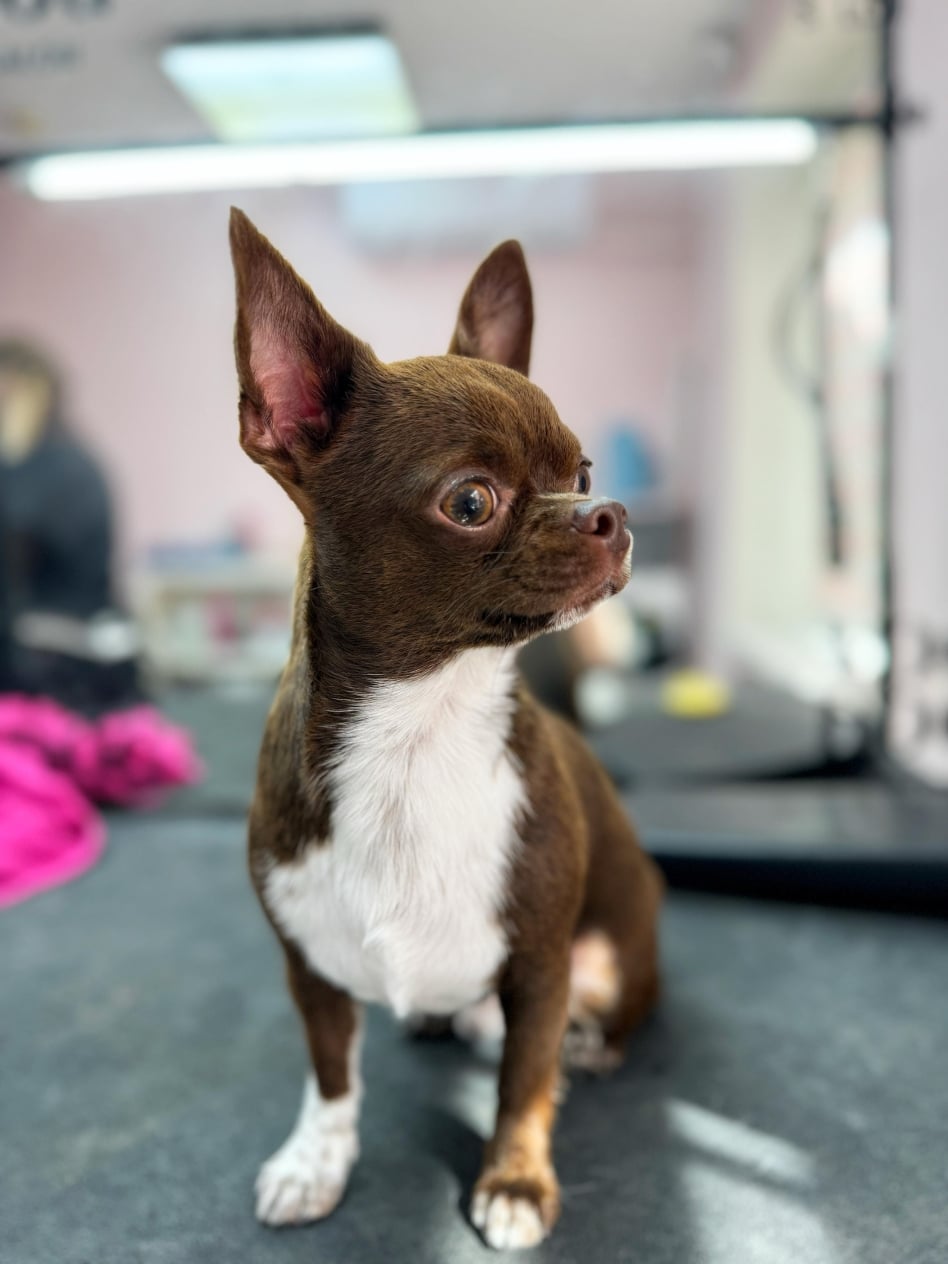
3. Chihuahua — a small dog with big emotions
Chihuahuas form strong bonds with their owners and can react painfully to a lack of attention. They are often jealous, dislike being ignored, and remember people who have treated them roughly. After an unpleasant situation, a Chihuahua may hide, avoid being picked up, growl, or refuse to be touched. Because of their small size, people often don’t take these signals seriously, but for the dog, this is a way to protect itself. It’s important not to tease a Chihuahua, not to pull it by force, and not to punish it for being afraid. Gentle socialization and respect for its personal space help make the dog more confident.
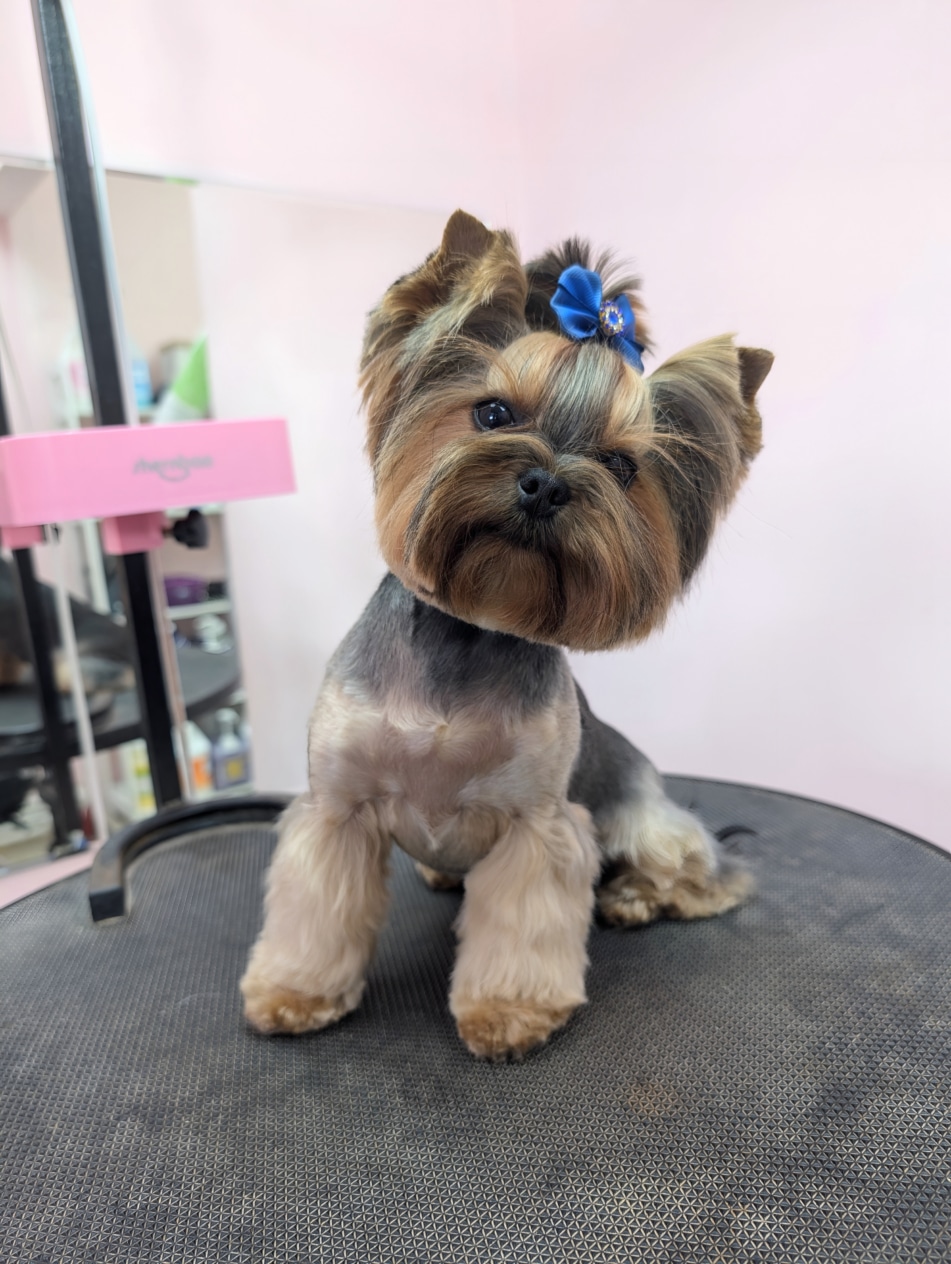
4. Yorkshire Terrier — Emotional and Attached to People
Yorkshire Terriers often choose one family member to whom they become particularly attached. They want to be close by, participate in household activities, and receive plenty of attention. Prolonged loneliness, abrupt rejection, or harsh punishment can cause stress in a Yorkie. It may become less sociable, deliberately avoid its owner, or act restlessly. Despite its delicate appearance, the Yorkie remains a terrier with a strong personality. It needs clear rules, but these should be established without yelling or intimidation.
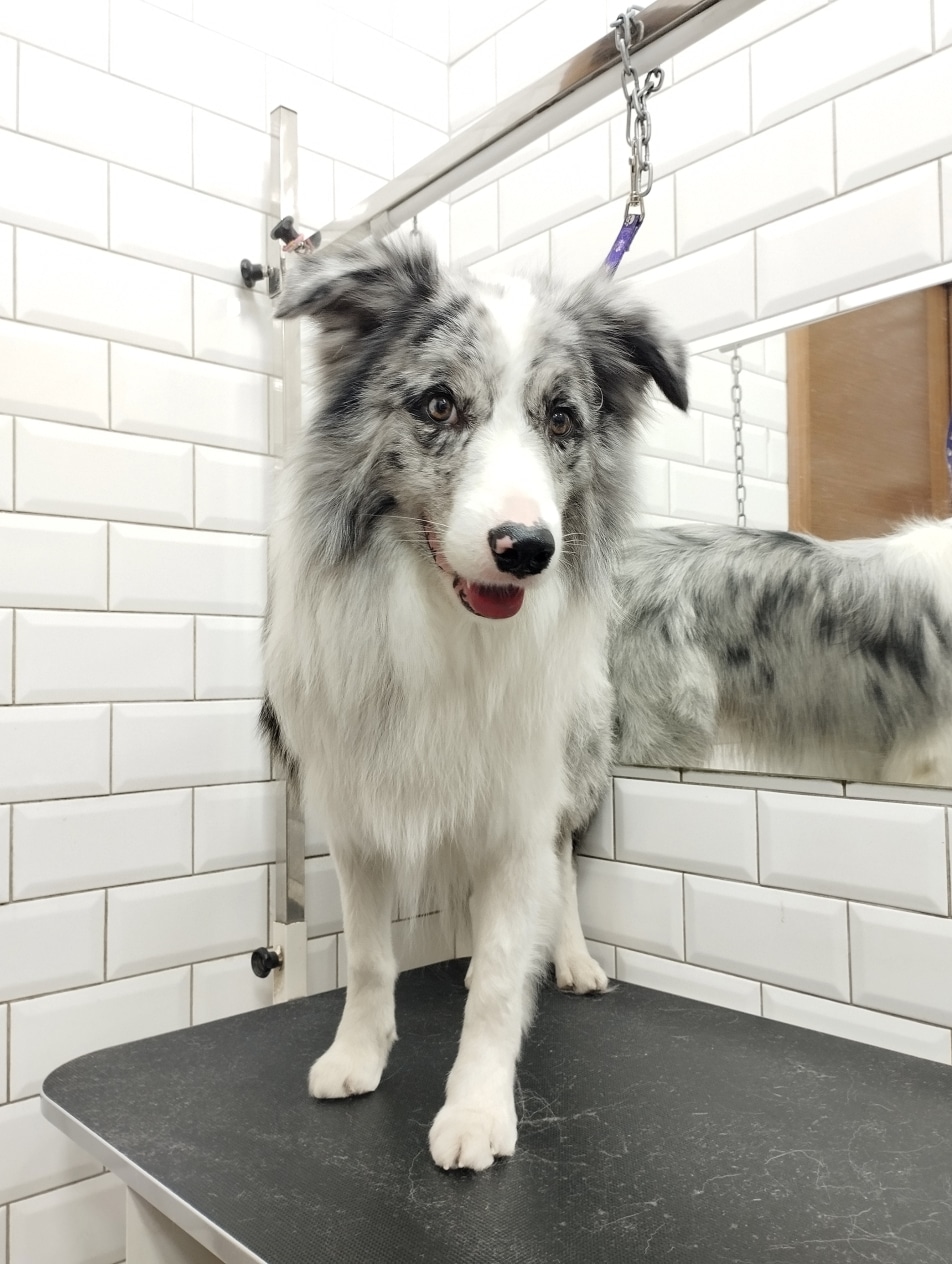
5. Border Collie — Very Intelligent and Sensitive
The Border Collie is considered one of the most intelligent dog breeds. It quickly learns not only commands but also its owner’s mistakes, intonations, and reactions. If a Border Collie is constantly criticized, overworked, or punished for failing to perform a task correctly, the dog may lose confidence. Some dogs of this breed begin to fear making mistakes, refuse to work, or exhibit excessive anxiety. Border Collies require patient training, regular mental stimulation, and fair treatment. It is especially important for this breed that the owner be consistent and predictable.
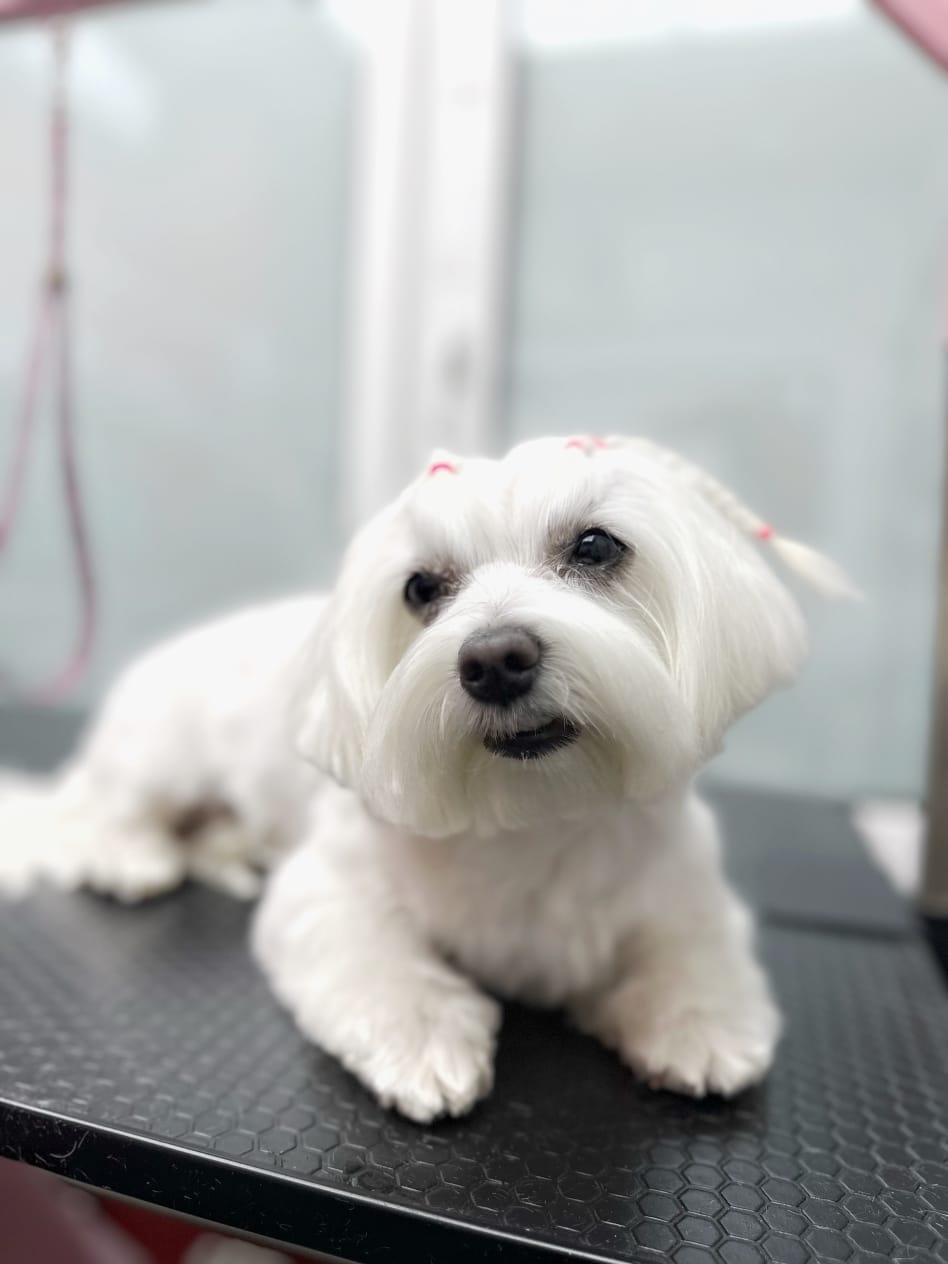
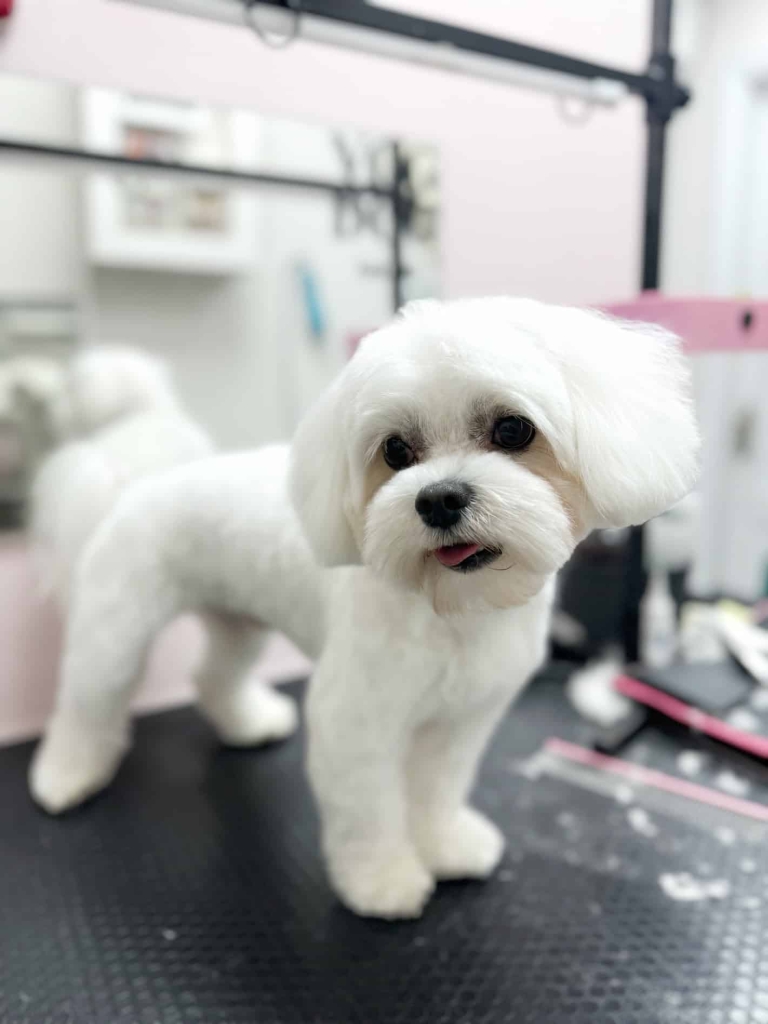
6. Maltese — Gentle and Attention-Seeking
Maltese dogs are bred for close interaction with people. They are very family-oriented, love to be around people, and can have a hard time dealing with loneliness. If a Maltese is frequently ignored, harshly scolded, or forced into contact, the dog may become timid and distrustful. It may avoid being touched, hide, or refuse to play. A Maltese needs gentle training, a predictable routine, and a gradual introduction to independence. Excessive strictness with this breed usually backfires.
How to tell if a dog has lost trust
After an unpleasant situation, the dog may turn its head away, lick its nose, yawn, lower its tail, avoid eye contact, or leave the room. Sometimes it refuses to play, won’t approach a person, or becomes tense when touched.
Don’t force your pet into a hug or demand immediate contact. It’s better to give them some space, remain calm, and gradually rebuild a positive bond through walks, play, and treats.
Conclusion
The dogs most often described as “offensive” are not the capricious ones, but rather the emotional and sensitive ones. Shiba Inus react painfully to pressure, Poodles and Border Collies to unfair treatment, and Chihuahuas, Yorkies, and Maltese to rudeness and a lack of attention.
Every dog’s personality is unique, so breed alone does not fully determine behavior. However, every dog needs respect, clear rules, and a safe environment. A dog’s trust is built gradually, and regaining it after being treated harshly can be much more difficult.