

Chicken eggs can be a healthy addition to the diets of cats and dogs. They contain protein, amino acids, fats, vitamins, and minerals. However, eggs should not replace a pet’s main diet, especially if the animal is fed a complete and balanced diet.
The safest option is a fully cooked egg without salt, oil, spices, or other additives.
Hard-boiled eggs
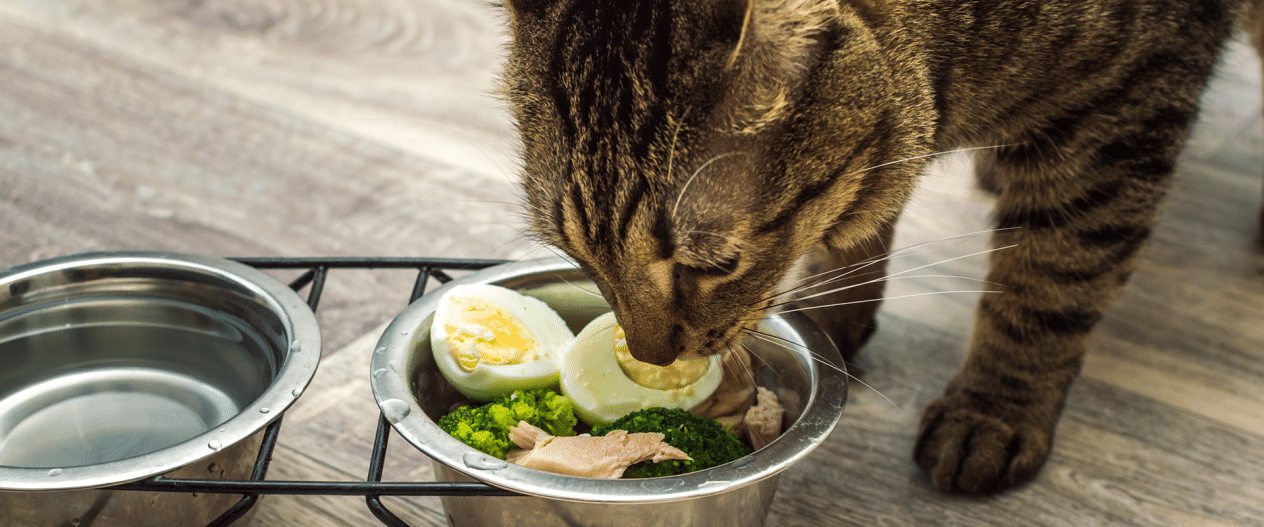
Boiled eggs can be given to cats and dogs in small amounts. Both the white and the yolk must be fully cooked. The egg should be cooled, peeled, and chopped. A small piece is sufficient for the first feeding. After that, monitor your pet for any signs of vomiting, diarrhea, itching, or skin redness.
Eggs do not need to be given every day. For cats and small dogs, a whole egg may be too large a portion, so it’s best to divide it into several servings.

Fried eggs
You shouldn’t feed your pets regular scrambled eggs with oil, salt, butter, cheese, sausage, or sauces. Such foods contain excess fat and calories and can cause digestive upset. Dishes containing onions or garlic are especially dangerous, as they are toxic to cats and dogs.
You can give them a small amount of egg cooked in a dry skillet without spices or fat. However, a hard-boiled egg remains the best choice.
Raw eggs
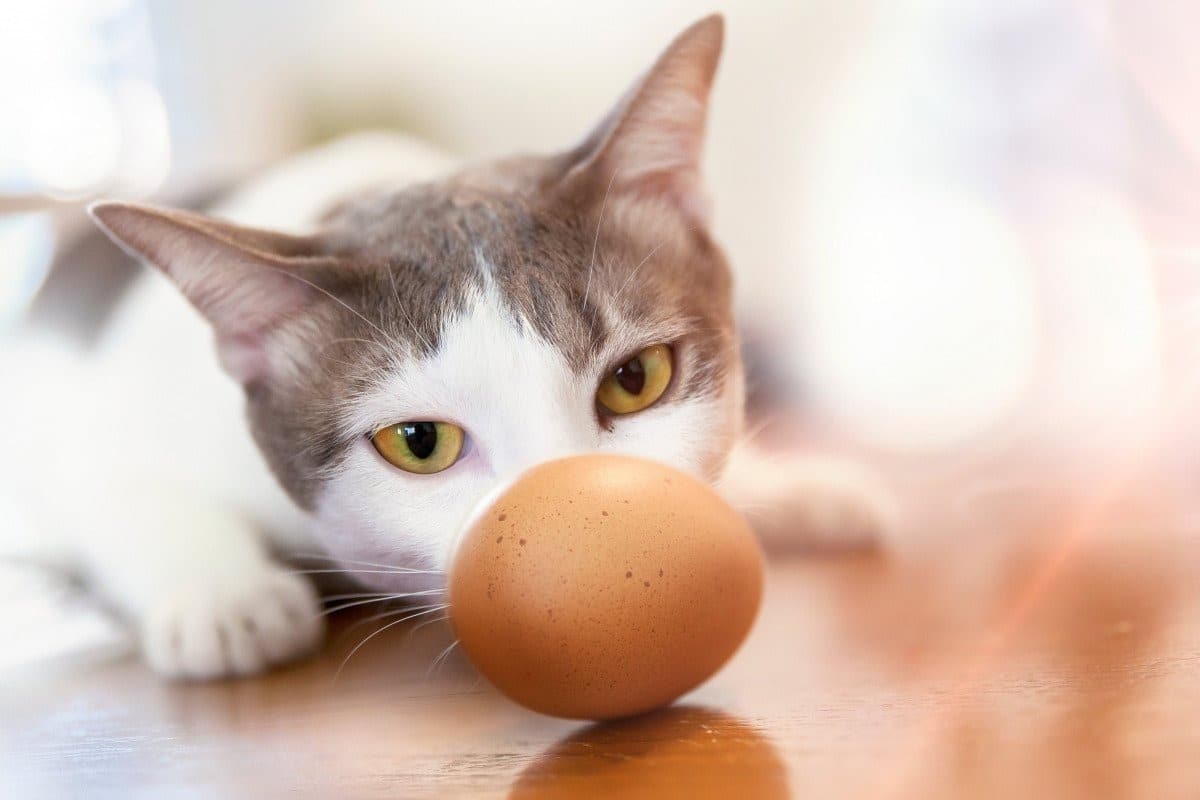
Raw eggs are not recommended. They may contain bacteria, including Salmonella, which are dangerous to both animals and humans.
Raw egg whites also contain avidin, which, if consumed regularly, can impair biotin absorption. Heat treatment makes eggs safer without compromising their essential nutritional value. Raw eggs are especially unsuitable for kittens, puppies, senior pets, and pets with weakened immune systems.

Can you feed them the eggshells?
Eggshells should not be given without the recommendation of a veterinary nutritionist. They contain a lot of calcium, and an excess of calcium can upset the balance of the diet. Sharp pieces can also damage the mouth or digestive tract. However, in some cases, veterinarians may recommend them in a special powdered form.
Who Should Avoid Eggs
Caution is advised for animals that are overweight or have pancreatitis, kidney disease, liver disease, or digestive system disorders. Egg yolks are quite high in fat and calories, so eggs may not be suitable for a therapeutic diet or could contribute to weight gain. In such cases, you should only feed this product after consulting with a veterinarian.
Eggs may also cause individual intolerance or an allergic reaction. If itching, vomiting, diarrhea, skin redness, swelling, or excessive paw licking occur after feeding, remove the food from the diet and monitor the animal’s condition. If the symptoms persist or worsen, consult a veterinarian.
Conclusion
Cats and dogs can be given chicken eggs, but only as a small supplement to their main diet. The best option is a fully hard-boiled egg without salt, oil, spices, or sauces.
A fried egg is acceptable only if prepared without fat or additives, and raw eggs should be avoided due to the risk of bacterial infection.