Taking care of your pet’s health is the main task for every dog owner. Proper nutrition plays an important role in maintaining the health and vitality of the animal. A dog’s body is different from a human’s, so the digestive system cannot absorb many foods that are familiar and useful to the human body. There is a list of foods that dogs should not eat, as this can lead not only to illness but also to the death of a four-legged friend.
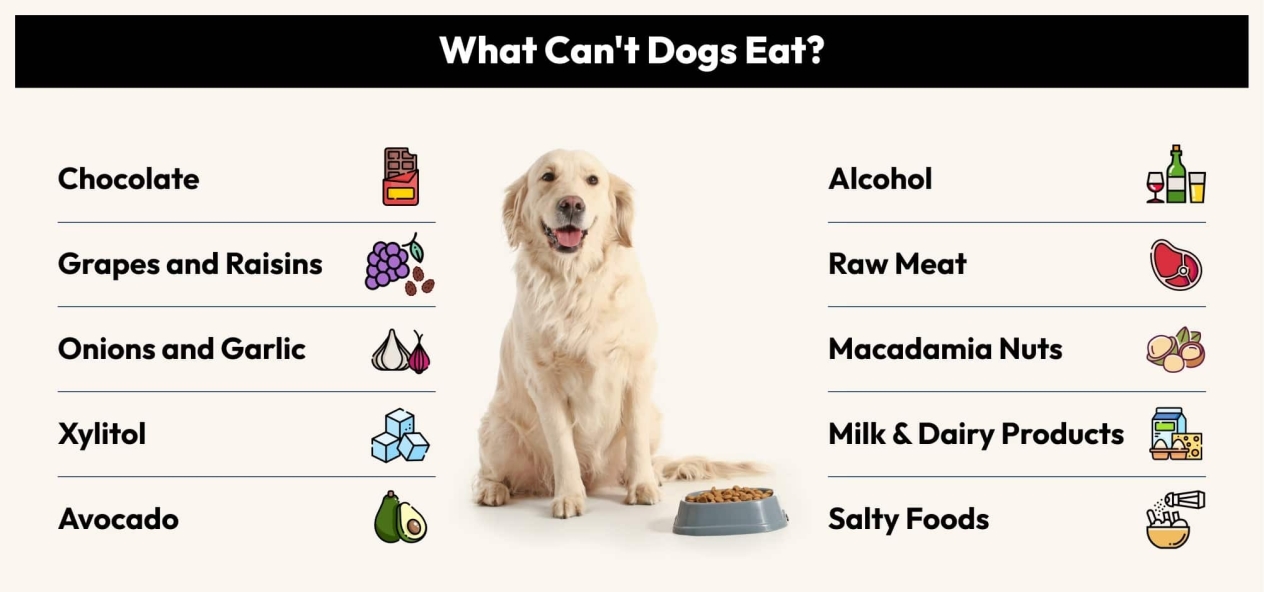
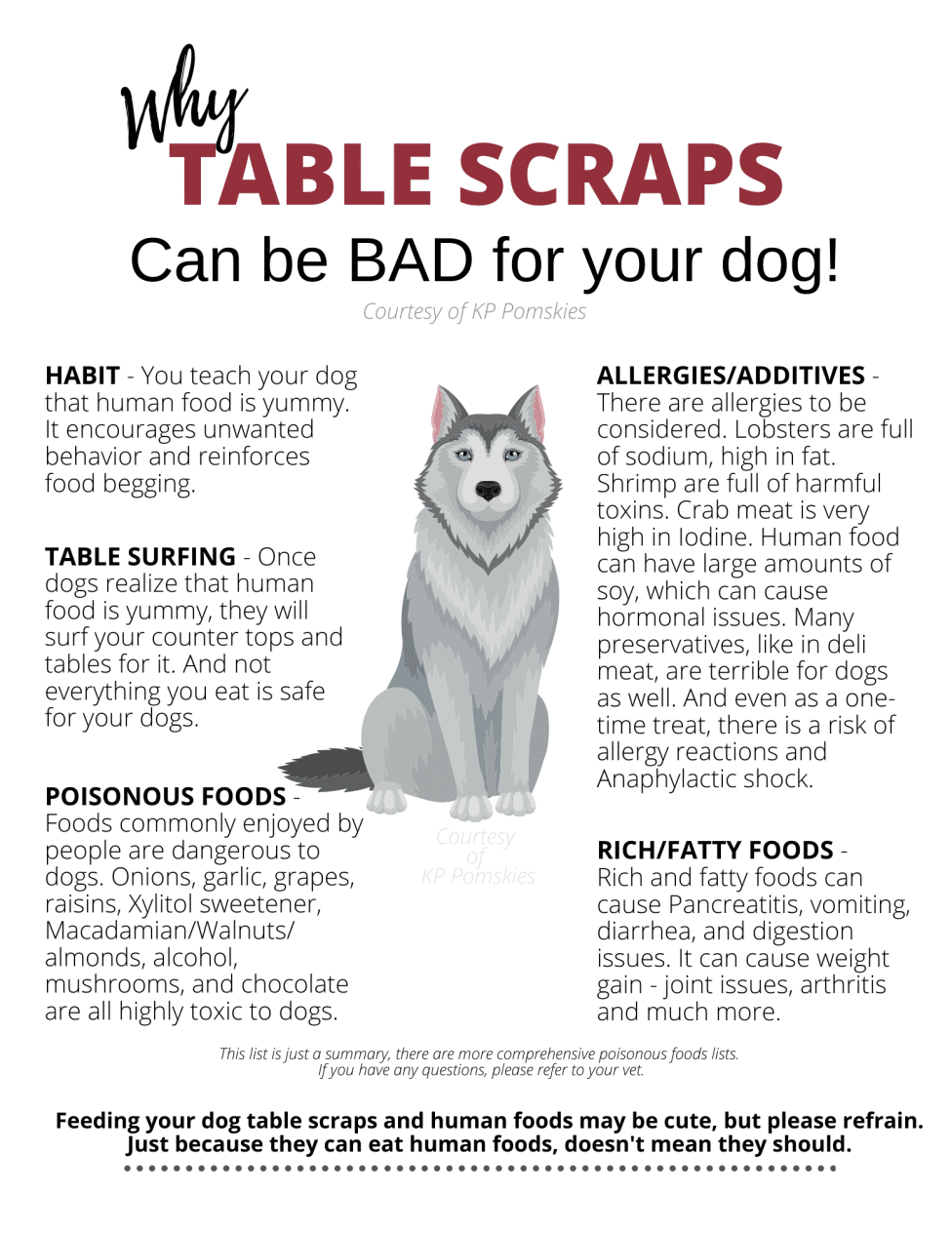
List of foods that dogs should not eat
- Chocolate and other sweets. Chocolate is the most harmful food for dogs. Cocoa contains a natural substance called theobromine, which is toxic to dogs even in small amounts and can lead to digestive upset, seizures, irregular heartbeat, and even death. Dark chocolate, which contains more cocoa, is more dangerous than milk chocolate. However, even chocolate-flavored pastries, cookies, or cakes can pose a threat to your dog. Therefore, feeding dogs sugar cubes, chocolate, and other sweets is strictly prohibited! Sweets can lead to serious health problems: diabetes, obesity, dental problems, stomach upset, and even death.
- Alcohol is strictly forbidden for dogs! The animal’s body cannot break down ethanol and its breakdown products. Therefore, it is completely absorbed into the bloodstream, which leads to generalized intoxication, shortness of breath, seizures, and disorders of the central nervous system and liver. Alcohol, even if the owners try to use it for medicinal purposes, can cause paralysis and death.
- Caffeine and products containing it are very dangerous for dogs. They cause increased heart rate, hyperactivity, high blood pressure, digestive disorders, tremors, and in severe cases, coma and death.
- Milk and dairy products. At about 4-5 months of age, dogs lose the enzyme lactase, which breaks down the protein in cow’s milk, lactose. Milk has a negative effect on the liver and is also the main cause of allergic reactions. In this case, vomiting and severe rashes may occur.
- Raw pork meat should not be given to a dog. The reason is that many breeds are genetically incapable of digesting and absorbing raw meat, so it causes diarrhea, as well as a high risk of contracting numerous parasites and viruses. Raw pork bones can also be dangerous if they are too large, because the dog cannot swallow them. And cooked bones are fragile, which can harm the digestive tract.
- Raw river fish – has many thin bones and a high risk of worm infection.
- Some vegetables, herbs, and legumes. Almost all greens will have to be excluded from Tails’ diet: parsley, celery, rhubarb, sorrel.
Potatoes are a vegetable that contains solanine, a very dangerous and poisonous substance, in its raw form. As for boiled potatoes, they are a source of slow carbohydrates, which tend to be deposited in the fatty layer, and starch contributes to weight gain and an increase in the glycemic index. If a dog doesn’t move enough, it can lead to obesity.
Cabbage – leads to bloating and flatulence.
Broccoli contains isocyanate, which is a toxin for dogs and can even cause death in large quantities. The amount of broccoli in the total weight of vegetables should not exceed 5%.
Legumes (beans, peas, etc.) – disrupt the intestinal microflora, cause flatulence; beets – cause diarrhea.
- Onions and garlic. Eating onions and garlic can cause anemia, cause a serious stomach upset, and negatively affect hearing and smell. The most dangerous products are those that use powdered forms, such as granules.
- Some fruits and berries. The following fruits are banned for dogs:

Citrus fruits (tangerines, oranges) – cause allergic reactions; avocados – increase the risk of intoxication; persimmons and pomegranates – cause intestinal obstruction.
- Grapes and raisins. Even in small quantities, these products can be dangerous – they provoke allergic reactions and lead to the development of kidney failure.
- Yeast dough and bakery products, because yeast causes fermentation in the stomach, which leads to bloating and discomfort.
- Smoked meatsand sausages should not be included in the dog’s diet because they contain a lot of fat, salt, and preservatives that can be harmful to the dog.
- Mushrooms. Many types of mushrooms are toxic to dogs, and eating them can cause serious health problems and even death.
- Nuts. Nuts such as almonds, peanuts, pistachios, nutmeg, and others should be excluded from the diet. For example, macadamia nuts can cause weakness, vomiting, and fever.
- Salty, spicy, fatty foods. Dogs eat fresh food in their natural environment, and there is no need to salt anything. In addition to salty foods, any spices and marinades are considered dangerous. If the water-salt balance is disturbed, the risk of obesity increases, and dehydration may occur. Salt and spices contribute to high blood pressure, provoke inflammation of the pancreas, and cause liver disease. Fatty foods can cause stomach upset, vomiting, and diarrhea.
Moldy foods in the dog’s diet
It is forbidden to give your pet expired food and food that has begun to mold. Mold is a fungus that releases toxins that are poisonous to humans and animals. Mold poisoning even has its own name – mycotoxicosis. The symptoms of such poisoning depend on the amount and type of mold eaten. Here are the most common ones: muscle tremors, abdominal pain, colic; shortness of breath, vocalization; fussiness, excitability; vomiting, diarrhea; impaired coordination; weakness; palpitations; fever. If you notice any of these symptoms, contact your veterinarian immediately!
Don’t feed your dog moldy food, even if it’s a shame to throw it away. Such savings will not benefit either health or your wallet.
Paying attention while walking is the key to health
Do not allow your dog to pick up food from the ground while walking, and avoid places where people feed birds with bread. If you live in a country house, don’t forget to store compost properly; it can also be dangerous for animals. Dogs are curious and can dig up and taste the bulb of a garden plant. This can lead to serious poisoning, especially the bulbs of tulips, daffodils, and crocuses.
If an oak or chestnut tree grows on the site, it is important to collect all the fruits of these trees in time. Eating acorns or chestnuts can cause obstruction, irritation of the walls of the digestive tract, and poisoning.
It is also important to keep organic fertilizers away from your dog.
Fruit seeds are no less dangerous for dogs. They contain cyanide, which, if ingested, can cause respiratory failure, nervousness, and signs of shock. In this case, the dog needs emergency help.
A proper and balanced diet is the key to your dog’s good health and longevity. There are not so many categorical prohibitions in the diet, so it is important to remember them so as not to harm your dog’s health through negligence. The care and attention of the owner will help your pet grow and develop harmoniously!