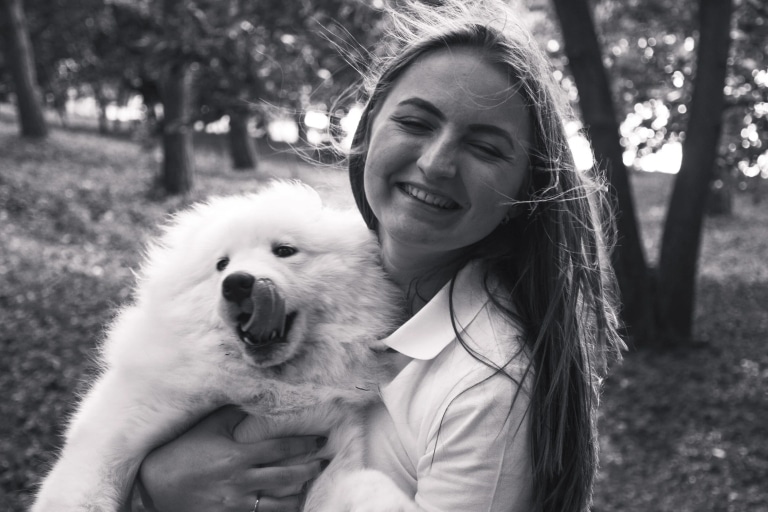
A groomer’s job doesn’t end after the haircut or blow-dry. The right way to wrap up the appointment is with a brief but informative conversation with the owner. The groomer should explain how the pet handled the procedure, what they noticed during the session, and when to schedule the next visit.
For the owner, this conversation demonstrates that the groomer cares about their pet, and for the groomer, it’s an important part of their professional work.
How the pet handled the grooming session
Don’t just say “everything’s fine” or call the pet disobedient or aggressive. It’s better to explain specifically which parts the pet handled calmly and which ones caused it distress.
For example:
“The dog handled the bath and grooming calmly, but got anxious during the blow-dry, so we turned down the heat on the blow dryer and took a few breaks.”
Or:
“The cat let us brush his back just fine, but he was sensitive to being touched on his belly, so we were especially careful in that area.”
This way, the owner receives useful information and understands which procedures the pet should be gradually accustomed to at home.
What difficulties should be reported
The owner should be aware of important factors that may have affected the procedure:
- fear of the hair dryer or clippers;
- reluctance to allow anyone to touch their paws, muzzle, or ears;
- attempts to break free or bite;
- a large number of mats;
- increased sensitivity in certain areas;
- an elderly pet tiring quickly;
- inability to safely complete a certain stage.
This should be communicated calmly, without exaggeration or blame. The trainer’s task is not to complain about the animal, but to explain the situation and suggest next steps.
Why the procedure might have been cut short
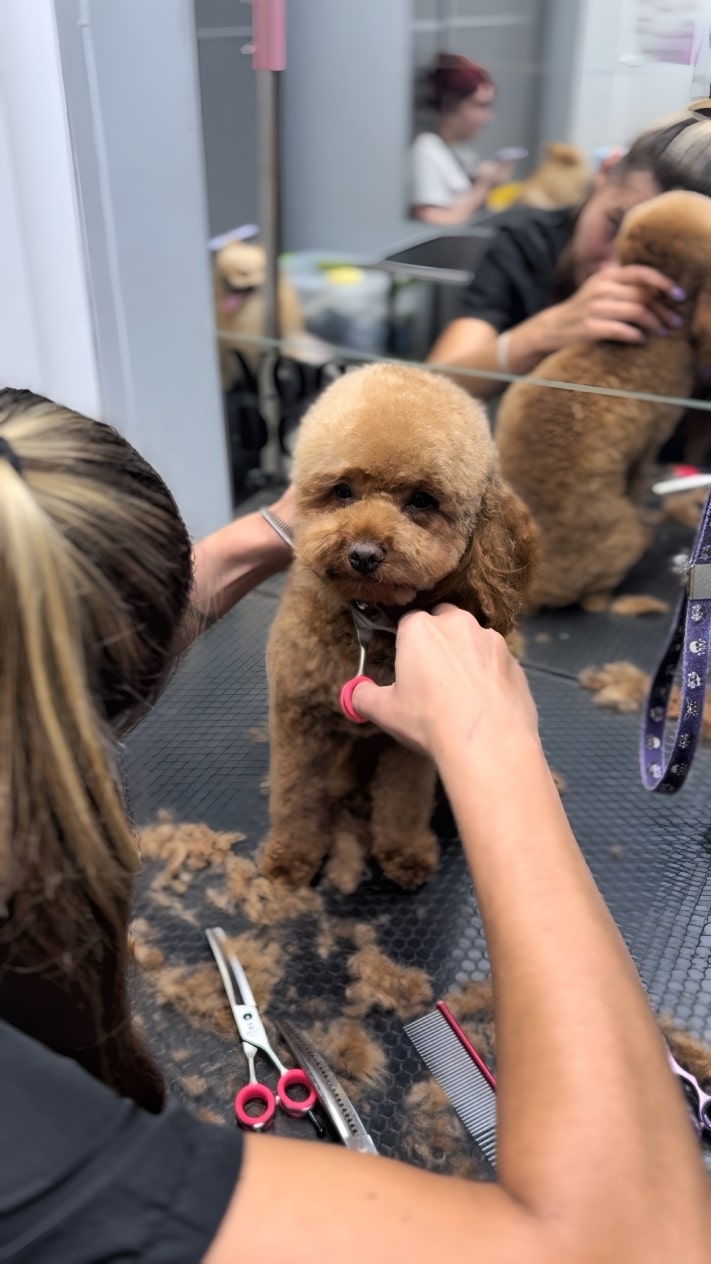
A groomer shouldn’t complete all steps at any cost. If the animal is very nervous, tired, or if its behavior poses a risk of injury, the groomer may shorten the procedure or postpone a specific step. It’s important to explain exactly what couldn’t be completed and why this decision was made in the animal’s best interest:
“Today we didn’t finish trimming the nails on the hind paws because the dog started struggling violently. It would have been dangerous to continue.”
This explanation shows that the groomer consciously chose the safer option, rather than simply failing to do their job.
How to Talk About Matted Fur
You should discuss mats without judgment. Instead of saying, “You’re not taking care of your dog,” it’s better to point out the problem areas and explain why they’ve developed. Matted fur most often forms behind the ears, in the armpits, under the collar or harness, on the chest, paws, and belly. This can be caused by superficial brushing, using the wrong grooming tools, friction from clothing, or too long of a gap between grooming sessions.
If you had to change the haircut because of mats, you can say:
“We wanted to leave the fur longer, but there were tight mats close to the skin. It was no longer possible to safely untangle them, so we had to trim those areas shorter.”
After that, you should show the owner what tools to use and how often to brush the animal.
What to report about the skin, ears, and claws
During grooming, the groomer may notice redness, flaking, sores, lumps, an unpleasant odor coming from the ears, unusual discharge, or a damaged claw. It is essential to inform the owner of any of these issues.
However, a groomer does not make diagnoses or prescribe treatment. The correct way to say this is:
“While drying your pet, we noticed redness on the skin under the paw. A veterinarian can determine the cause, so we recommend showing them this area.”
You should not independently label redness as an allergy, a lump as a tumor, or discharge from the ears as an ear infection or ear mites. This requires a veterinary examination and, if necessary, further testing.
When to See a Veterinarian
A consultation with a veterinarian should be recommended if the groomer notices:
- severe redness or swelling;
- wet, bleeding, or painful areas;
- unusual discharge or odor from the ears;
- severe itching;
- a new or changed lump;
- a damaged claw;
- parasites;
- severe pain when touched;
- a sudden change in the animal’s behavior.
The technician should simply describe what they’ve observed without alarming the owner and explain why a professional examination would be appropriate.
How to recommend a follow-up visit
At the end of the conversation, the client’s owner should receive clear guidance regarding the next grooming appointment. The phrase “come back when it grows out” is too vague.
The groomer takes into account the coat type, the length of the cut, how quickly mats form, at-home care, the condition of the nails, and the animal’s reaction to the procedure.
For example:
“Because mats form quickly behind the ears, we recommend scheduling the next grooming session in about six weeks and brushing these areas regularly between visits.”
How to Speak Professionally
Recommendations should consist of three components: a fact, an explanation, and a course of action.
Instead of:
“You let your hair down.”
Better:
“Tight mats have formed close to the skin, so we had to cut it shorter today. We’ll show you how to care for these areas so you can keep it longer next time.”
Instead of:
“Your dog is being uncooperative.”
Better:
“The dog got anxious during the paw exercises. We recommend gradually getting him used to short, gentle touches at home.”
Properly concluding a session is part of the profession
A professional groomer doesn’t just return a clean and well-groomed pet to the owner. They describe how the procedure went, report any important observations, explain their decisions, and recommend further care.
At V.O.G DOG ACADEMY, students learn not only how to use tools, but also how to take responsibility for the animal’s well-being, understand the limits of their expertise, and communicate professionally with the owner.