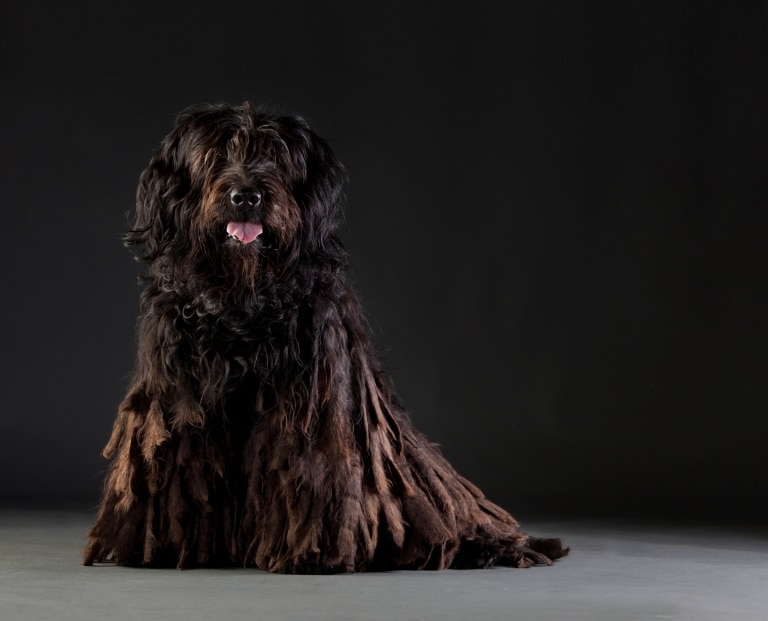
Dogs with “dreadlocks” look as if they’ve just returned from a music festival or have been growing out an extravagant hairstyle for years. In reality, these long strands aren’t a hairdresser’s invention, but a specific type of coat. The soft undercoat intertwines with the coarser outer coat, gradually forming dense strands.
However, this coat doesn’t turn into beautiful, even dreadlocks on its own. Without proper care, a neat “hairstyle” turns into a solid matted mess. Let’s take a look at the breeds for which dreadlocks have become a true hallmark.
Komondor
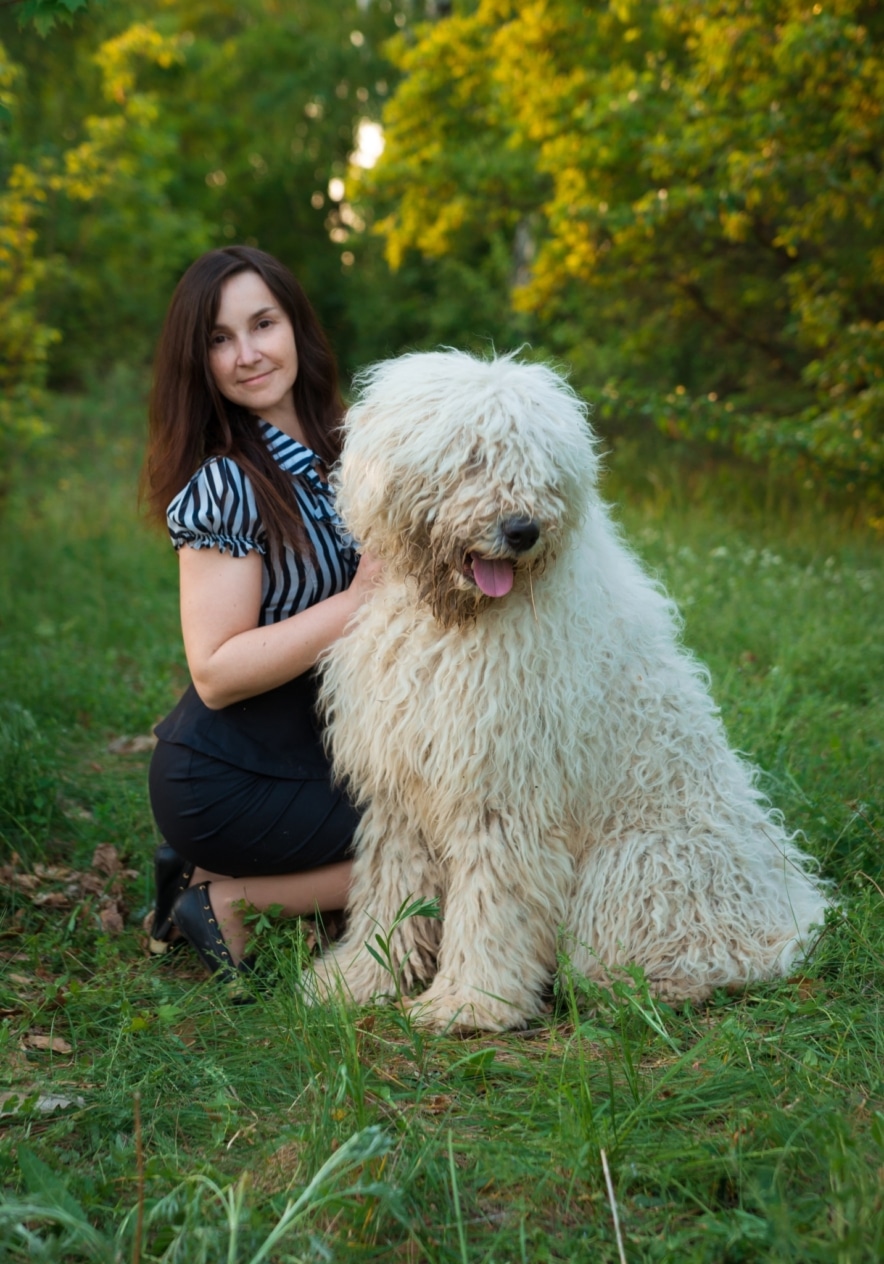
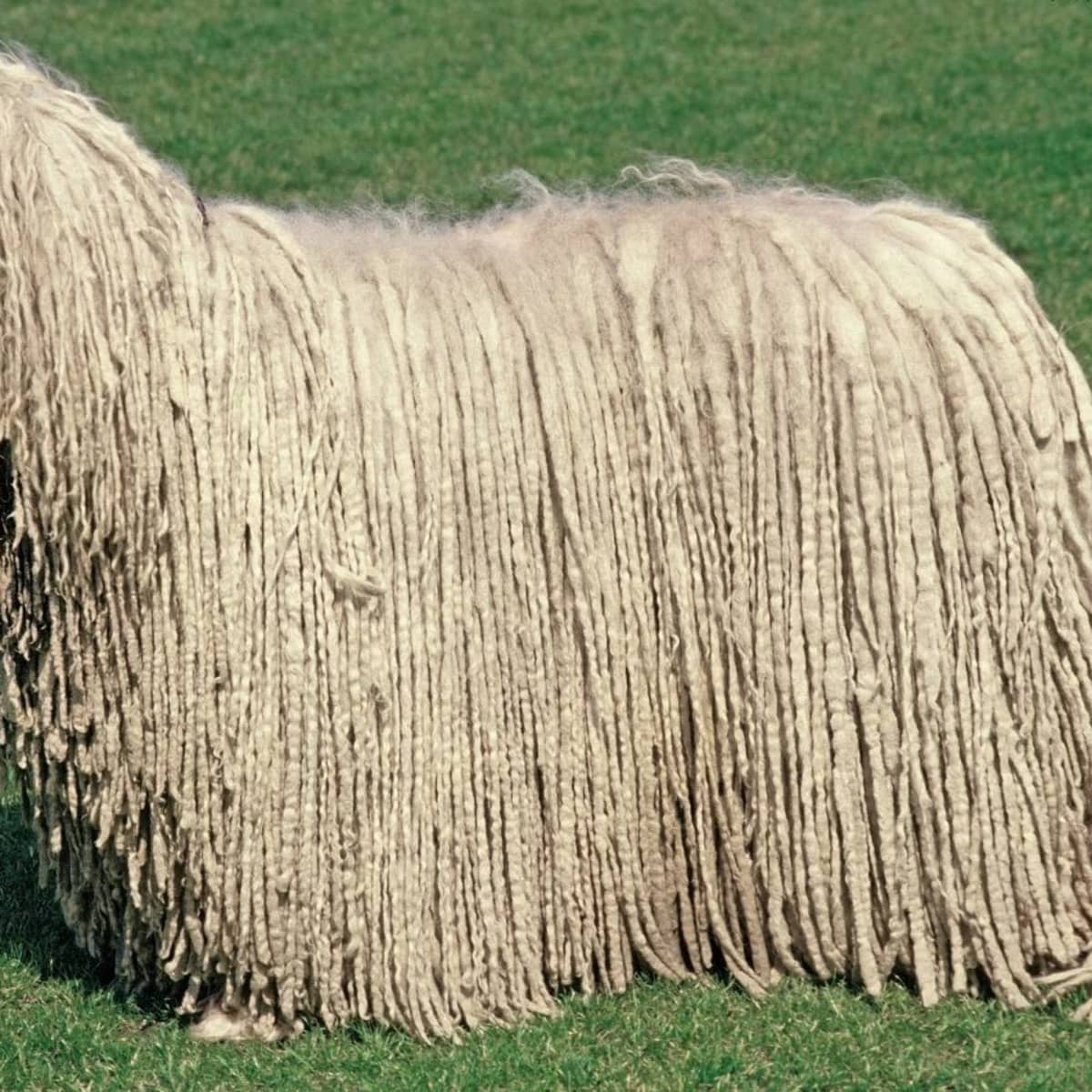
It’s hard to mistake a Komondor for any other dog. An adult Komondor is covered in long white cords and, from a distance, may resemble a giant mop. But behind this humorous comparison lies a serious Hungarian sheepdog.
Its light-colored corded coat helped the Komondor blend in with the sheep, protected it from the elements, and partially cushioned bites from predators. This is an independent, vigilant, and brave dog that is accustomed to assessing situations on its own.
A Komondor’s adult coat can reach the ground. It isn’t brushed with a regular brush—the strands are manually separated all the way down to the skin. And after a bath, the dog takes an extremely long time to dry, sometimes up to a day or even longer.
Puli
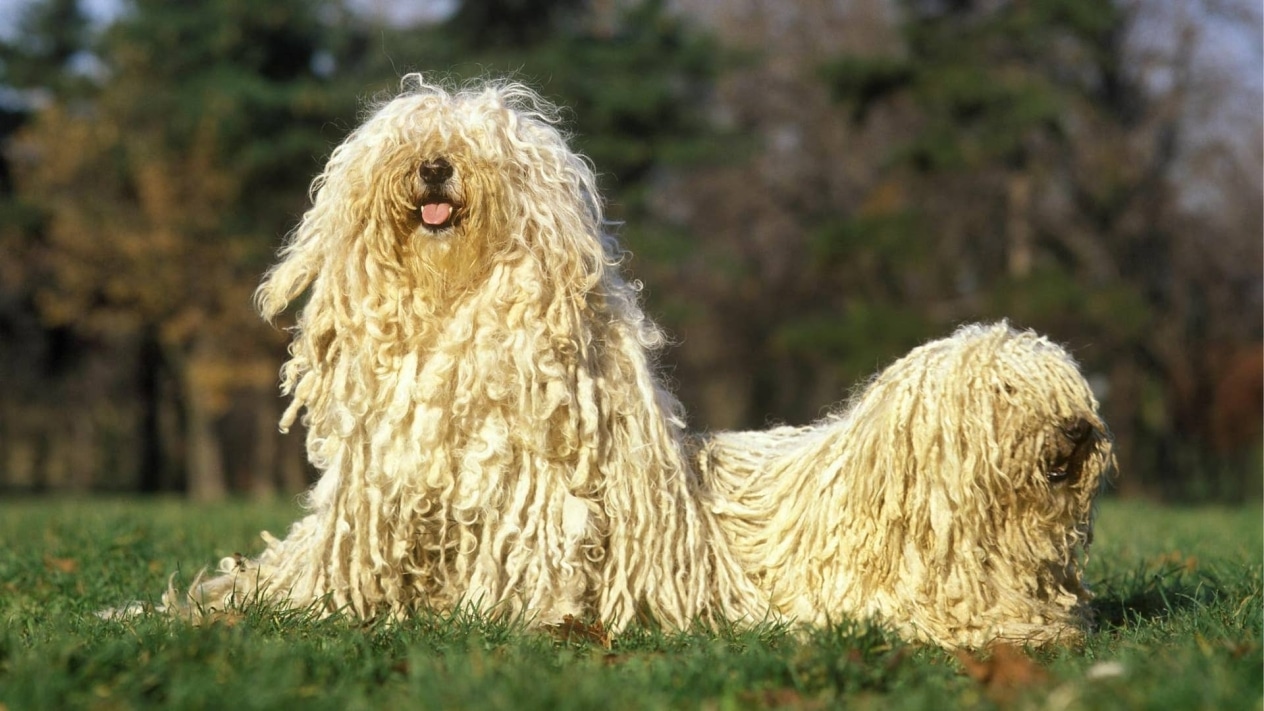
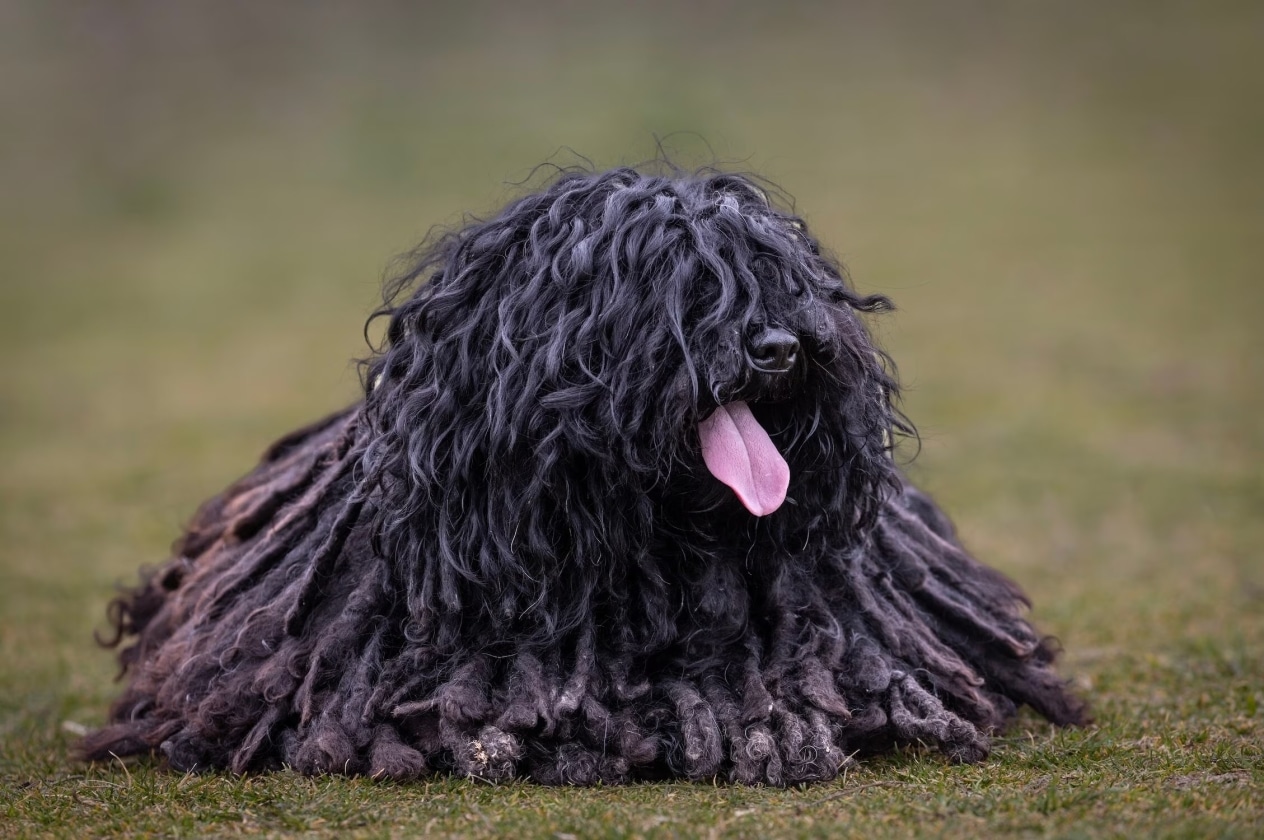
The Puli also originates from Hungary, but is significantly smaller and more agile than the Komondor. When this dog runs, its dreadlocks bounce in all directions, and it can be difficult to tell exactly where its eyes are hidden beneath all that fur.
Pulis were once used to herd livestock, so behind their striking appearance lie speed, intelligence, and great stamina. This is not a decorative “dreadlock dog,” but an energetic herder that needs exercise, tasks, and human interaction.
The cords begin to form gradually as the puppy’s coat sheds. They must be separated regularly, especially around the ears, paws, tail, and armpits.
Bergamasco Shepherd
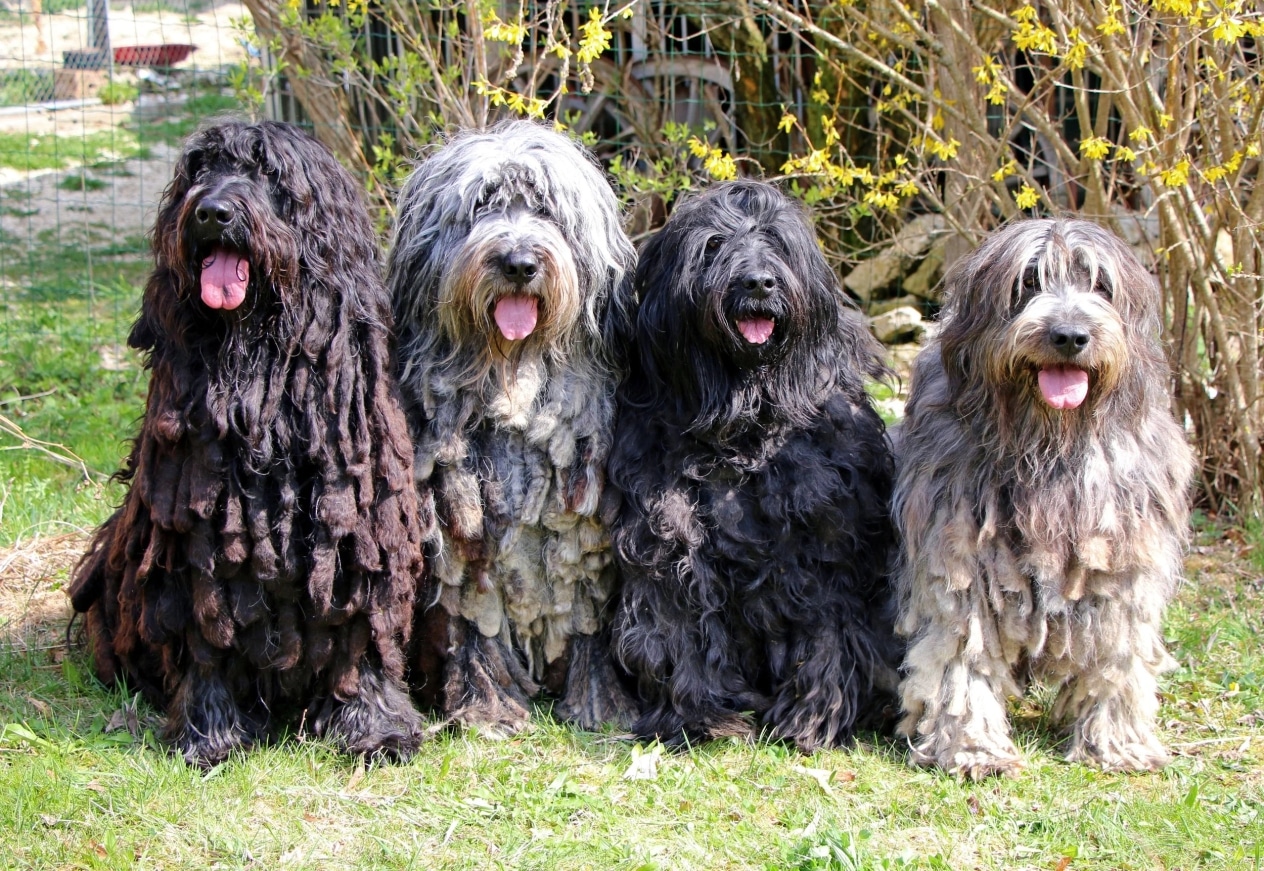
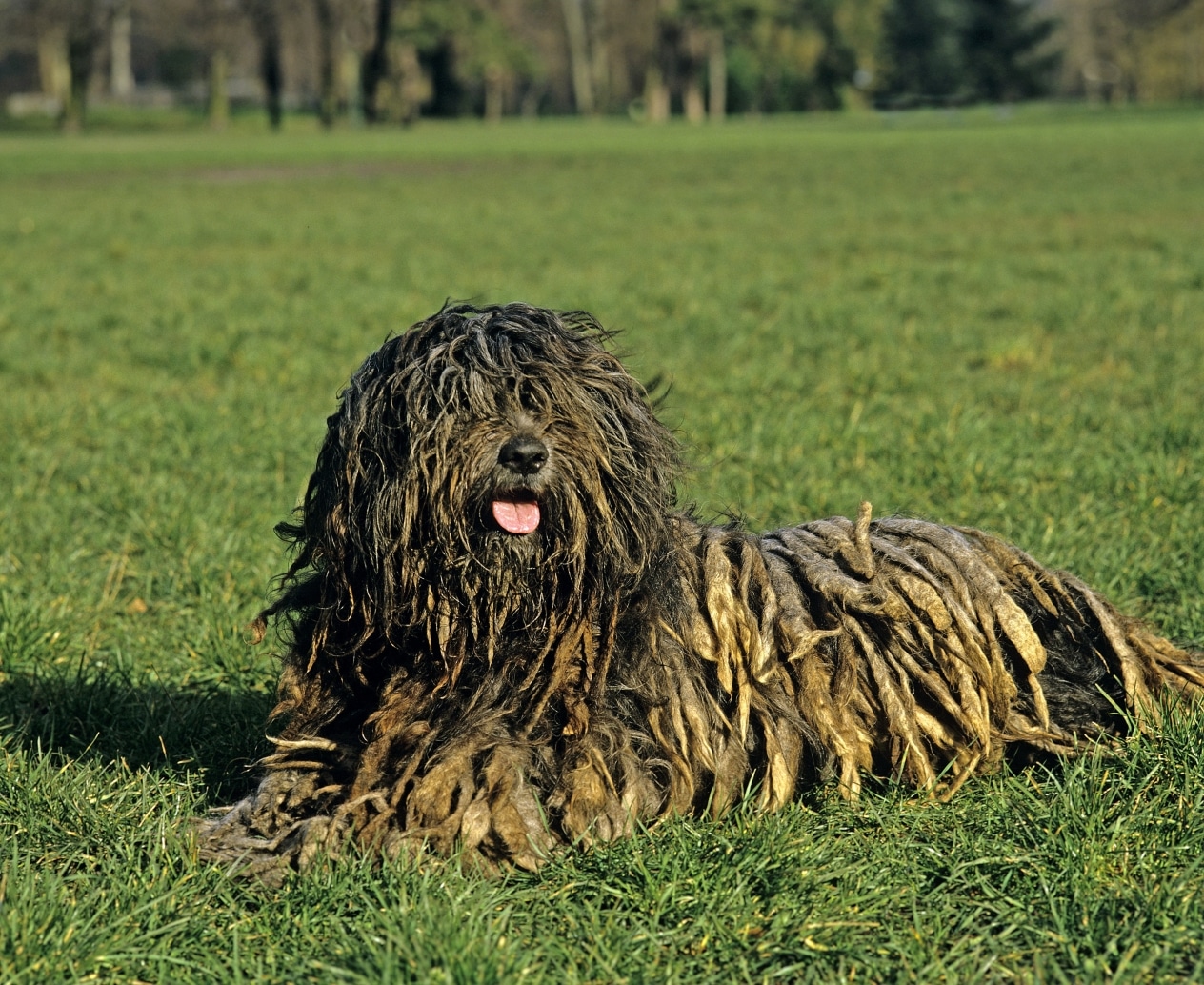
At first glance, the Bergamasco Shepherd may simply seem very shaggy. However, its coat has an unusual structure: it consists of three types of hair that eventually merge into wide, flat strands. They resemble felt ribbons more than the Komondor’s thin cords.
This natural “coat” protected the dog from the cold, precipitation, and injuries while working in the Italian Alps. Bergamasco Sheepdogs are attentive, well-balanced, and capable of making decisions on their own—an important trait for a dog that worked far from its shepherd.
Mature strands do not need to be brushed constantly. The main thing is to shape and part the coat properly during the shedding season and to keep the skin clean thereafter.
Spanish Water Dog
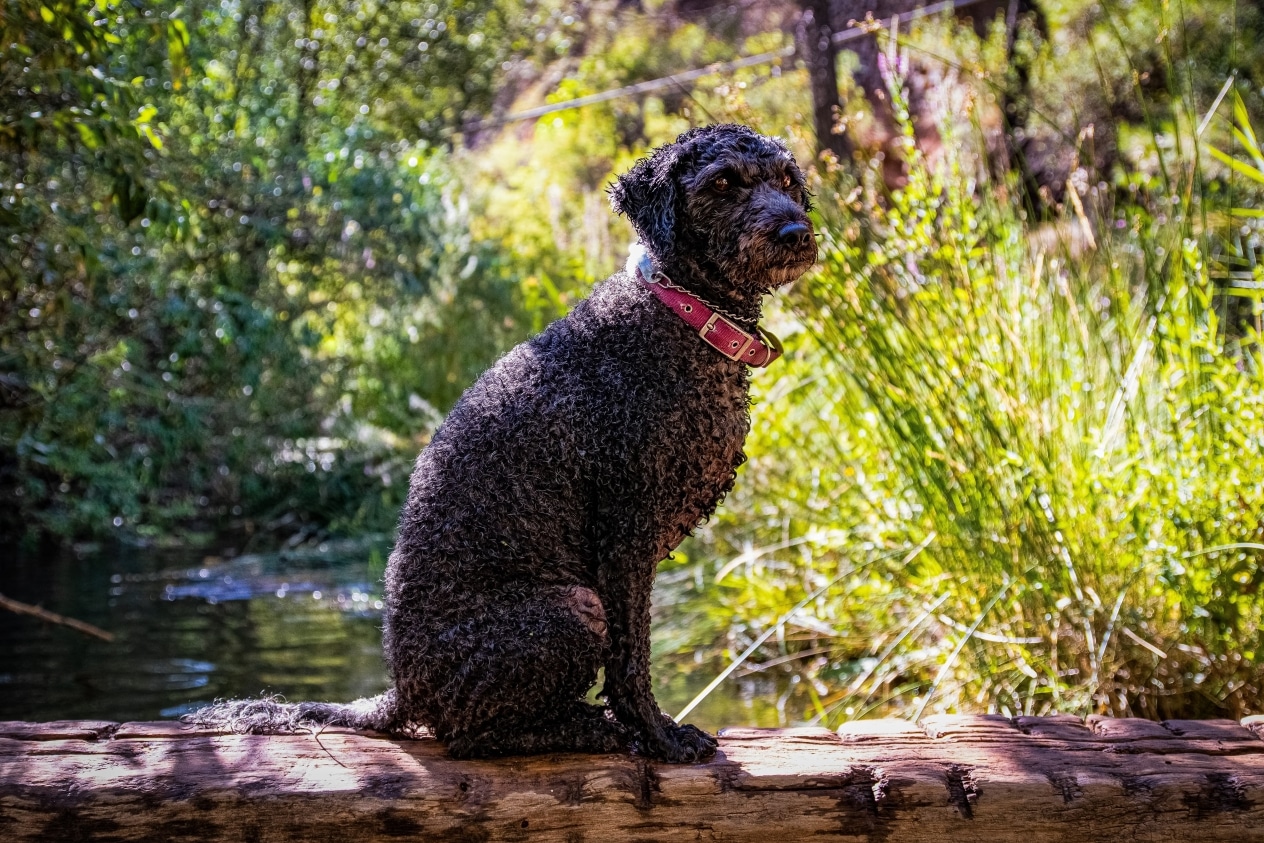
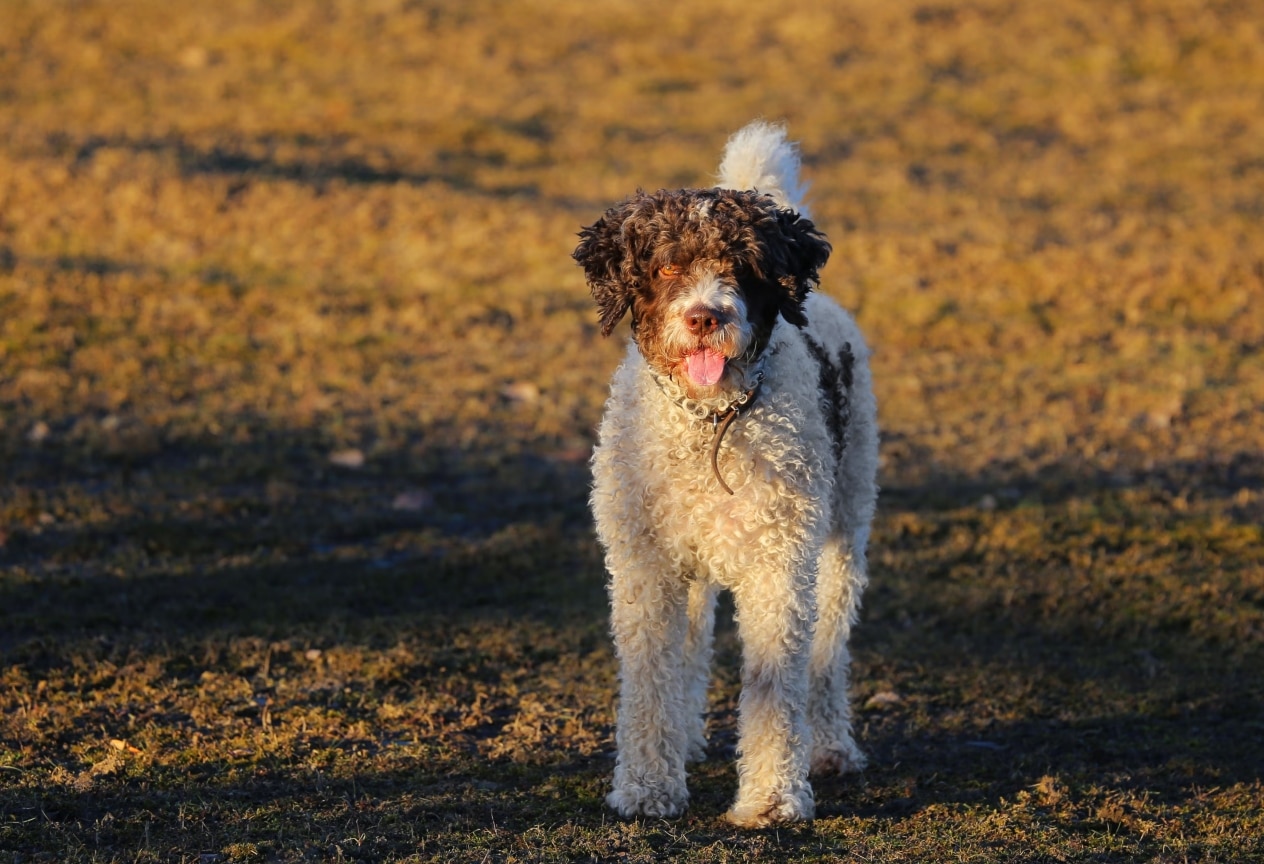
The Spanish Water Dog’s coat is naturally thick and curly. As it grows out, the curls can gradually form into cords. But unlike the Komondor, this breed is often clipped short, so its “dreadlocks” aren’t seen very often.
Traditionally, these dogs performed a wide variety of tasks: herding livestock, assisting fishermen, and retrieving objects from the water. They are active, alert, and quick learners.
Curly fur should not be brushed like regular long hair. Separate the strands with your fingers, and after bathing, gently blot the water with a towel without rubbing the curls.
Poodle
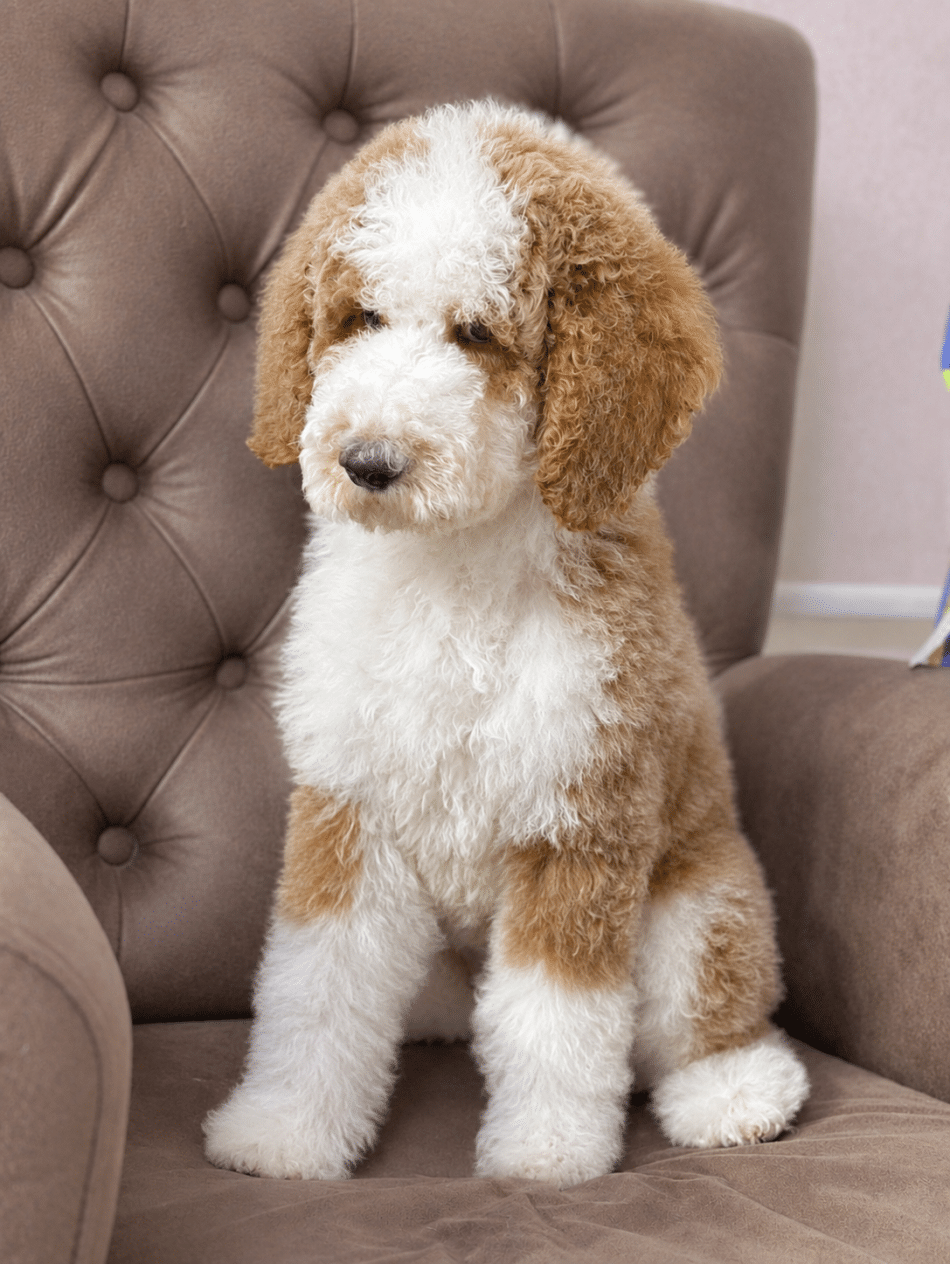
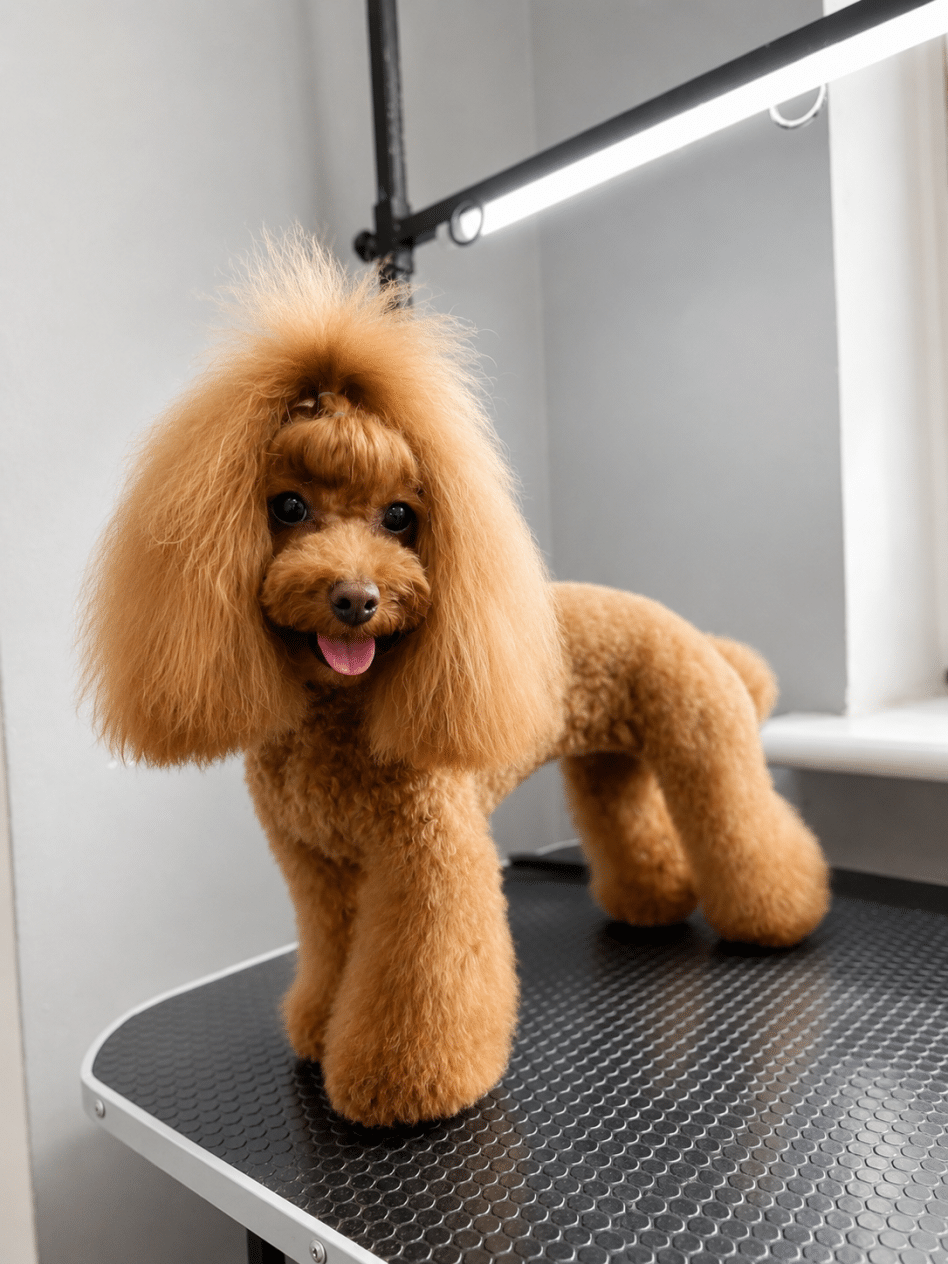
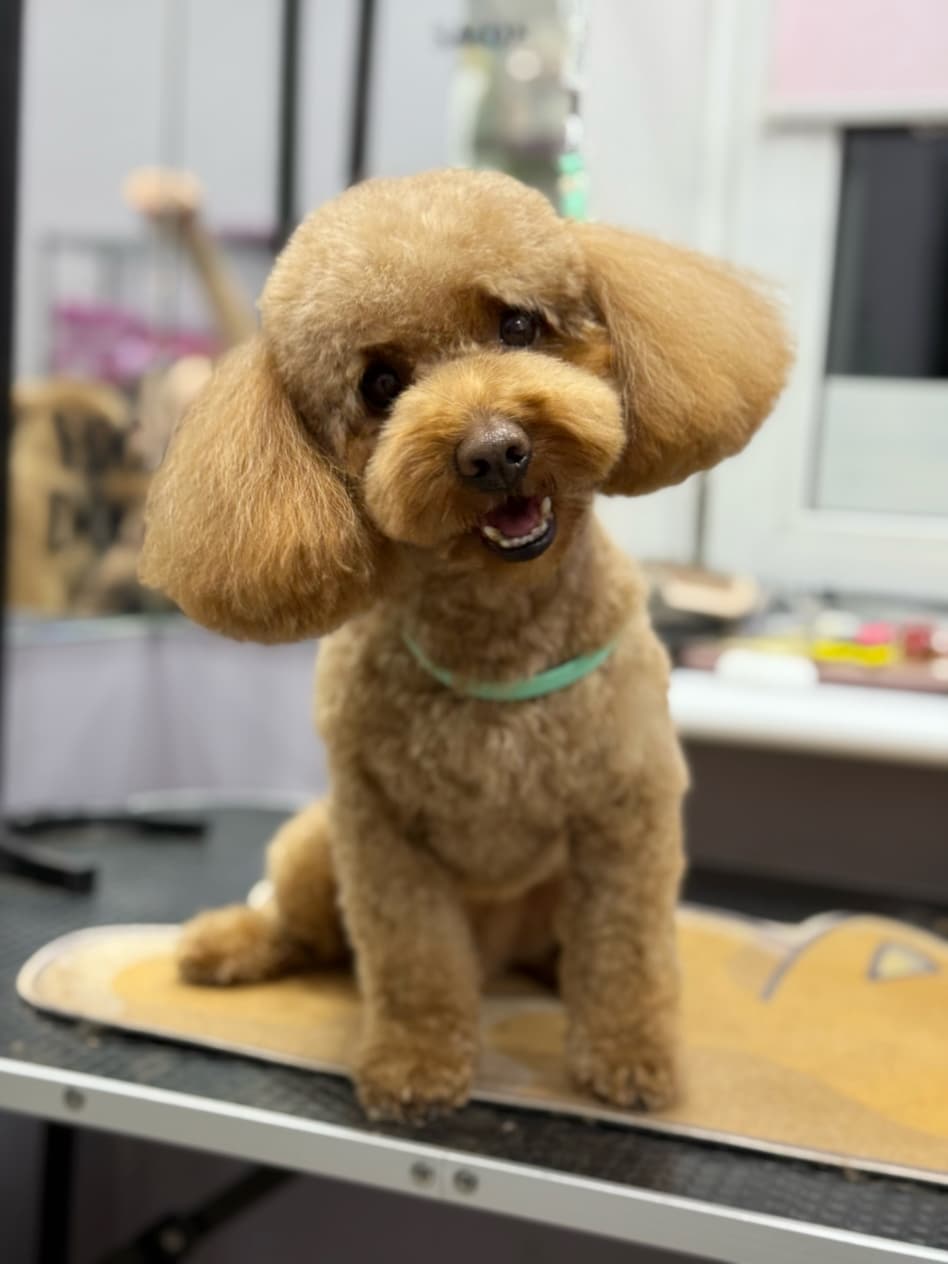
Most people are used to seeing poodles with fluffy or neatly trimmed coats. However, their thick, curly coat can also form long cords. Corded Poodles used to be much more common and appeared at dog shows alongside dogs with conventional haircuts.
Creating this type of coat requires a lot of time and skill. The coat must be properly sectioned, kept clean, and thoroughly dried. That’s why corded poodles are rarely seen today—their striking appearance demands a serious commitment to grooming.
Can you give any dog “dreadlocks”?
No. To form the cords properly, the coat must have the right structure: typically a combination of a soft undercoat and curly or coarser outer coat. If you simply let regular fur mat together, you’ll end up with tangles rather than breed-specific cords—tangles that pull on the skin, trap moisture, and cause discomfort.
Corded fur requires special care:
- the strands should be regularly separated by hand all the way down to the skin;
- after walks, remove grass, twigs, and small debris;
- check the skin for irritation and redness;
- after bathing, the cords must be dried completely;
- do not leave soiled dreadlocks damp for long periods.
Dogs with dreadlocks really do look fantastic. However, behind every striking “hairstyle” lies patience, proper care, and a considerable amount of time on the part of the owner and, of course, the groomer.