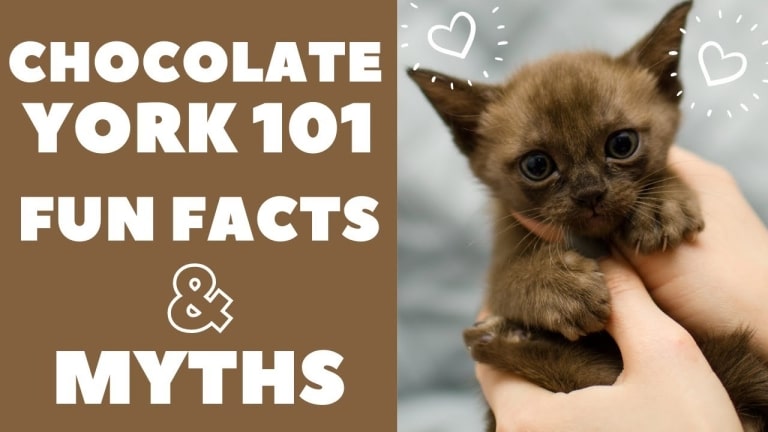
The Chocolate York, or York Chocolate Cat, catches the eye with its rich brown coat, which looks as if it were dyed with cocoa. Despite its aristocratic appearance, its history did not begin at a famous cattery, but on an ordinary American farm.
Today, this cat is often described as a very rare breed. However, it would be more accurate to say that its current status remains undefined: there are almost no active breeding lines left, and the largest international felinological organizations do not recognize the breed.
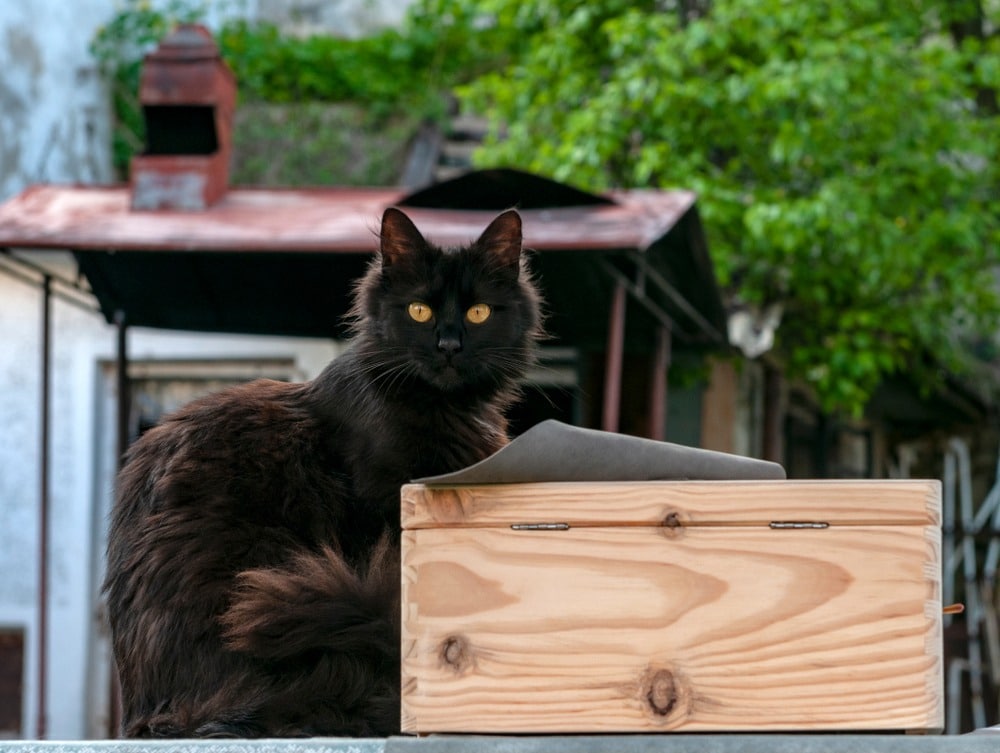
The Origins of the Chocolate York
The breed’s history began in 1983 on Janet Chifari’s goat farm in New York State. Her black-and-white long-haired cat, Blackie, and her black long-haired tomcat, Smoky, gave birth to an unusual kitten with brown fur. The kitten was named Brownie—meaning “Brown.”
Later, Brownie produced other kittens with a similar coat color and semi-long hair. Janet began to deliberately breed for these traits and named the new breed the York Chocolate, in honor of New York State and its defining characteristic—the chocolate color.
In the early 1990s, the breed received experimental and later champion status in small North American feline organizations. However, the CFA, TICA, and FIFe did not recognize the York Chocolate. According to available historical data, the last known breeder discontinued the breeding program in 2016, so it is unknown whether any purebred individuals with verified lineage remain today.
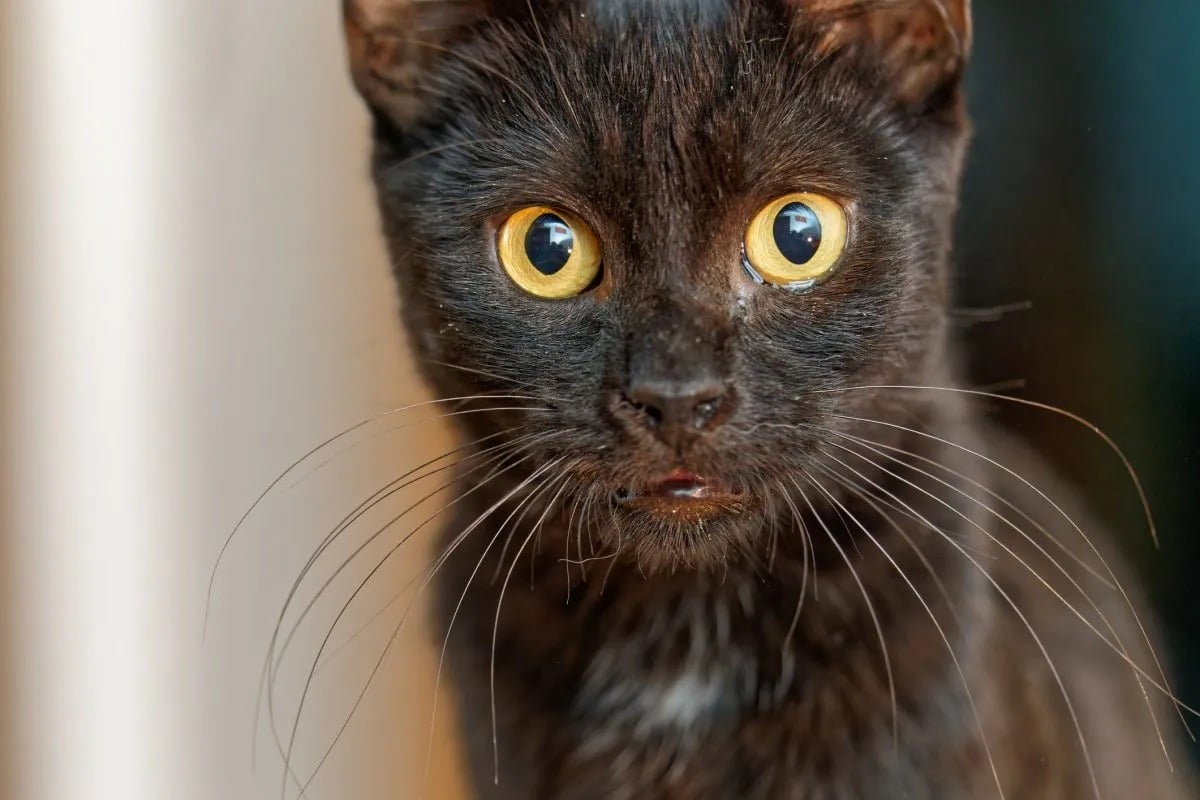
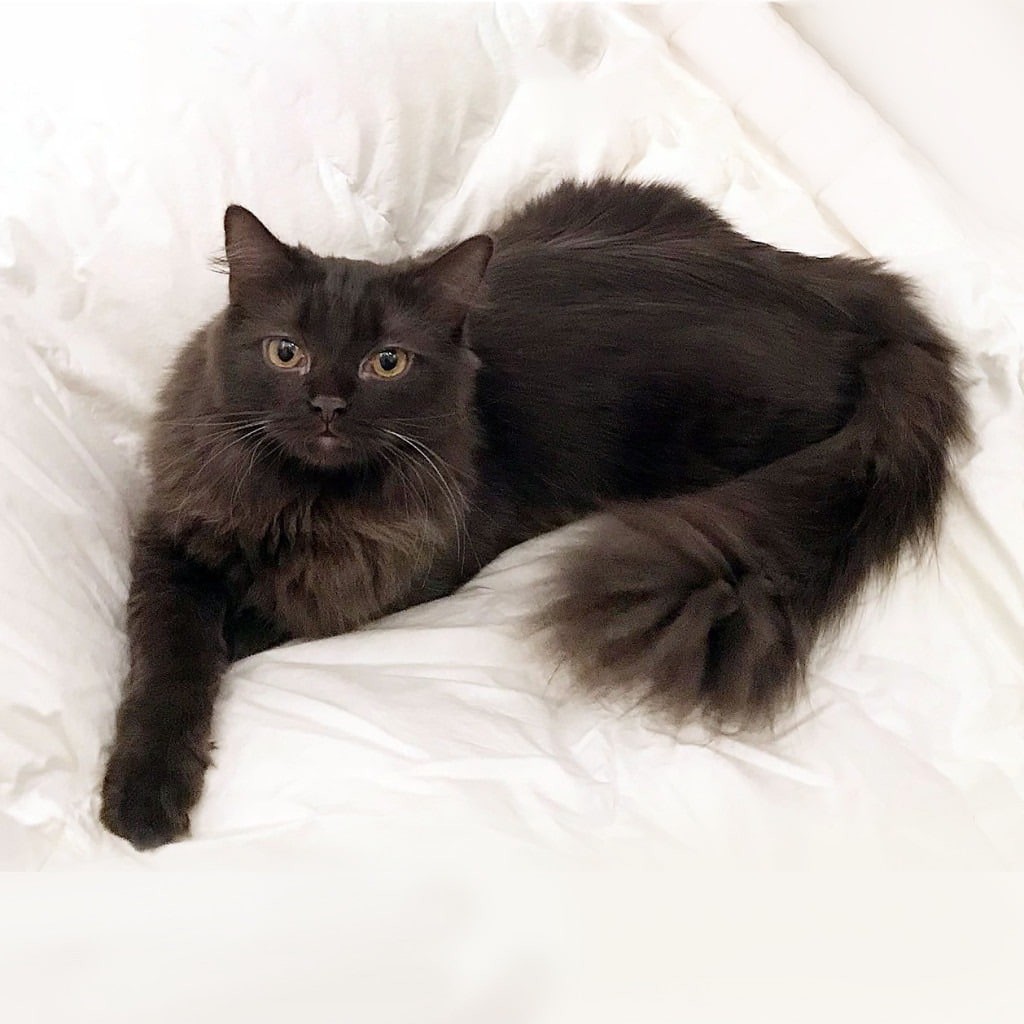
What Does a Chocolate York Look Like?
It is a medium- to large-sized cat with an elongated, sturdy, and well-developed body. It has large ears that tilt slightly forward, a fluffy tail, and oval eyes in shades of gold, hazel, or green.
The York’s primary feature is its fine, shiny, and silky semi-long coat. It is shorter on the shoulders and becomes longer toward the back, sides, and tail. A small, fluffy ruff may form around the neck.
Historical standards specified four color variations:
- solid chocolate;
- solid lilac;
- chocolate with white;
- lilac with white.
Kittens could be born lighter in color and have barely noticeable stripes. The final, deep coat color developed by about 12–18 months.
Important: Not every brown, fluffy cat is a Chocolate York. The chocolate coat color is also found in domestic mixed-breed cats, and breed affiliation is confirmed only by a pedigree from registered breeding lines.
The Temperament of the Chocolate Yorkie
Yorks have been described as gentle, curious, and devoted to their owners. They love to be around their family, watch what’s going on around the house, and greet their owners at the door. At the same time, their farm origins have given them an active nature and a well-developed hunting instinct.
They are not silent sofa ornaments. Such a cat needs active play, places to climb, the opportunity to explore the home, and regular interaction with people. Members of the breed were also said to have an interest in water, although this trait—like their personality in general—could vary from cat to cat.
Coat Care
The Chocolate York’s coat was considered relatively easy to care for, as it had a silky texture and did not tend to mat easily. However, the semi-long coat still needs to be brushed regularly, especially behind the ears, under the paws, on the chest, and on the fluffy tail.
Regular grooming helps:
- remove dead hair;
- prevent matting;
- reduce the amount of hair the cat swallows while grooming;
- detect skin irritations or parasites early.
There is insufficient information about hereditary diseases specific to the Chocolate York. This does not prove that the breed has no genetic problems: its population was too small to yield reliable statistics. Therefore, claims about this cat’s “exceptionally robust health” should be taken with a grain of salt.
Is it possible to buy a Chocolate York today?
Finding a true Chocolate York is extremely difficult. An ad for a brown long-haired kitten does not confirm that it belongs to the breed. Without a pedigree and a documented lineage, it may simply be a house cat with a rare chocolate coat.
The chocolate York remains an intriguing chapter in the history of felinology: a breed that began with a single unusual farm kitten, received its own breed standard, but never became widespread. Perhaps that is why it still seems so mysterious—a chocolate-colored cat that is much easier to find in old photographs today than in a real cattery.