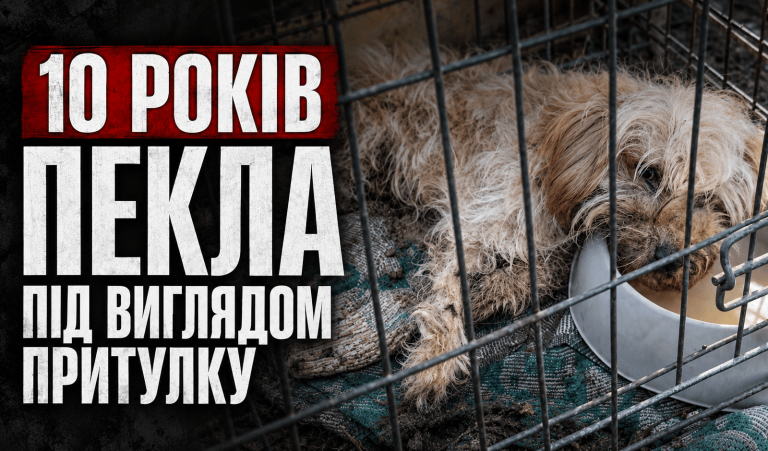
For four years, a soldier sent money to care for her cats. She served in the military and trusted the person who agreed to look after them. But when she came to check on them, she heard the terrible news: the cats had long since died, and their bodies had been burned.
Behind her lie the fates of hundreds of other animals—dogs, cats, horses, cows, goats, and pigs. Donations from caring people. Aid that was brought in by large trucks. And nearly ten years of complaints from the village of Bryhidivka in the Vinnytsia region, where a place called a “shelter” has become synonymous with animal suffering for the neighbors.
Now the animals are being removed from there. At the time this article was written, the rescue operation had been underway for over a week, and about 70 dogs were still waiting to be adopted.
Behind the Fine Words About Rescue
The story began with the collection of animals and announcements about admissions to the shelter. Tamara Pastukh was taking in dogs, people were bringing her new charges, and the social media page was gaining popularity. As trust grew, so did the number of animals and the flow of aid.
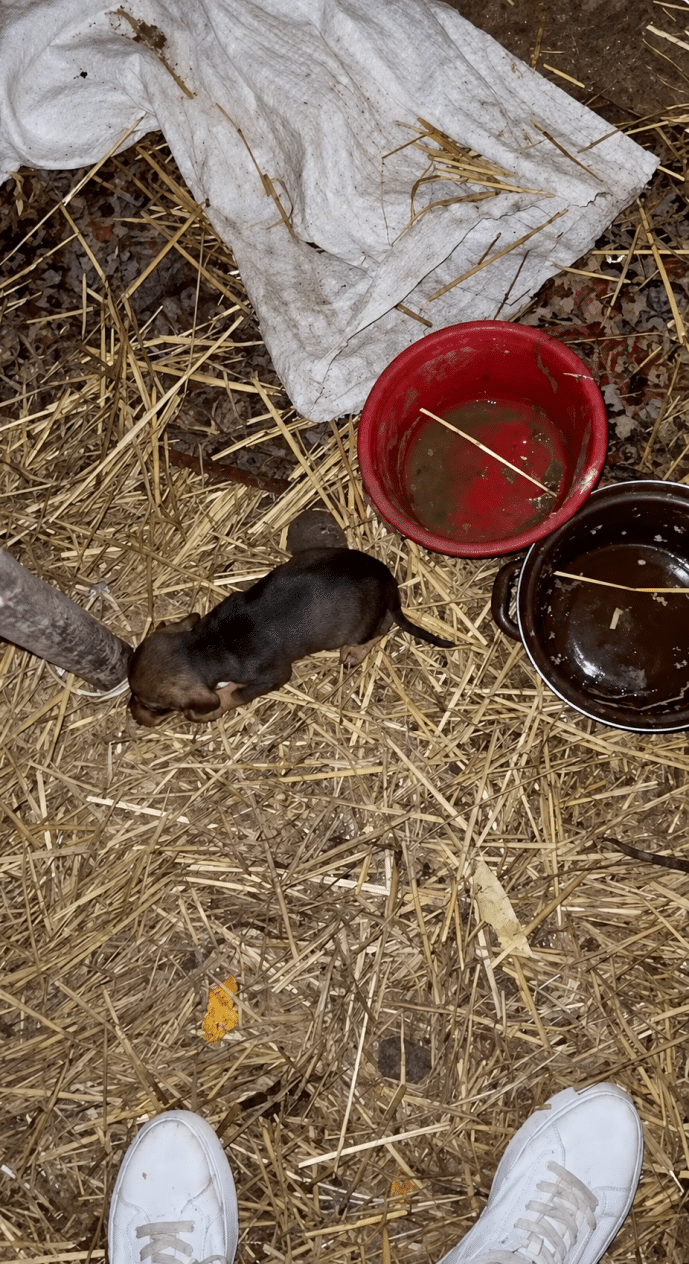
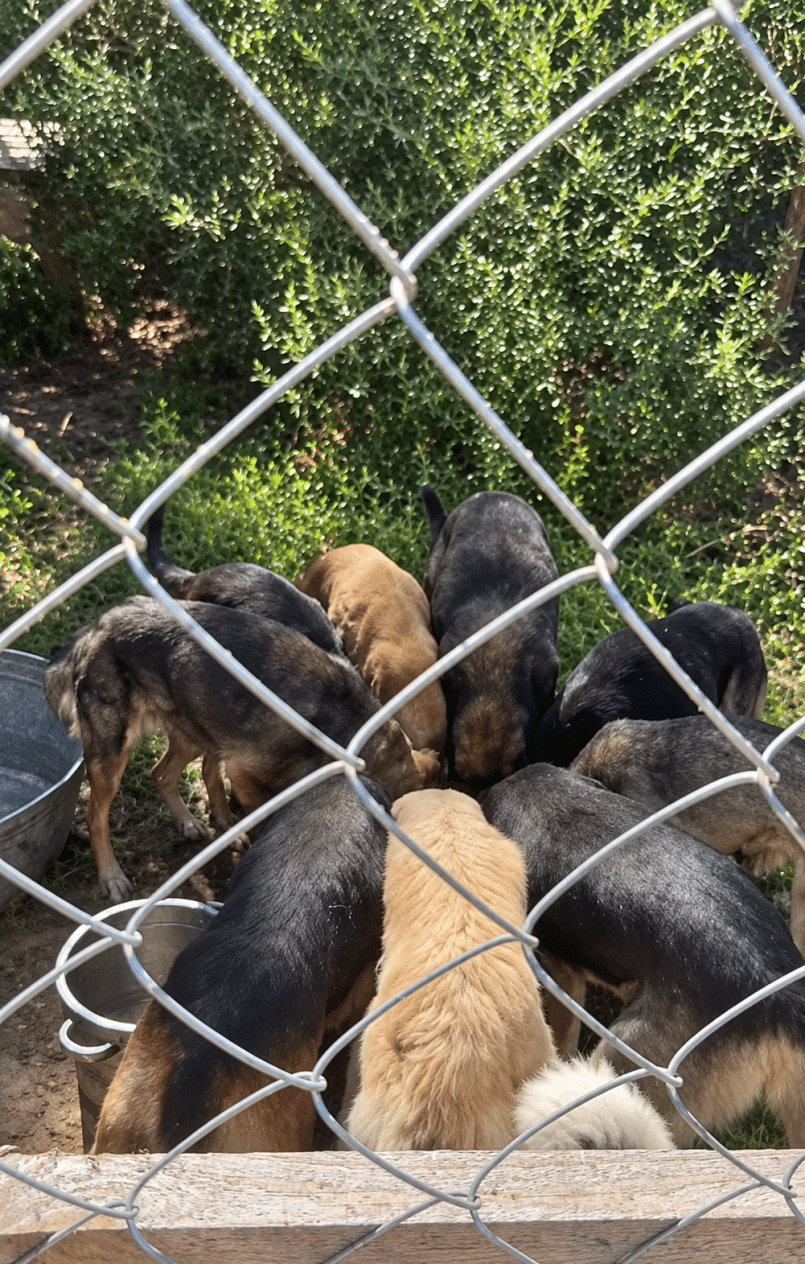
According to estimates provided to us from the village, there were about two hundred dogs or more there at any given time. In addition to them—cats and a whole farm’s worth of livestock. It was difficult to count them all accurately at the start of the rescue effort because there were simply too many.
Pastukh publicly stated that she was taking in dogs from the streets and frontline areas and raising money for their care. Even then, neighbors were talking about the animals being hungry, even though she was regularly supplied with food.
People helped because they believed they were paying for food, safety, and care. Every new request for a donation was based on a simple human desire: for at least one more animal to survive.
What the village had lived with for years
For us at V.O.G DOG, this story has a personal connection. The parents of the person who told us about these events live in Bryhidivka. Just a few years ago, on her way to the pond, she herself saw the bodies of dogs in the surrounding fields. Her walks past farmsteads with her children were marked by open gates and dogs running out onto the road.
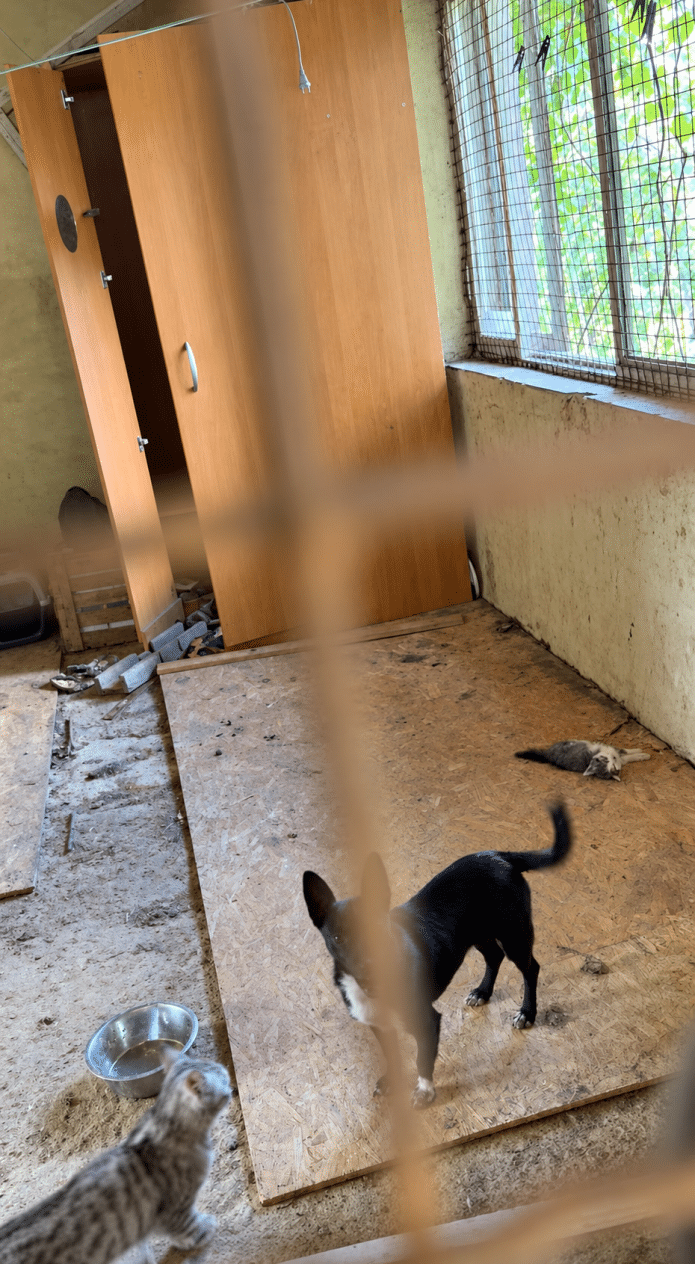
The accounts shared with us by residents paint the same picture: dead dogs and cats on the roads, howling, and the nighttime cries of locked-up livestock. One elderly woman described the sounds the cows made as moaning.
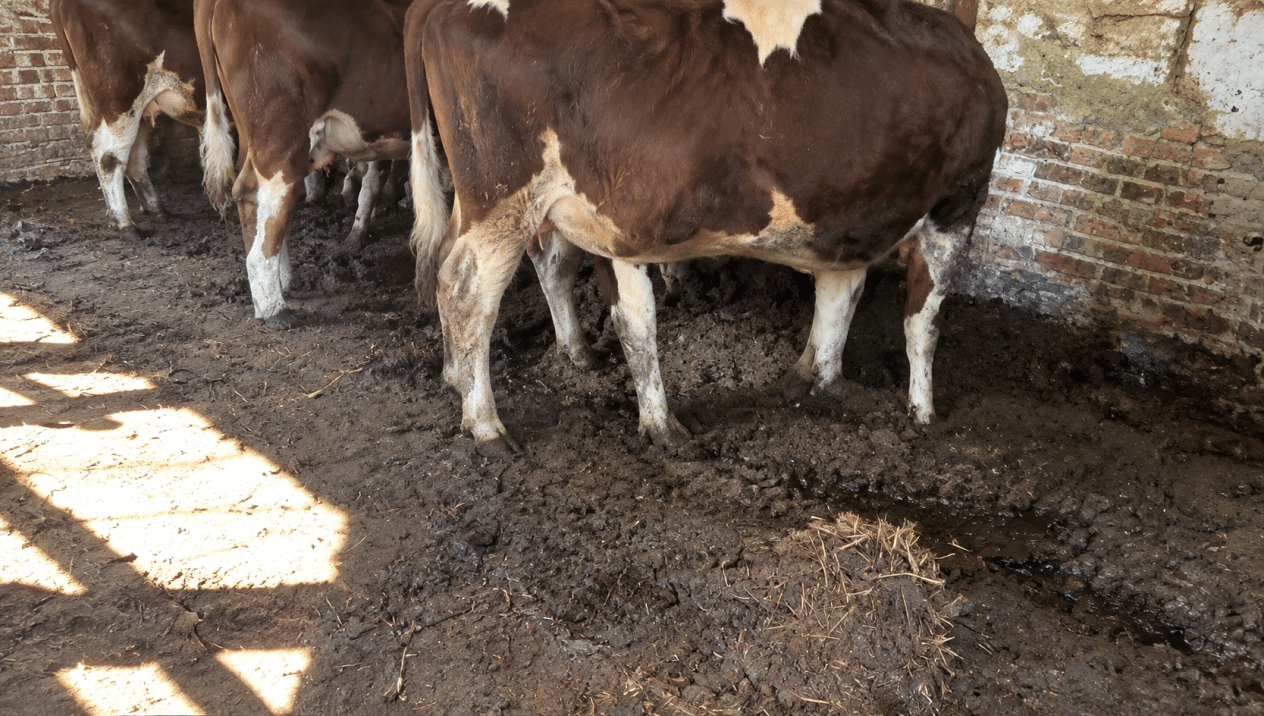
When people entered the buildings where the livestock was kept, they described layers of manure, in some places up to their knees. The animals were housed in empty neighboring huts. Residents tell of cows that had not been milked for a long time, and of a goat that was kept without proper supervision among many billy goats, allowing for uncontrolled mating.
Behind these details lies the everyday life of creatures entirely dependent on humans. They could not open a door, fill a bowl, or find a safe place on their own.
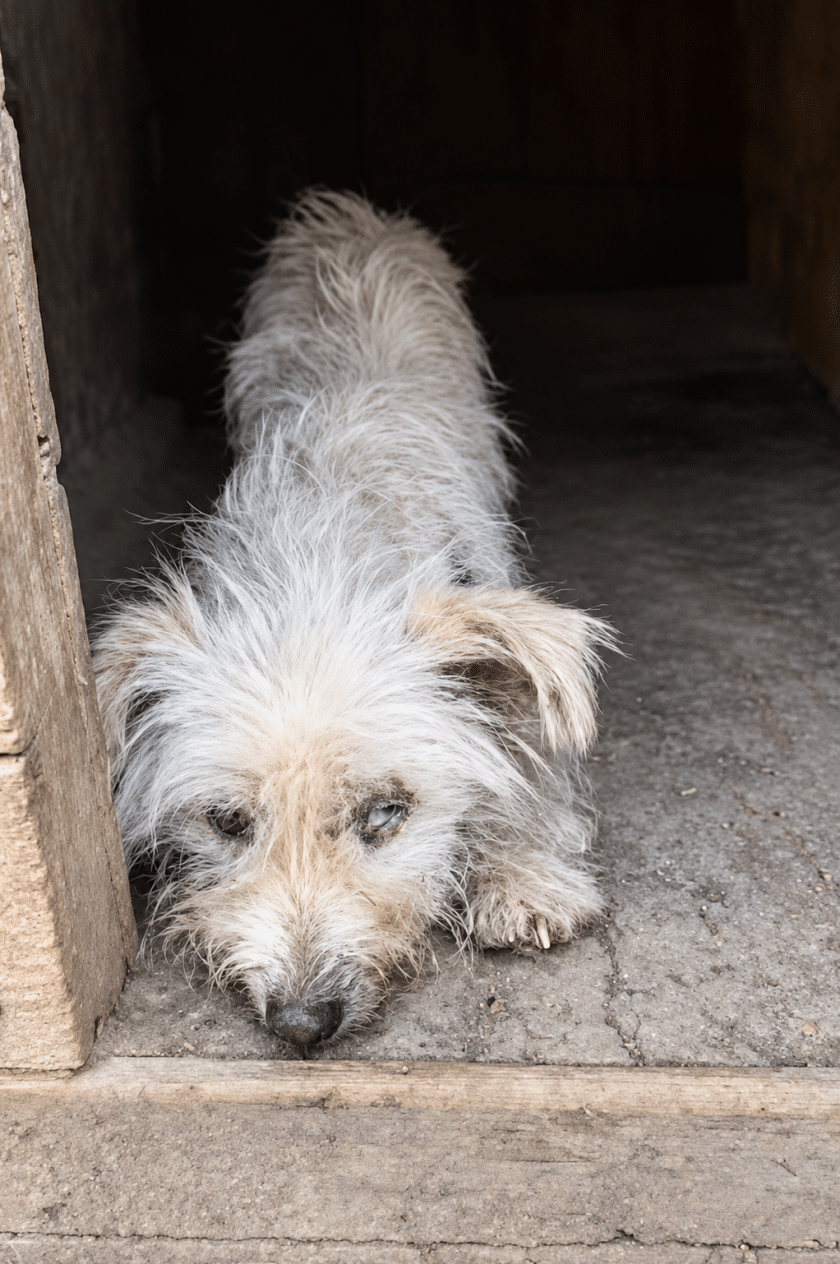
People reached out for help. The animals remained
For years, fellow villagers tried to get help: they called the police, appealed to local authorities, the prosecutor’s office, and journalists. The story was covered on television. Neighbors repeatedly explained what was happening, showed the consequences, took the matter to court, and waited for action.
Officials were also aware of the problem. In a previous public report, a police representative mentioned three complaints and a court case.
But the lack of space for two hundred dogs does not solve the issue of their food, water, and daily care. While the discussions were ongoing, the animals’ lives depended on what was happening behind the gate.
Residents also recall how their complaints were dismissed as slander, while the owner was supported by local authorities. They also question the fate of the numerous complaints: why, after so many calls to the police, were there only a few case files?
This story demands answers not only regarding the owner’s actions. We need to find out why the already known violations have not been stopped. Suspicions of possible cover-ups and personal interests on the part of officials must be investigated.
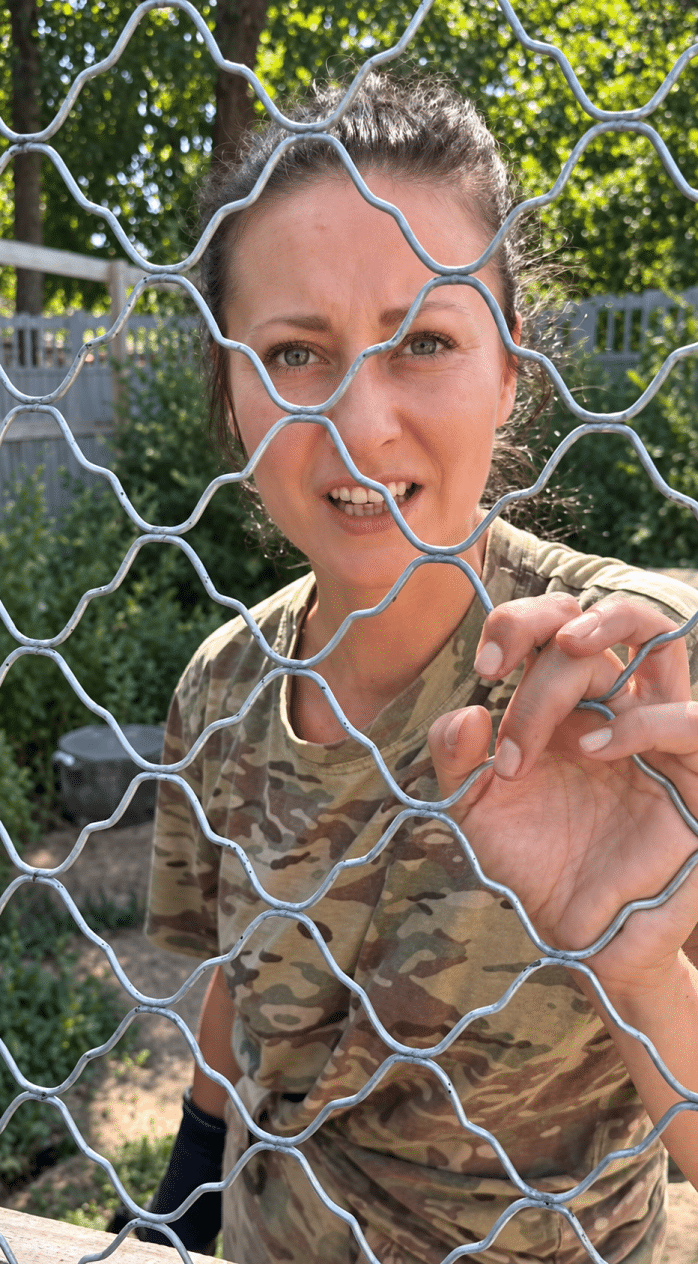
Four Years of Trust and the Arrival of a Soldier
At the center of the current events is a military woman who gave her cats to Pastukh because her service prevented her from caring for them. For four years, she sent money for their care.
In an account shared with V.O.G DOG, this woman’s trust in Pastukh became an additional point in her favor when communicating with donors: even military personnel trust her. Later, a conflict arose between them over social media posts. Amid years of complaints, the soldier, along with volunteers, decided to come and see everything for herself.
During the investigation into the circumstances, as we were told, Pastukh herself admitted that the cats had starved to death and that their bodies had been burned. In other words, all this time, the woman may have been providing aid in a place where her animals had long since disappeared.
That same account of events includes a report of a knife attack: Pastukh stabbed the soldier in the stomach, but a rigid post-surgical corset stopped the blade. The blade damaged the corset and cut through to the skin, leaving a scratch. After the altercation, Pastukh left the scene. The circumstances of the attack, as well as information regarding the manhunt and suspicions against her, require official confirmation.
The visit, which was intended to help determine the fate of the animals, turned into a dangerous situation for the woman who had maintained this “shelter” for years.
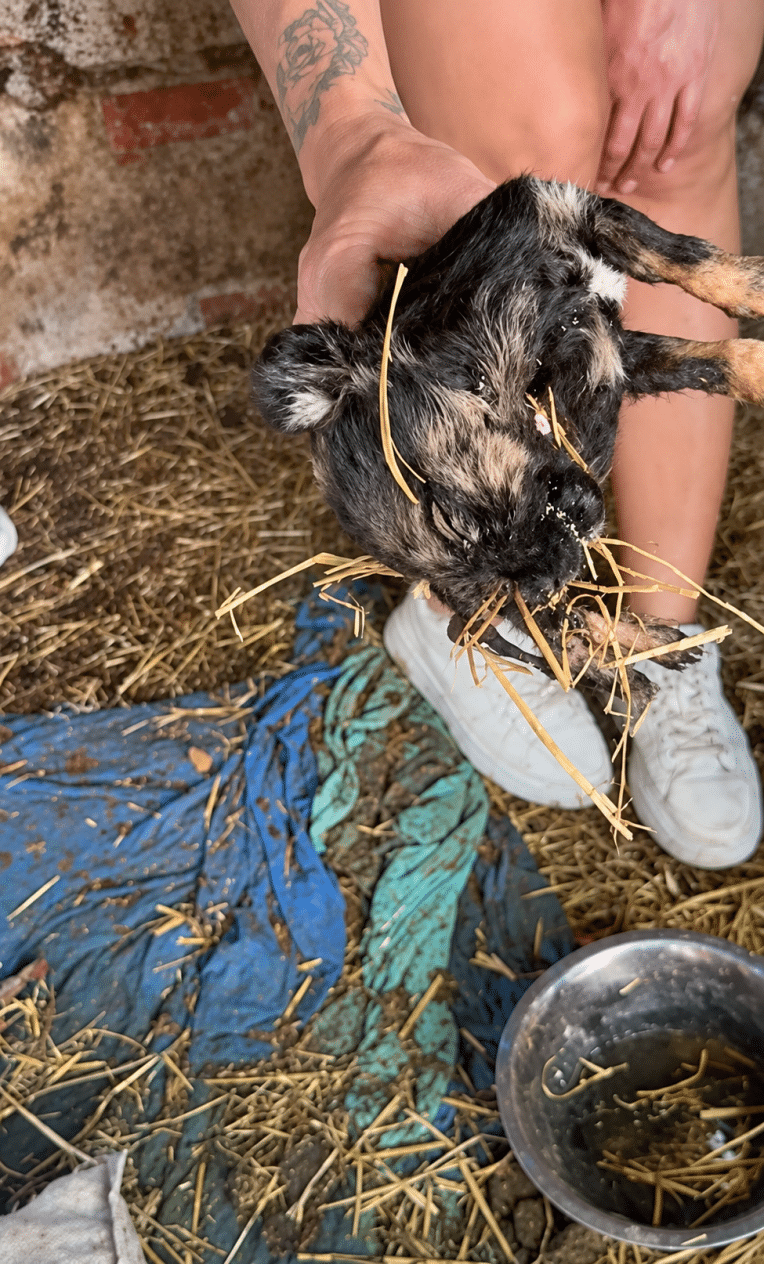
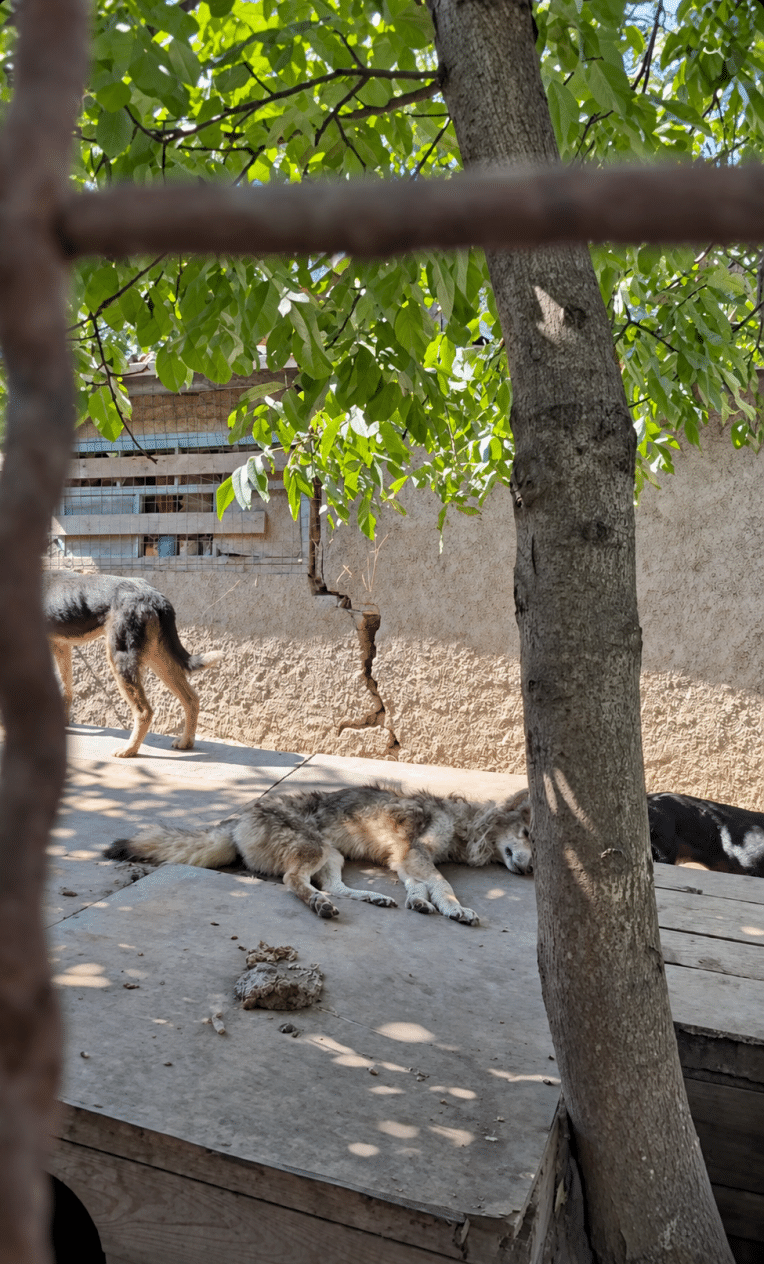
Where Did the Aid and the Animals Go?
Residents suspect that some of the delivered food was being resold. They describe how, after large shipments arrived, other vehicles would come and take the aid away.
Particularly distressing are reports of animal carcasses in a well, where Tamara allegedly disposed of dead dogs. An investigation is expected; experts will determine exactly what is there.
The fate of the purebred dogs also remains unknown; according to the information we have received, they were taken away even before the current events. People fear that a similar place could appear elsewhere. That is why it is important to determine where these animals ended up and to keep track of them.
Those Still Waiting
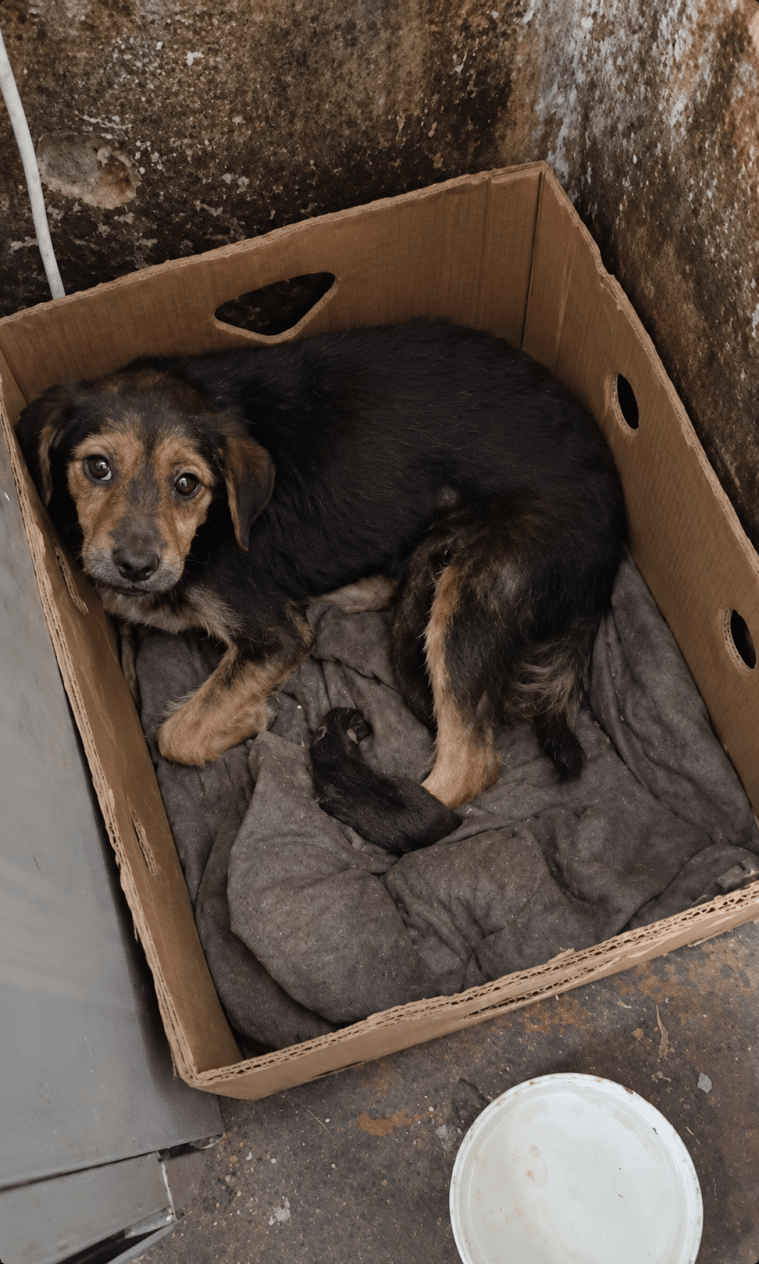
Rescue efforts are currently underway every day in Bryhidivka. Dogs and cats are being transferred to other shelters and to caring individuals. Cows, horses, and goats are being placed with written commitments to care for them and not send them to slaughter.
UAnimals also reported that 14 dogs were taken to a clinic and their treatment was paid for.
A large amount of food has been delivered to the site. The animals are currently being cared for by concerned citizens and military personnel, and legal support is in place to ensure that all procedures and transfers of the animals are handled properly.
According to the latest update we received on September 6, the dogs had already recovered somewhat after about a week. About 70 were still on site. Behind every number is a living animal in need of a safe home, care, and a person by its side.
Preventing This from Happening Again
We are publishing this article to raise awareness, which will help ensure the rescue is completed. Attention is needed even after the last dog is removed from the area: it’s important to know the animals’ fate and the results of the investigation.
When handing an animal over to a shelter, check the conditions. Go in person or ask someone you trust to do so. Ask about your pet’s future, request up-to-date photos and videos, and pay attention to their reporting. A popular page and heartwarming posts do not in themselves guarantee proper care.
If animals are suffering nearby, do not leave the people trying to help them to face the problem alone. Document what you see, contact the police and animal welfare organizations, save their responses, and share verified information.
The “Brigidivka” incident showed how long suffering can last, even when it’s being openly discussed. Today, the survivors have been given a chance. Whether this becomes the beginning of a new life depends on our willingness to care.
Soldiers, you’ve proven once again: where people have been throwing up their hands and turning a blind eye for years, you find the strength to step in and help. Thank you—to the volunteers and concerned fellow villagers—for every life saved. Now our shared mission is to see this rescue through to the end.
This article is based on the eyewitness’s personal observations, accounts of the events provided by residents, and publicly available reports. Information about the progress of the rescue operation is current as of September 6, 2026.
https://www.facebook.com/reel/860819756999582
https://www.facebook.com/reel/1749942966276264
https://www.facebook.com/reel/906593585858451
https://www.facebook.com/reel/1247393094172992
https://www.facebook.com/reel/1757232545526265
https://www.facebook.com/reel/1962439697764509
https://www.facebook.com/reel/1390073182630172