Some dogs carefully study a stranger at first, while others bring him their favorite toy within a minute. Friendliness doesn’t depend solely on breed: a dog’s temperament is influenced by genetics, training, socialization, and past experiences. However, some breeds are indeed known for their openness toward people and their desire to be part of any group.
Let’s meet seven dogs that often see a new person not as a threat, but as a potential friend.
1. Golden Retriever
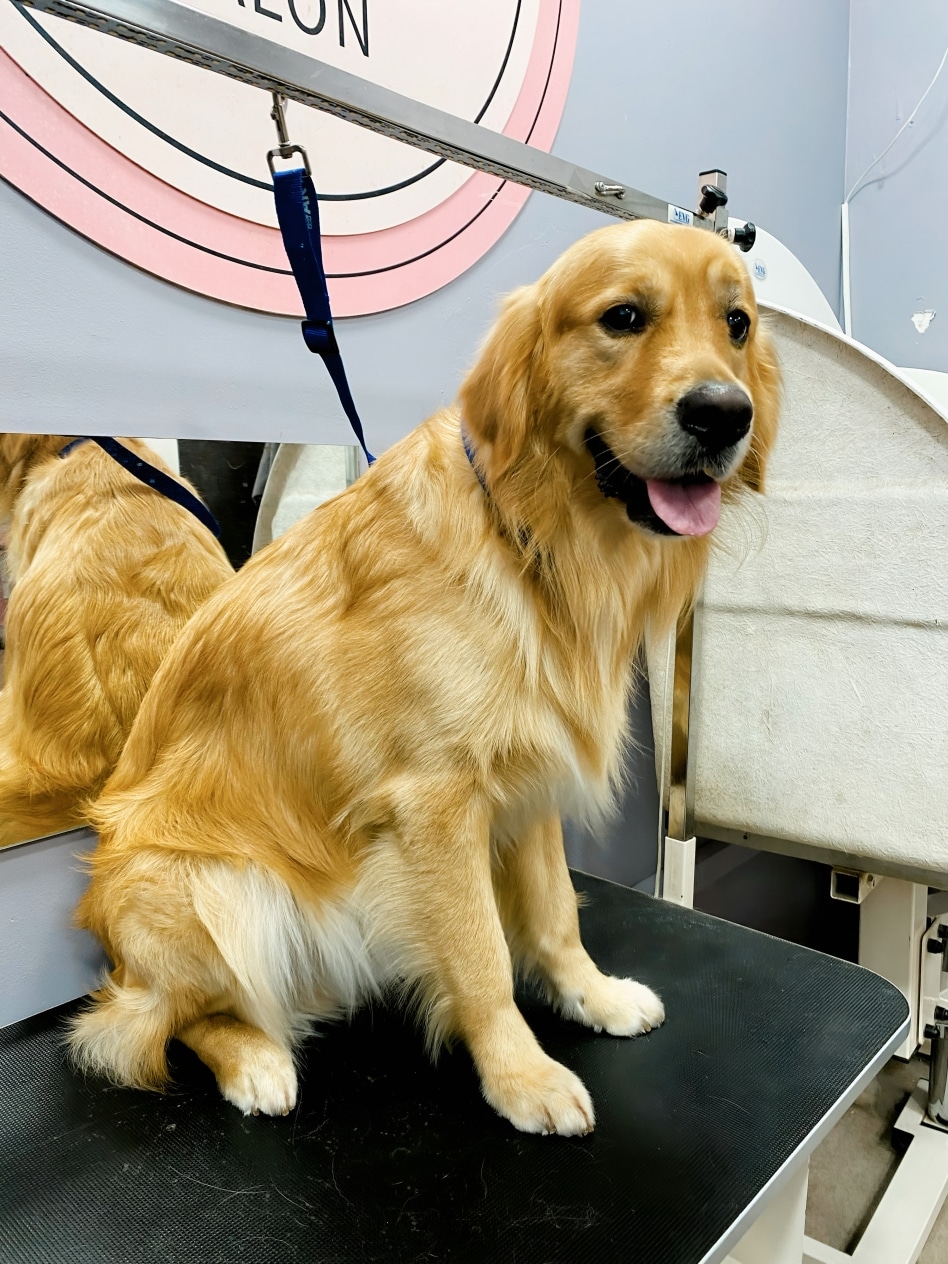
A Golden Retriever can greet a stranger as if it had been waiting for them its whole life. These dogs are usually patient, sociable, and surprisingly sensitive in their interactions. They’re good at sensing a person’s mood and often just stay close when words aren’t needed.
That’s exactly why Golden Retrievers work as guide dogs, therapy dogs, and human companions. However, their kindness doesn’t eliminate the need for training. A young retriever is a rather large and energetic “golden rocket” that might greet a guest by jumping right into their arms.
2. Labrador Retriever
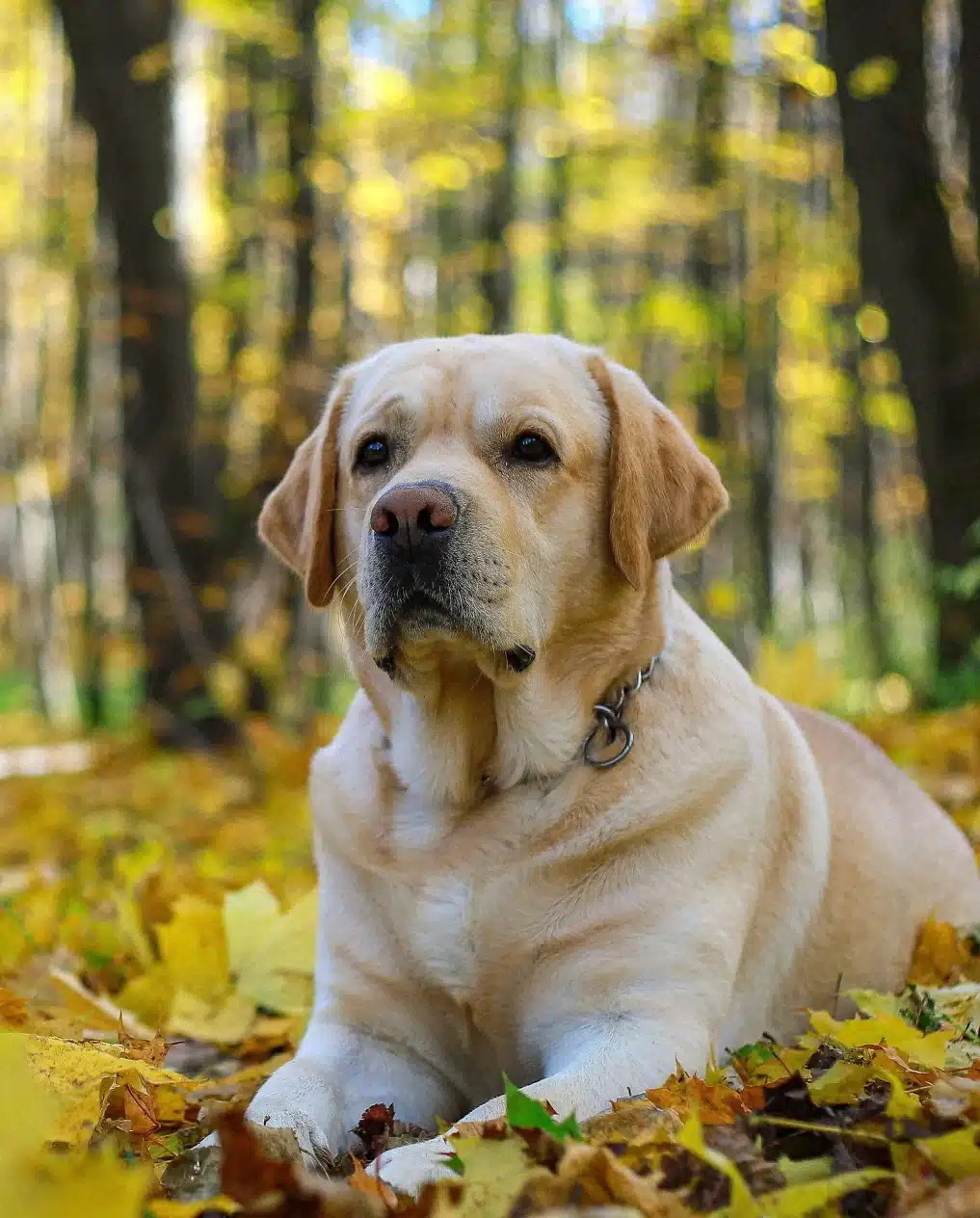
To a Labrador, the world is full of friends, food, and objects that must be brought to their owner immediately—preferably in that exact order. Dogs of this breed are open-minded, cheerful, and usually get along easily with adults, children, and other animals.
Labradors love to be part of everything: walks, family trips, swimming, and even unpacking groceries—even though no one asked them to do the latter. They need exercise, training, and a controlled diet—this friendly optimist is often convinced they haven’t eaten in years.

3. Cavalier King Charles Spaniel
The Cavalier is a small dog with a great talent for creating a cozy home atmosphere. He loves to go for walks, play, meet new people, and then settle in as close to his owner as possible.
These spaniels are gentle and form strong bonds with their families. They rarely want to be mere observers and prefer to participate in every household activity—even if their help consists of lying in the middle of the hallway. Cavalier King Charles Spaniels have a hard time with prolonged loneliness, so this breed thrives best where it can receive plenty of attention.

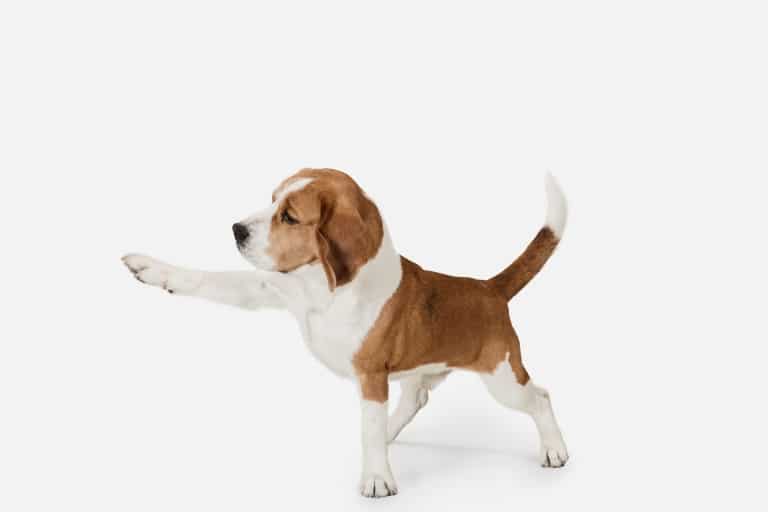
4. Beagle
It’s no coincidence that Beagles are sociable: these dogs were bred to work in packs, so companionship is a natural part of their lives. They are generally friendly toward people and other dogs, love active games, and quickly become part of all family activities.
However, the Beagle’s friendliness is paired with a hunting instinct. As soon as their nose picks up an interesting scent—even their favorite owner may lose the top spot in the dog’s priority list for a few minutes. Beagles need a secure leash, interesting walks, and scent-hunting activities.
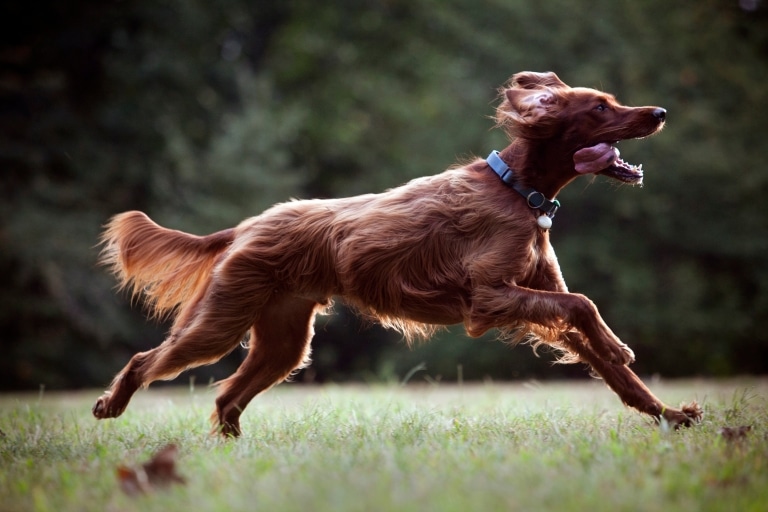
5. Irish Setter
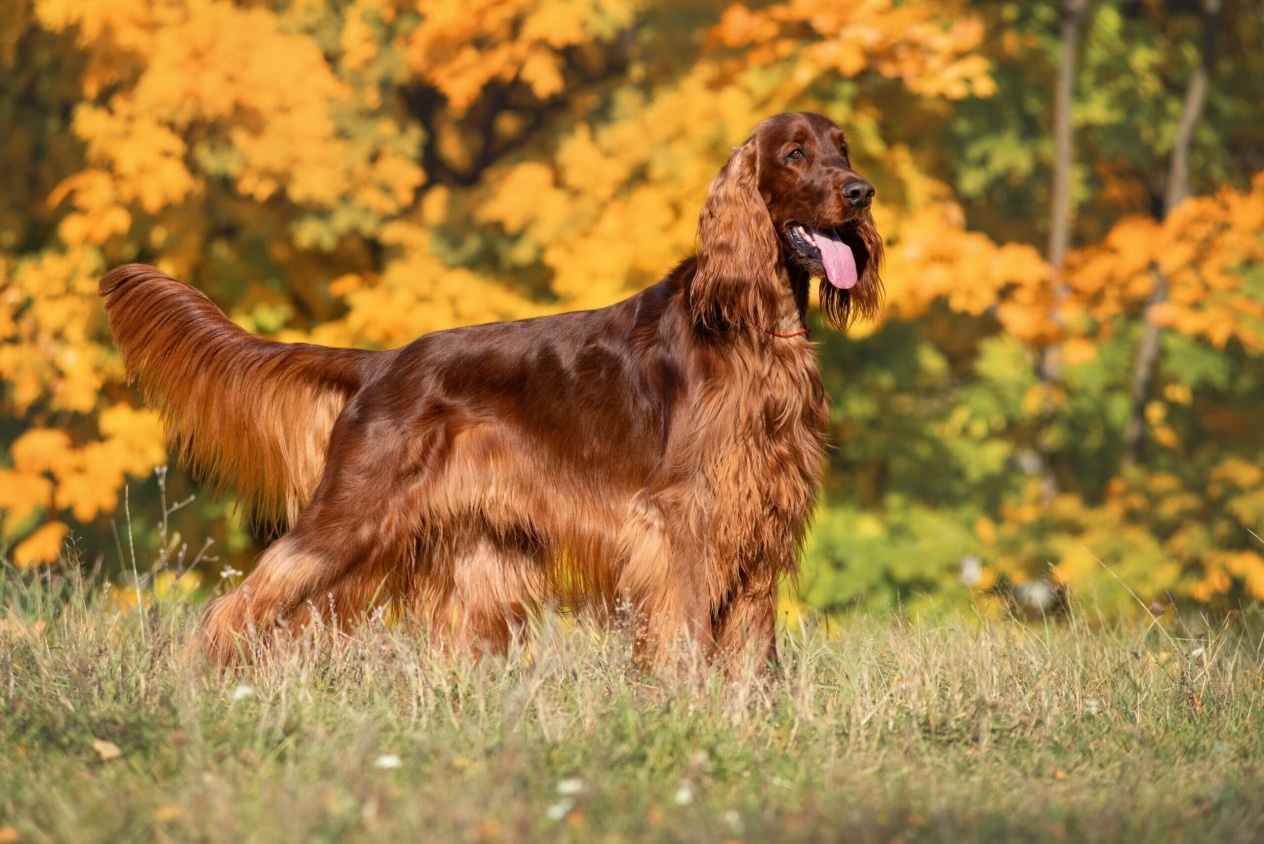
The Irish Setter looks like an aristocrat but behaves more like a cheerful friend who’s always ready for adventure. He’s emotional, playful, and usually eager to meet new people.
These dogs retain their youthful spontaneity for a long time and can remain true pranksters even as adults. A Setter needs plenty of exercise: without active walks, its boundless zest for life may turn into a creative home renovation project.
6. Bichon Frise
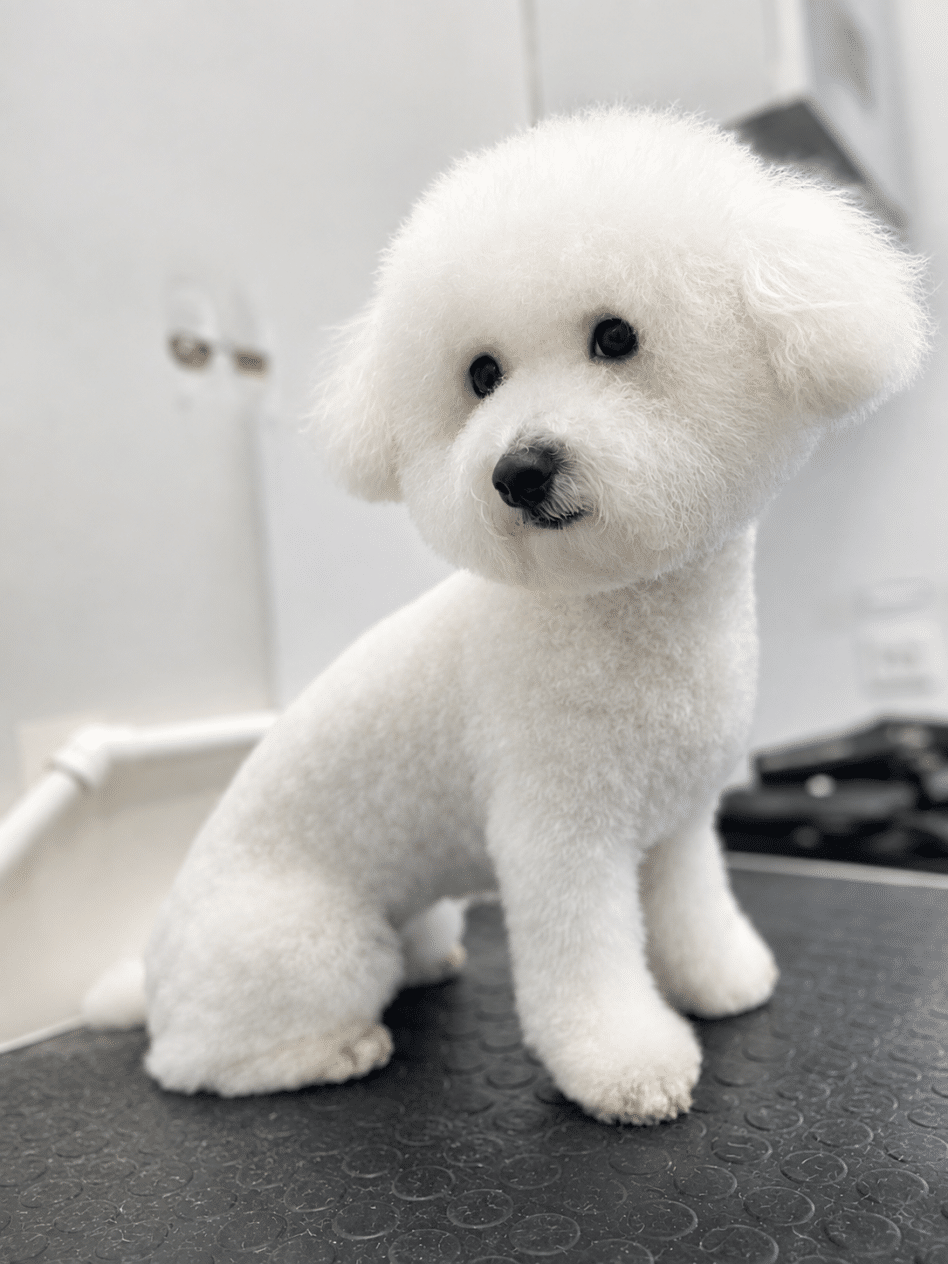
Behind the Bichon’s fluffy appearance lies a sociable and cheerful dog. It loves attention, adapts easily to city life, and often enjoys meeting guests.
The Bichon knows exactly how to use its charm: one attentive glance—and a person is already sharing a spot on the couch. At the same time, this breed needs training, play, and social interaction. And its snow-white coat, which resembles a little cloud, requires regular grooming at home and by a professional groomer.

7. Newfoundland
A Newfoundland can weigh almost as much as an adult human, but often behaves surprisingly cautiously and gently. Members of this breed are known for their calm temperament, patience, and strong desire to be close to their family.
These dogs are excellent swimmers and have a natural rescue instinct. However, at home, such a giant takes up a lot of space, sheds a lot of fur, and doesn’t always control its drooling. Its friendliness is immense—just like everything else about it.
Does a friendly breed mean the dog doesn’t need to be trained?
Even the most sociable dog isn’t born with a set of ready-made behavioral rules. It needs to be gradually introduced to people, other animals, city noises, car rides, and various situations. Personal boundaries are also important: not every dog enjoys hugs, being touched by strangers, or overly active children’s games.
Furthermore, friendliness doesn’t mean unlimited patience. If a dog turns away, licks its lips, flattens its ears, freezes, or tries to walk away, it needs space.
Conclusion
Golden Retrievers, Labradors, Cavalier King Charles Spaniels, and other breeds from our selection are known for their open and gentle nature. However, a breed only suggests possible traits—it doesn’t guarantee them.
The friendliest dog isn’t necessarily the one that greets every passerby. It’s a pet that trusts people, feels safe, and knows how to interact calmly with the world. And the foundation of such behavior is care, proper socialization, and respect for the dog’s individuality.