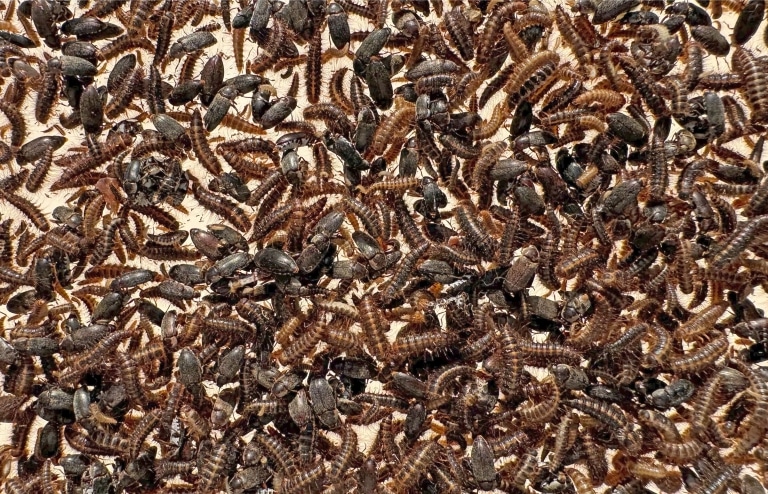
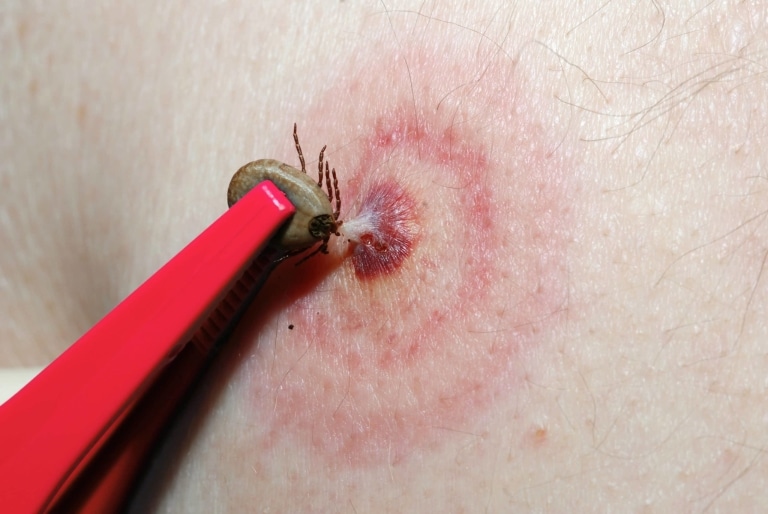
Diseases transmitted to humans by pets are quite common in today’s world. Young mothers often let their little ones simply pet a dog or cat, while other mothers teach their children that they shouldn’t approach a stranger’s dog—regardless of whether it’s clean or dirty, a mutt or a purebred—but children don’t pay attention to this. Toddlers, like some older children and adults, often even go so far as to kiss a dog without giving the consequences a second thought. Children don’t listen to their parents or their advice—which is often very important—and put their lives and health at risk. A child sees a dog or a fluffy kitten as a source of joy and pleasure, a loyal friend, and simply a “spontaneous” reason to play. Unfortunately, these risks are very high, because diseases transmitted by dogs are often deadly to humans. Today we’ll talk about what diseases you can catch from dogs and how to protect yourself from infection.
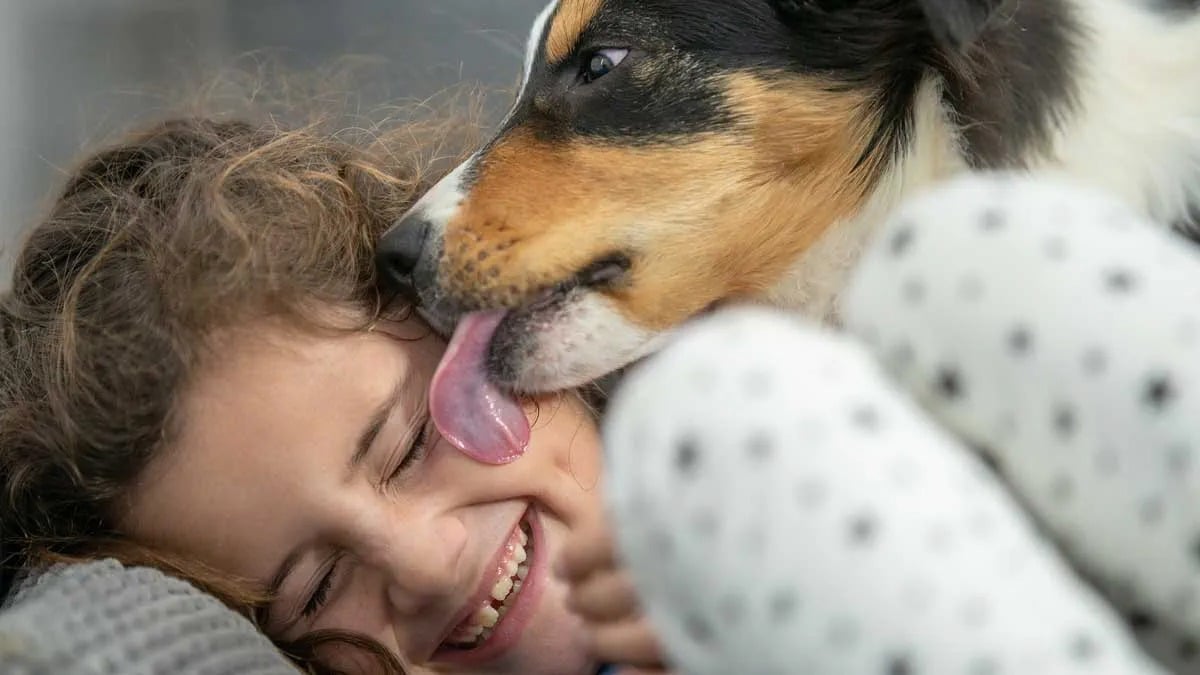
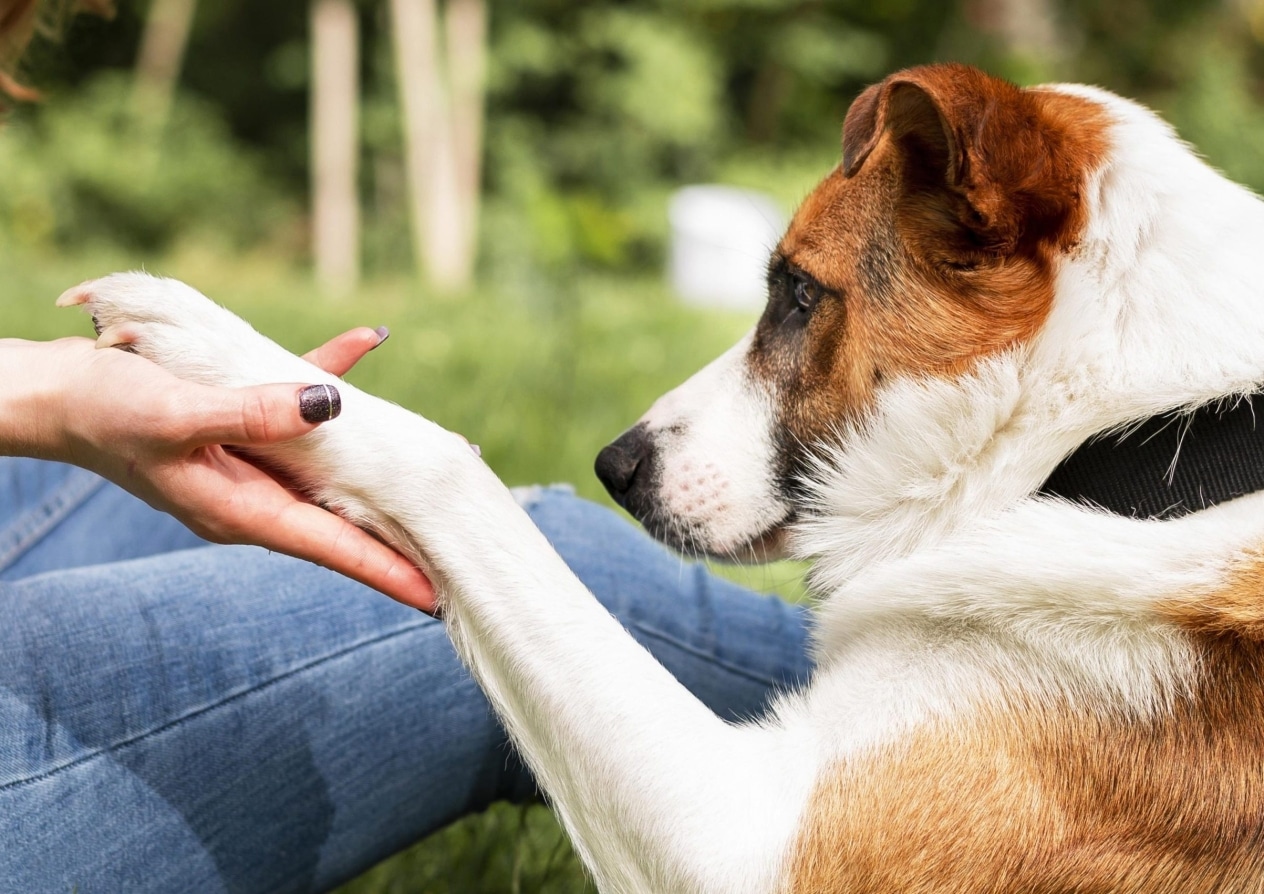
Why do people love cats and dogs so much?
Pets have long been considered part of the family in Ukraine. This can already be called a “Ukrainian tradition.” Ask any passerby in your city if they have a cat or a dog, and many will answer, “Both a cat and a dog.”
They help lonely people cope with loneliness, just as they provide comfort to retirees and grandparents, who often live alone. They serve as a source of comfort for children, who spend a lot of time playing with a cat or a dog. What a joy it is to play ball outside with your furry friend. Pets always bring joy, good cheer, comfort, and playtime for a child. Often, you wake up to hear someone “purring” in your ear or barking loudly—“Woof, woof”—if there are guests, neighbors, or strangers in the yard. And a dog is also a loyal friend for many years and a guardian of the yard. That’s exactly why people adore their four-legged friends so much.
Infections Transmitted to Humans by Dogs
Unfortunately, ignoring hygiene rules when interacting with dogs can cause a number of diseases in humans. Some of them are listed below:
Leptospirosis
The Leptospira bacterium causes an infectious disease called leptospirosis. Once the Leptospira bacterium enters the water from a dog’s urine, any other animal can become infected, as this bacterium spreads quickly. If a person comes into contact with an infected animal and has open wounds on their body—such as pimples, cuts, or scratches—this can be dangerous, as the bacteria quickly enter the body through the bloodstream and mucous membranes. The mucous membranes of the nose, mouth, and eyes are highly susceptible to leptospirosis infection.
Leptospirosis, an infectious disease, is unfortunately very difficult to diagnose, as its symptoms closely resemble those of other illnesses. In winter, the symptoms of this infection can easily be mistaken for the flu, as the symptoms and course of the disease are very similar. It is important to make a timely diagnosis and, at the first sign of suspicion, undergo the necessary laboratory blood tests, as well as take all measures recommended by an infectious disease specialist. Often asymptomatic or mild, the disease affects the kidneys and liver and can lead to infectious meningitis.
If you notice any of the symptoms listed below after contact with a dog, you should see an infectious disease specialist immediately without delay. Symptoms of leptospirosis that should not be ignored include headache, fever, muscle discomfort, red eyes, a rash on the body, and diarrhea. Unfortunately, kidney and liver damage, as well as infectious meningitis, can be fatal if diagnosis and treatment are delayed.
Rabies
Rabies is a deadly viral infection that affects humans after an animal bite. The causative agent of this deadly infection is the Neuroryctes rabici virus. You can often encounter dirty stray dogs on city streets; some of them are calm and well-behaved, while others are quite aggressive, as they are often hungry. Stray dogs may be infected with rabies. Do not run, make noise, approach, or provoke an unfamiliar, aggressive dog in any way. After an attack or bite, the infection spreads quite quickly through the blood and mucous membranes. After a bite, you must immediately call an ambulance and specialists from veterinary centers that treat rabies. Currently, people in Ukraine who have been attacked or bitten by such dogs can receive free medical care. The main signs of rabies—which should not be ignored—are the prodromal phase, the acute phase, and the terminal phase. The prodromal phase is characterized by fever, general weakness, headaches, nausea, and vomiting, as well as pain, burning, and itching at the bite site. During the acute phase, the person develops hydrophobia and aerophobia—that is, a fear of water, wind, and air. Hallucinations are highly likely, followed by excessive salivation, convulsions, paralysis, and often a coma. If diagnosis and treatment are delayed, the terminal phase sets in. In the terminal phase, paralysis, respiratory arrest, and cardiac arrest occur, leading to death.
Salmonellosis
Salmonellosis, an acute intestinal disease, is caused by infection with the Salmonella bacterium. Most often, pet owners contract this infection while regularly cleaning up after their pets. Proper cleanup requires the use of all necessary hygiene measures—to ensure effective cleaning, a clean environment for your pet, and your own safety. Owners should always clean their dogs’ outdoor litter boxes and living areas while wearing disposable gloves and a mask, and they should wash the doghouse and bowls with clean water mixed with disinfectants and detergents. All items necessary for the dog’s living space should be thoroughly rinsed with water, and cleaning supplies should be disposable—dispose of them in a securely tied bag in the trash can or burn them. The Salmonella bacterium is resistant to virtually all classes of antibiotics, and treatment is always lengthy and expensive. Symptoms of salmonellosis include fever, diarrhea, and gastrointestinal disturbances; the first sign is a sudden rise in body temperature.
Toxocariasis
Toxocariasis is a parasitic disease caused by parasites that live and reproduce in a dog’s intestines. Owners who enjoy playing with and petting their dogs, just like their children, are at risk of contracting this parasitic disease. After infection, a rash appears on the body, the face swells, and the body temperature rises. Adults and children may experience diarrhea, abdominal pain, and bloating upon infection. Sudden nausea and vomiting often occur. If the larvae enter the eyes, the affected eye becomes red, white spots appear on the pupils, and vision deteriorates sharply. In some cases, damage to the central nervous system is also diagnosed. This infection requires immediate hospitalization and specialized treatment. Toxoplasmosis is usually treated with anthelmintic drugs, corticosteroids, antihistamines, and antibiotics. All medications are prescribed by a doctor depending on the severity of the infection.

Prevention of Infectious and Viral Diseases from Dogs and Advice for Owners
Anyone who likes to feed stray dogs and comes into contact with homeless animals should not ignore veterinarians’ advice and requirements regarding mandatory safety rules when handling animals. Remember that during walks, pets often come into contact with stray dogs, and this also poses a certain risk, as infections and viruses can be transmitted. After contact with an animal, be sure to wash your hands with soap and rinse them under running water. Even if you’ve been bitten by an animal but show no signs of illness, you should still wash the bite site with soap and running water. After a bite, the wound should be disinfected with an alcohol-based solution. The pet’s living area and food bowls should be regularly cleaned with disinfectants and soapy water; similarly, when feeding stray animals, all food bowls must be disinfected. When cleaning up, there is a high risk of infection if you pick up dog feces without wearing special medical gloves. Do not pet animals or allow them to touch open, bleeding wounds or scratches on a person’s body. Do not come into contact with sick animals, and don’t forget to get annual checkups from your doctor. Following hygiene rules when interacting with animals is the key to human life, well-being, and health! WE WISH EVERYONE GOOD HEALTH!!!