
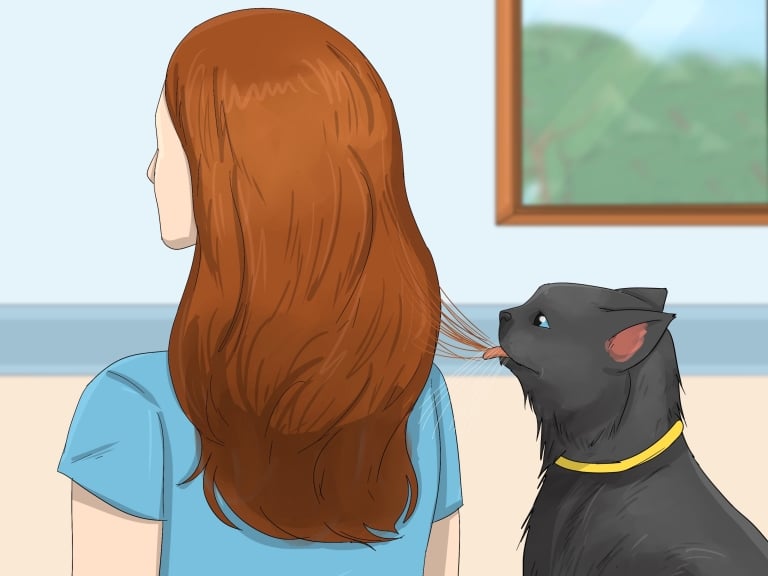
Does your cat constantly follow you around, meow loudly, beg to be picked up, get in the way while you’re working, or even prevent you from closing the door in peace? This behavior may seem cute, but over time, all that attention can start to wear on you. Most often, a cat isn’t trying to annoy its owner on purpose—it’s simply communicating its needs in the way it’s accustomed to.
Why has your cat become too clingy?
The most common reason is boredom and a lack of activity. If a cat has nothing to do, its owner becomes its main source of entertainment. It follows you around, touches you with its paw, lies down on the keyboard, and demands to play.
Sometimes people unconsciously reinforce this behavior themselves. The cat meows—it gets a treat. It jumps on the table—people start talking to it. Even a negative reaction is perceived as attention, so the animal repeats its actions.
Other possible causes include strong attachment, stress after a move, the arrival of a new pet, or the owner’s prolonged absence. But if a previously independent cat has suddenly become restless, meows constantly, or has changed its appetite or behavior, it’s important to rule out health issues.
How to Teach a Cat to Be More Independent
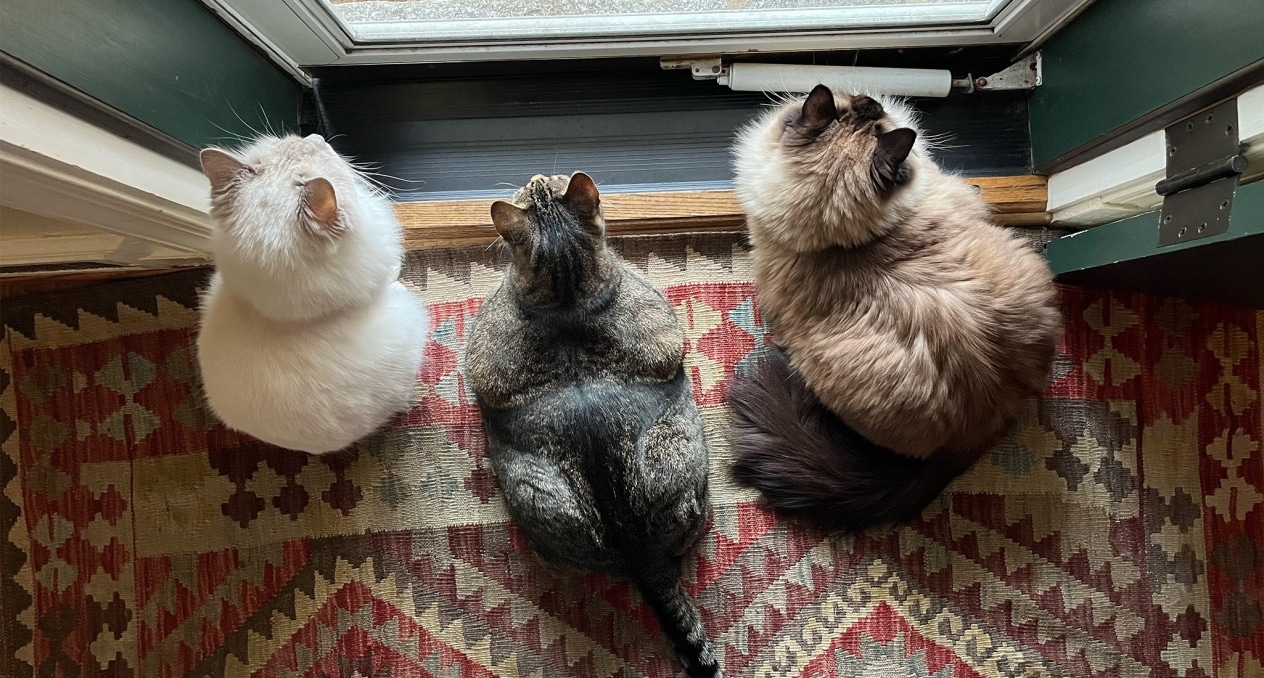
Punishment and harsh rejection won’t help—they can only increase anxiety. It’s better to incorporate a few short, active play sessions throughout the day, and provide your cat with balls, tunnels, a scratching post, and a cozy spot by the window.
Don’t react every time your cat meows demandingly. Wait until your cat calms down, and only then play with it or give it a treat. This way, it will gradually learn that calm behavior gets better results.
At the same time, the cat should receive regular attention, not just when it starts demanding it. A predictable schedule for feeding, play, and rest helps your cat feel more secure. If the clinginess has appeared suddenly or is accompanied by other unusual symptoms, it’s best to consult a veterinarian.
Conclusion
Excessive clinginess in cats is most often linked to boredom, habit, or a need for attention. Active play, a consistent routine, and calmly setting boundaries can help. If the behavior has changed suddenly, it’s worth having the animal checked by a veterinarian.