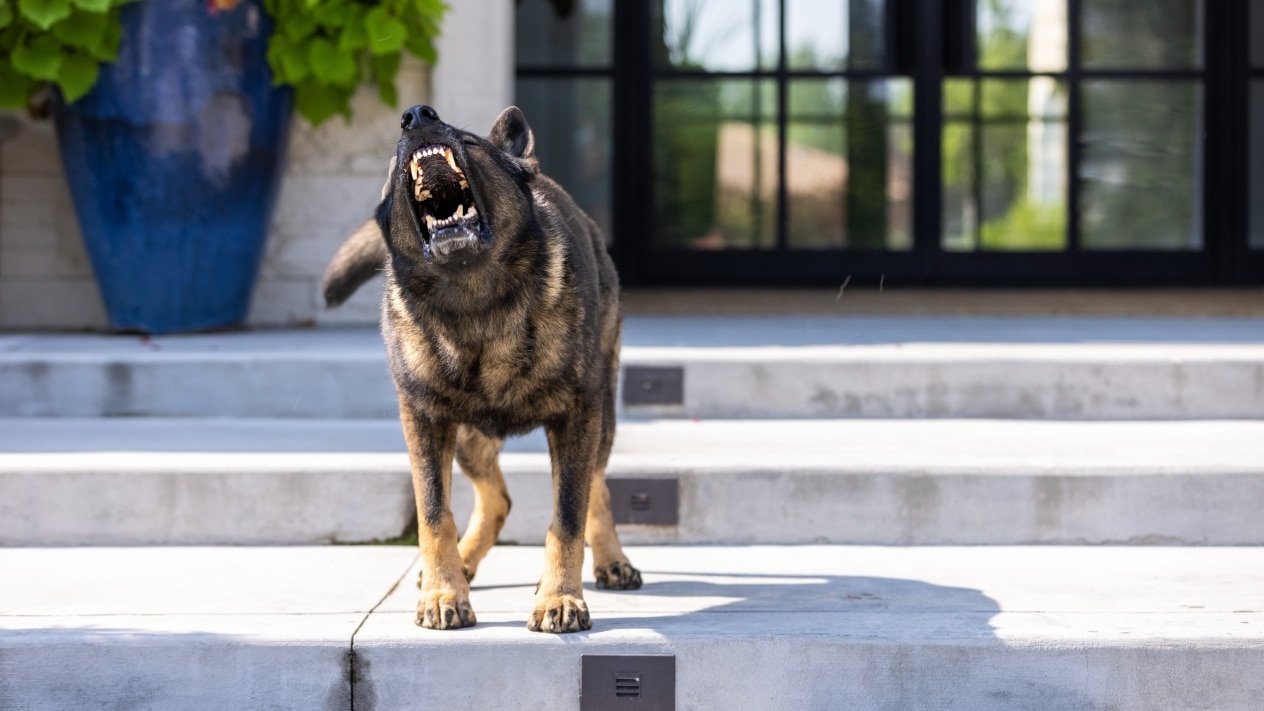
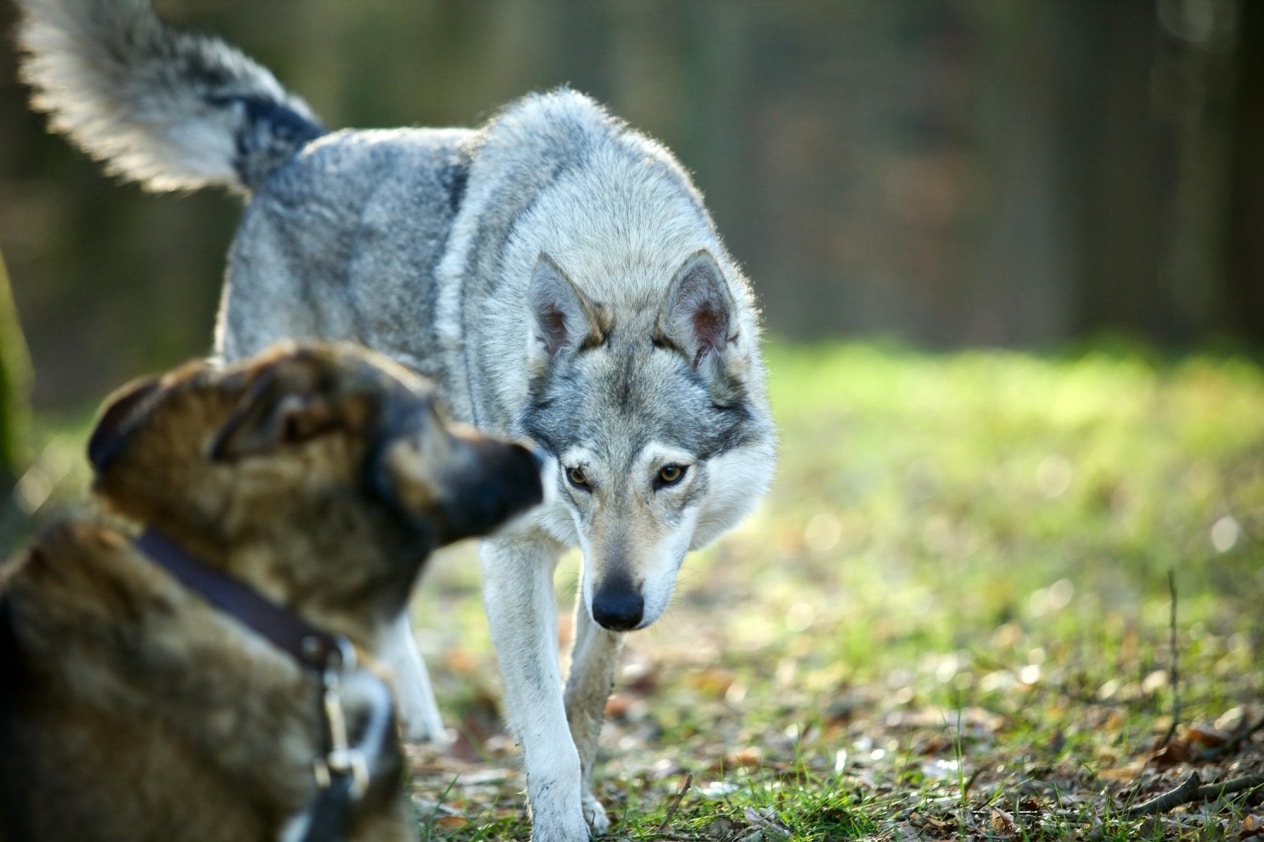
Let’s imagine a walk near the forest: a person spots a wolf, but their German Shepherd doesn’t rush forward. The dog freezes, barks, or stays close to its owner. Does this mean the dog isn’t protecting its owner? No. We often think of protection as an attack, although for a dog, the situation is much more complex.
A sheepdog isn’t born with a duty to fight a wolf
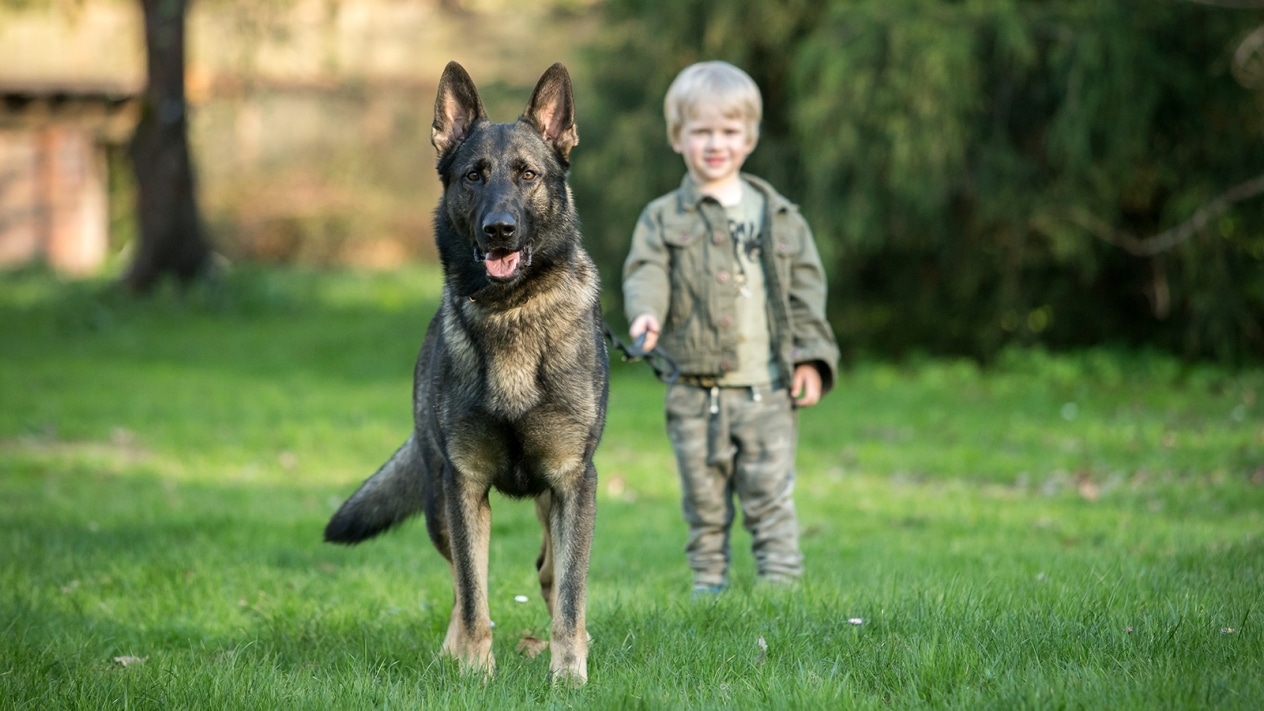
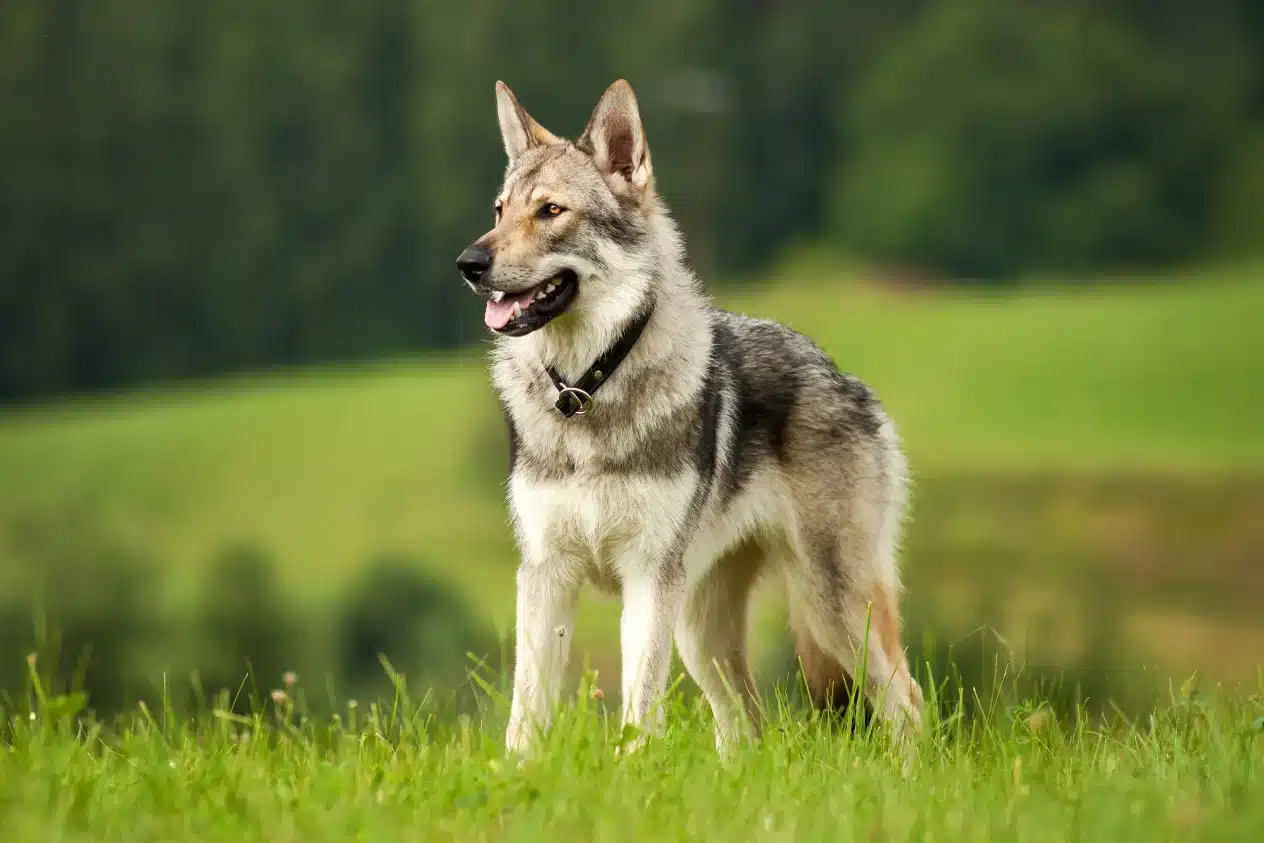
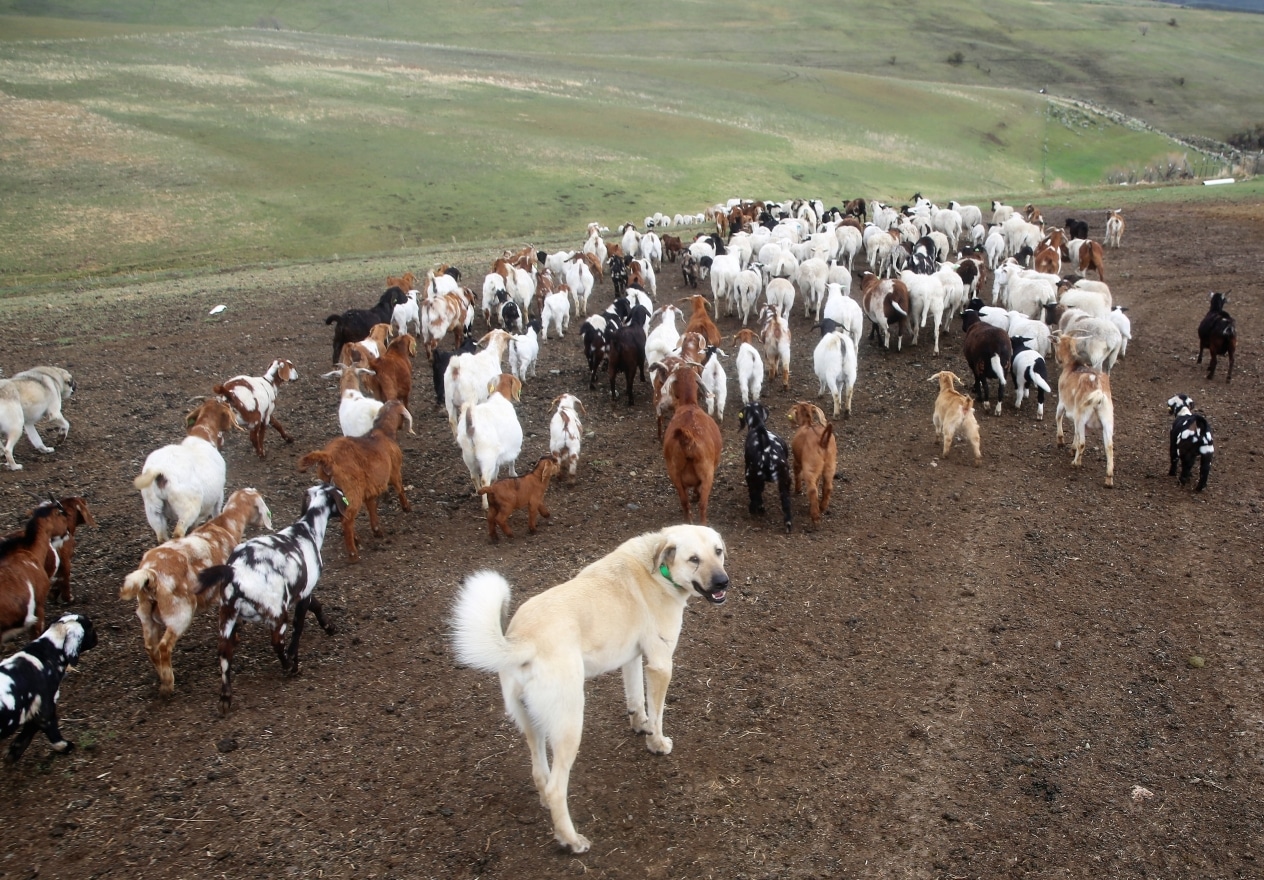
The term “shepherd dog” encompasses dogs with different roles. Some helped shepherds gather and herd flocks. Others were raised alongside the herd so they could spot predators and chase them away. A German Shepherd kept as a pet doesn’t become a wolf guard simply because of its breed name.
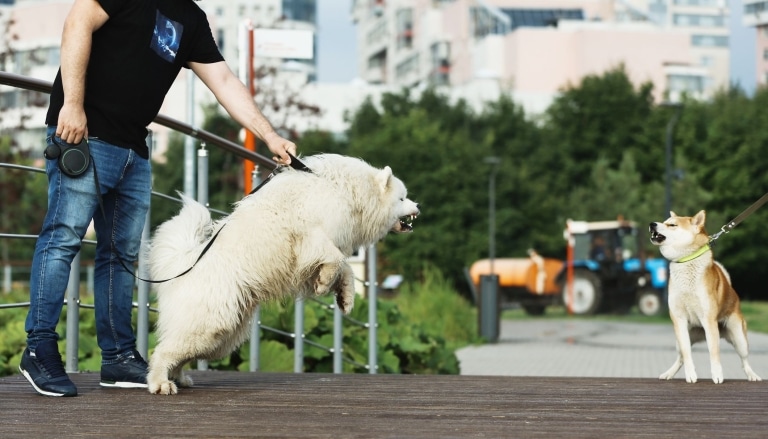
Even if a dog is brave and very attached to its owner, it may have never seen a wolf before. Dogs don’t have a set script for such an encounter. One might bark and stand in front, another might watch warily, and a third might retreat toward its owner. The reaction is influenced by the dog’s temperament, its experience, the distance to the wolf, and the ability to retreat. It would be unfair to draw conclusions about loyalty based on a single moment like this.
Protecting its owner doesn’t always mean attacking
A wolf is a dangerous opponent for a dog. Moreover, an encounter between a person and a wolf does not necessarily escalate into an attack. If a dog runs toward the predator, it may put itself in danger and complicate the situation for its owner. Therefore, barking, watching closely, or retreating alongside the person should not be called cowardice.
Dogs specifically trained to guard herds also do not seek a fight just for the sake of it. Their job is to spot a threat in time, warn of it, and prevent the predator from getting close. Sometimes this is enough without a confrontation.
So if a domestic sheepdog didn’t charge at a wolf, that’s not proof that it “failed to protect” its owner. You shouldn’t expect a dog to engage in a fight for which it wasn’t trained and which could cost it its life.