

Germany has given the world many famous dog breeds that are popular today in virtually every country. It was German breeders who developed numerous working, guard, and family dogs, renowned for their intelligence, endurance, and loyalty to humans. Many of these breeds have long since become true legends.
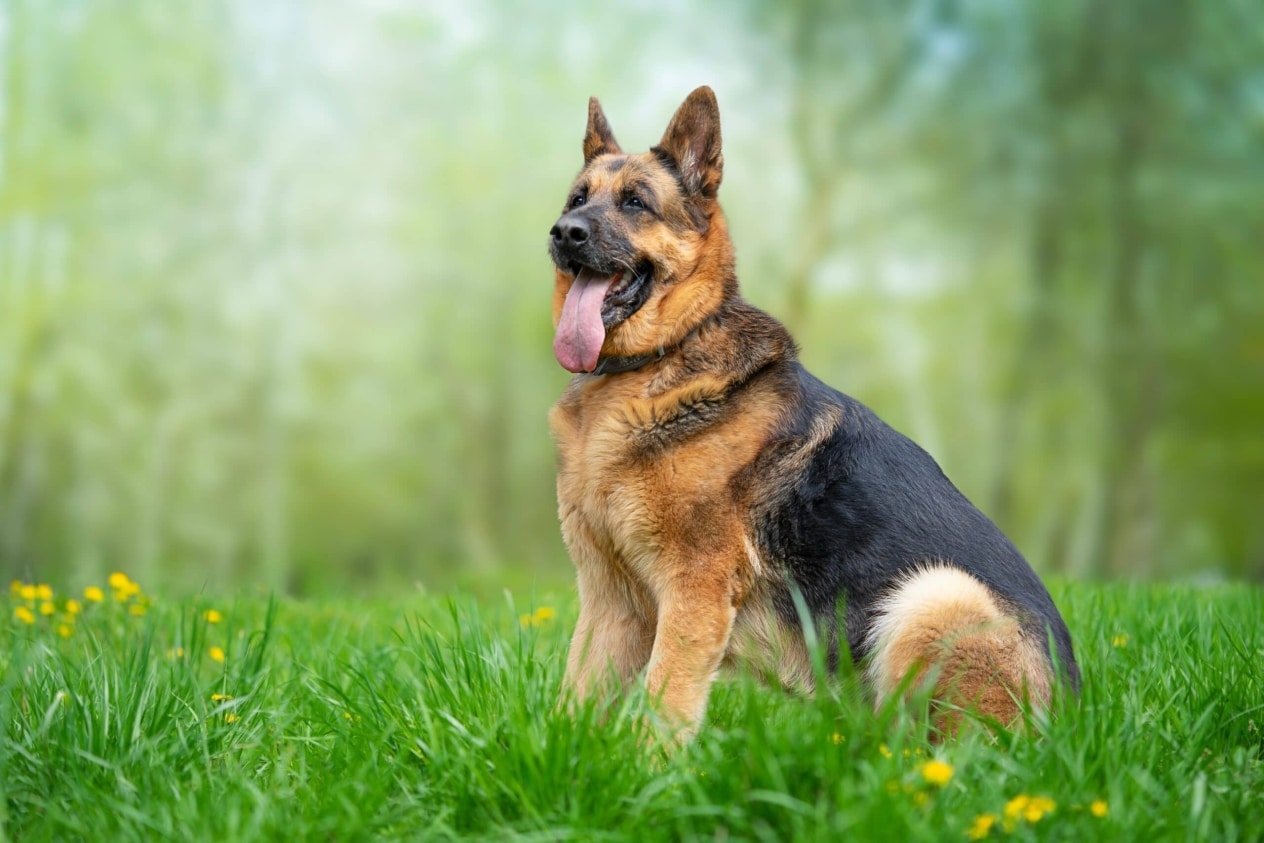
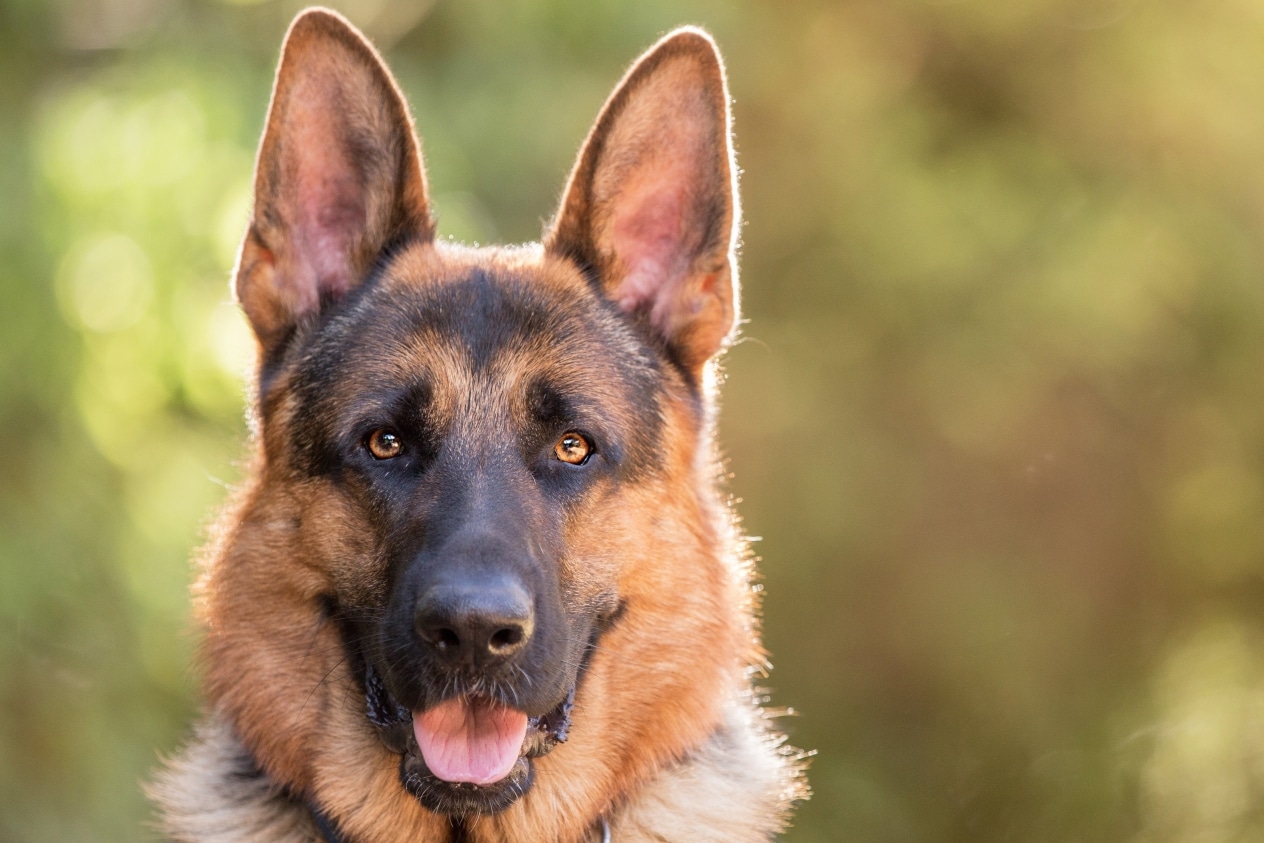
German Shepherd
The German Shepherd is one of the most famous and intelligent breeds in the world. These dogs are most commonly found in police, military, rescue, and security services. They learn very quickly, remember commands well, and form strong bonds with their owners.
This breed is renowned for its loyalty and ability to protect the family. German Shepherds are excellent at sensing a person’s mood and often become not just pets, but true members of the family. However, due to their high intelligence and energy level, these dogs need constant activity and training.
Interestingly, German Shepherds are among the smartest dogs in the world and can learn new commands after just a few repetitions.
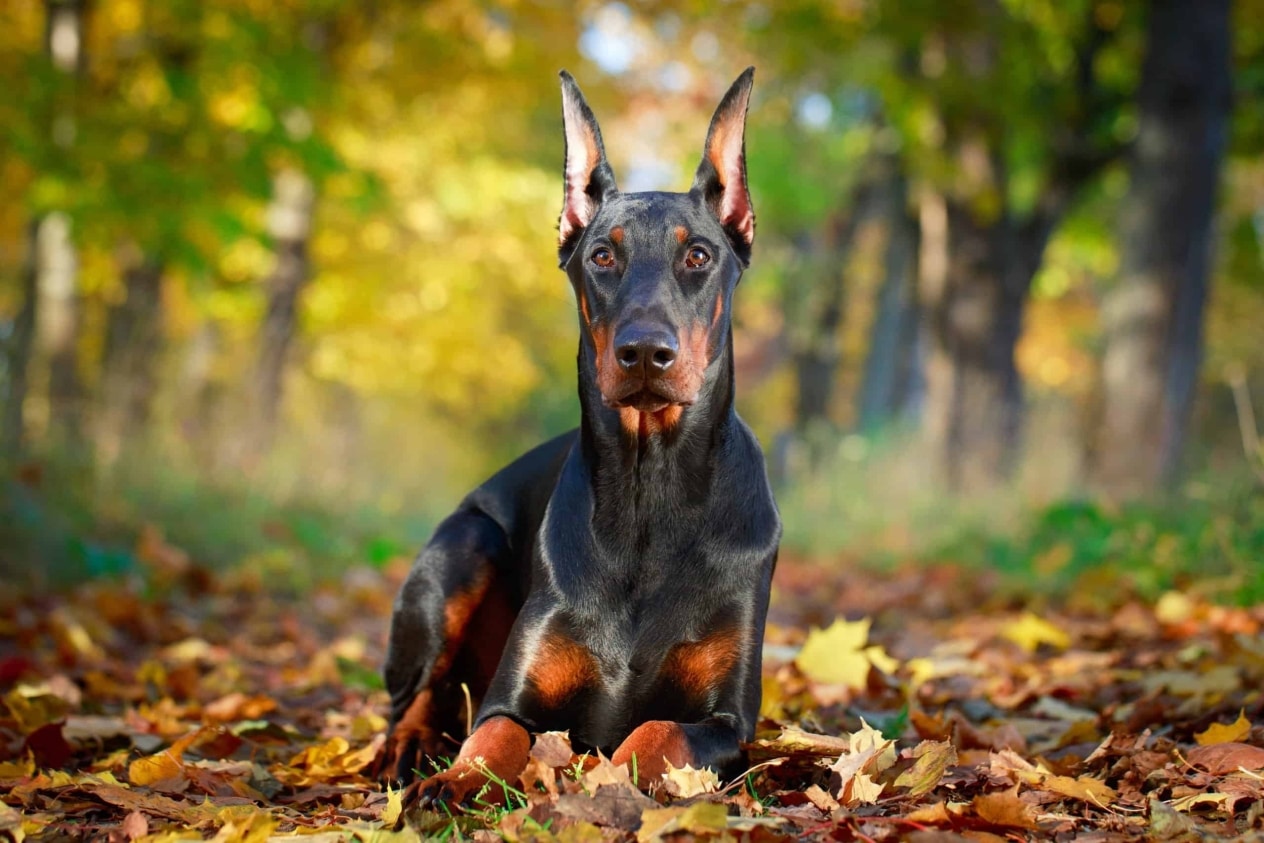
Doberman
Dobermans are considered serious and even dangerous dogs, but in reality, when properly trained, they are very loyal and emotionally attached to their owners. The breed was developed by German tax collector Karl Doberman, who wanted to create the perfect guard dog.
These are very energetic, alert, and athletic dogs. They constantly keep an eye on everything going on around them and have an excellent sense of danger. Dobermans do not like to be alone and become very attached to people, which is why they often literally follow their owners around the house.
Despite their stern appearance, Dobermans can be very affectionate and gentle with their families. However, this breed needs a confident owner and firm training.

Rottweiler
The Rottweiler is a powerful and very strong dog that was originally used for guarding and herding livestock. Today, this breed is considered one of the best guard dogs in the world.
Rottweilers have a calm and confident temperament. They rarely get agitated for no reason, but in case of danger, they can instantly protect their family. These dogs are very loyal to their owners and are highly trainable if handled properly.
Interestingly, Rottweilers often behave much more calmly than people might think. However, due to their physical strength and protective instincts, this breed is not suitable for people without experience.


Dachshund
The Dachshund is one of the most recognizable dogs in the world thanks to its long body and short legs. But behind its comical appearance lies a true hunter with a very bold temperament.
Dachshunds were once used to hunt badgers in their burrows, which is why this small dog is completely unafraid of challenges. Dachshunds are very stubborn, curious, and love to do things their own way. Sometimes they act as if they were huge guard dogs.
This breed becomes very attached to its owner and loves attention. However, dachshunds can be jealous and don’t always get along easily with strangers or other animals.

Boxer
The Boxer is a very energetic and emotional breed that combines strength with incredible playfulness. Despite their serious appearance, Boxers often act like big kids even as adults.
They love people very much, adore active play, and constantly crave attention. Boxers do not handle being alone well and can get very bored without their owner. These are dogs that always want to be close to their family.
Interestingly, Boxers often have very amusing facial expressions and react emotionally to literally everything happening around them. That’s exactly why many owners consider them among the most charismatic dogs.
Conclusion
German dog breeds have become popular around the world thanks to their intelligence, endurance, and strong temperament. Most of them are well-suited for service, guard duty, or an active life alongside humans.
But it’s important to remember that almost all German breeds require training, attention, and regular exercise. That’s why, before choosing a dog, you should consider not only the breed’s appearance but also its temperament and daily needs.