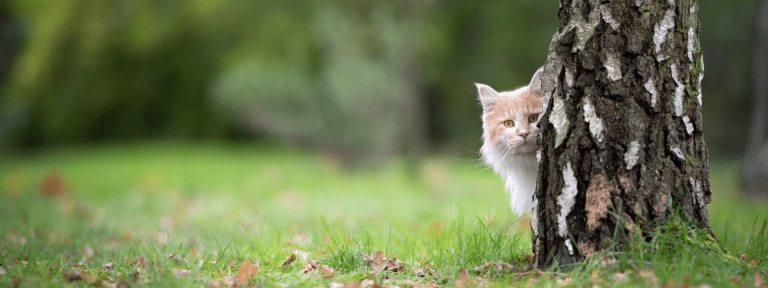
Many people believe that cats are completely independent animals that don’t require much attention. However, recent research in the field of veterinary behavioral medicine shows that cats are capable of experiencing severe stress and even a condition similar to human depression.
Although experts more often use the term “depressive state,” its symptoms can significantly impact the animal’s quality of life.
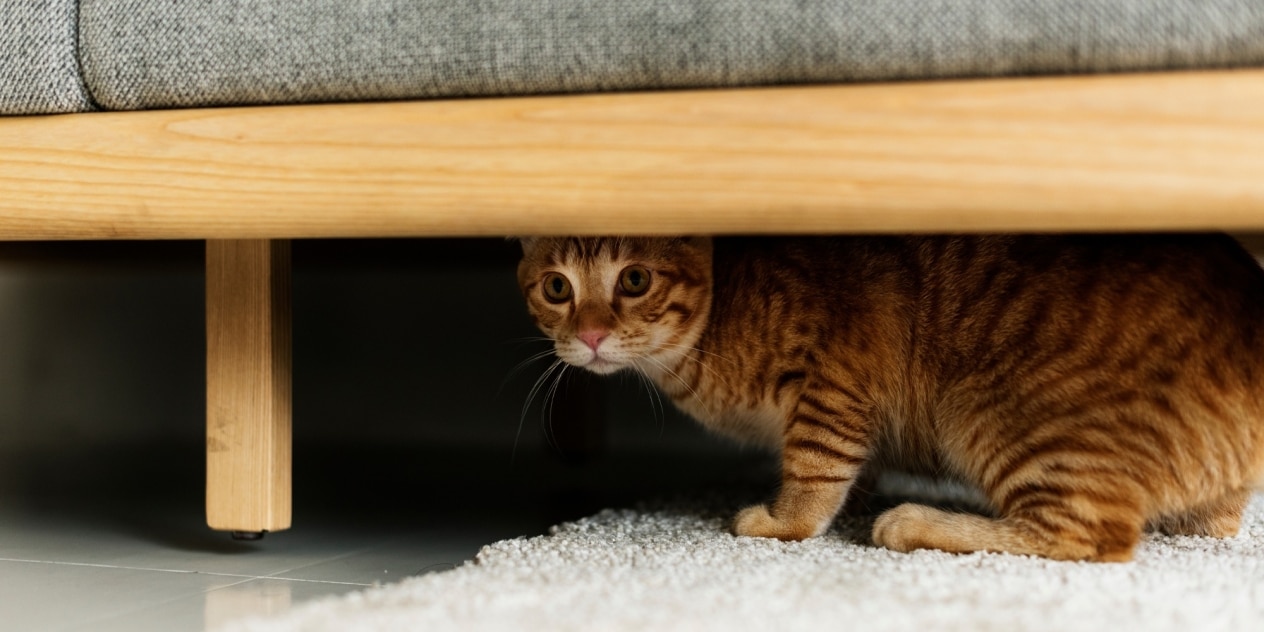
Why might a cat become depressed?
Cats are very attached to their territory and their usual way of life. Unlike many other pets, they value stability and predictability, so any sudden changes can cause them severe stress. Moving to a new home, renovations in the apartment, the arrival of a new family member, or another pet forces the cat to readjust to an environment it previously considered safe.
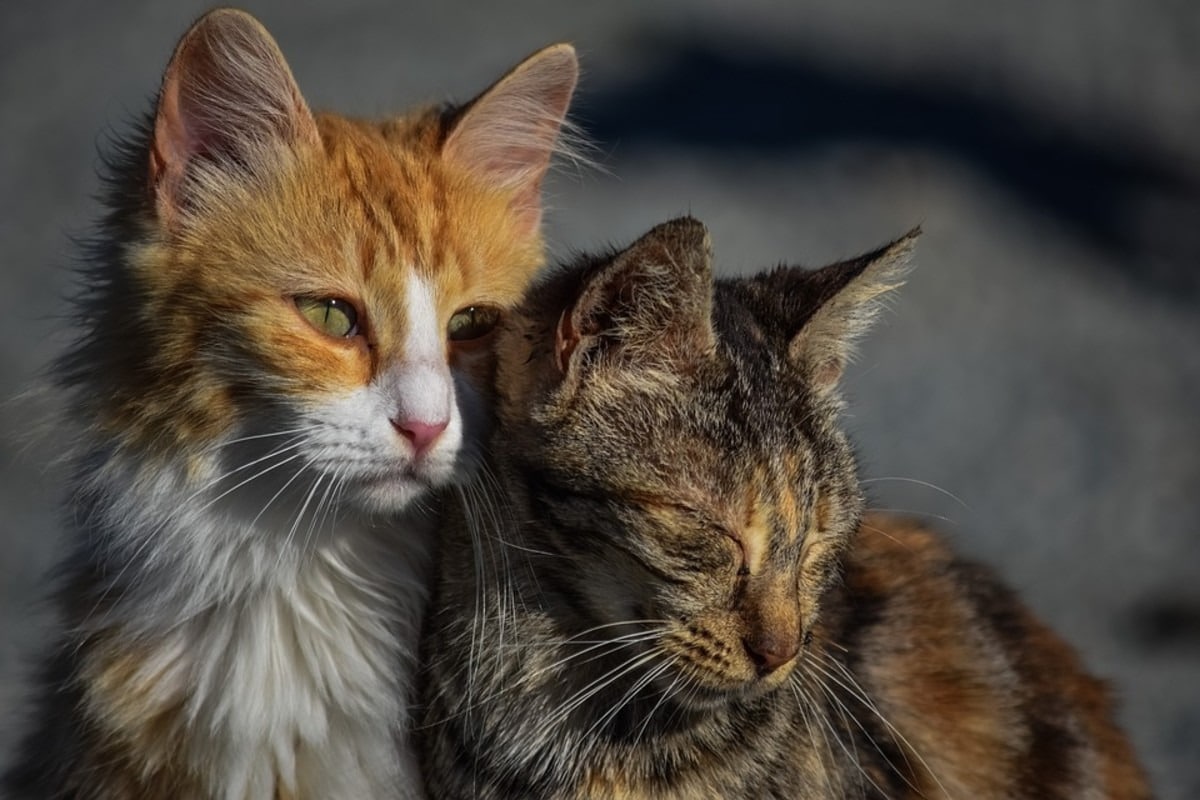
The death or prolonged absence of an owner or another feline companion can be just as difficult for the animal. Although cats are often considered loners, many of them form strong emotional bonds with both people and other animals. The loss of such a bond often leads to depression and behavioral changes.
Even simple boredom can be a cause of depression. If a cat spends most of the day alone, without the opportunity to play, explore its surroundings, or act on its natural hunting instincts, its activity levels gradually decline. Some experts even note that some cats may feel uncomfortable after a simple rearrangement of furniture, as they have a strong memory of their territory and dislike it when the familiar order suddenly changes.
Main symptoms
Unlike humans, cats cannot describe their condition, so it is important to pay attention to their behavior.
Signs of depression may include:
- loss of appetite or, conversely, overeating;
- excessive sleepiness;
- lack of interest in play;
- a desire to hide all the time;
- less interaction with the owner;
- poor grooming or excessive licking;
- unusually quiet or, conversely, frequent meowing.
If these symptoms persist for several days or worsen, you should take your pet to the vet, as such signs may also be related to physical illnesses.
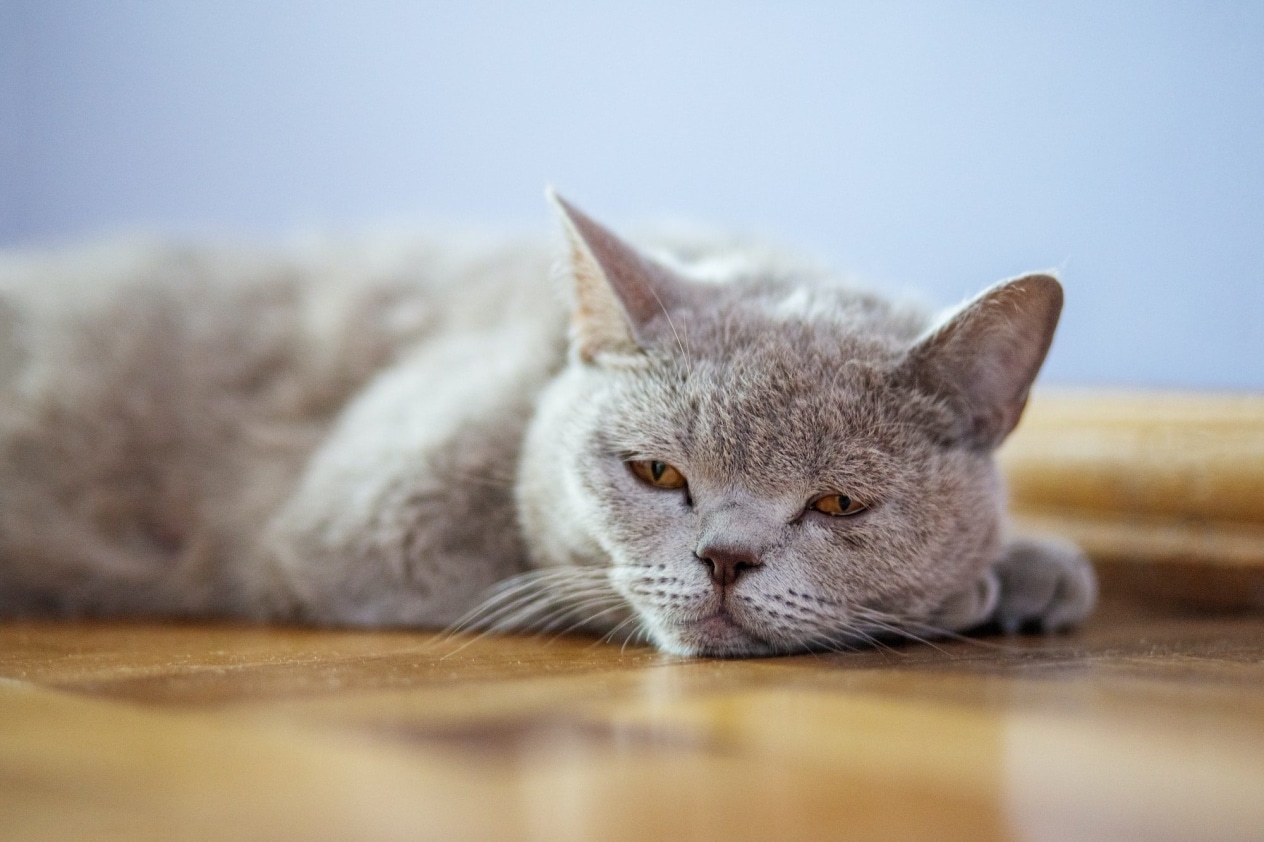
How can you help your cat?
If your pet has become less active or is behaving unusually, the most important thing is not to cause them additional stress. You shouldn’t force your cat to interact or pull it out of its hiding spot if it wants to be alone. It’s much better to give it time to adjust and provide a quiet place where it feels safe.
A consistent daily routine plays a major role. Feeding, playtime, and other familiar rituals should ideally be scheduled at roughly the same times each day. This helps the animal feel in control of its environment and return to normal more quickly.
It’s also worth paying more attention to playing together. Even 10–15 minutes of active interaction a day can significantly improve a cat’s emotional state. Interactive toys, cardboard boxes, new places to climb, or the chance to watch the street through a window help maintain natural curiosity and stimulate hunting instincts.
If the depressed state persists for a long time, the cat refuses to eat, or its behavior changes drastically, you should consult a veterinarian. Such symptoms may be associated not only with psychological distress but also with various illnesses that require timely treatment.
Interesting fact
Scientists have observed that domestic cats that have the opportunity to climb on shelves, explore different levels of space, and regularly play “hunting” games are significantly less likely to show signs of chronic stress. That is why modern veterinarians recommend setting up multi-level structures and observation spots for them.
Conclusion
Depression in cats is not a myth but a real problem that most often arises due to stress or sudden changes in the animal’s life. An attentive owner, a stable routine, and plenty of positive emotions help most cats quickly return to an active and comfortable life.