Bringing a dog into the family always brings joy, excitement, and a new friend. But when there’s a small child in the house, choosing a breed becomes a much more serious decision. Even the most beautiful, most expensive, or trendiest dog may turn out to be completely unsuitable for living with a small child.
And it’s not just about aggression. Some dogs are too big, too energetic, too possessive, too stubborn, or require so much attention and training experience that a family with a small child simply can’t handle it. As a result, everyone suffers: the parents, the child, and the animal itself.
In this article, we’ll explore which dog breeds most often cause difficulties in families with young children—and why.
Why Not All Dogs Are Suitable for Families with Children
Many people think:
“If a dog is friendly, then it’s good with kids.”
In reality, it’s much more complicated than that.
Even a very gentle dog can:
- accidentally knock a child over;
- not tolerate screaming or chaotic movements;
- be jealous of its owner;
- defend its food or toys;
- get stressed out by constant noise;
- be frightened by a child’s hugs or sudden touches.
Young children do not yet understand boundaries:
- they may pull on your tail;
- reach for the dog’s face;
- take their food;
- or scare the animal by shouting.
And even the most patient dog has its limits.
That is why it is important to look not only at the breed’s appearance, but also at:
- temperament;
- energy level;
- mental disposition;
- tendency toward dominance;
- hunting or guarding instincts;
- training difficulty.

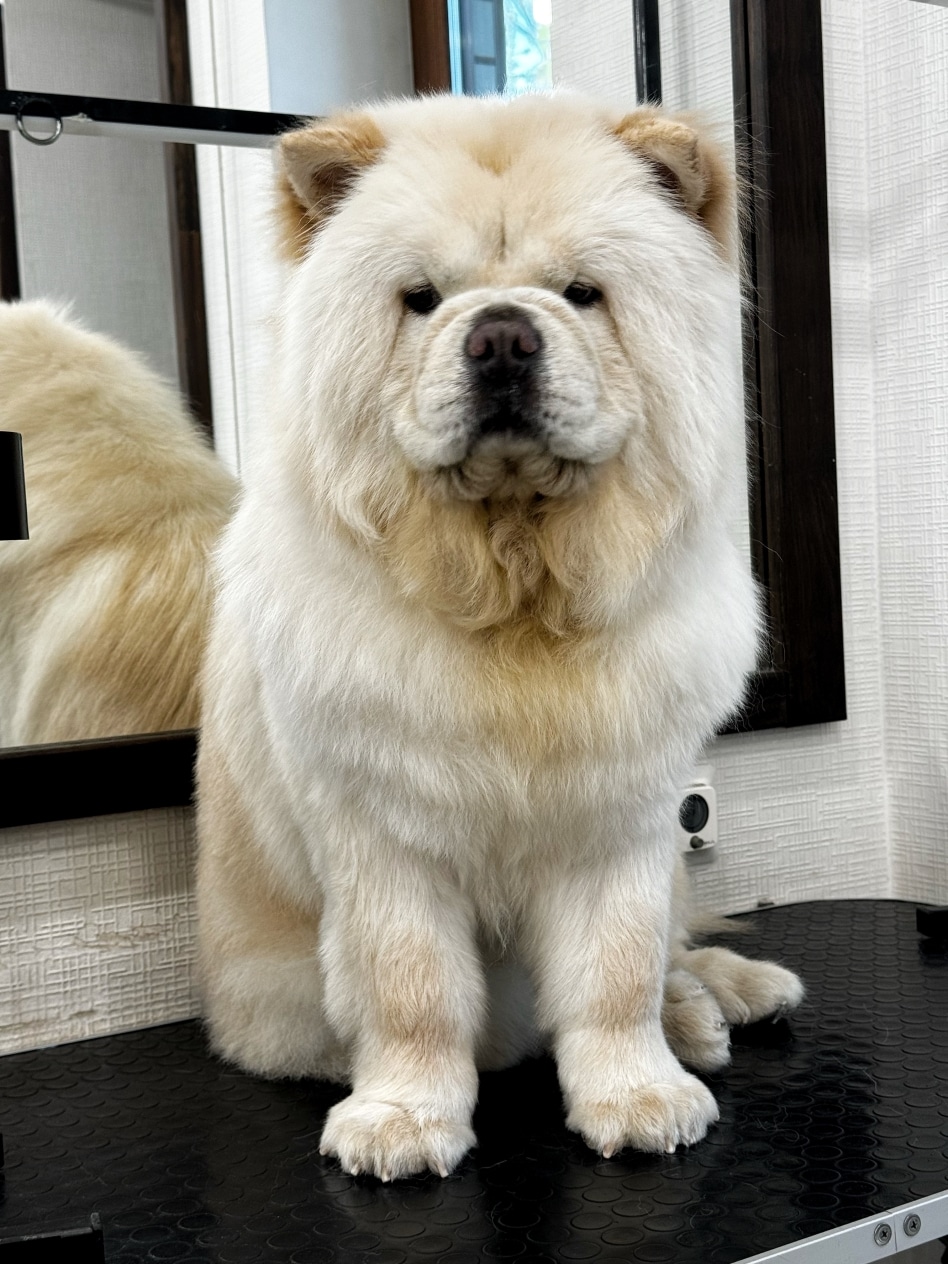
The Chow Chow has a sweet but very complex temperament
In photos, the Chow Chow looks like a teddy bear, which is why many families mistakenly consider it the ideal dog for children. But in real life, this breed has a rather complex and independent personality. Chow Chows don’t like excessive attention, constant hugging, or the chaotic movements that are inevitable around a small child. Personal space is very important to them, and if a dog feels uncomfortable or frightened, its reaction can be abrupt.
This breed can be particularly challenging for people without experience. Chow Chows often decide for themselves when they want to interact with people and when they don’t. They are not the kind of dogs that will patiently play with a toddler for hours or calmly tolerate a child’s persistence. That is precisely why this breed is often a poor choice for families with small children.
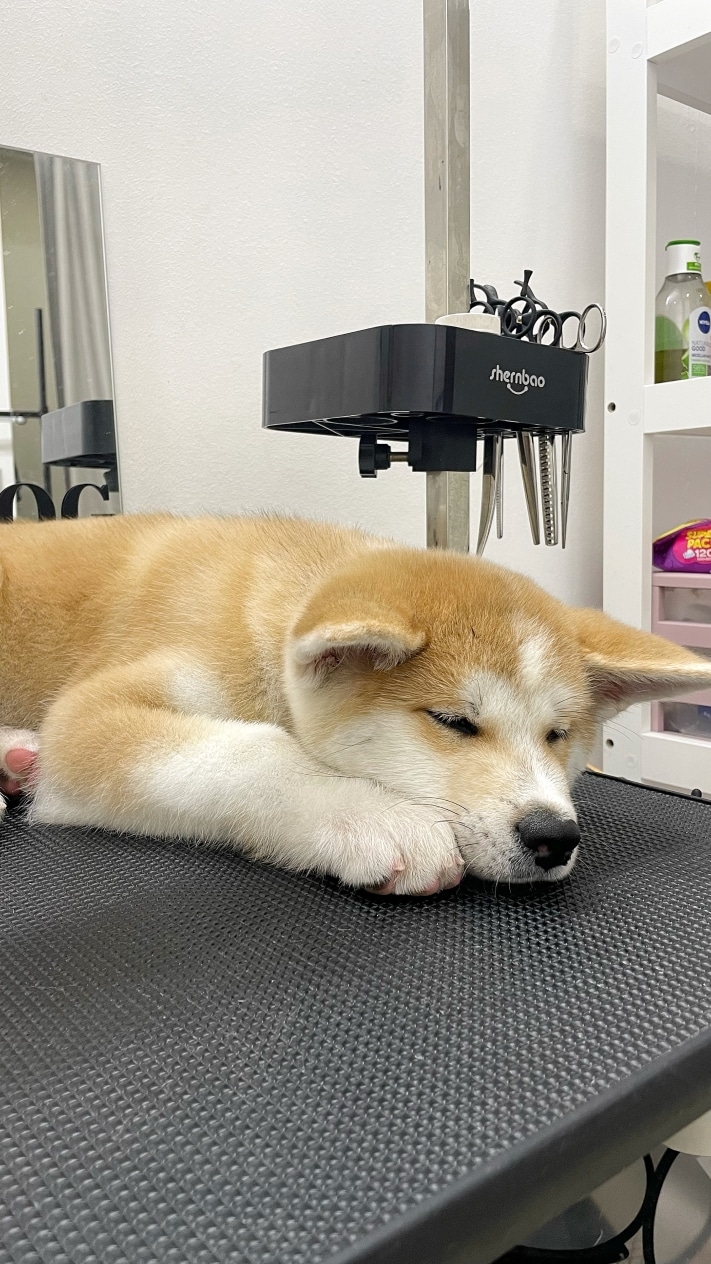

Akita Inu — beautiful, but too stubborn
After the popularity of the movie about Hachiko, many people began dreaming of owning an Akita Inu, unaware of just how challenging this breed can be in everyday life. The Akita is a dog with a very strong personality that requires an experienced and confident owner. It does not like chaos, noise, or constant intrusions on its personal space.
Young children often behave unpredictably: they might scream, run suddenly toward the dog, pull on its fur, or accidentally hurt it. For many Akitas, this is a major source of irritation. In addition, the breed has a strong protective instinct and a tendency to assess situations on its own rather than unquestioningly obey its owner. For this very reason, the Akita Inu is far from the best choice for young families with small children.
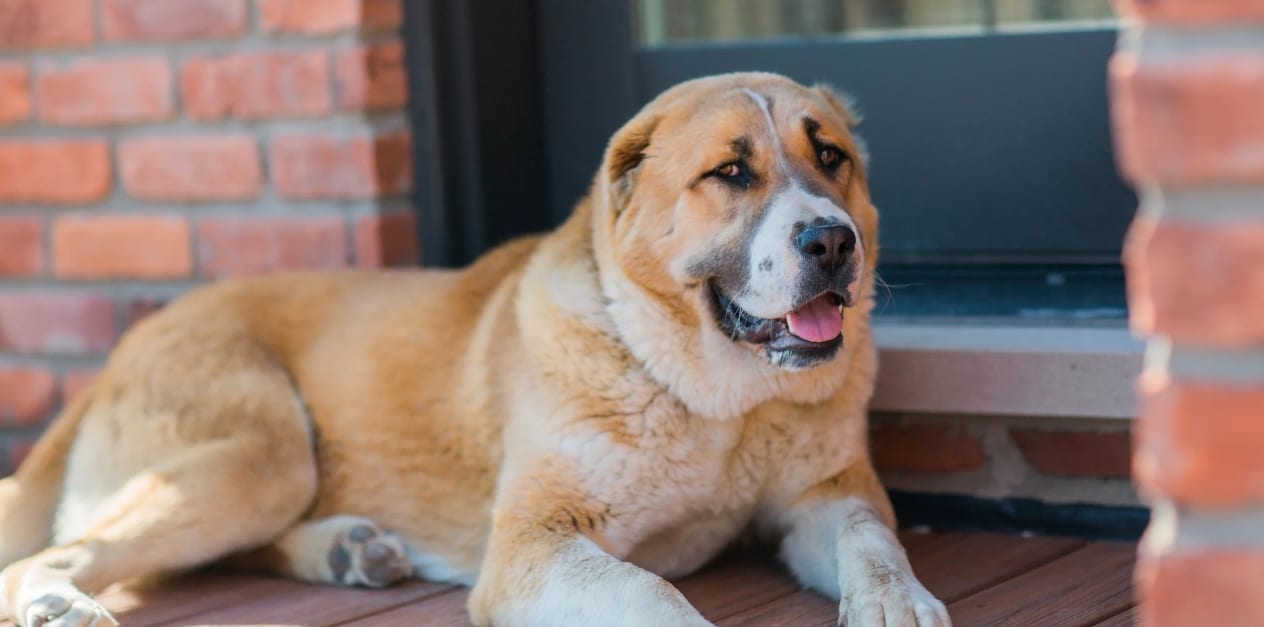
Alabai — too powerful
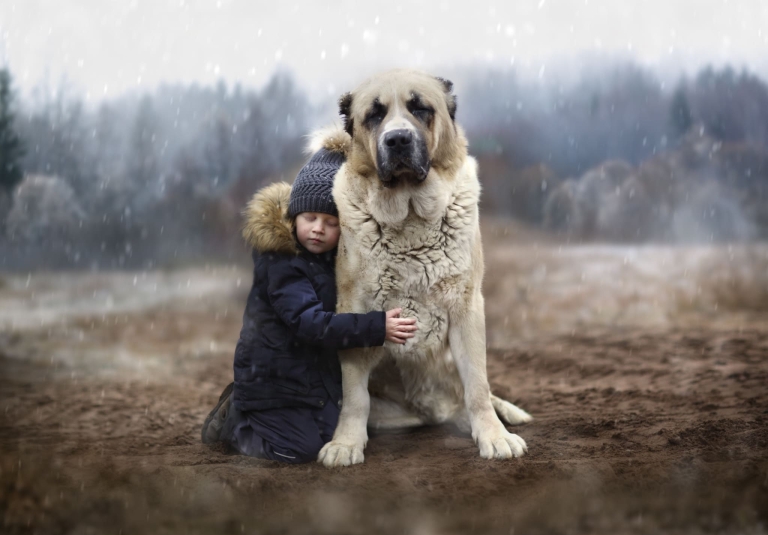
The Alabai is not just a large dog, but a true guard dog with a very strong temperament. This breed has been bred for centuries to protect territory and livestock, so distrust of strangers and a desire to control their space are genetically ingrained in them.
Even if an Alabai is well-trained, its size alone can be a problem for a family with a small child. One careless move while playing or a simple jump—and the child could fall or get seriously hurt. In addition, Alabays require clear rules, strict training, and experience in handling them. For new parents, who are already constantly exhausted from caring for their child, this breed often proves too challenging.
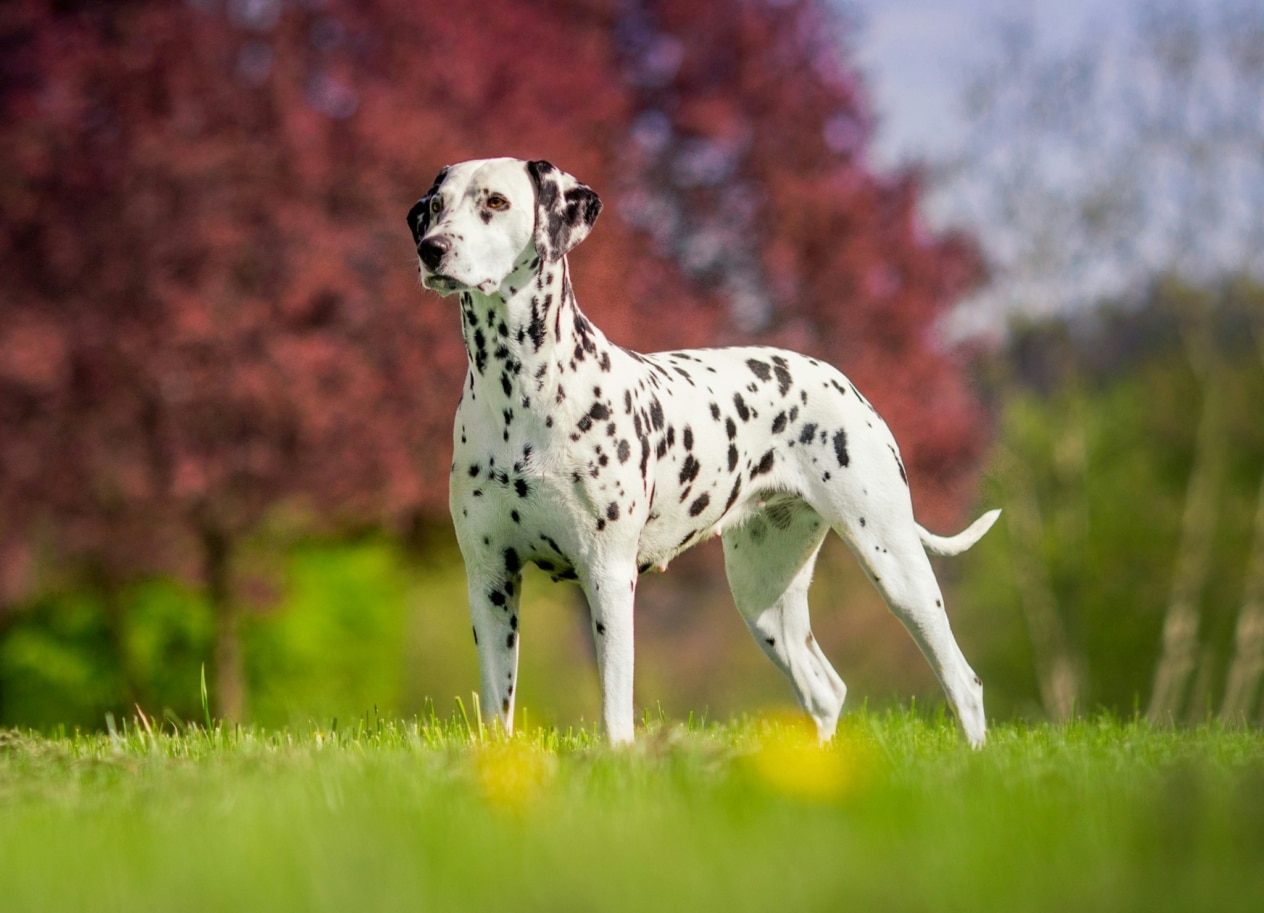
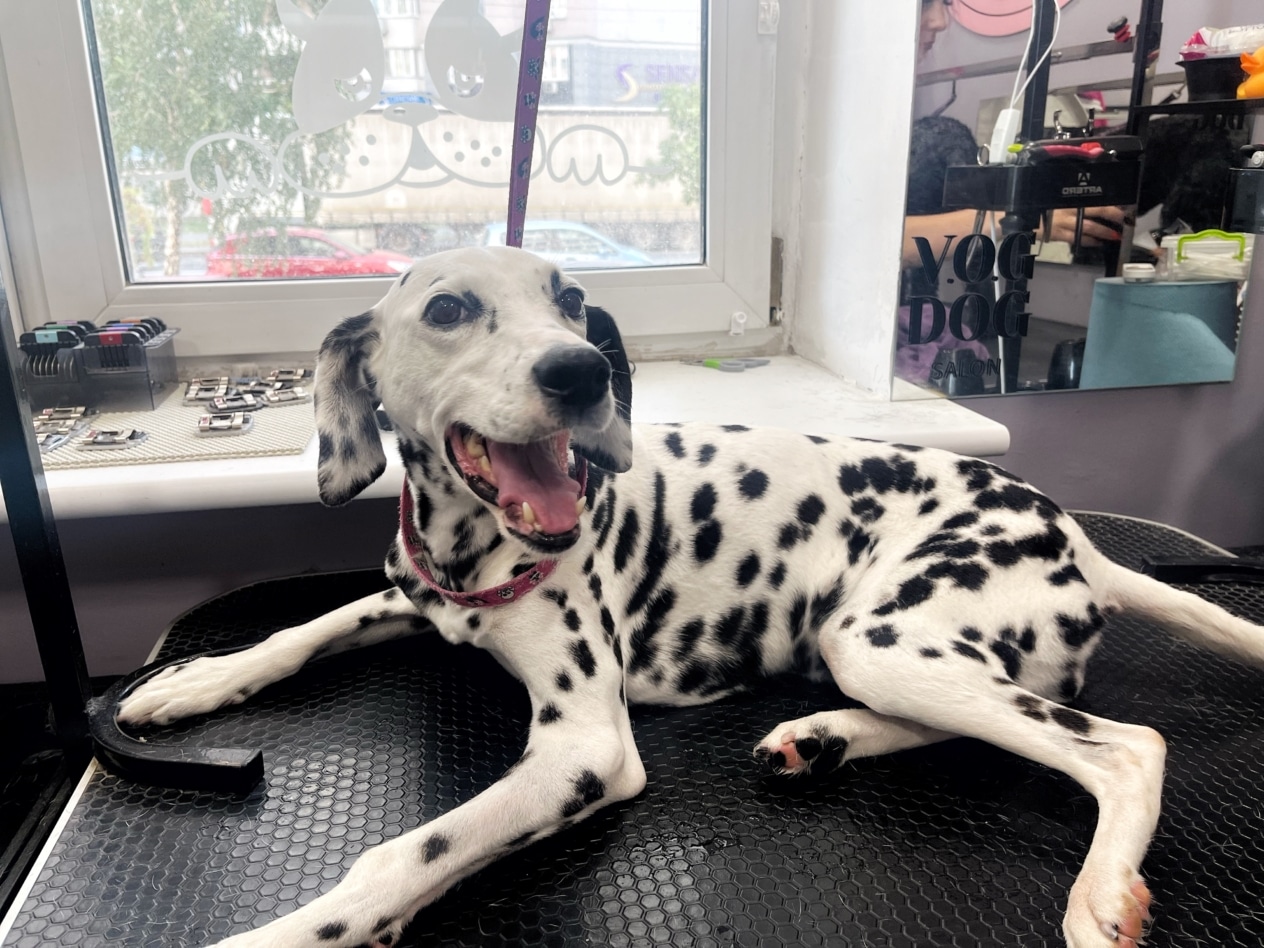
The Dalmatian —not as family-friendly as it seems
Based on cartoons and movies, many people imagine the Dalmatian as a cheerful and low-maintenance family dog. But in real life, it’s a very active and emotional breed that requires a tremendous amount of exercise and attention.
If a Dalmatian doesn’t get enough exercise, it quickly becomes unmanageable. The dog may run around the apartment, jump on people, destroy things, and constantly demand attention. For a family with a small child, this often becomes truly exhausting, as parents have to juggle caring for both their toddler and a very energetic dog at the same time.
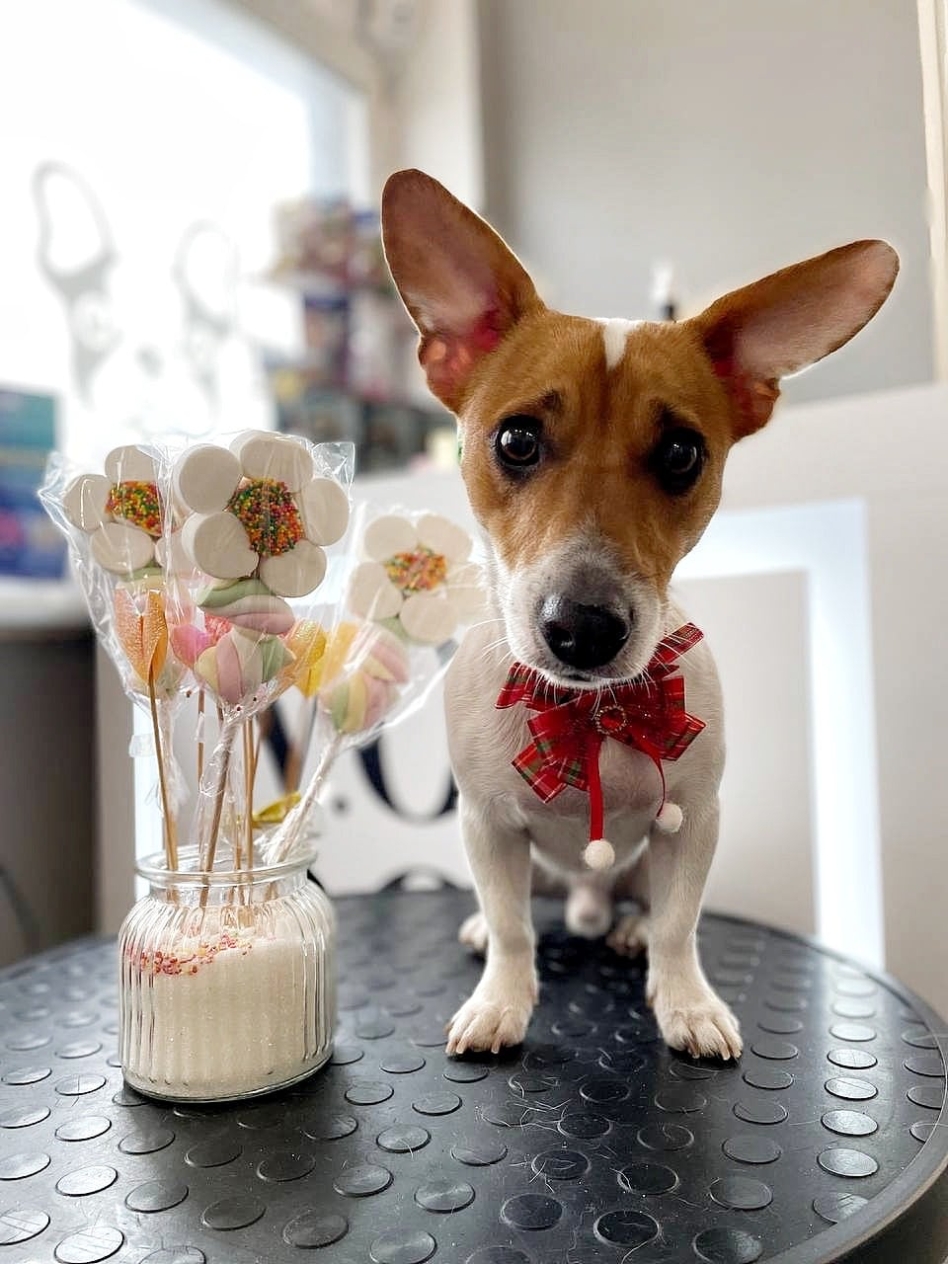
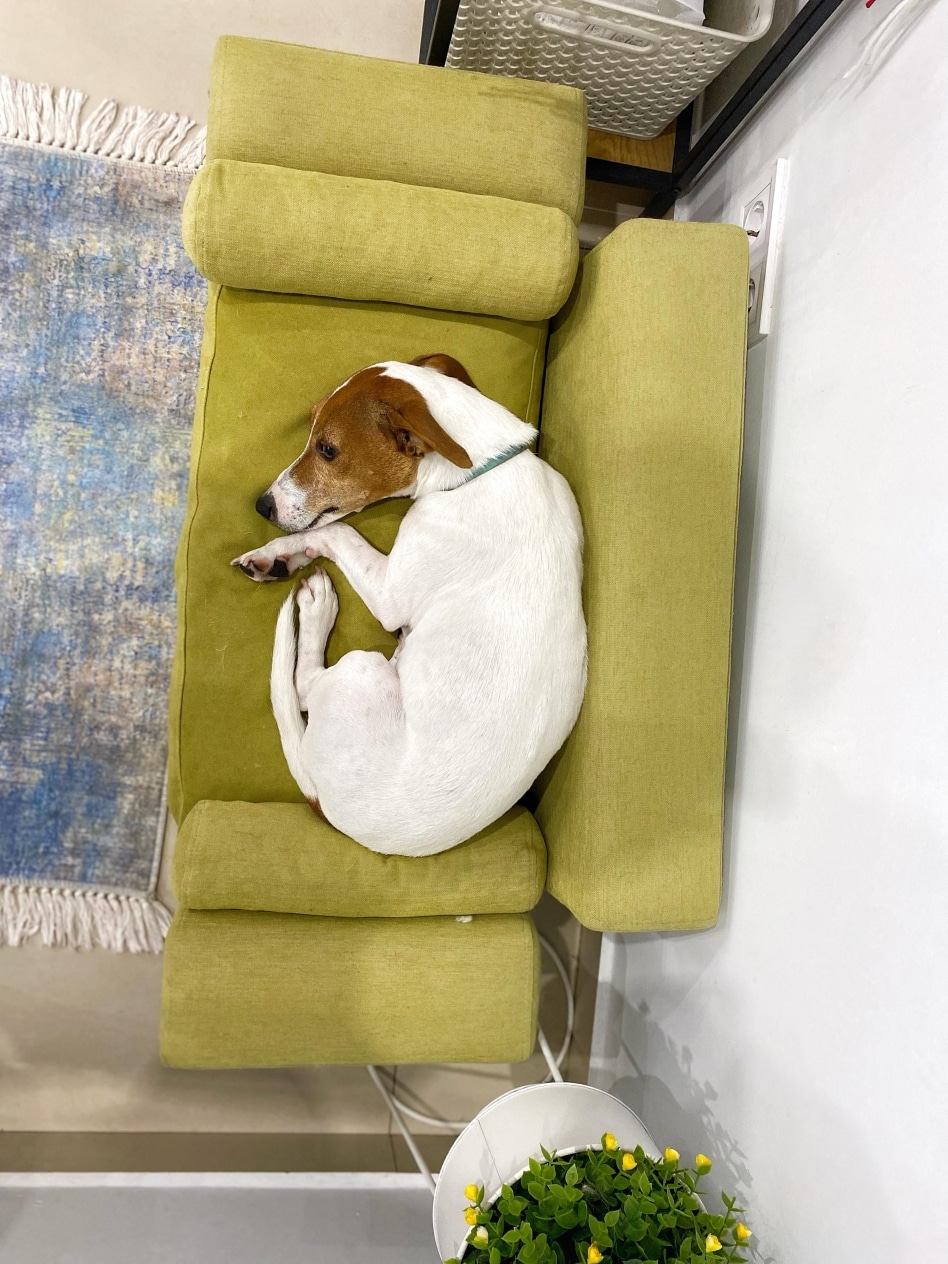
Jack Russell Terrier — has a tremendous amount of energy
Many people think that small dogs are automatically easier to care for and better suited for children. But the Jack Russell is the complete opposite of a calm family pet. It’s an extremely active, emotional, and stubborn breed that requires constant activity and supervision.
Without enough exercise, a Jack Russell will literally start “wreaking havoc” in the house. It may bark loudly, run around the apartment, and jump on furniture and people. For a small child, such a dog can sometimes be too chaotic and even dangerous in a home setting. Parents often don’t expect that a small dog can require more energy and attention than a large one.
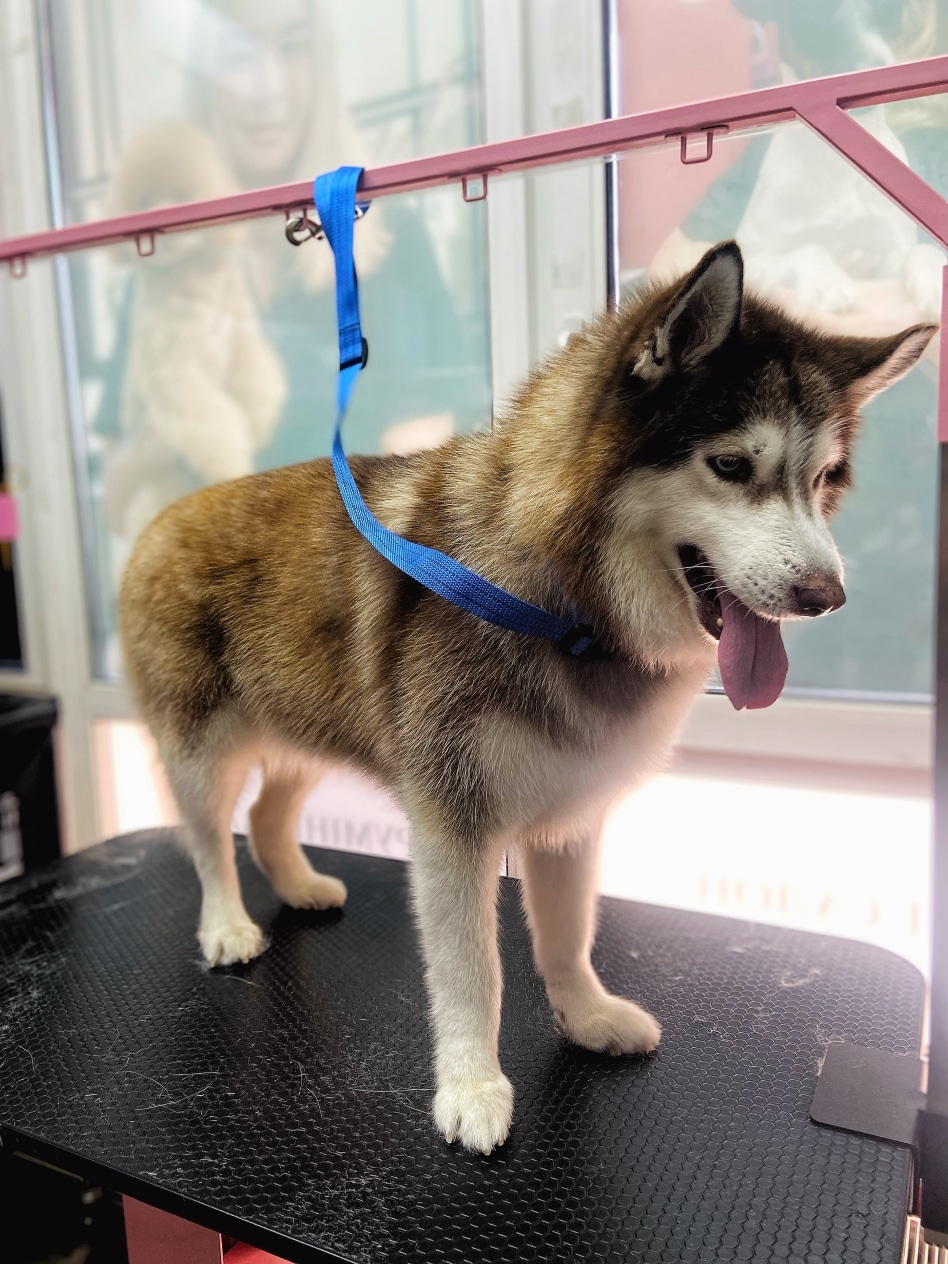
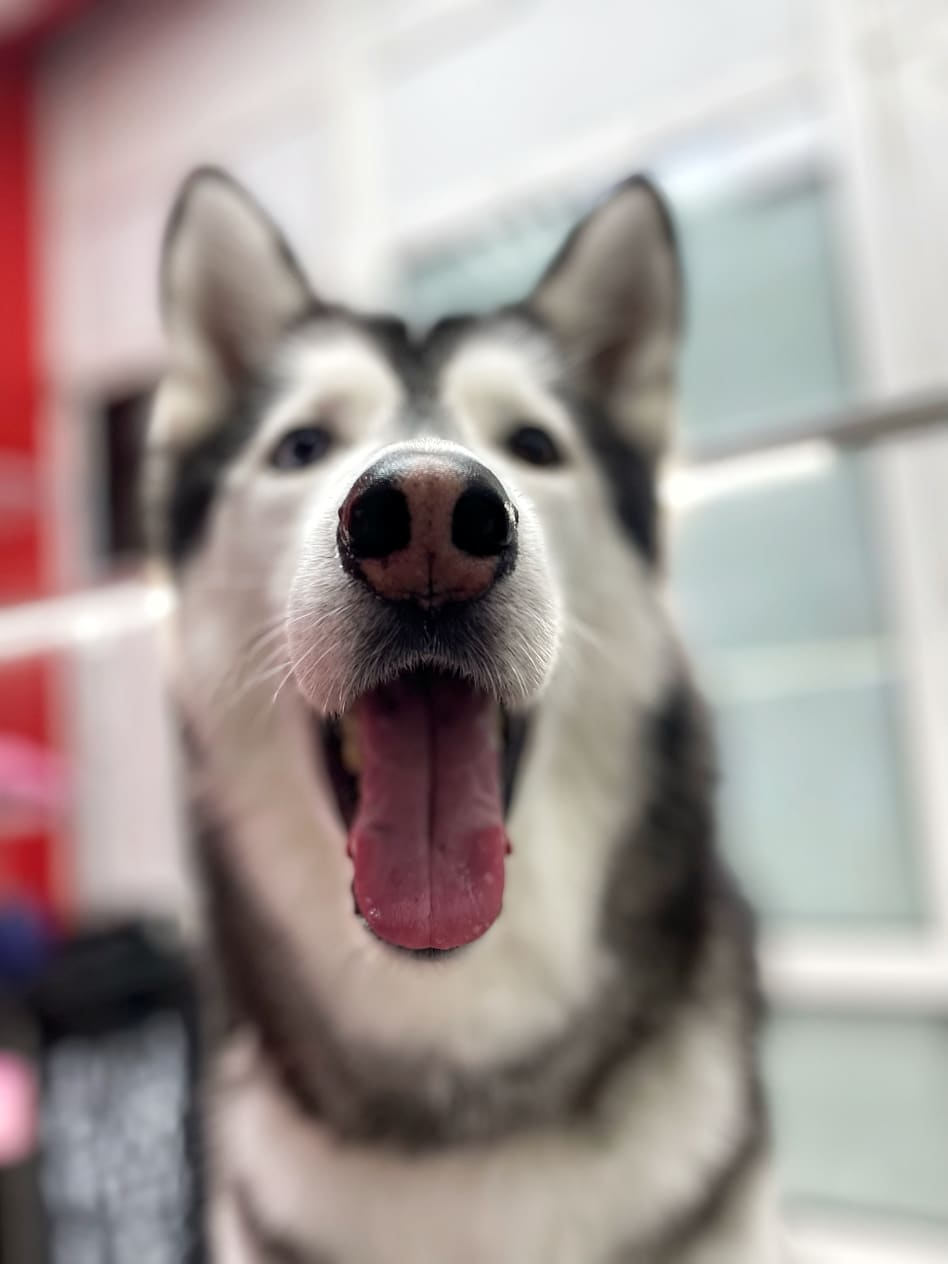
The Husky has one of the most challenging temperaments among dogs
Huskies are very beautiful, photogenic, and popular on social media, but most people are completely unprepared for life with this breed. These dogs have boundless energy and require long walks, active play, and constant stimulation.
If a Husky gets bored, it will start looking for entertainment on its own: howling, chewing on furniture, running away, or wreaking havoc in the house. For a family with a small child, this becomes a double burden. After sleepless nights with a toddler, not all parents are ready to spend several hours a day actively walking the dog as well. That’s exactly why many people become disillusioned with this breed very quickly.
Conclusion
There are no “bad” breeds—there are simply dogs that aren’t suited to a particular lifestyle. And when there’s a small child in the family, it’s very important to consider not only the breed’s appearance or popularity, but also its temperament, energy level, and training requirements.
Sometimes people choose a dog based on their heart, influenced by beautiful photos or movies, but real life with a child and a challenging breed can turn out to be much harder than it seems. That’s why, before bringing a dog into your home, you should honestly assess your energy, time, and willingness to train the animal every day.