A cat in a dog’s body—that’s roughly how owners sometimes describe a pet that doesn’t bring back slippers, doesn’t try to please every guest, and decides for itself when it’s time for a hug. Some dogs really do resemble cats in their neatness, independence, reserve, and love of personal space.
Of course, a “cat-like personality” is just a figurative comparison. Behavior depends not only on breed but also on training, socialization, and individual temperament. However, there are several particularly convincing candidates among dogs for the role of a cat in disguise.
1. Shiba Inu
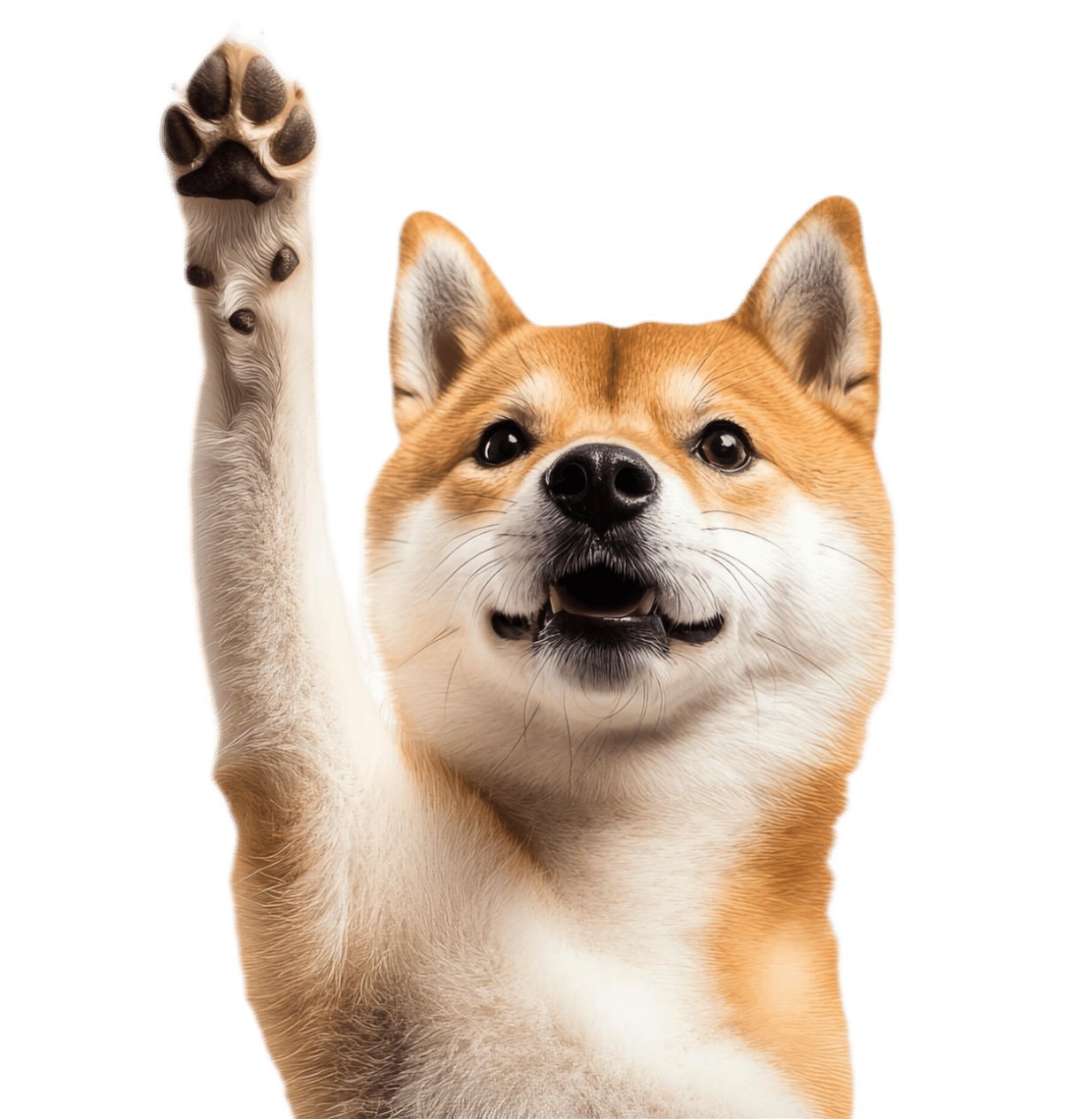
The Shiba Inu is known for its independence and almost cat-like neatness. Dogs of this breed often lick their paws and fur, dislike dirt, and try to avoid puddles—unless, of course, they’ve decided to make an exception today.
The Shiba becomes attached to its family but doesn’t always show its affection in an overt way. It may relax nearby without demanding constant physical contact and may perceive excessive hugging as a violation of its personal boundaries. Her affection isn’t something to be won once and for all, but rather maintained through respect and trust.
When it comes to training, the Shiba quickly understands what’s expected of her. Whether she sees the point in doing so is another matter. She gets bored with monotonous repetition, so training sessions should be short, interesting, and reinforced with appropriate rewards.
2. Basenji
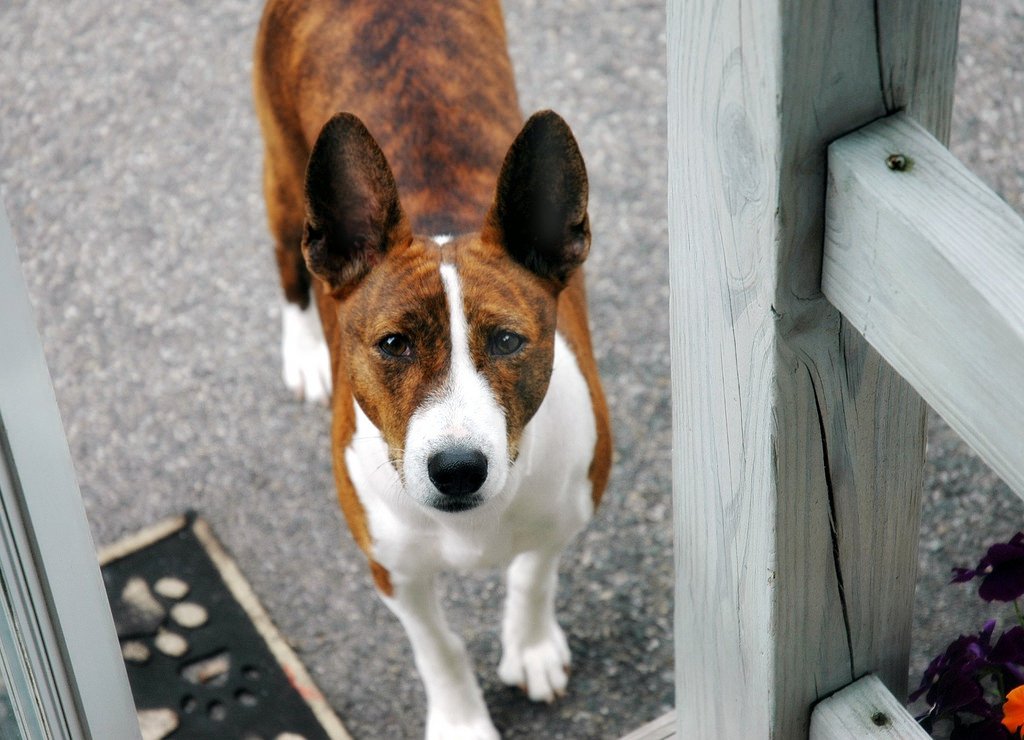
The Basenji is often called one of the most cat-like breeds. These dogs groom themselves thoroughly; they can lick their fur and even wash their faces with their paws. They usually have almost no characteristic doggy odor.
Another unusual trait is that Basenjis do not bark in the conventional sense. Due to the unique structure of its larynx, it makes distinctive sounds that resemble a mixture of muttering, howling, and yodeling. You can’t call this dog silent—it’s just that its voice has a different quality.
The Basenji is intelligent, inquisitive, and independent. It’s excellent at spotting loopholes in house rules: an unlocked cabinet, food left on the edge of the table, or a fence that it could theoretically climb over. Their strong hunting instinct requires caution during walks, and their excellent physical condition allows this “cat” to make surprisingly dog-like dashes.
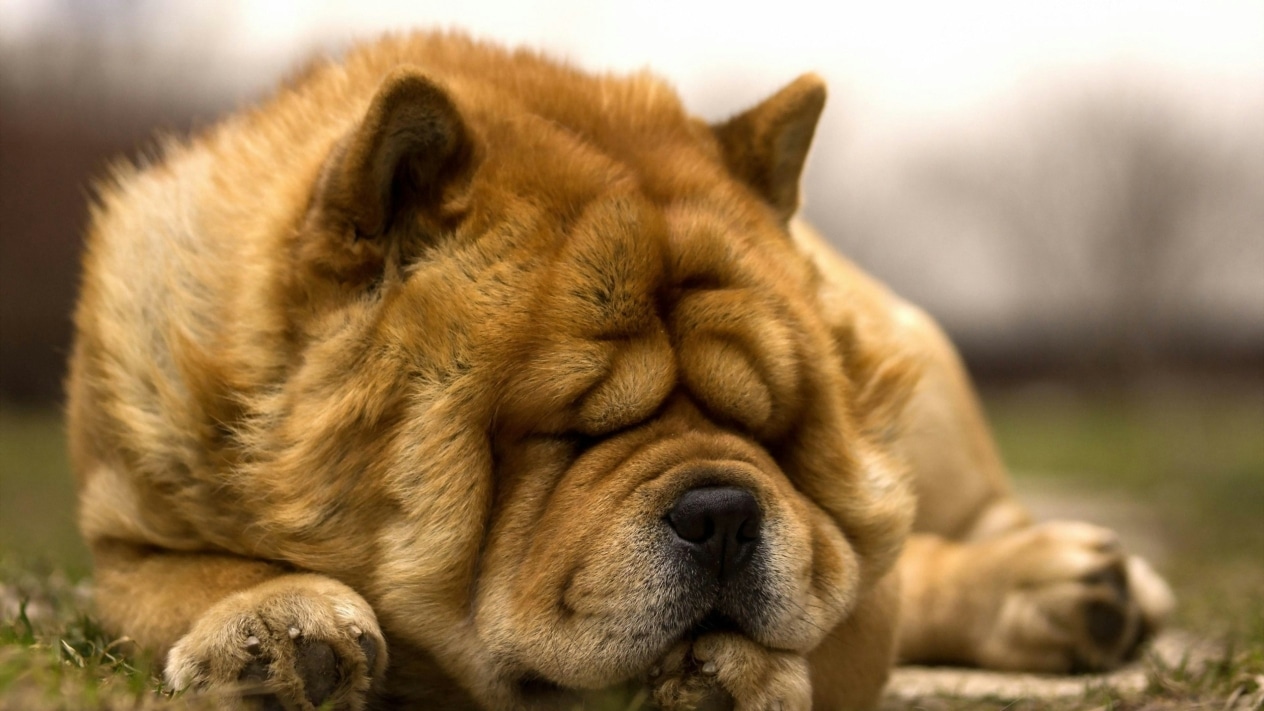
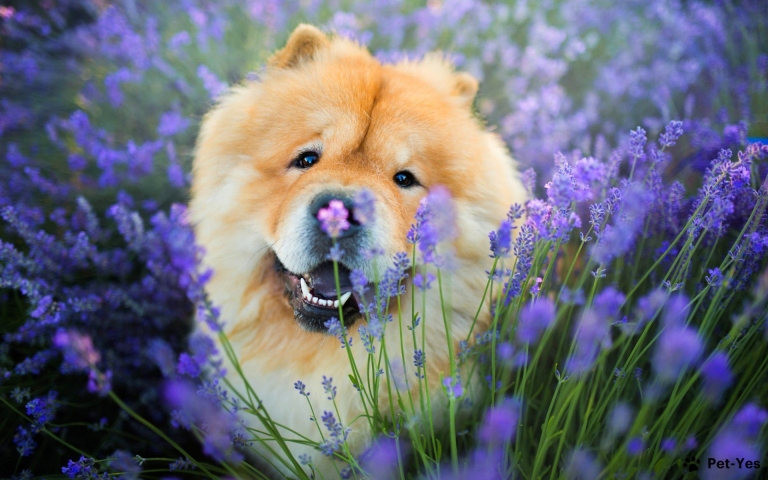
3. Chow Chow
Outwardly, the Chow Chow resembles a little bear, but its temperament is often closer to that of a reserved cat. It doesn’t seek out every person, is content spending time alone, and chooses its own moment to show affection.
A Chow can love its family very deeply, but without theatrical greetings or endless tail-wagging. Sometimes its affection is expressed simply: the dog quietly comes over and lies down nearby. For a Chow, this is a perfectly convincing declaration of love.
Dogs of this breed do not like harsh coercion. They require early socialization, consistent rules, and calm training. If you allow a charming, fluffy puppy to run the household on its own, the adult Chow is unlikely to voluntarily relinquish control.
Its coat requires special attention. The thick double coat must be brushed regularly and thoroughly down to the skin, especially behind the ears, around the neck, on the “trousers,” and on the tail.
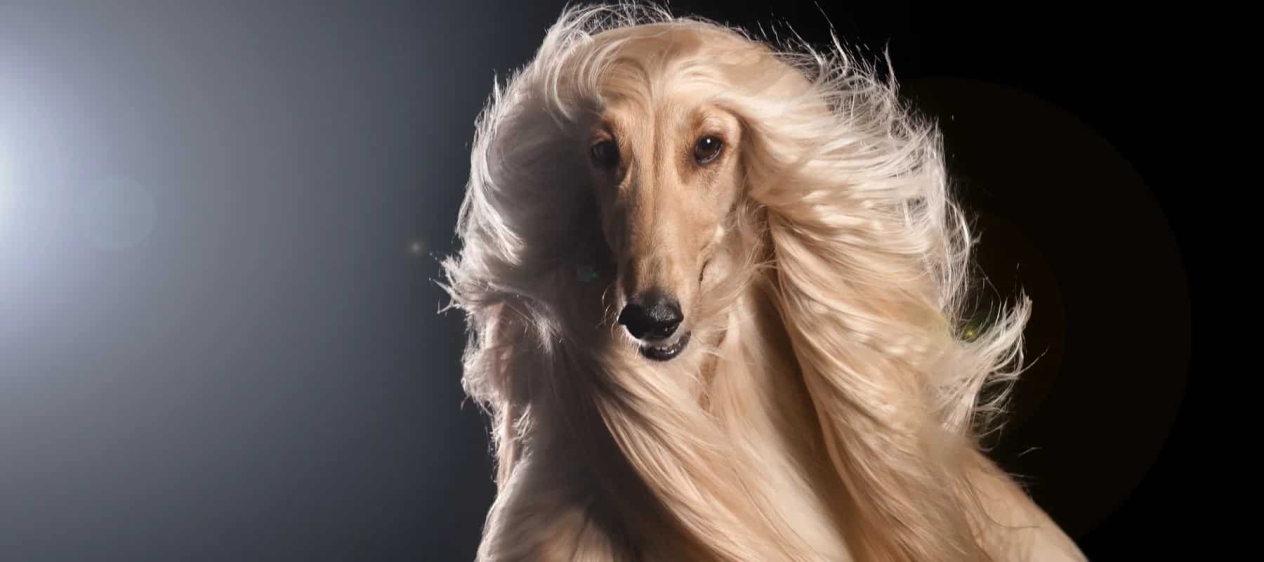
4. Afghan Hound
The Afghan Hound possesses not only feline grace but also a corresponding attitude toward the world. It can be affectionate and playful with loved ones but reserved with strangers and may not feel compelled to obey a command simply because it was repeated more loudly.
These dogs are capable of learning, but their independence stems not from stubbornness. Afghan Hounds were used to independently pursue prey in challenging terrain, where the animal had to make quick decisions without constant human guidance.
At home, an Afghan Hound can relax peacefully in the coziest spot, as if it had always belonged to him. But on a walk, he instantly transforms into an incredibly fast hunter. Due to its strong hunting instinct, it should only be let off-leash in a safe, enclosed area.
Its luxurious coat requires regular professional grooming, thorough brushing, and proper drying. Behind its aristocratic appearance lies much more work than the unflappable owner of this hairstyle would ever let on.
Conclusion
The Shiba Inu, Basenji, Chow Chow, and Afghan Hound resemble cats in their independence, neatness, and selectivity in social interactions. They can genuinely love a person, but aren’t always willing to show it on the person’s terms.
At the same time, a “cat-like” temperament does not mean that a dog does not need training, exercise, and interaction. On the contrary, with these breeds, it is especially important to build a relationship based on trust, consistency, and respect for their independence. They are unlikely to live by the principle that “the owner is always right,” but they can become wonderful companions for someone who values a vivid personality in a pet rather than unconditional obedience.