
Summer means heat, dust, heavy shedding, open windows, and more time spent outdoors. That’s why many owners ask a logical question: Should you bathe your cat more often in the summer?
In reality, a healthy house cat doesn’t need to be bathed more often just because it’s gotten hotter outside. Cats are naturally very clean animals and take care of most of their grooming on their own. Therefore, the main factor to consider should not be the season, but the actual condition of your pet’s coat and skin, as well as its lifestyle.
In the summer, it’s much more important to brush your cat regularly, keep its coat clean, and provide access to fresh water and a cool place to rest.
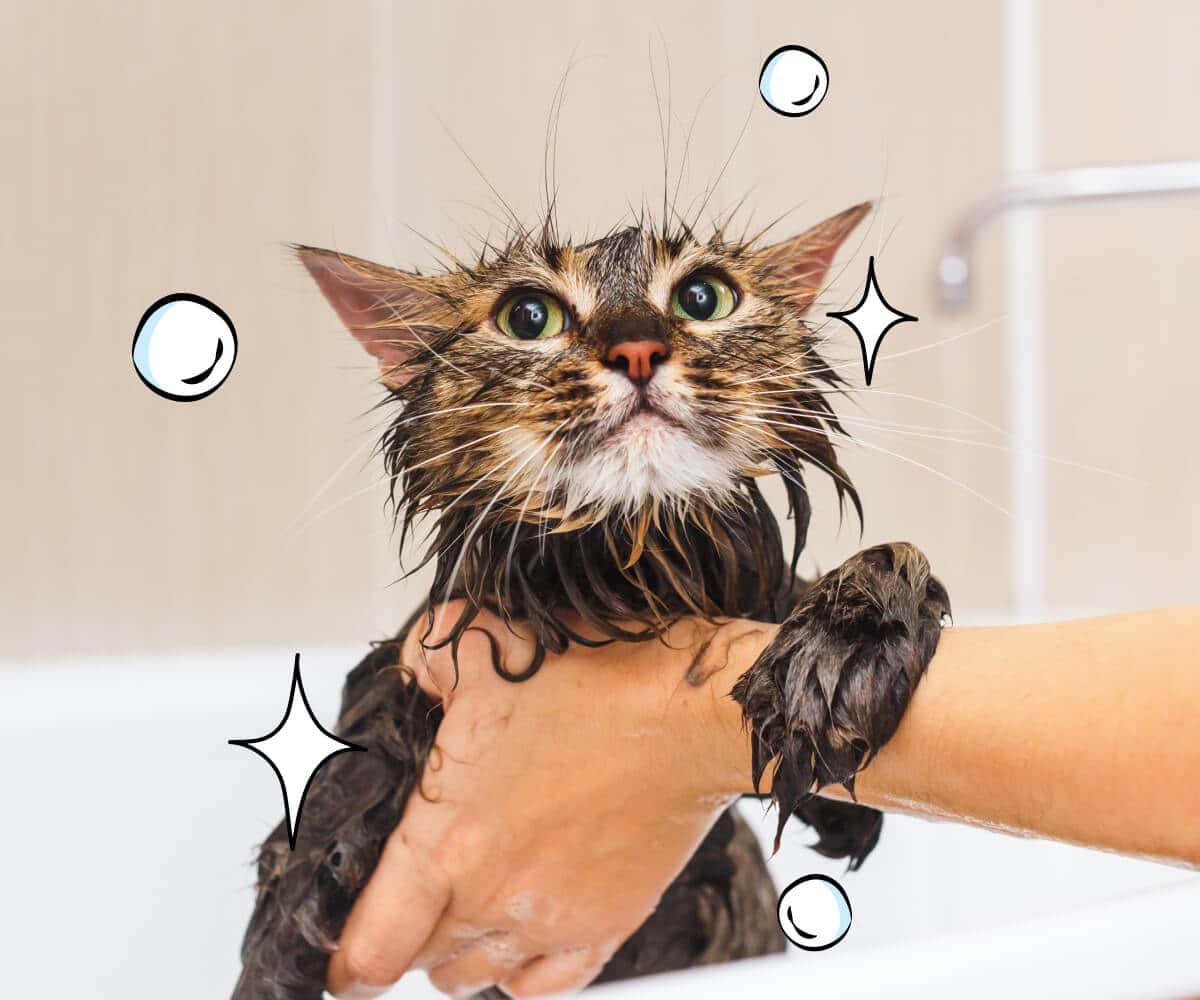
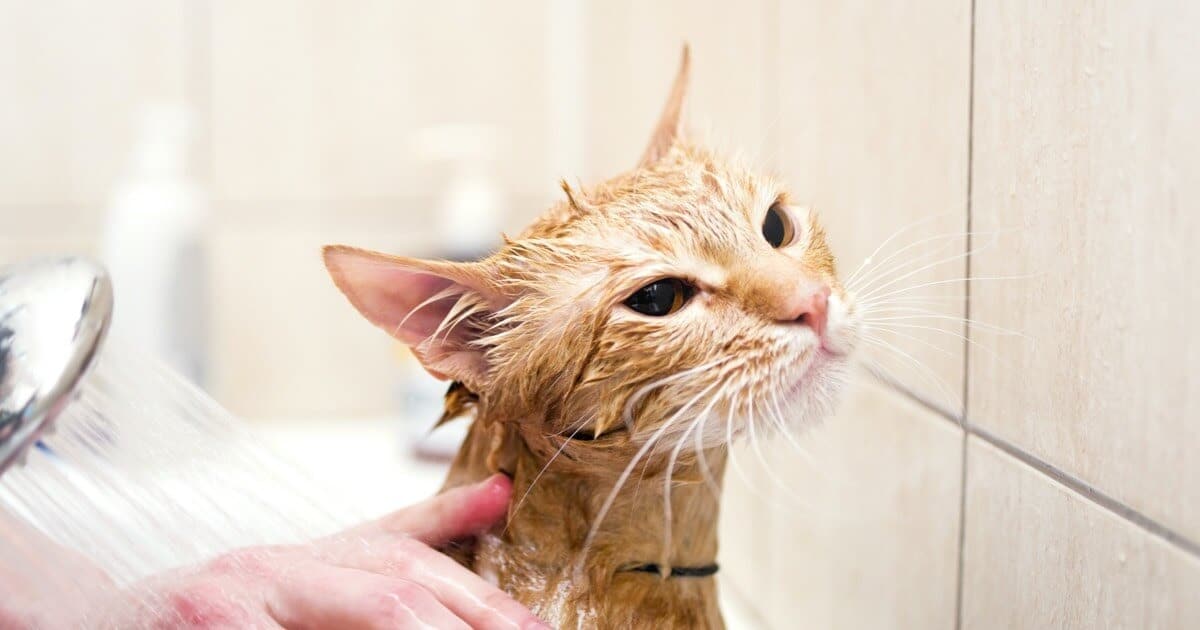
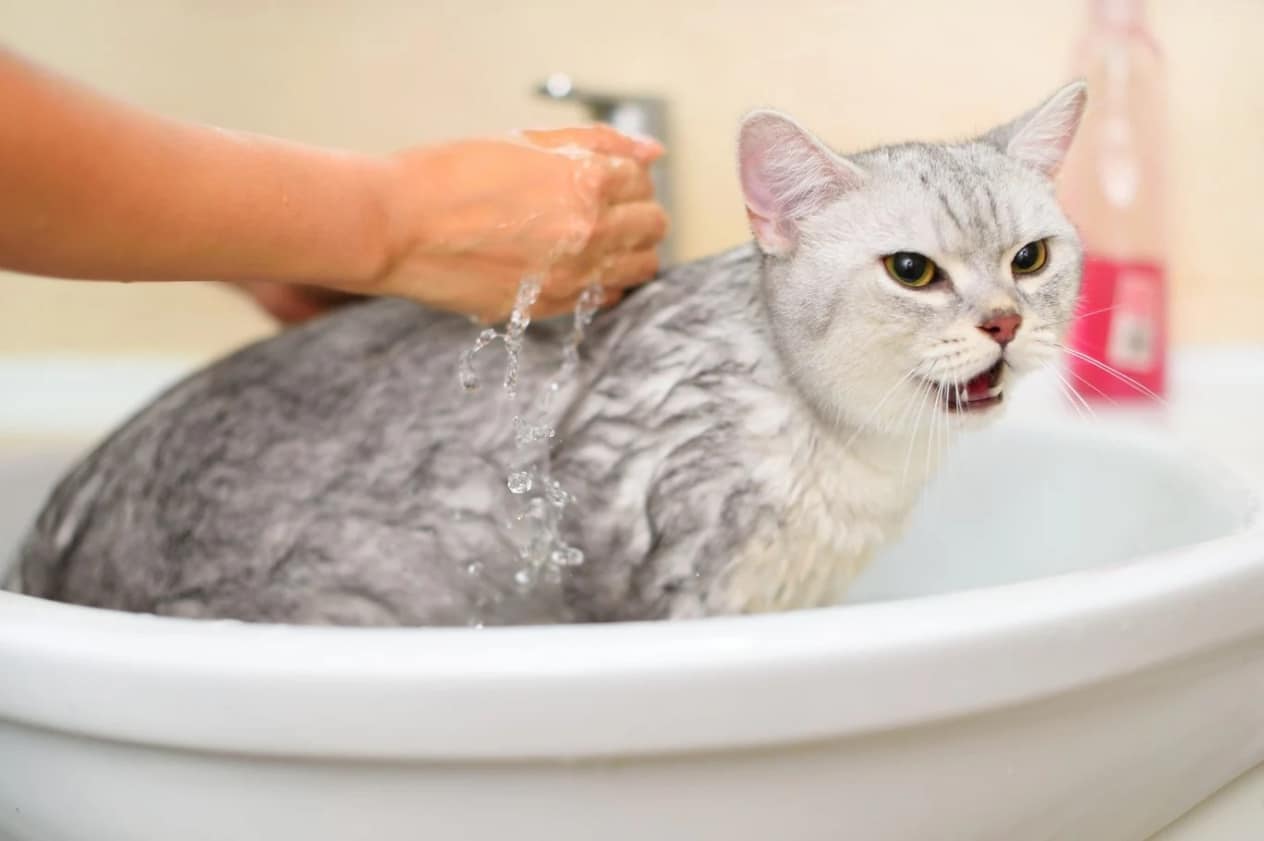
How often should you bathe your cat in the summer?
There is no one-size-fits-all bathing schedule for all cats. An indoor short-haired cat that doesn’t go outside, grooms itself well, and has no skin problems can be bathed only as needed. In some cases, a full bath may not be necessary at all during the entire summer season.
If a cat goes outside, the frequency of grooming depends on how dirty it gets. Dust or light dirt doesn’t always require a full bath—sometimes it’s enough to brush the cat, wipe its paws, or clean the soiled area locally.
Long-haired cats require more attention. In the summer, they may shed heavily, and dead hair accumulates and mats more quickly. But even in this case, the main routine should be regular brushing, not constant bathing.
Elderly and less active cats need special care. As an animal ages, it may have a harder time reaching certain parts of its body, so the fur becomes greasy, unkempt, or starts to mat. Such a cat may need help from its owner or a professional groomer.
Hairless cats are a separate category. Due to the nature of their skin, they often require more regular cleaning, but the frequency of these procedures should be determined on a case-by-case basis.
So, the main rule is simple: in the summer, you shouldn’t bathe your cat more often—only when it’s truly necessary.
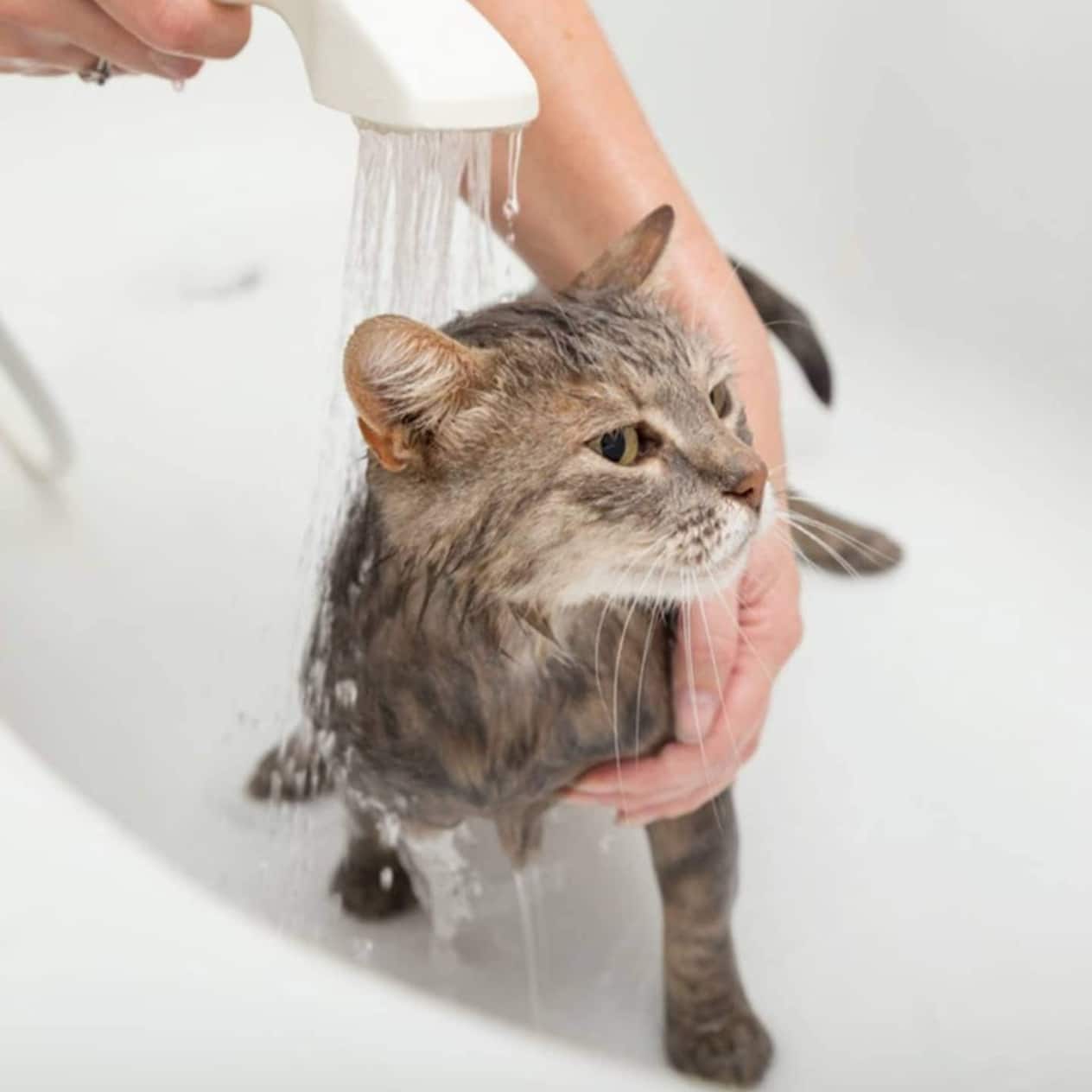
When is it really necessary to bathe a cat?
There are situations when you shouldn’t put off bathing your cat.
First and foremost, this is when the fur is heavily soiled. If a cat has gotten covered in dirt, a greasy substance, or something sticky that it cannot safely remove on its own, the fur needs to be cleaned. You need to be especially careful if a potentially hazardous substance has gotten on the fur. The cat will definitely try to lick itself clean and, in doing so, may swallow the contaminant. In such a situation, it’s important to clean the fur quickly and, if necessary, consult a veterinarian.
Bathing may also be necessary for cats that have stopped grooming themselves properly due to age, excess weight, or limited mobility. At the same time, a sudden loss of coat cleanliness doesn’t always mean the cat simply needs to be bathed more often. If the cat used to groom itself actively but has now stopped, this may be a reason to pay attention to its health. Also, don’t try to solve problems like itching, severe dandruff, redness, bald spots, or excessive licking by bathing your cat frequently. First, you need to figure out what the problem is.
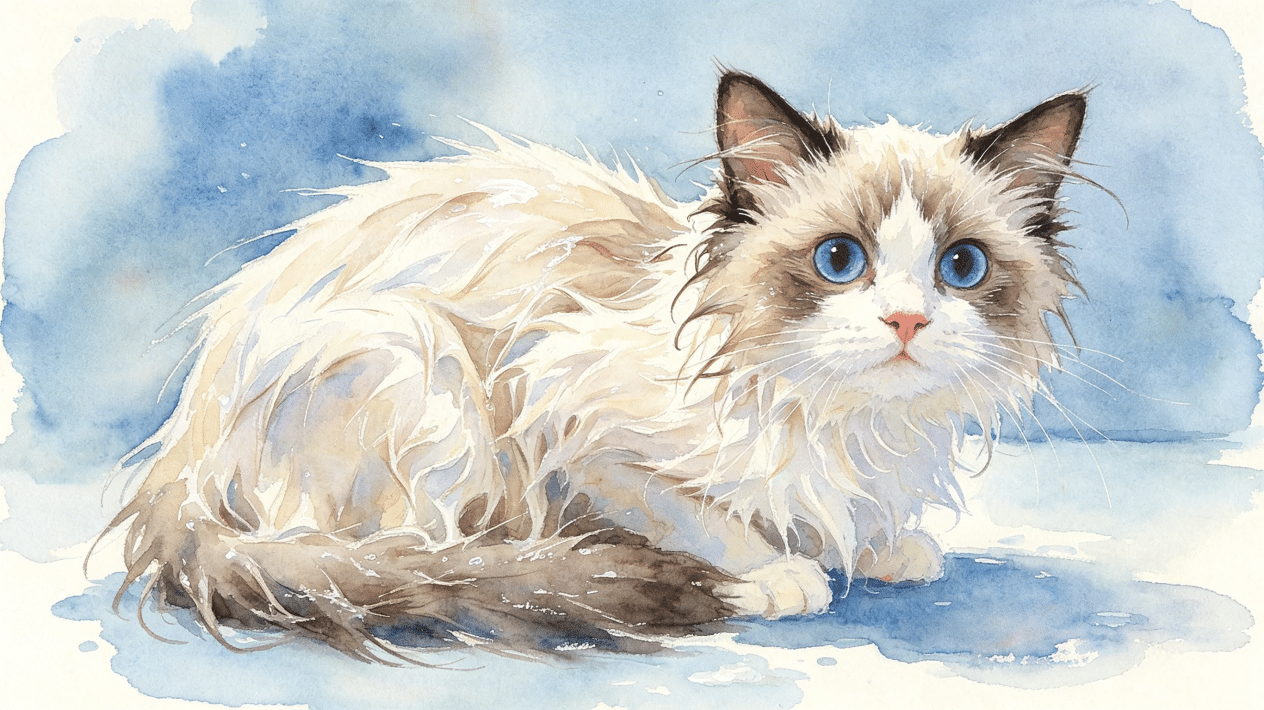
How should you bathe a cat in the summer?
Even on the hottest day, you shouldn’t bathe your cat in cold water. The water should be comfortably warm, without sudden temperature changes.
Before bathing, it’s a good idea to brush the cat’s coat thoroughly, especially if the cat has long hair or is shedding heavily. This will help remove some of the dead undercoat and make the bath more effective.
Use only special cat-specific grooming products for bathing. Human shampoo—even baby shampoo—is not suitable for regular care of a cat’s skin. Medicated products should also not be used on your own without a valid medical reason.
During the bath, it’s important to:
- prevent water and shampoo from getting into the eyes and ears;
- rinse the product off thoroughly;
- use a non-slip surface;
- remain calm and avoid sudden movements;
- dry the fur thoroughly after the bath.
It’s also important to consider the cat’s temperament. If the cat is terrified of water, actively resists, and experiences severe stress, you shouldn’t bathe it frequently just to “cool it off” in the summer.
Bathing should be beneficial, not an ordeal for the cat and its owner.
Conclusion
It’s important to remember that grooming a cat isn’t just about bathing. Comprehensive care may include brushing, removing dead undercoat, detangling the fur, trimming claws, and cleaning specific areas.
Therefore, in the summer, you shouldn’t try to solve all grooming issues by bathing yourcatmore frequently.
For most healthy cats, bathing as needed, regular brushing, and careful monitoring of the condition of their skin and coat are the best approach to summer grooming.
Heat alone is not a reason to bathe your cat more often. It’s much more important to ensure your pet’s comfort, provide clean water, a cool place to rest, and proper care tailored to its coat type and lifestyle.