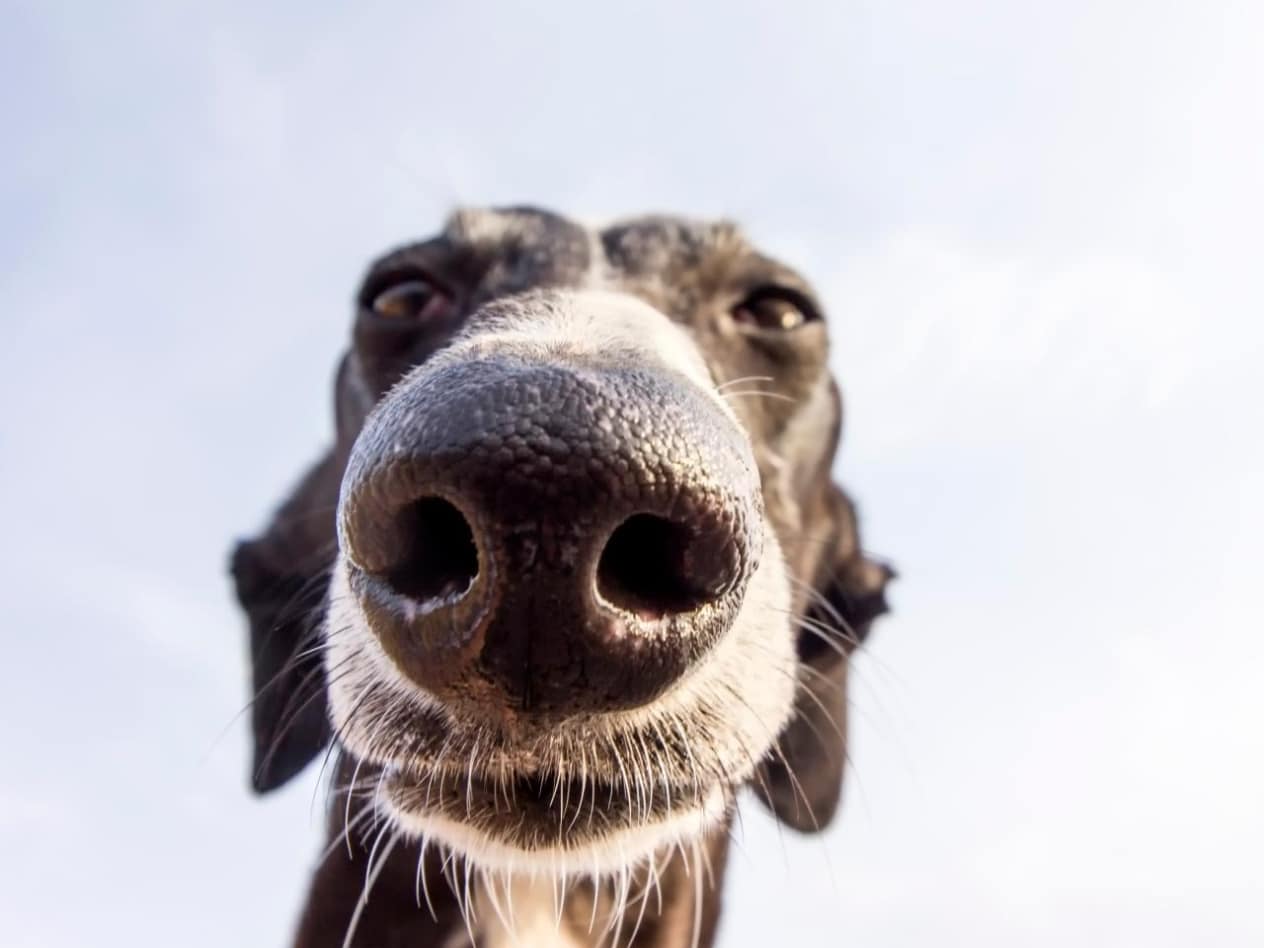
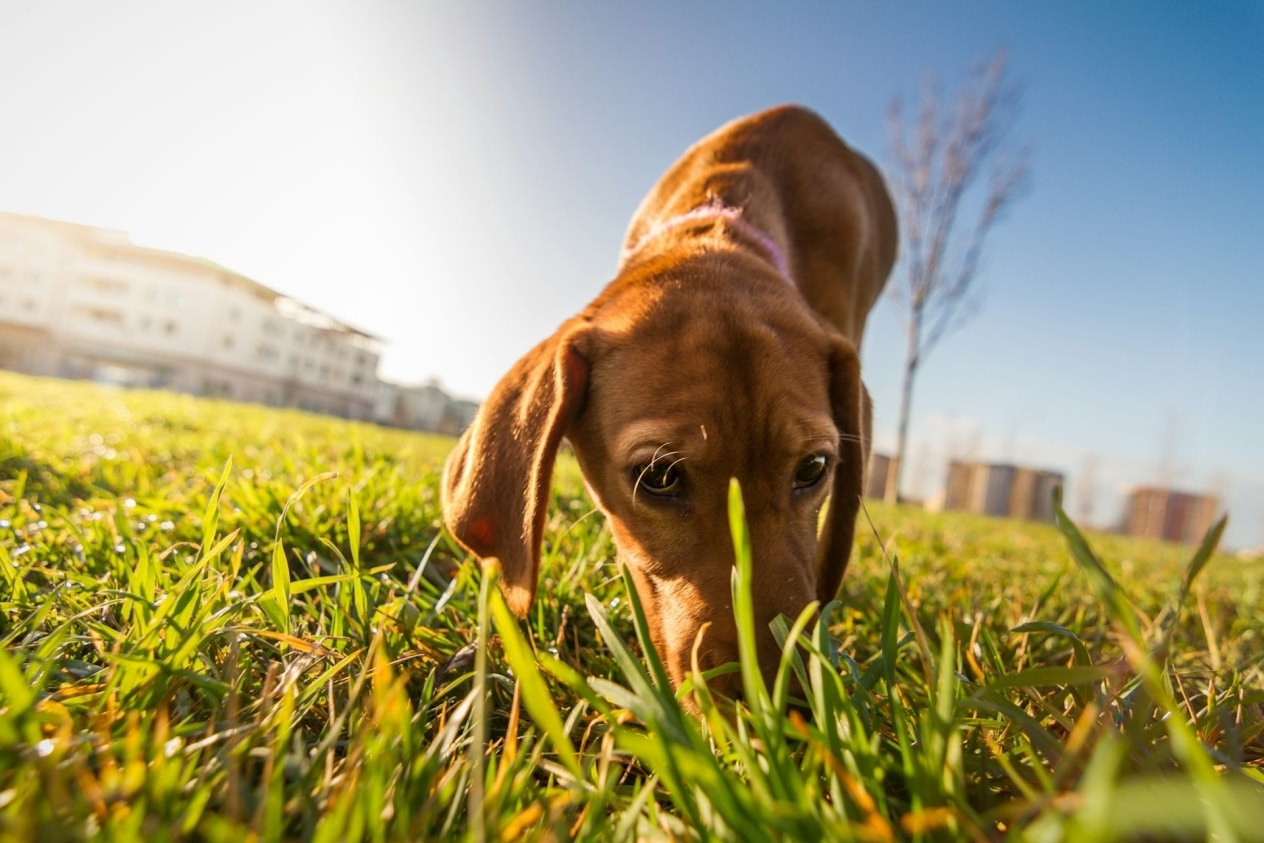
Every dog owner has, at least once, wondered how their pet can spend hours sniffing the grass, instantly find a lost toy, or unerringly recognize its owner by scent among dozens of people. For humans, the world consists mainly of images and sounds, but for dogs, it consists of smells.
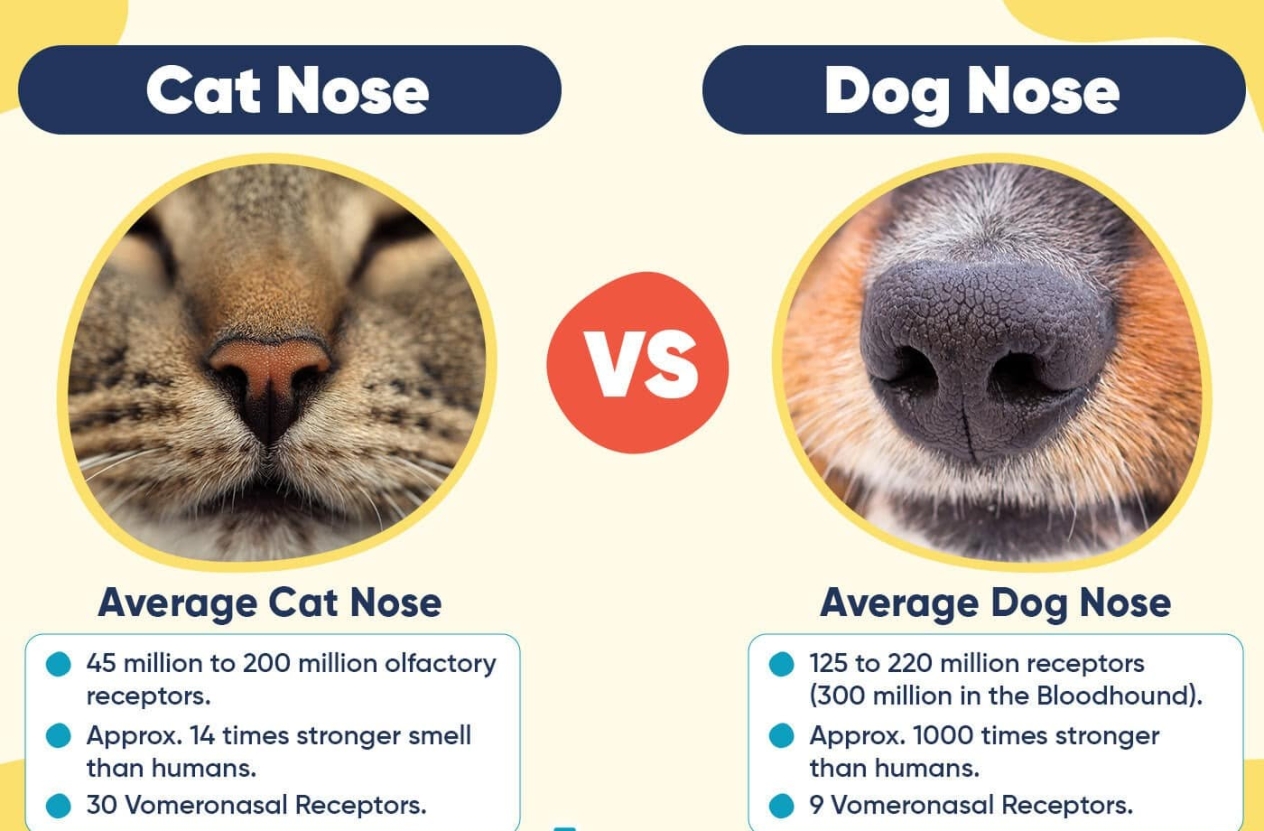
It is their sense of smell that serves as their primary tool for exploring the world around them. And although it’s often said that dogs can smell a thousand or even a million times better than humans, in reality it all depends on the specific substance and the breed. But one thing is certain: their sense of smell is truly impressive.
How does a dog’s nose work?
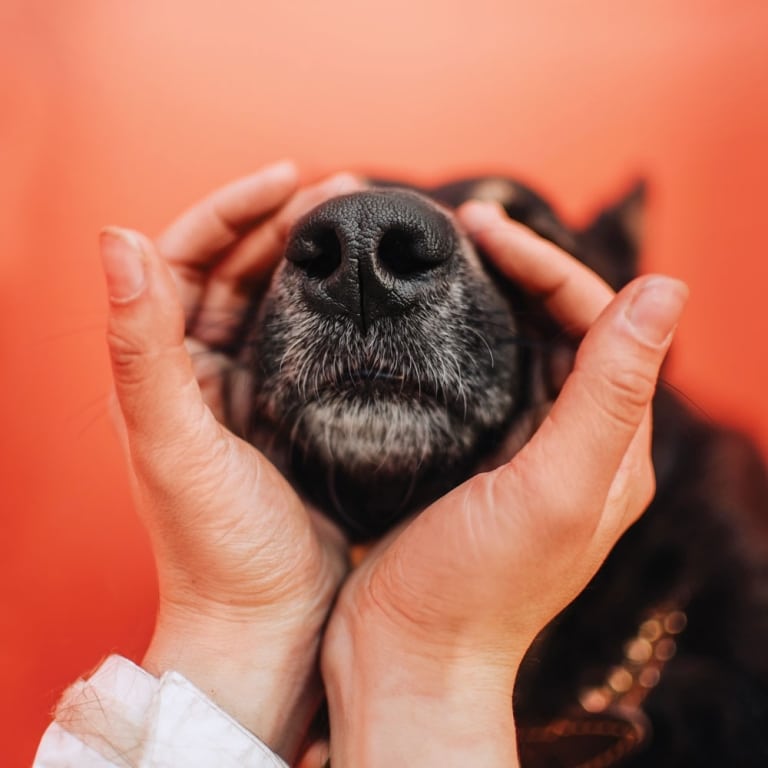
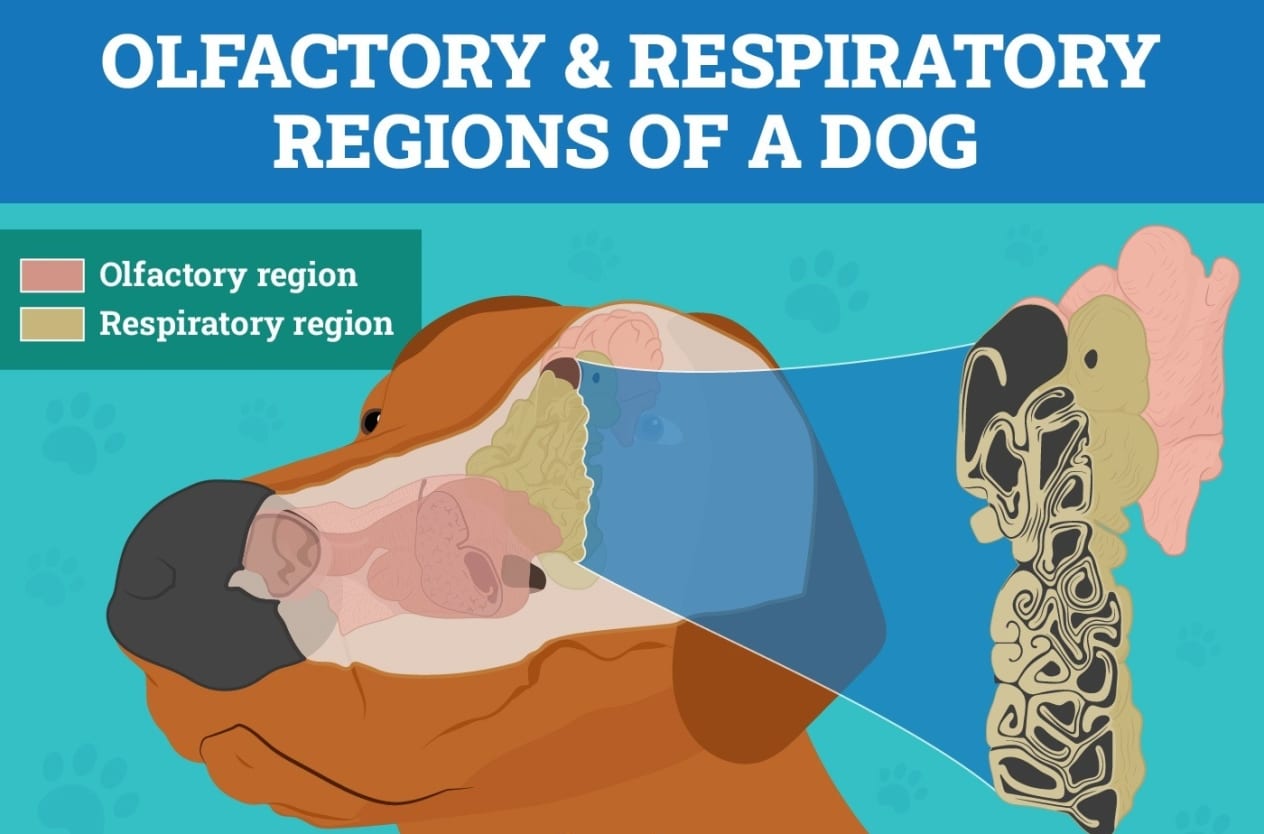
When a person inhales air, it reaches the lungs almost immediately. For dogs, the process is much more complex. Inside the nasal cavity is a complex system of thin bony plates—the nasal conchae (turbinates)—covered with olfactory epithelium. It is these structures that greatly increase the surface area where odor molecules are captured.
While in humans the surface area of the olfactory epithelium is approximately 5–10 cm², in some dog breeds it can exceed 150 cm². Thanks to this, they are able to capture and analyze significantly more odor molecules with every breath.
Why can a dog breathe and analyze odors at the same time?
One of the most interesting features of a dog’s nose is that the airflow inside it is split. Part of it is used for breathing, while the other part is directed to a separate olfactory zone, where odor molecules can be retained for much longer.
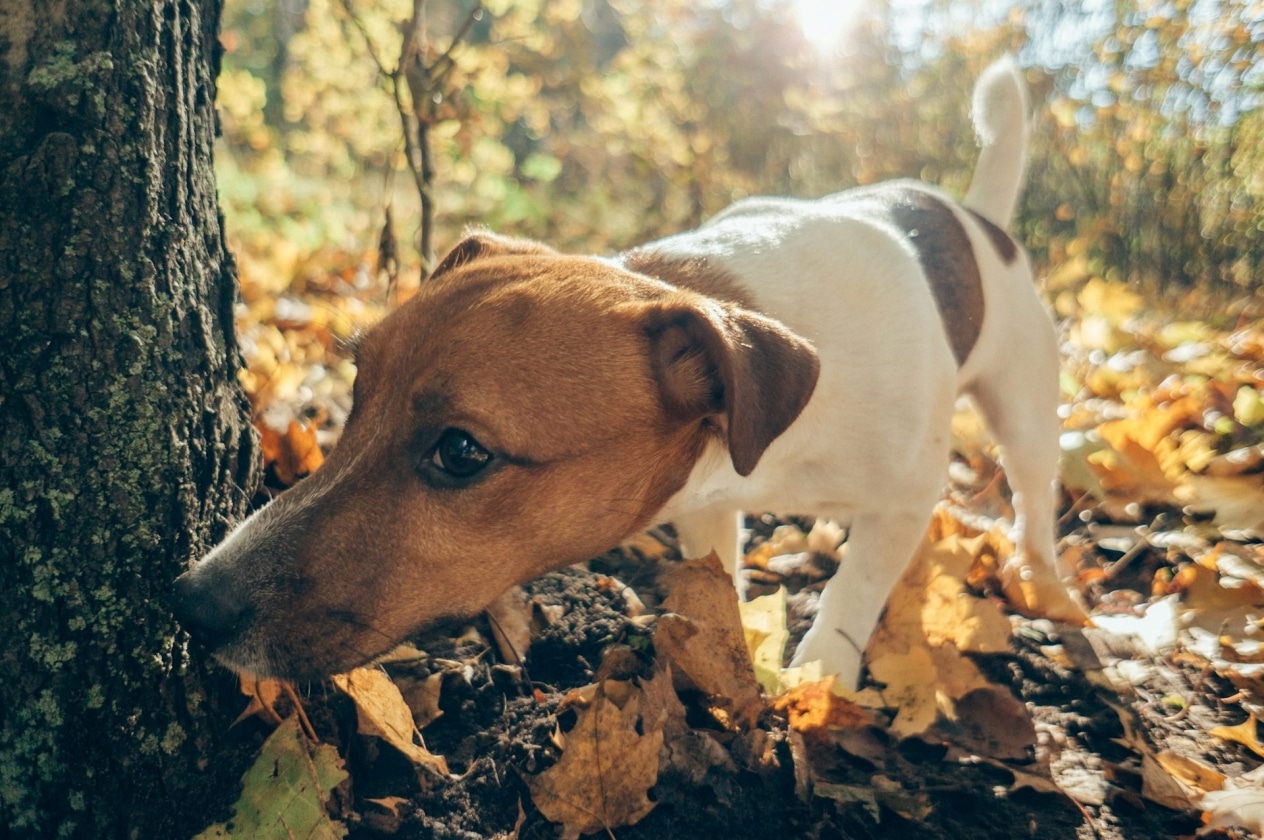
In addition, when a dog exhales, air exits through special slits on the sides of the nostrils, creating small vortices. These literally “draw” new scent particles into the nose, allowing the dog to continuously analyze its surroundings even while on the move.
This is precisely why a dog can run fast without losing the scent trail.
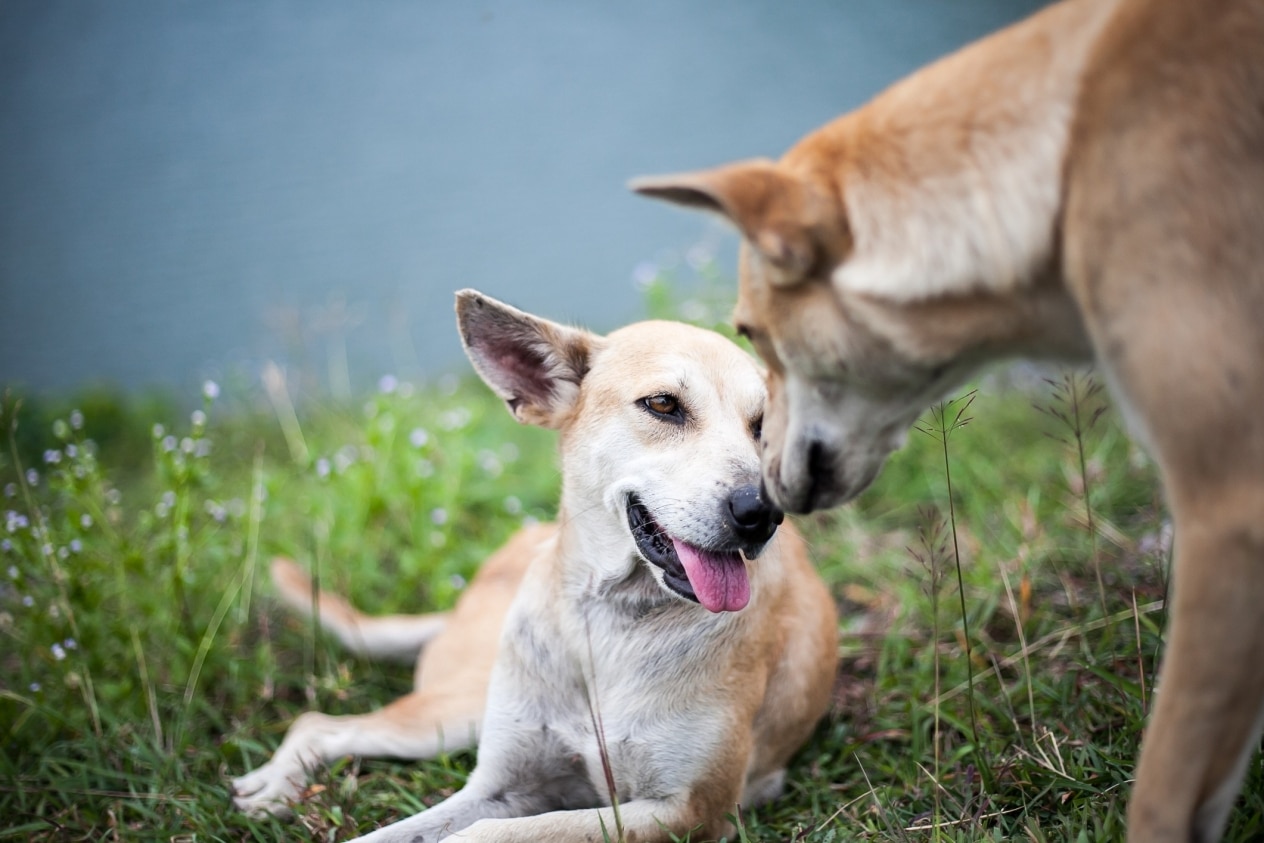
A dog’s brain also works differently
It’s not just the nose that plays an important role—the brain does, too. In dogs, the area responsible for processing olfactory information is proportionally about 40 times larger than in humans.
By way of comparison, when a person looks at a forest, they first and foremost see trees and colors. A dog, on the other hand, literally “sees” a scent map: who passed through here, how long ago it was, in which direction the animal was moving, and even whether it was frightened or sick.
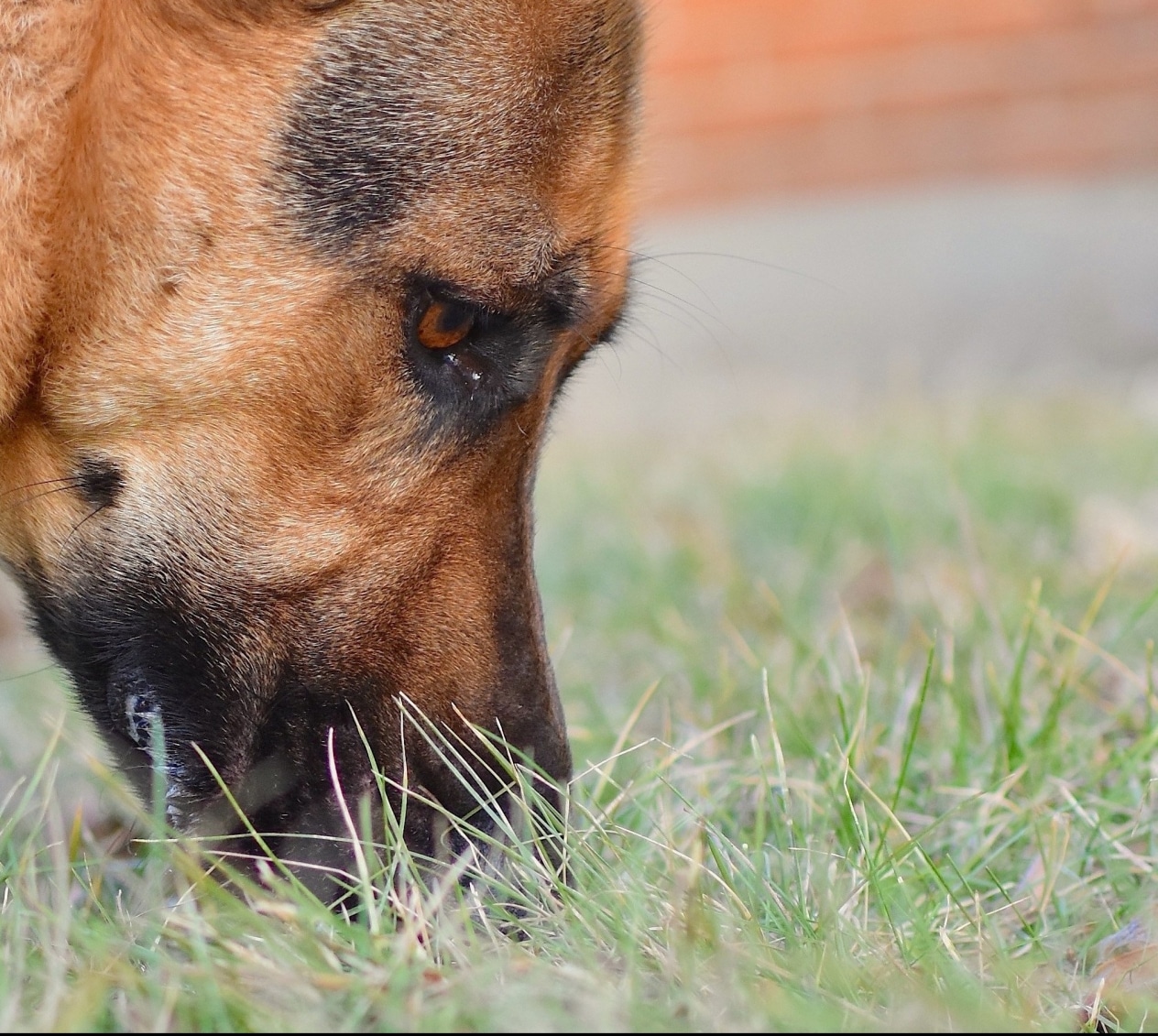
Why can service dogs find people even hours later?
People constantly leave behind microscopic particles of skin and hair. We shed tens of millions of cells every day. Along with them, volatile organic compounds are released, forming a unique scent “signature” for each person.
A dog isn’t looking for a single specific molecule. It analyzes a whole complex of scents and is able to distinguish it from hundreds of other odors in the environment. That’s why search-and-rescue dogs can find people even after it rains or in very challenging conditions.
Fun Fact
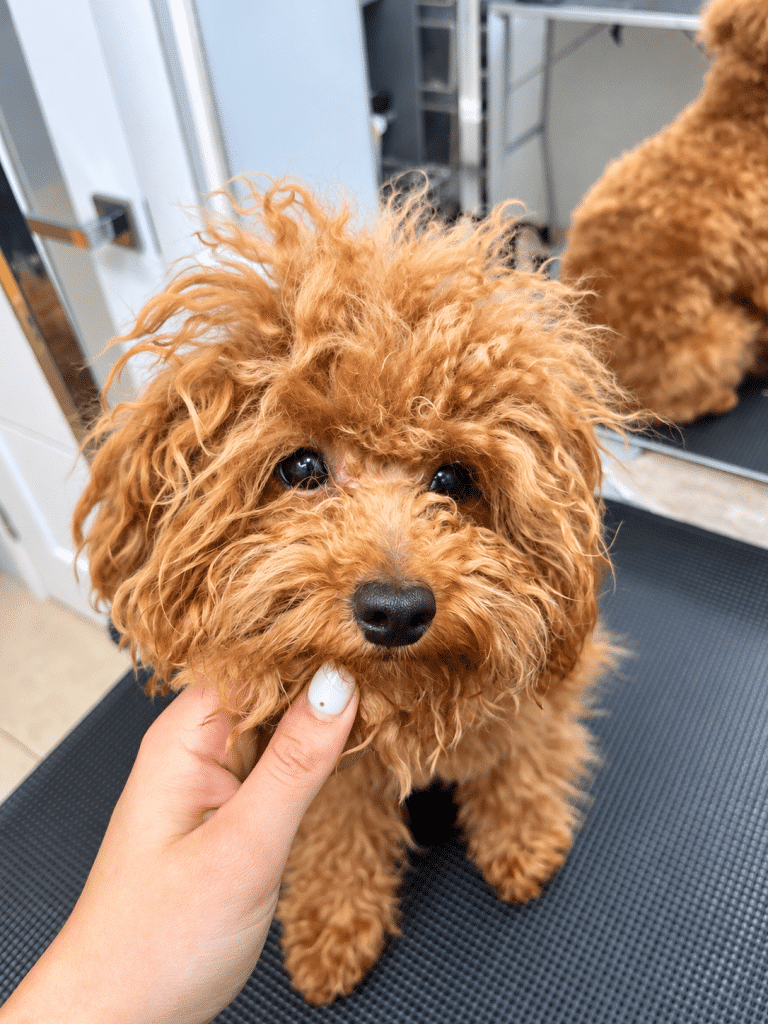
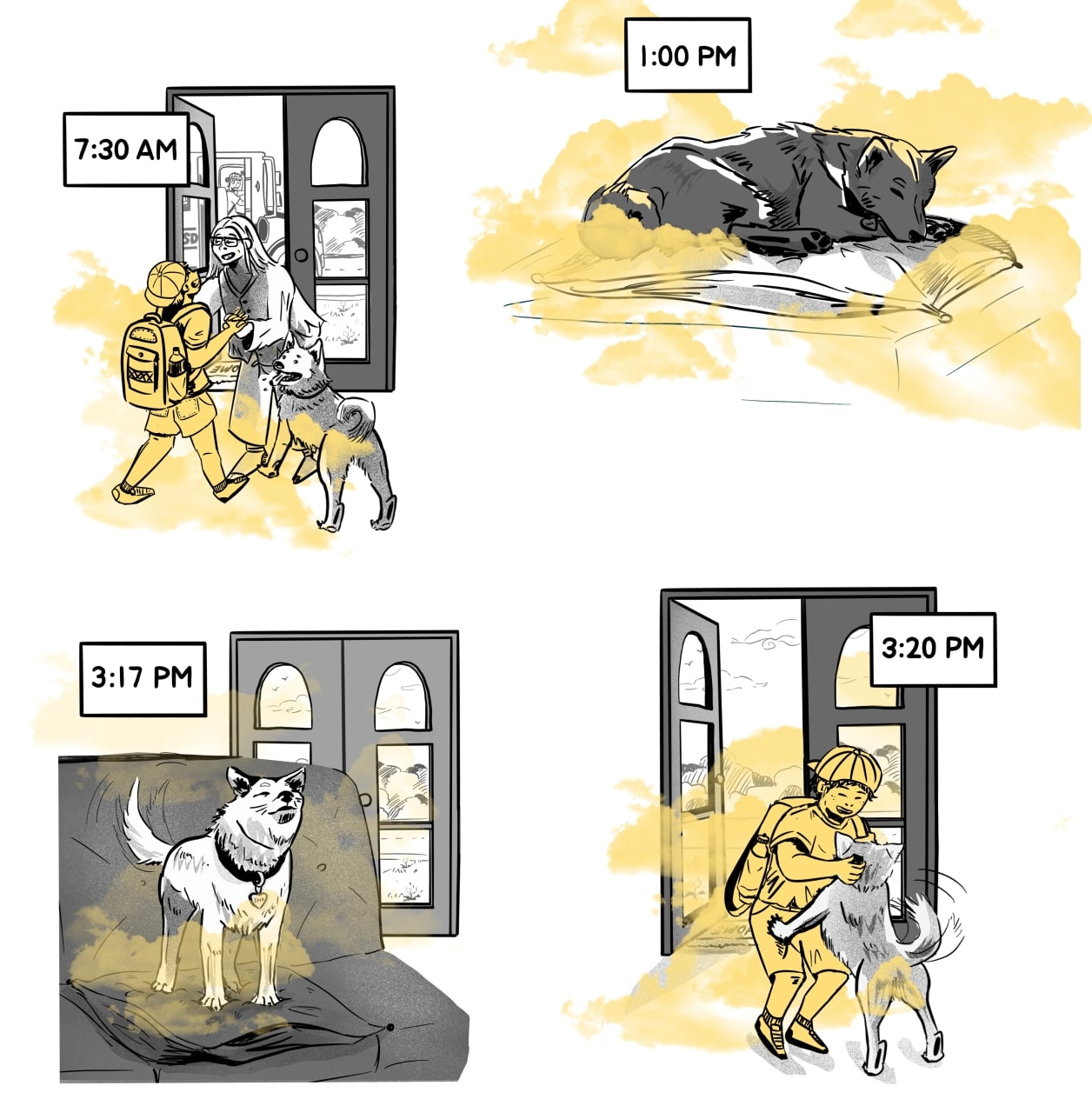
After a professional grooming session, many owners notice that their pet continues to sniff itself actively for a while or pays more attention to the scent of its fur. This is completely normal—the dog is simply getting used to the new scent of the grooming products and reestablishing its familiar “scent map.”