
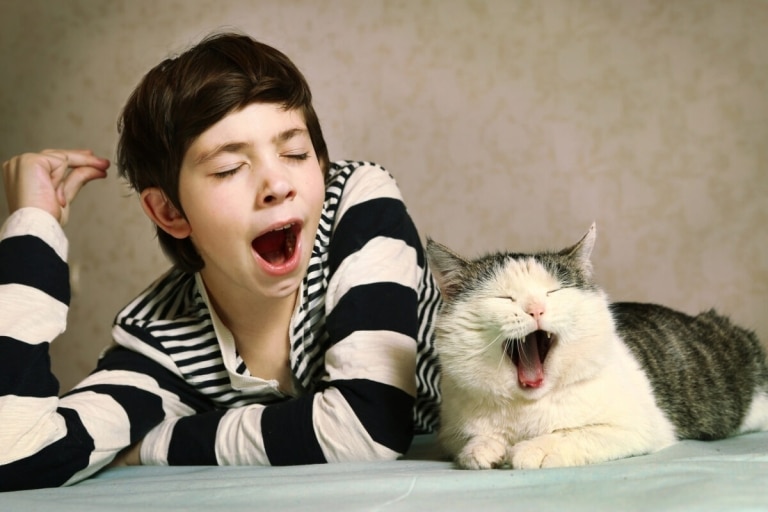
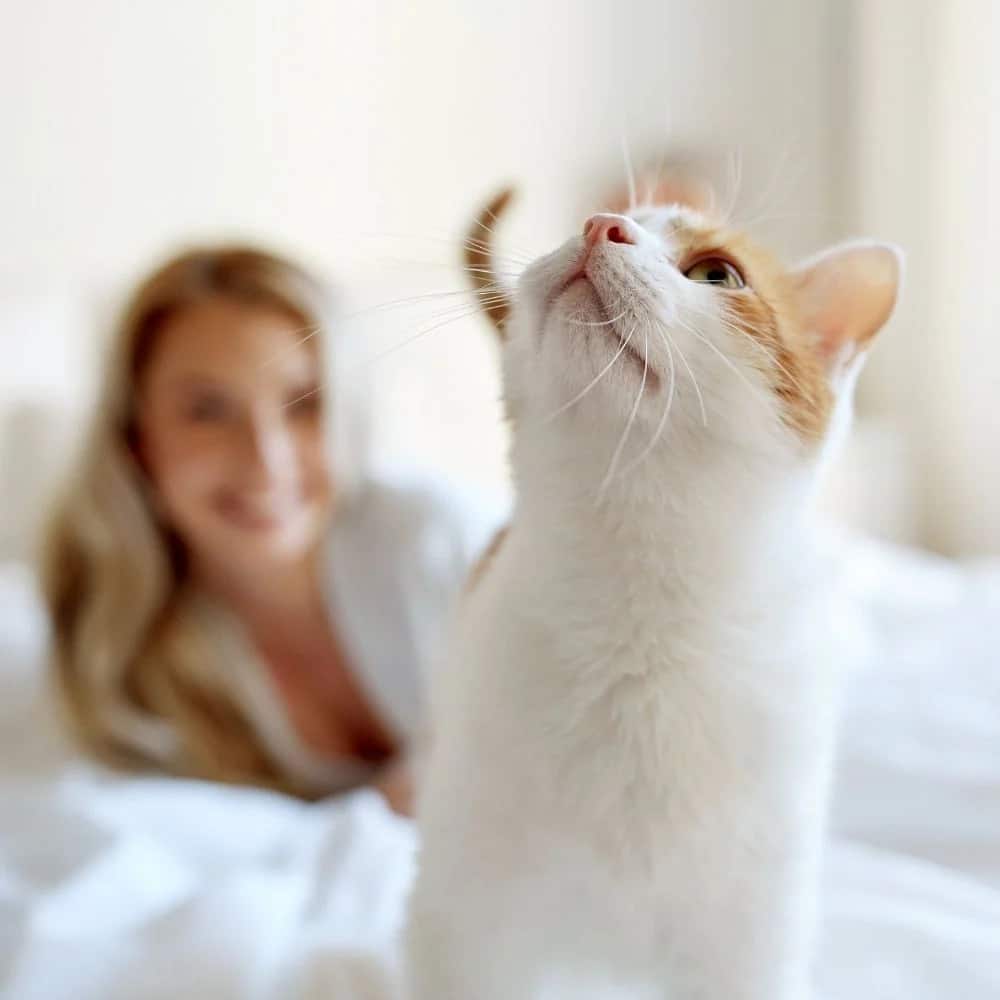
Late-night dashes around the apartment, loud meowing, jumping on the bed, and persistent attempts to wake up their owner are all familiar to many cat owners. Sometimes a cat behaves calmly all day, but as soon as its owner goes to bed, the animal seems to enter a new phase of activity.
This behavior rarely occurs without a reason. Most often, it’s linked to cats’ natural tendencies, excess energy, an improper feeding schedule, or a habit of seeking attention at night. To stop your cat from disturbing your sleep, it’s important to understand what exactly triggers its activity.

Why Cats Are Active at Night
By nature, cats are most active in the evening and early morning. It was during these hours that their ancestors hunted, so even a house cat may feel a strong urge to run, stalk imaginary prey, and explore its territory.
If a cat sleeps for most of the day, it has a lot of unused energy left by evening. This is especially common among young cats that live in apartments and don’t have enough toys, active playtime, or opportunities to observe the world around them.
Hunger can also be a reason for nighttime awakenings. If a cat is fed long before bedtime, it may wake up in the middle of the night and demand food. Sometimes the owner gets up at least once to feed the cat or start talking to it, after which this behavior quickly becomes a habit. The cat realizes that meowing, tapping with its paw, or jumping onto the bed helps it get what it wants.
Another possible cause is boredom. Cats that are left alone for long periods often sleep during the day and seek interaction in the evening. When the owner goes to bed, the cat may see this as its only chance to get attention.
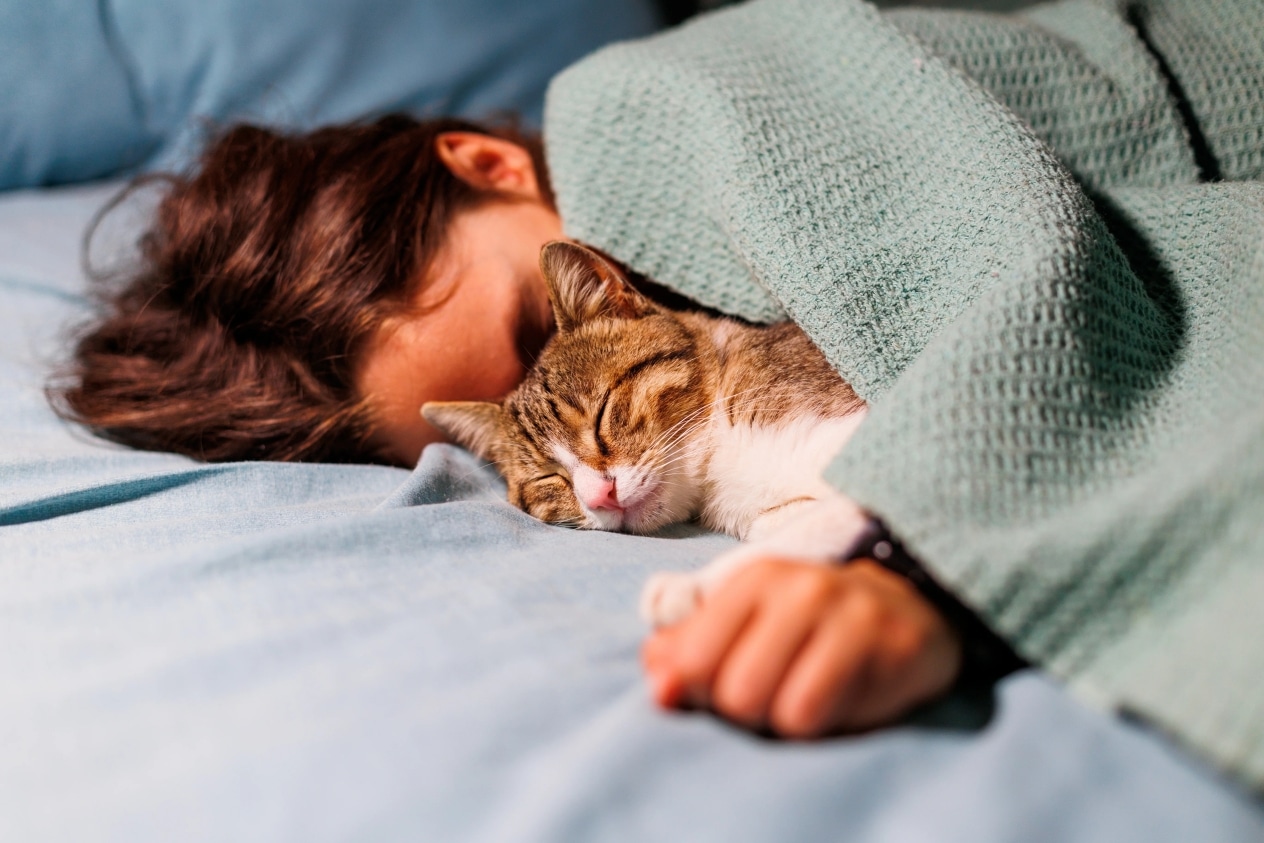
How to Train a Cat to Sleep at Night
It’s impossible to completely change a cat’s natural rhythms, but its routine can be gradually adjusted to align with the family’s schedule. The most important rule is that the cat should burn off its energy before the owner goes to sleep.
In the evening, organize an active play session lasting about 15–30 minutes. Feather wands, balls, tunnels, and toys that mimic the movement of prey work best. The play session should consist of chasing, jumping, and short breaks. After this activity, you can give the cat its main evening meal. This sequence mimics the natural cycle: hunting, eating, grooming, and sleeping.
It’s also important to provide your cat with activities throughout the day. Play structures, scratching posts, shelves, a spot by the window, and interactive toys are all helpful. These should be rotated periodically, as the cat quickly loses interest in the same thing.
If the cat wakes its owner for food, an automatic feeder can be a convenient solution. It will dispense a portion at a set time, and the cat will gradually stop associating nighttime feeding with its owner.
It’s important not to get up, talk to the cat, or start playing with it when it wakes you up at night. Even a negative reaction can be perceived as attention. If you ignore the meowing today but give in tomorrow, the cat will continue to test whether its persistence will work this time.
What Not to Do
Do not yell at the cat, scare it, spray it with water, or lock it in an unfamiliar room without water, a litter box, or a place to rest. Punishment does not explain to the animal what is expected of it, but can increase anxiety and mistrust. You should also avoid making sudden changes to its routine. If a cat has been receiving food or attention at night for years, a new habit won’t form in a single evening. At first, the cat may meow even more persistently, but with consistency, its behavior will gradually change.
Before bedtime, make sure your cat has access to clean water, a litter box, a bed, and safe toys. Sometimes a dirty litter box, a closed door, or the absence of its usual sleeping spot can cause anxiety.
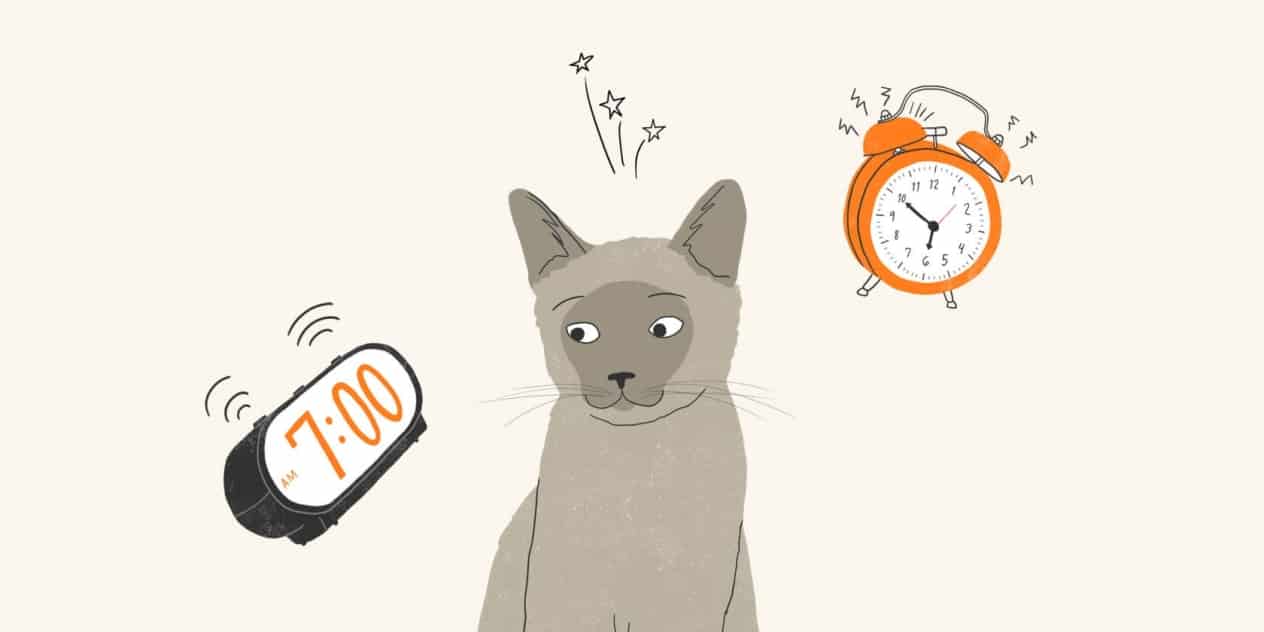
Nighttime activity may be a sign of a problem
If an adult or senior cat suddenly starts meowing at night, even though it used to sleep peacefully, don’t just chalk it up to its personality. A change in behavior may be related to pain, thyroid dysfunction, or problems with digestion, the urinary system, vision, or hearing.
Warning signs include a sudden change in appetite, weight loss, excessive thirst, frequent trips to the litter box, disorientation, aggression, hiding, or constant licking of a specific body part. In such cases, the cat should be taken to a veterinarian.
Unneutered male cats and unspayed female cats may also be particularly vocal at night due to sexual behavior. In this case, playtime alone won’t completely eliminate the cause, so it’s advisable to discuss the situation with a veterinarian.
Conclusion
A cat’s nighttime activity is most often related to its natural rhythm, excess energy, hunger, or a habit of seeking attention. Active evening play, feeding before bedtime, plenty of activity throughout the day, and a consistent response from the owner can help gradually change this behavior.
However, if your cat has suddenly started staying awake at night or if other changes in its well-being have appeared at the same time, it’s important to rule out any health issues.