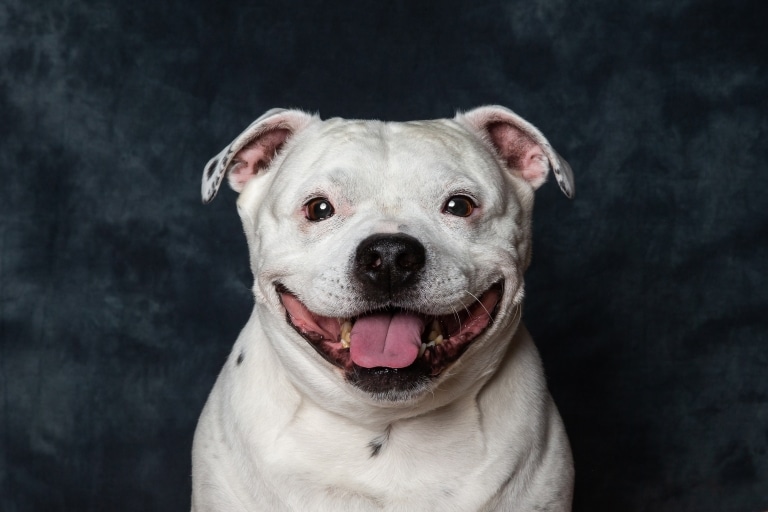
Some dogs look at the world with a serious expression, others with a slightly puzzled look, and some seem to be smiling all the time. Upturned corners of the mouth, half-closed eyes, and an open mouth create such a cheerful expression that it’s hard to stay gloomy for long around a pet like this.
But a dog’s “smile” doesn’t always mean the same thing as a human’s. Sometimes it’s a feature of their muzzle structure, sometimes it’s a relaxed expression while playing, and sometimes an open mouth helps a dog cool off. Let’s meet six breeds whose smiling faces have become their trademark.
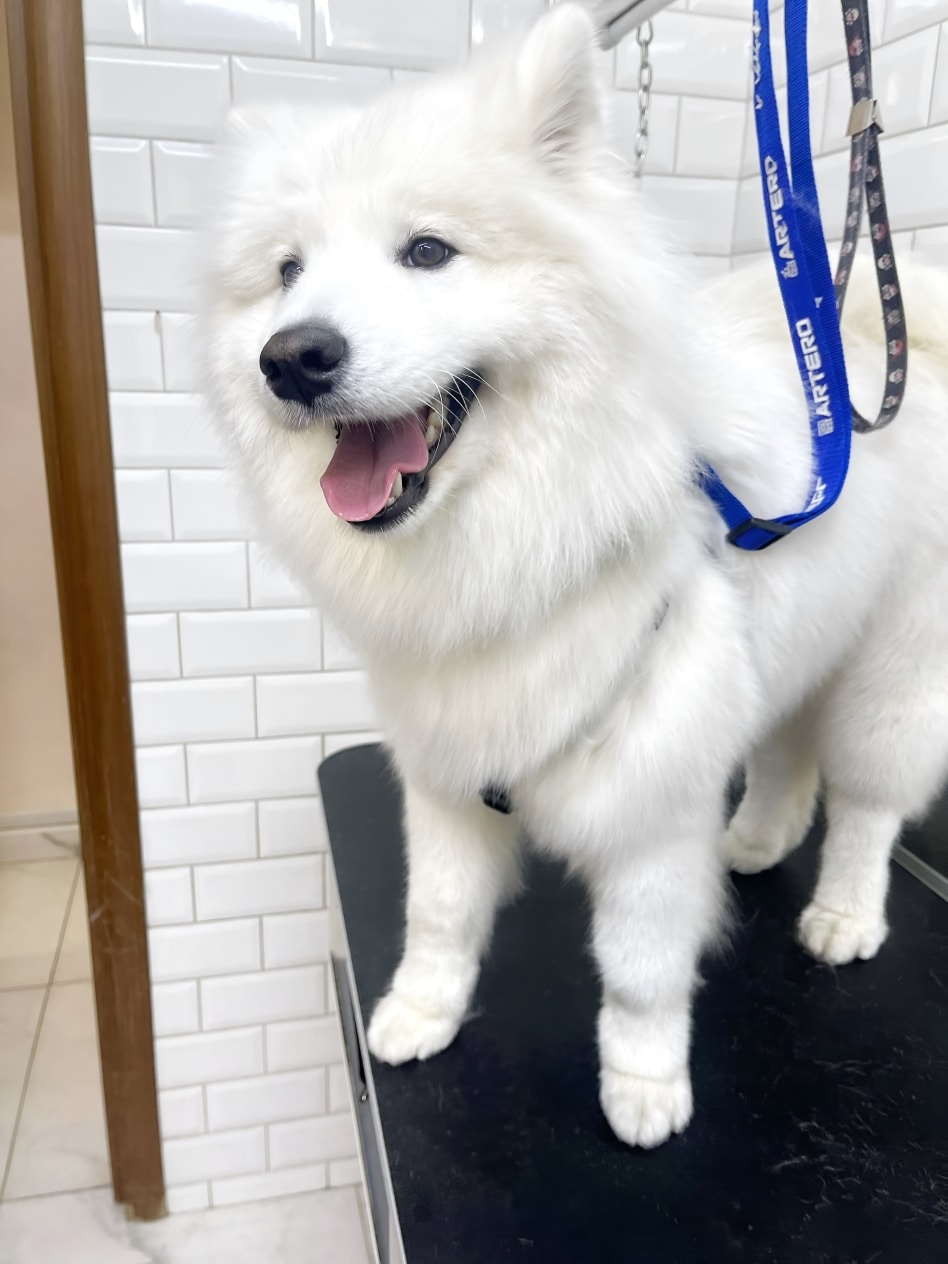
1. Samoyed
The term “Samoyed smile” exists for a reason. The corners of these dogs’ lips are naturally turned up, and their dark eyes and black nose stand out particularly vividly against their snow-white coat.
One theory suggests that this mouth shape served a practical purpose: the slightly upturned corners of the mouth prevented saliva from dripping, which could freeze in the harsh northern climate.
Behind their charming appearance lies an active and sociable dog. Samoyeds are accustomed to working alongside people, hauling loads, and helping to herd reindeer. They love being at the center of family life and often express their desires with a whole range of sounds—from grumbling to almost theatrical “singing.”
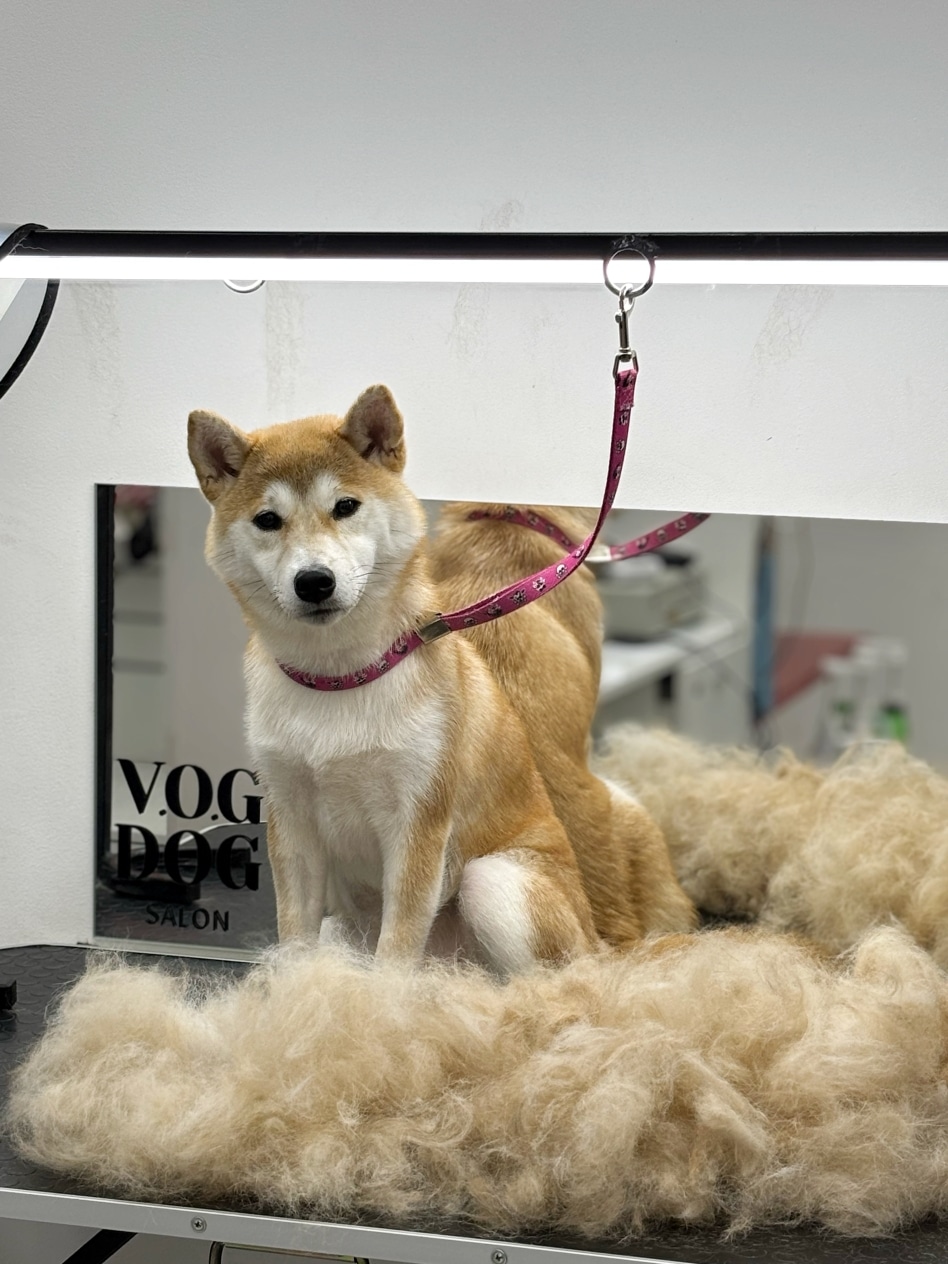
2. Shiba Inu
A Shiba Inu’s smile can take many forms: friendly, mischievous, or as if the dog has just come up with a prank and has no intention of confessing. The upturned corners of their mouths, compact muzzle, and narrow eyes create a recognizable “fox-like” expression.
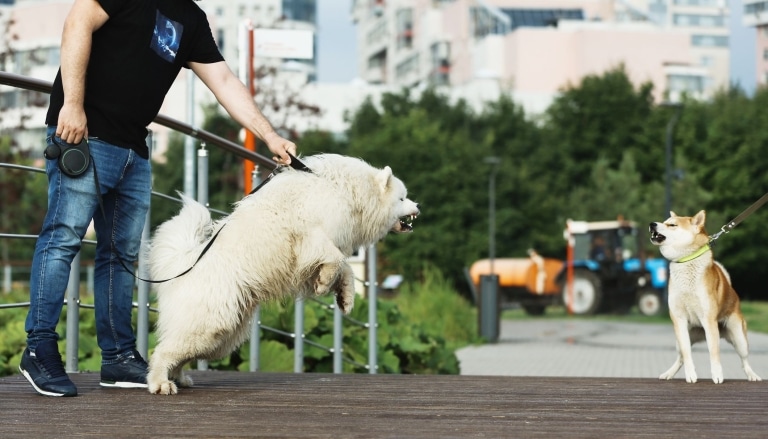
Shibas are very neat, attentive, and independent. They don’t always crave constant physical contact and may have their own take on their owner’s commands. Negotiating with them is usually more effective than trying to force them.
Online, the breed is known not only for its smile but also for the famous “Shiba scream”—a piercing sound that some dogs make when they’re highly excited, protesting, or unwilling to participate in a requested activity.
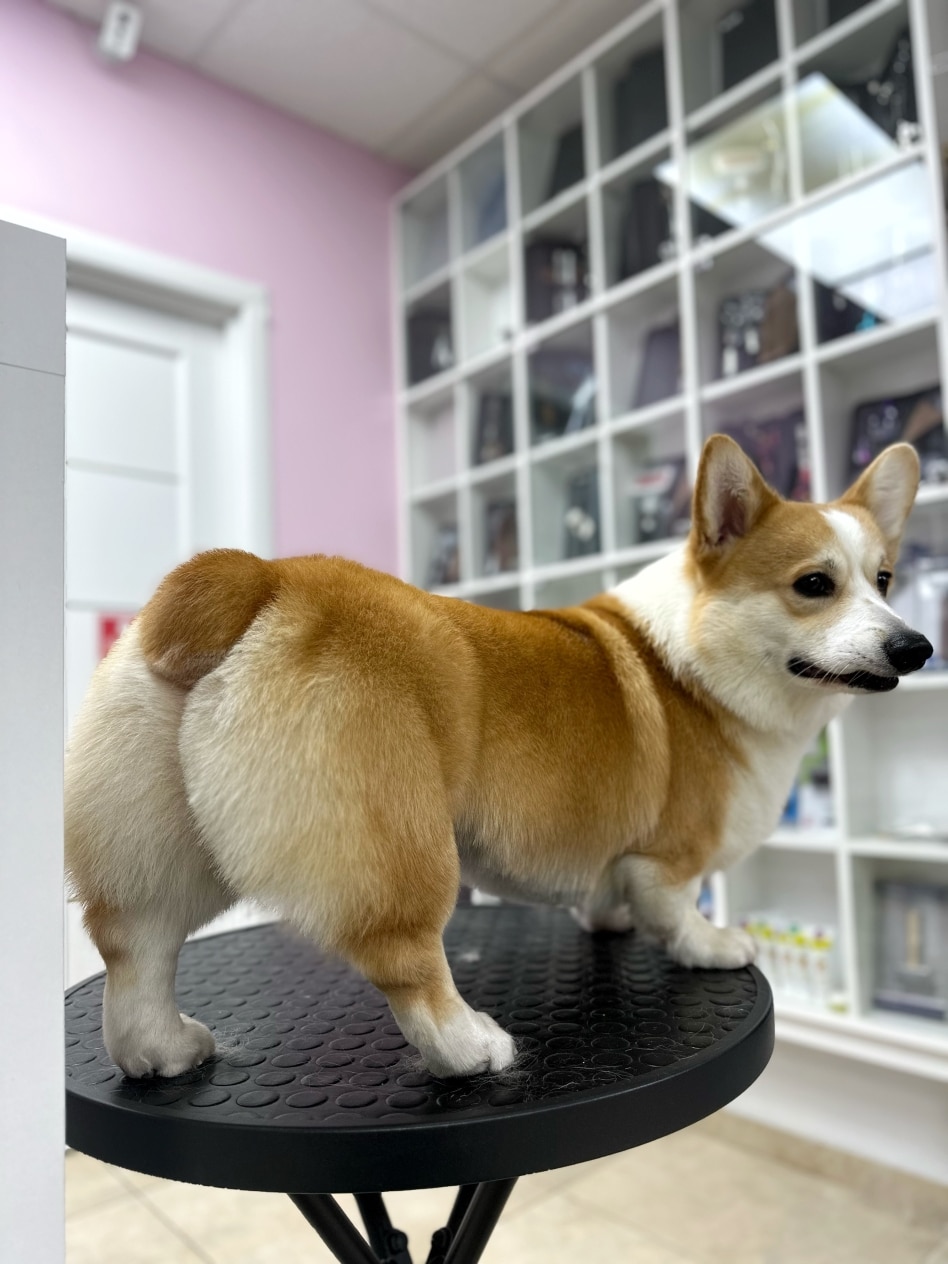
3. Pembroke Welsh Corgi
Large, erect ears, an open mouth, and an attentive gaze make the Corgi look like a dog that’s genuinely happy to see you every time. Even after an active walk, the expression on its face often looks as if everything is going exactly according to plan.
Despite its compact size, the Corgi is a true herding dog. It is quick-witted, energetic, and may try to control the movements of people and other animals. Some Corgis even gently nip at your heels—a behavior that once helped them herd livestock.
To keep that famous smile from turning into a bored expression, Corgis need walks, training, and mental challenges. Just a couch isn’t enough to make this “short-legged manager” happy.
4. Keeshond
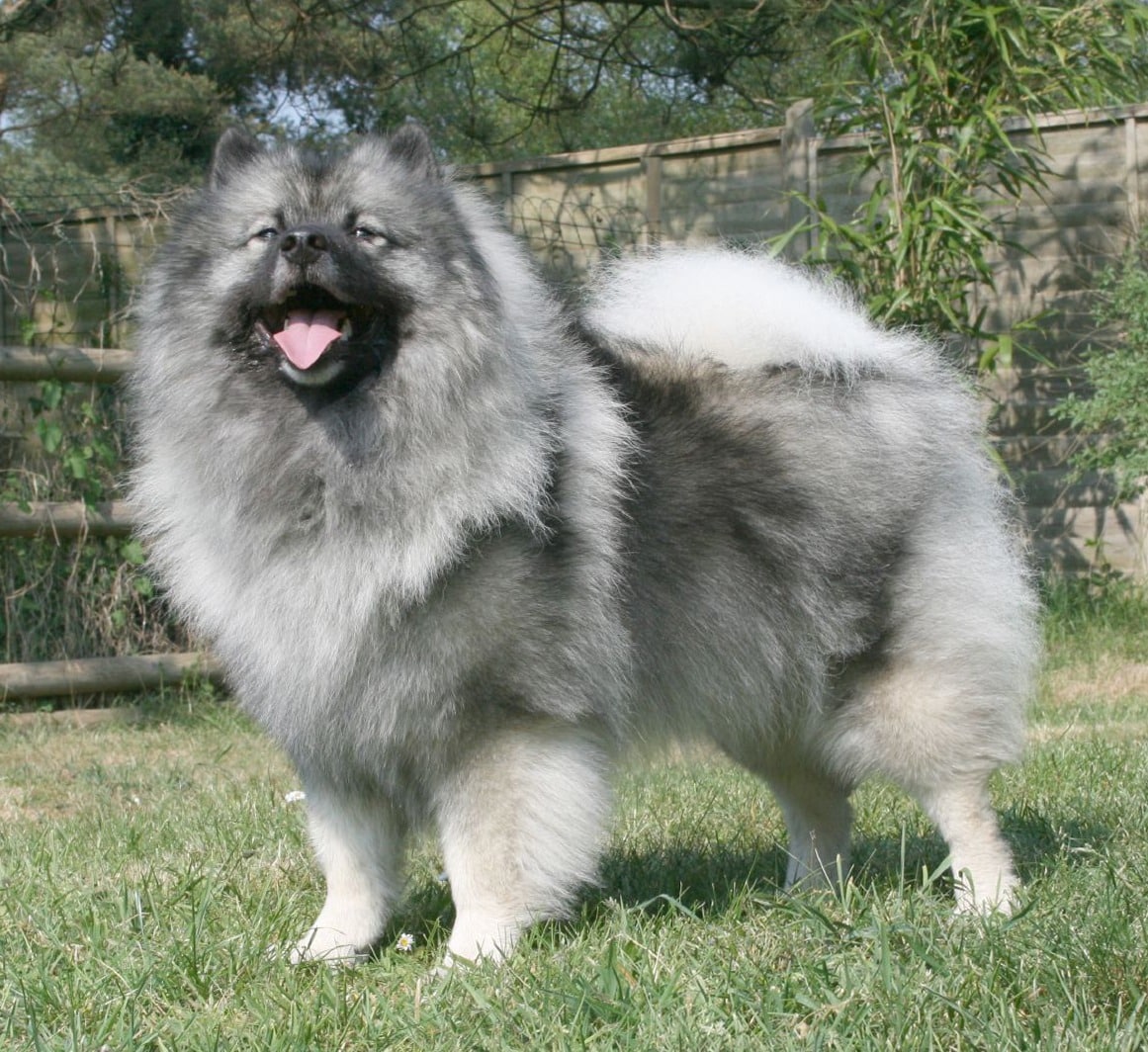
The Keeshond has one of the most distinctive faces among the Spitz breeds. The dark lines around its eyes resemble glasses, and the contrasting coat color and upturned corners of the mouth create a friendly, smiling expression.
These dogs are often described as particularly people-oriented. Keeshonds love being around their family, are quick to pick up on changes in their owner’s mood, and do not handle prolonged loneliness well.
But this fluffy “smiling cloud” has a voice. The Keeshond closely monitors everything happening around them and quickly alerts you to a visitor, an unfamiliar noise, or suspicious movement outside the door.
5. Finnish Spitz
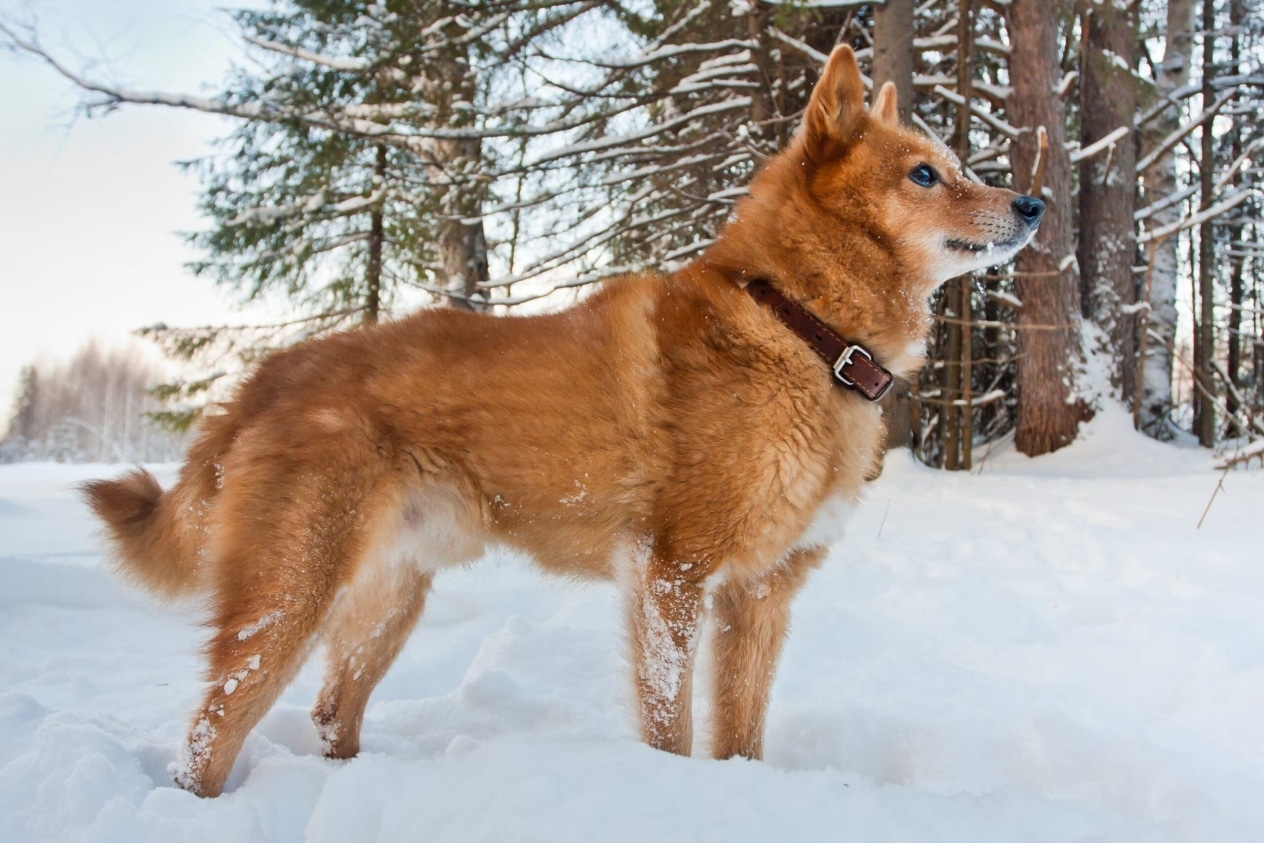
Its golden-red coat, pointed muzzle, and lively dark eyes give the Finnish Spitz a cheerful and inquisitive appearance. When the dog opens its mouth, its “fox-like” face literally lights up with a smile.
The Finnish Spitz was bred for hunting, where its voice was an important working tool. The dog would bark to alert the hunter to the location of game, which is why modern representatives of the breed can also be very vocal.
These are active, alert, and independent dogs. Their smiling appearance doesn’t mean they’re completely docile: the Finnish Spitz needs consistent training, engaging activities, and opportunities to burn off energy.
6. Staffordshire Bull Terrier
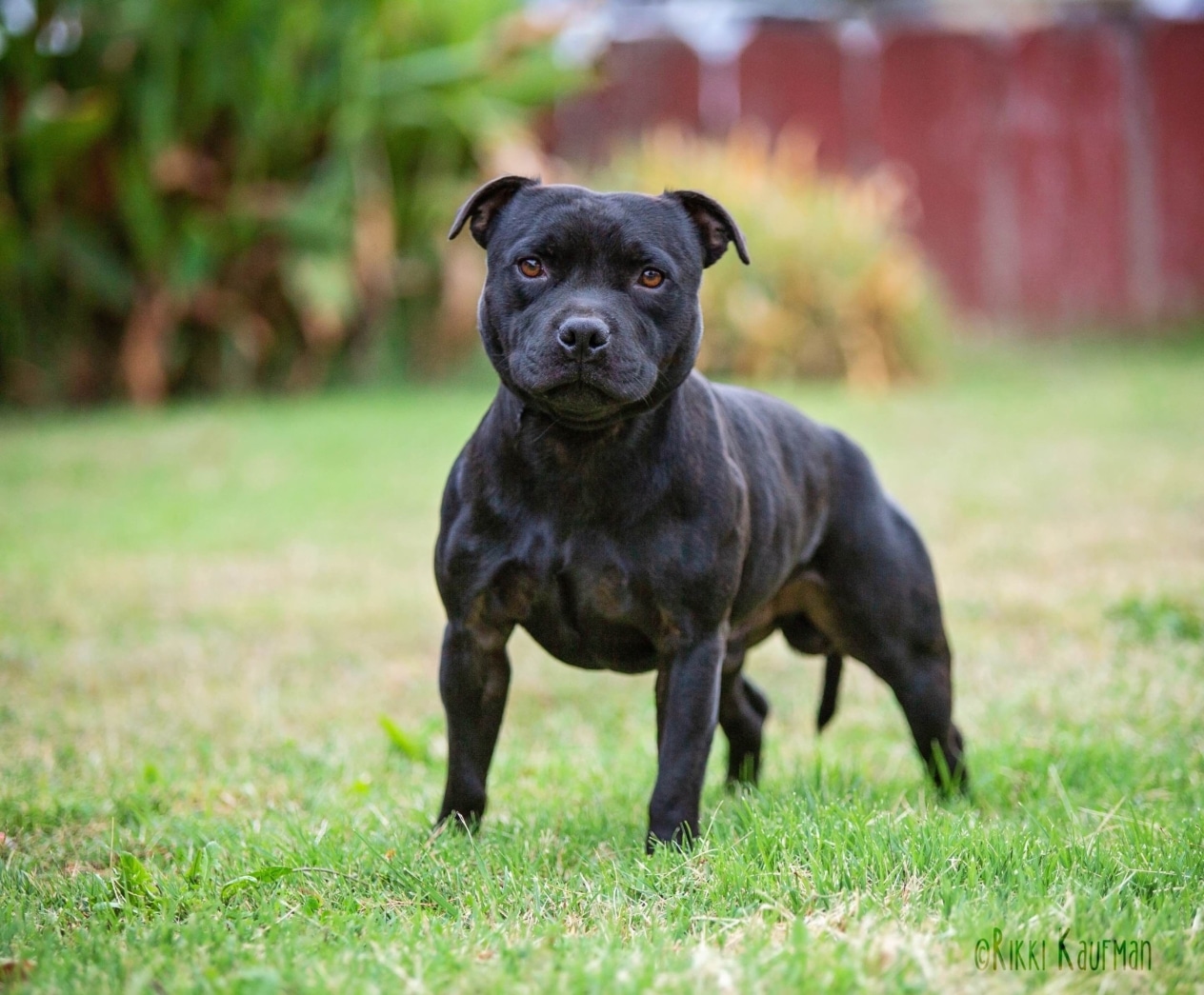
When a Staffordshire Bull Terrier is relaxed, its broad muzzle, pronounced cheeks, and open mouth create an almost cartoonish smile. It looks especially striking after play, when the dog contentedly squints its eyes.
Staffies are strong, energetic, and extremely enthusiastic about activities with their humans. They can be real comedians: coming up with strange sleeping poses, fetching toys without being asked, and using their broad smile to beg for a little more attention.
At the same time, the breed’s physical strength requires responsible training, early socialization, and the ability to remain calm in various situations.
Can dogs really smile?
Dogs do not literally mimic a human smile. An open mouth and raised corners of the lips may result from the anatomical structure of the muzzle, heat, physical exertion, or excitement. Therefore, you shouldn’t judge a dog’s mood based solely on its “smile.”
A relaxed dog moves freely, has a gentle gaze, and holds its ears and tail in a natural position. However, if the body is tense, the gaze is fixed, the lips are pulled back, and the dog frequently licks its lips or looks away, an outward “smile” may indicate discomfort.
It’s best to study your pet’s entire body language. That way, you’ll be able to tell the difference between a signature facial expression, an attempt to cool off after a run, and a genuine moment of canine joy.