
In the morning, your hand instinctively reaches for the food bowl. When you come home, you wait for the familiar sound of paws at the door. And then you remember that your pet is no longer there. Moments like these can sometimes hurt more than the news of the loss itself: it suddenly becomes a part of every day.
Your dog or cat was always by your side. They were woven into your everyday life: waking you up in the morning, waiting for you to come home from work, asking to play, curling up next to you when times were tough. That’s why the death of a beloved pet can leave a huge void in your home. How do you go on when even your daily routines remind you of them?
When a pet dies, a person mourns both the pet itself and the life they shared—a life that will never be the same again. The little daily rituals disappear: a walk along a certain route, fur on a favorite blanket, purring before bedtime. Because of this, the sadness can return unexpectedly—while cleaning or when you see a similar dog on the street.
Sometimes the pain is intensified by what others say: “It’s just a cat” or “You’ll get another one.” People may not understand just how close a relationship with a pet can be. But someone else’s judgment doesn’t determine how significant this loss was to you. You don’t need to prove that you have the right to grieve.
What Can Help in the First Few Days
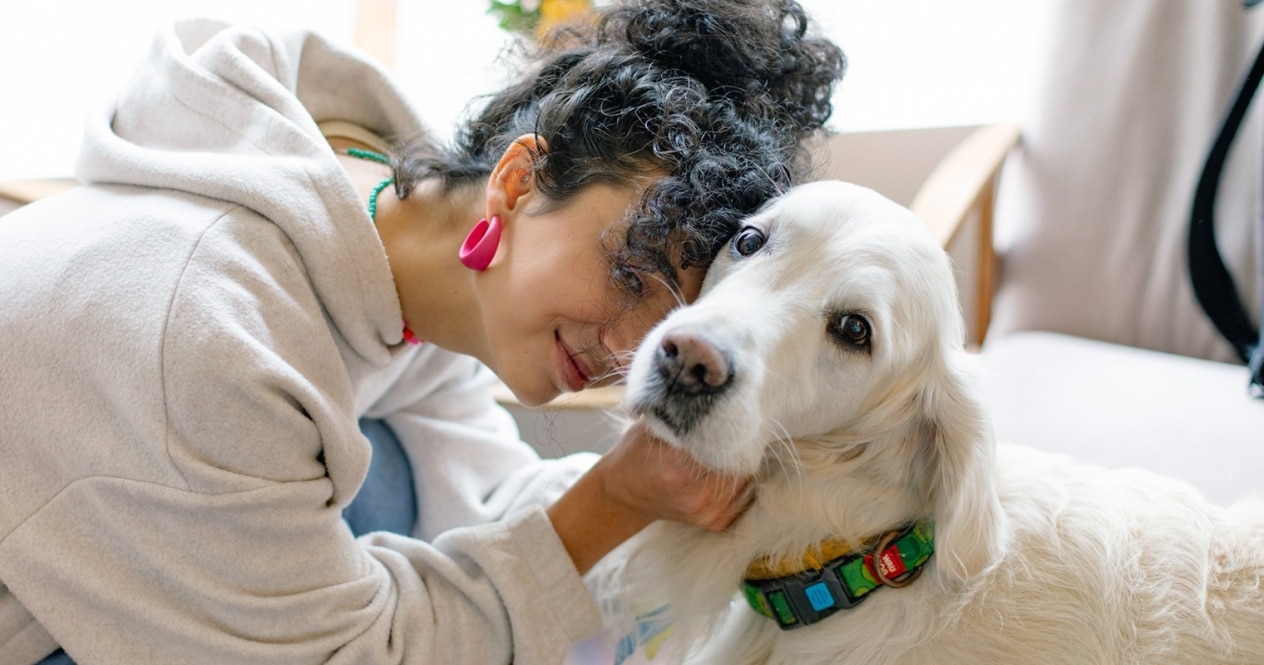
When you’re running low on energy, small, manageable steps can help. Try not to tackle everything on your own right away: ask a loved one to stay by your side or help with practical matters. If you don’t feel like sharing the details, you can say simply: “I’m having a hard time right now. Please stay with me.”
Take care of your basic needs—food, water, sleep, and a short walk outside. This won’t take away the pain, but it will help you get through the days when it’s especially intense. If your usual walk has become the hardest part of the day, you can arrange to meet with a loved one at that time or go for a walk together.
You don’t have to put away the food bowl, toys, or bed right away. Likewise, you don’t need to keep everything if seeing these items is too painful right now. You can pack them away in a box and revisit the decision later.
If You Can’t Shake the Guilt
After a loss, thoughts often arise such as, “What if I’d noticed the symptoms sooner?” or “Did we do enough to treat them?” It can be especially painful after a sudden death or a difficult decision at the end of your pet’s life.
Try to separate what you knew then from what you know now. Decisions had to be made under specific circumstances, often under time pressure and intense emotions. If you still have questions about the illness or treatment, ask your veterinarian to explain the sequence of events to you. When your thoughts go in circles, it can sometimes be helpful to write down what you did for your pet throughout its life: treating it, feeding it, caring for it, and being there for it. One difficult day doesn’t encompass all the years of your care.
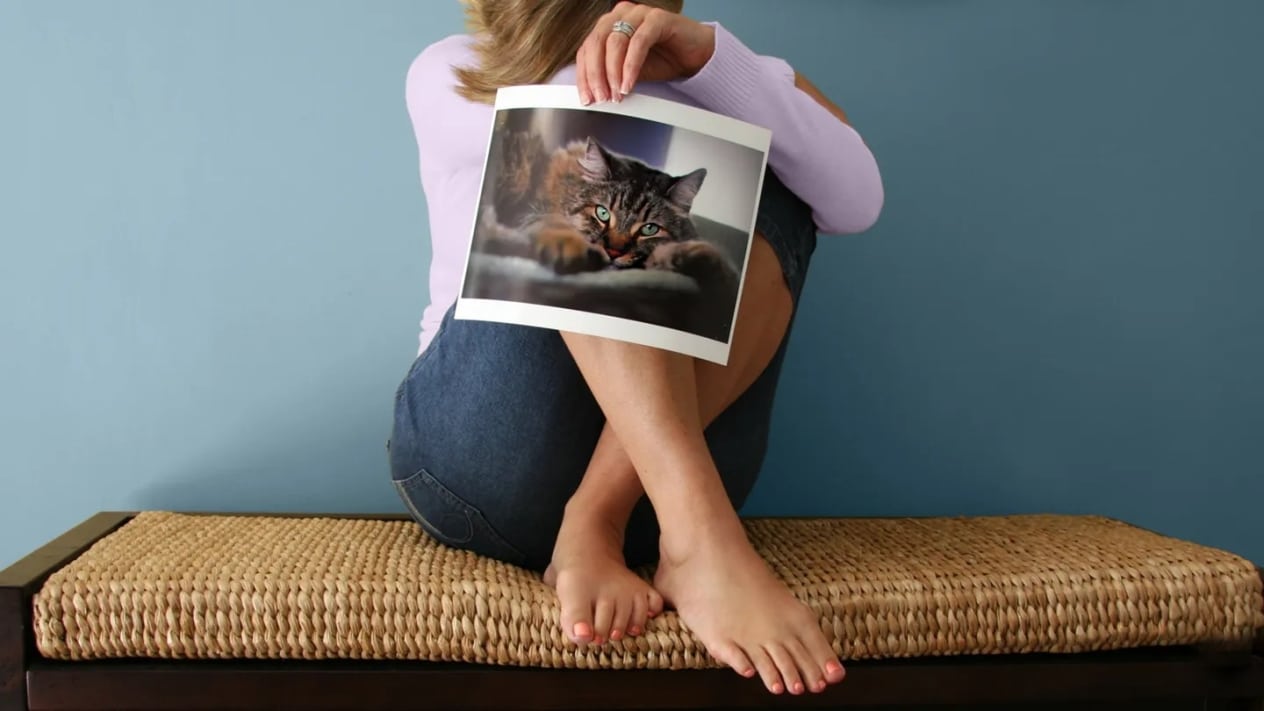
How to Talk to a Child About the Death of a Pet
A child may ask about the pet over and over again, get upset, and then go back to playing a few minutes later. This doesn’t mean they don’t care. Speak simply and in an age-appropriate way: “Our dog has died. His body isn’t working anymore, and he won’t be coming back.” It’s best to avoid explanations like “he fell asleep” or “he went away,” so the child doesn’t wait for the pet to return or start being afraid of sleep.
Make room for questions and feelings. You can reminisce about a funny moment together, draw a picture of the pet, pick a favorite photo, or write a few words to him. Don’t immediately promise another pet as a way to “fix” the loss. Just like an adult, a child needs time to say goodbye to this particular friend.
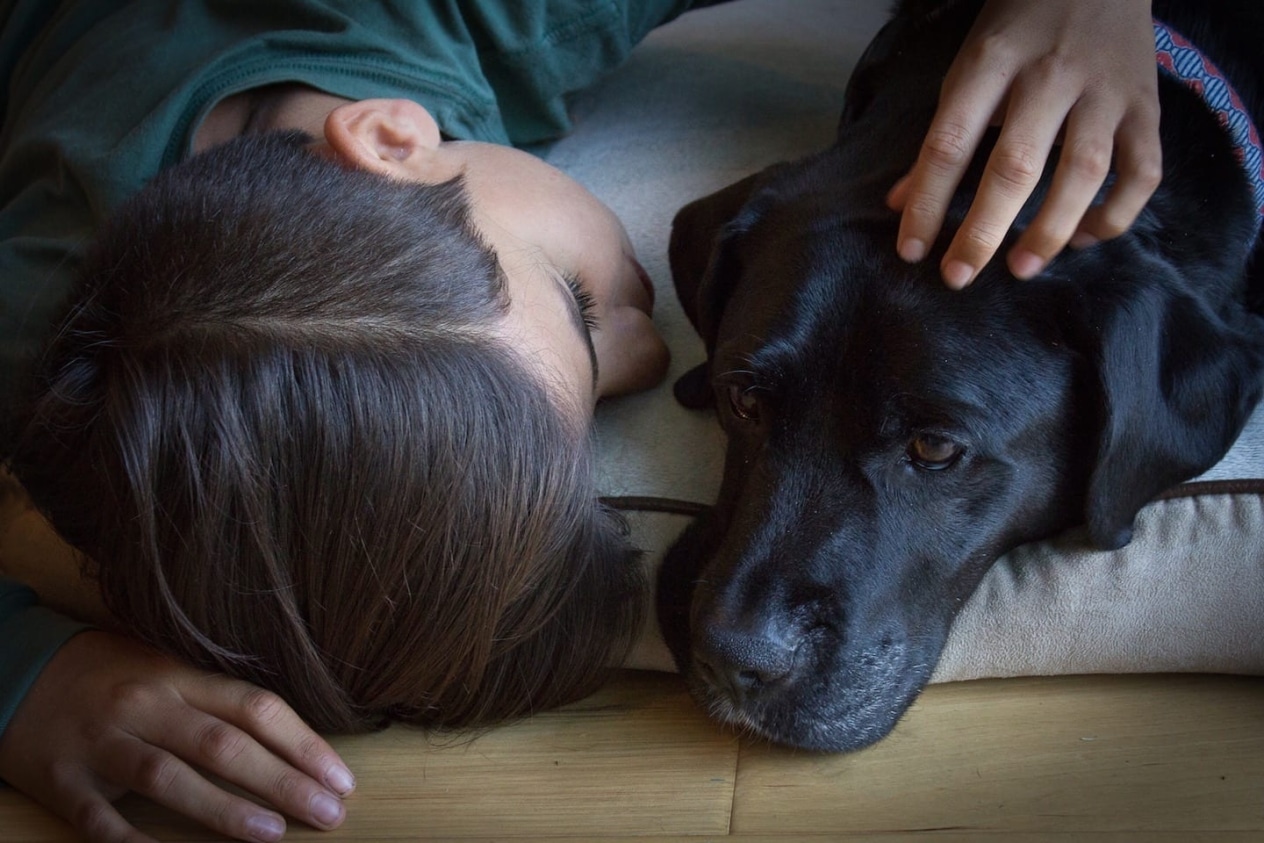
Will a new pet help?
A new pet can bring joy into the home, but it won’t replace the one you’ve lost. There’s no “right” amount of time after which it’s “okay” to get another dog or cat. It’s better to ask yourself if you currently have the energy and desire to get to know a new pet with its own habits and needs, without expecting it to be like your previous friend.
If your grief is keeping you from sleeping, working, studying, or maintaining relationships with loved ones, reach out to a psychologist or other mental health professional. Support is also helpful when you’re simply finding it very difficult to cope on your own.
Coping with the loss of a beloved pet doesn’t mean forgetting them. Over time, alongside the pain, you may feel gratitude for the years you shared, their funny quirks, and all the ordinary days you spent together. At V.O.G DOG SALON, we know that every furry friend is special to their owner. And the memory of them deserves the same tenderness with which they were cared for during their lifetime.