During the day, there’s no one in the bathroom. At night, when you turn on the light, a centipede scurries across the tiles, and something silvery disappears into a crack under the sink. A whole little world lives under the furniture, among old boxes, and near the drain. Some of its inhabitants cause damage to the house, others have accidentally wandered in, and some prey on the very creatures we’d like to get rid of ourselves.
The Cockroach Nobody Invited
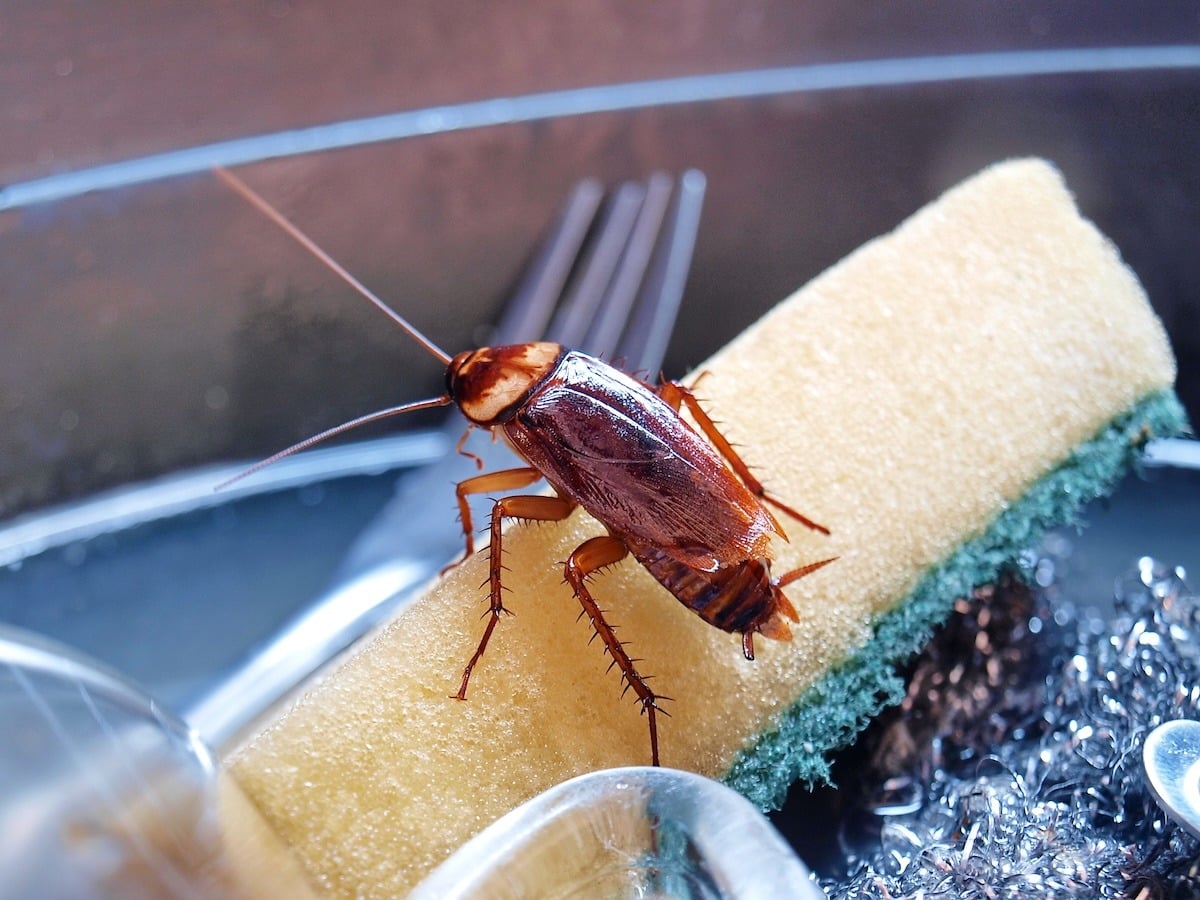
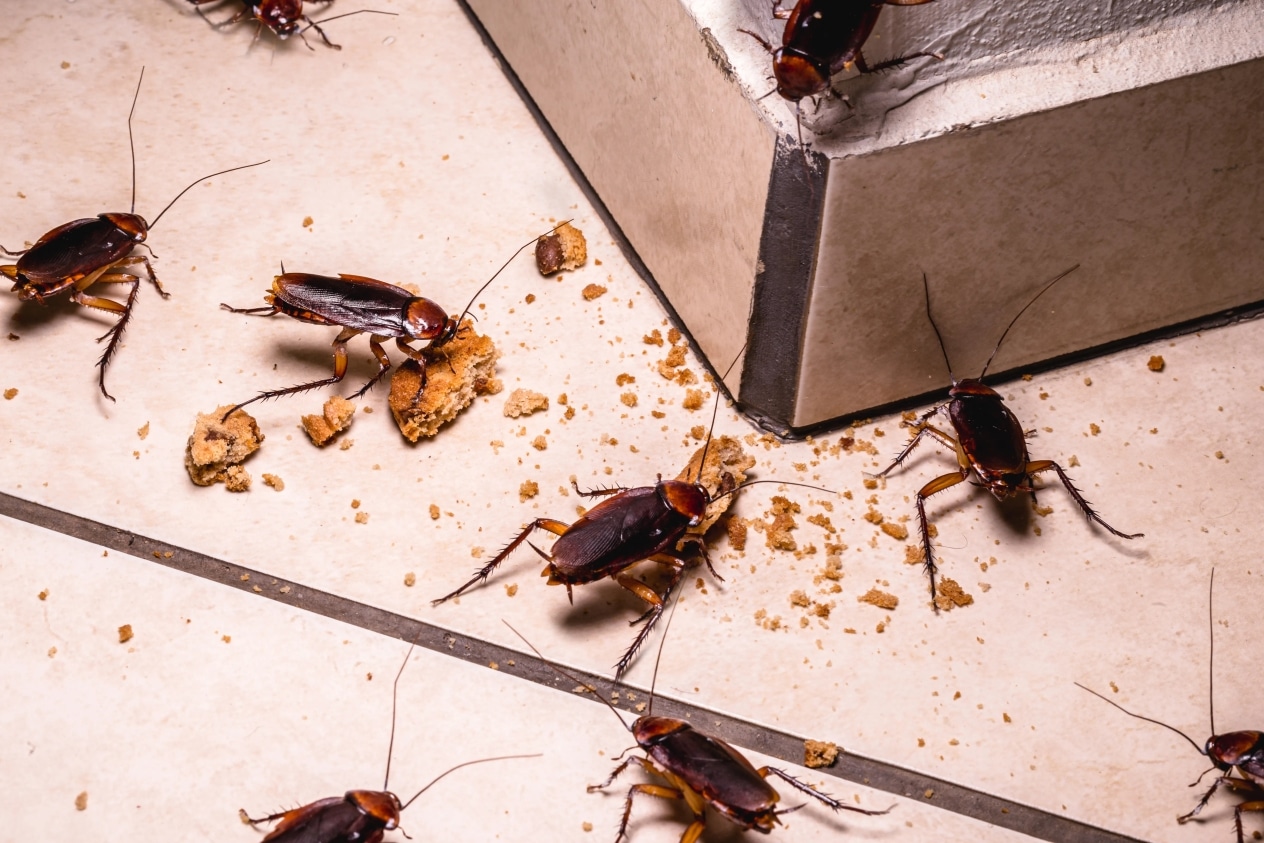
Cockroaches need food, water, and a hiding place. That’s why during the day they stay in cracks near furniture or appliances, and at night they come out to forage. Spotting a single cockroach doesn’t tell you how many there really are, but it’s a good reason to check where it came from.
Are they useful? In nature, many species of cockroaches live among fallen leaves and help break down organic matter. Cockroaches in the kitchen are a different story: they contaminate surfaces and food. The ecological role of their forest relatives does not make the cockroach a welcome guest in the home.
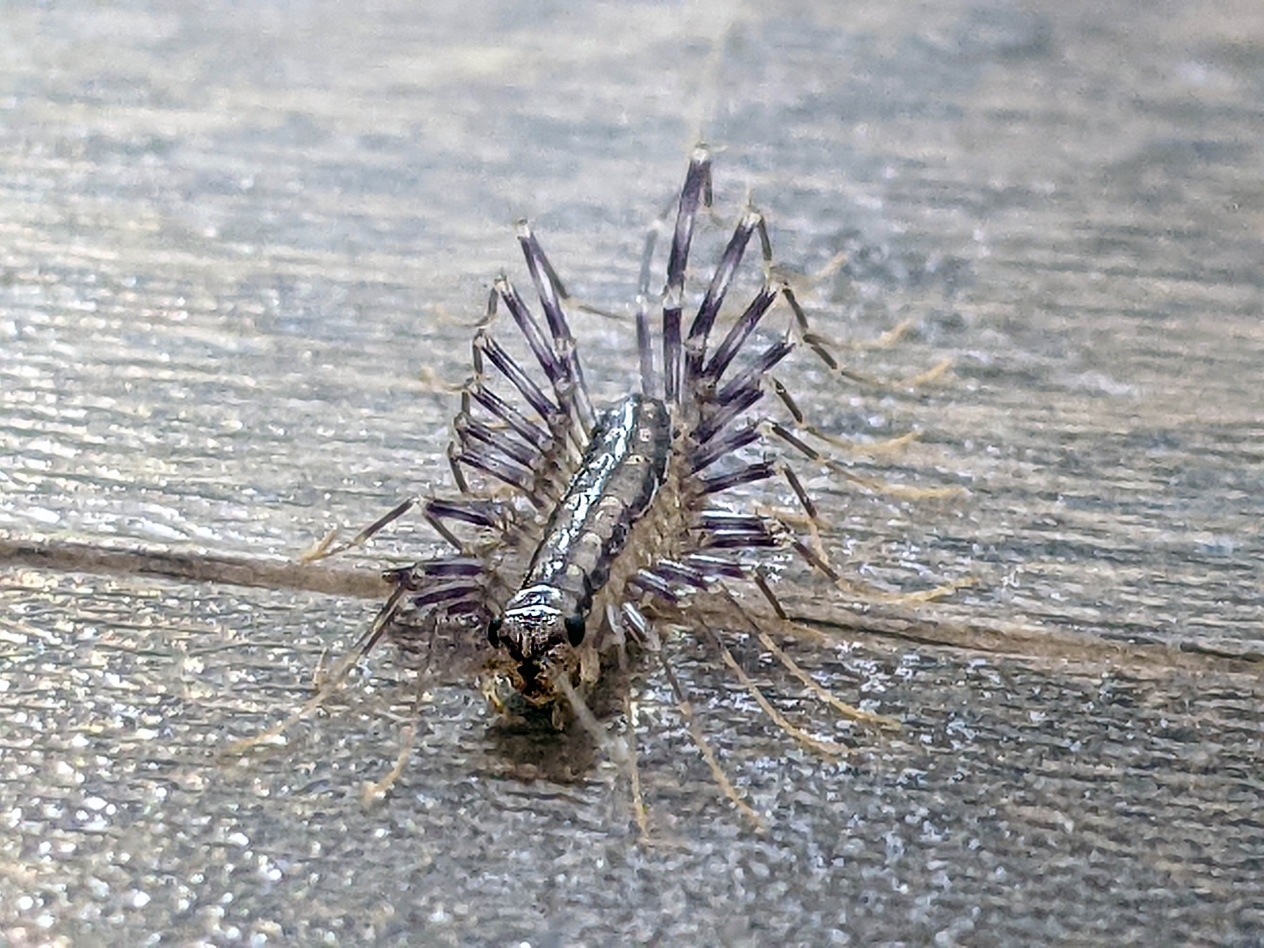
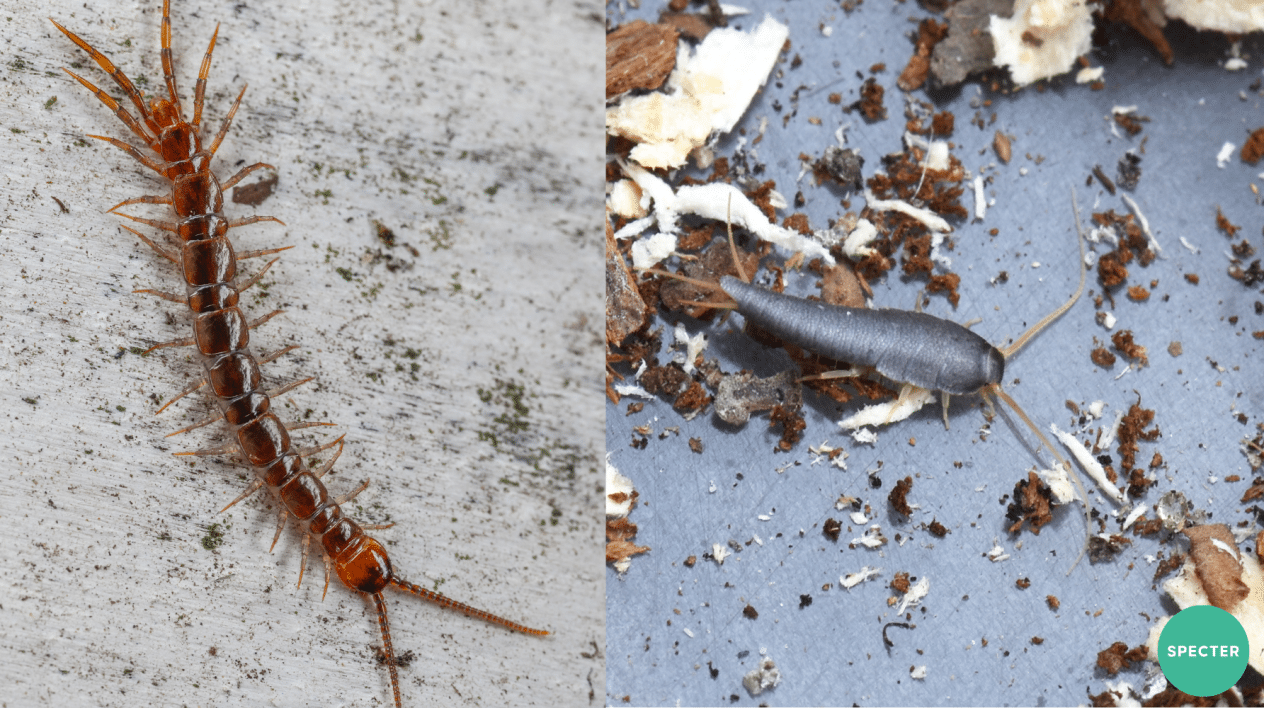
House flycatcher, silver shadow, and a fly near the drain
It’s hard not to noticethe house centipede once it’s on the move: its long legs seem to move independently of its body. This is the same centipede that hides in bathrooms and basements. It isn’t after our food—it hunts other small household inhabitants, particularly silverfish and young cockroaches. Its appearance may be frightening, but for these insects, the arrival of a house centipede is far worse news than it is for humans.
The silverfish resembles a small, shiny fish and prefers places with moisture and hiding spots. It is attracted to paper, the glue in book bindings, and certain dry foods. In nature, silverfish consume dead plant matter and help break it down. In an apartment, however, the silverfish is unlikely to be of any benefit to your book collection.
The drain fly looks like a tiny, fuzzy moth and is often found near the shower or sink. Its larvae live in the damp buildup inside the drain and feed on organic debris. They break down what has accumulated there, but the appearance of these flies suggests that the drain needs cleaning.
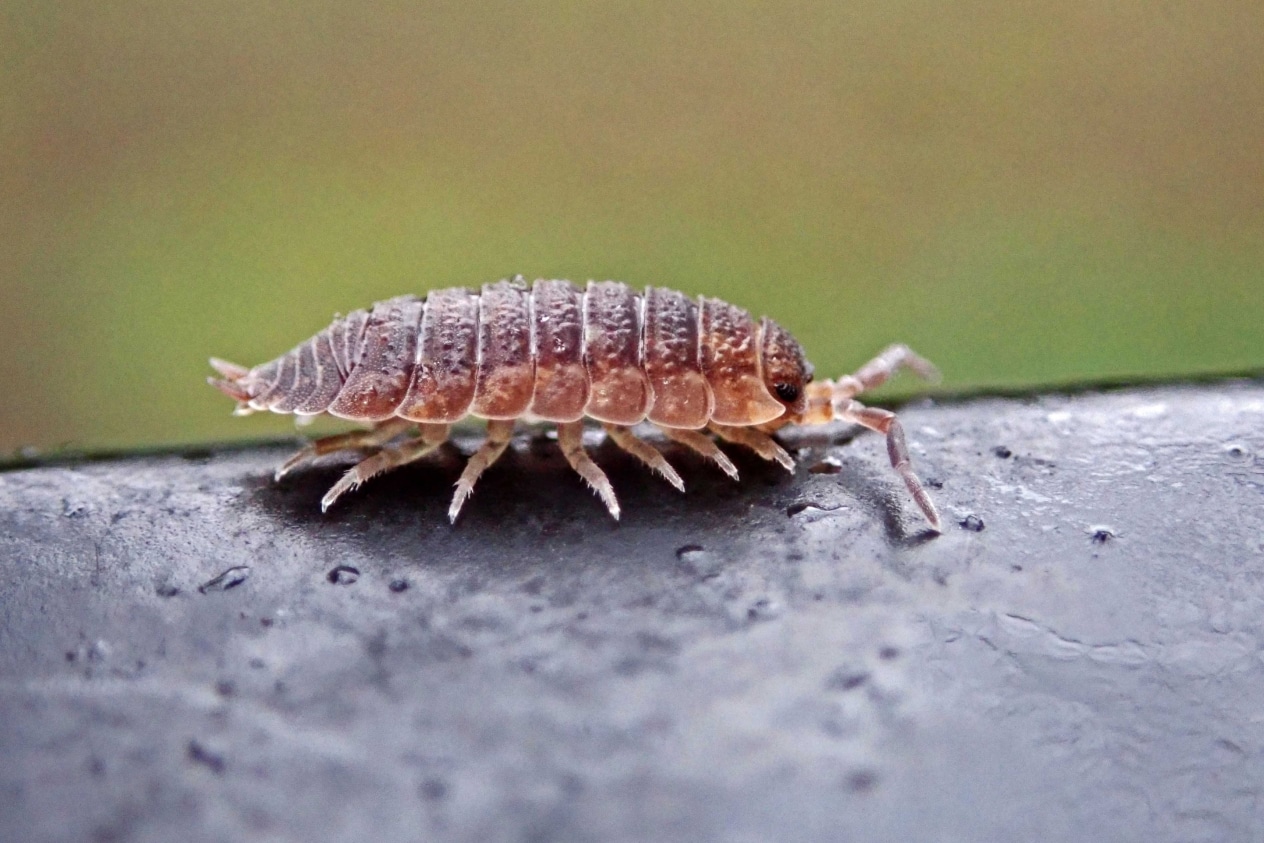
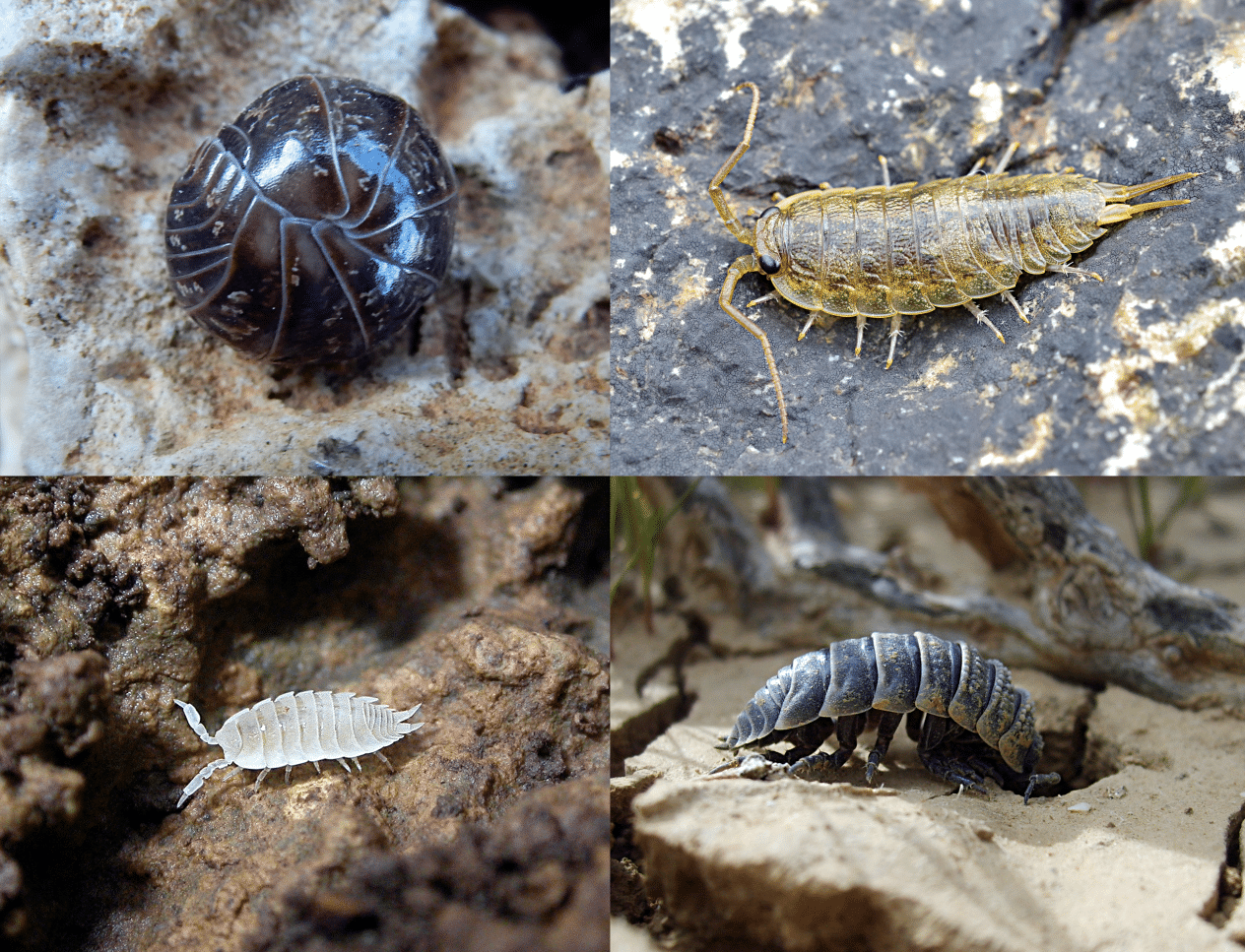
Woodlouse
Woodlice love dampness. Around the house, they hide under rocks and in fallen leaves, and they can find similar conditions in the basement. Outdoors, they perform a useful function: they break down dead plant matter, which then decomposes in the soil. In a dry room, woodlice usually don’t last long. If you regularly find live woodlice in your home, you should look for excess moisture.
By the way, woodlice aren’t insects—they’re crustaceans. House centipedes aren’t insects either—they belong to the order of myriapods.
Almost Invisible Residents
Booklice are so tiny that they can easily be mistaken for a moving speck of dust. They prefer damp places and often feed on microscopic fungi found on paper and cardboard. In this way, they contribute to the decomposition of organic matter, but at home, their presence primarily indicates dampness. Removing a few of these little creatures from a shelf isn’t enough if the paper remains damp.
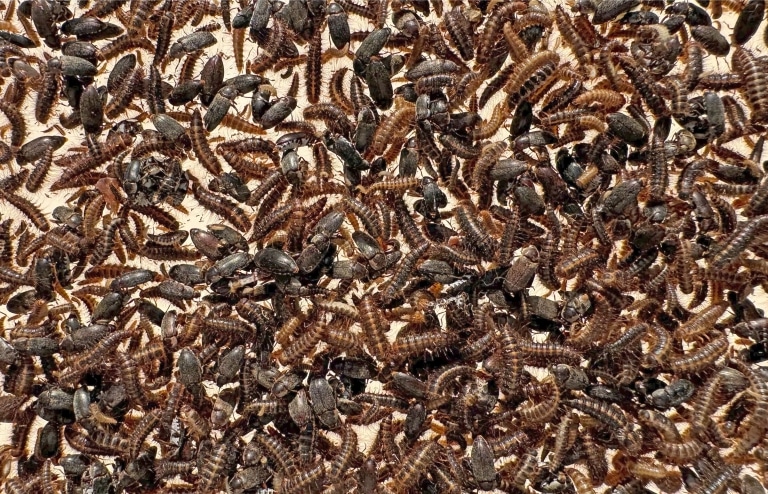
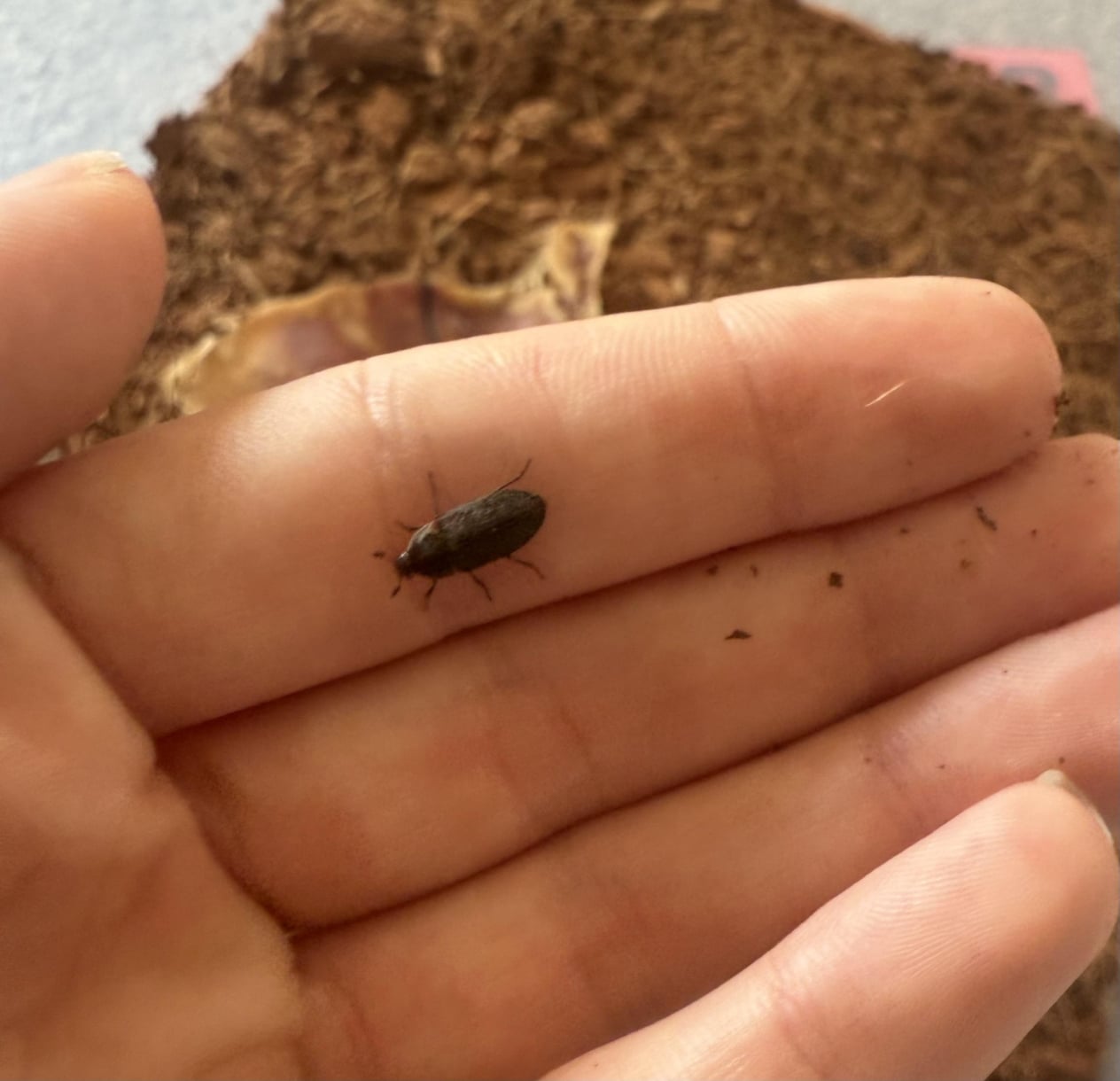
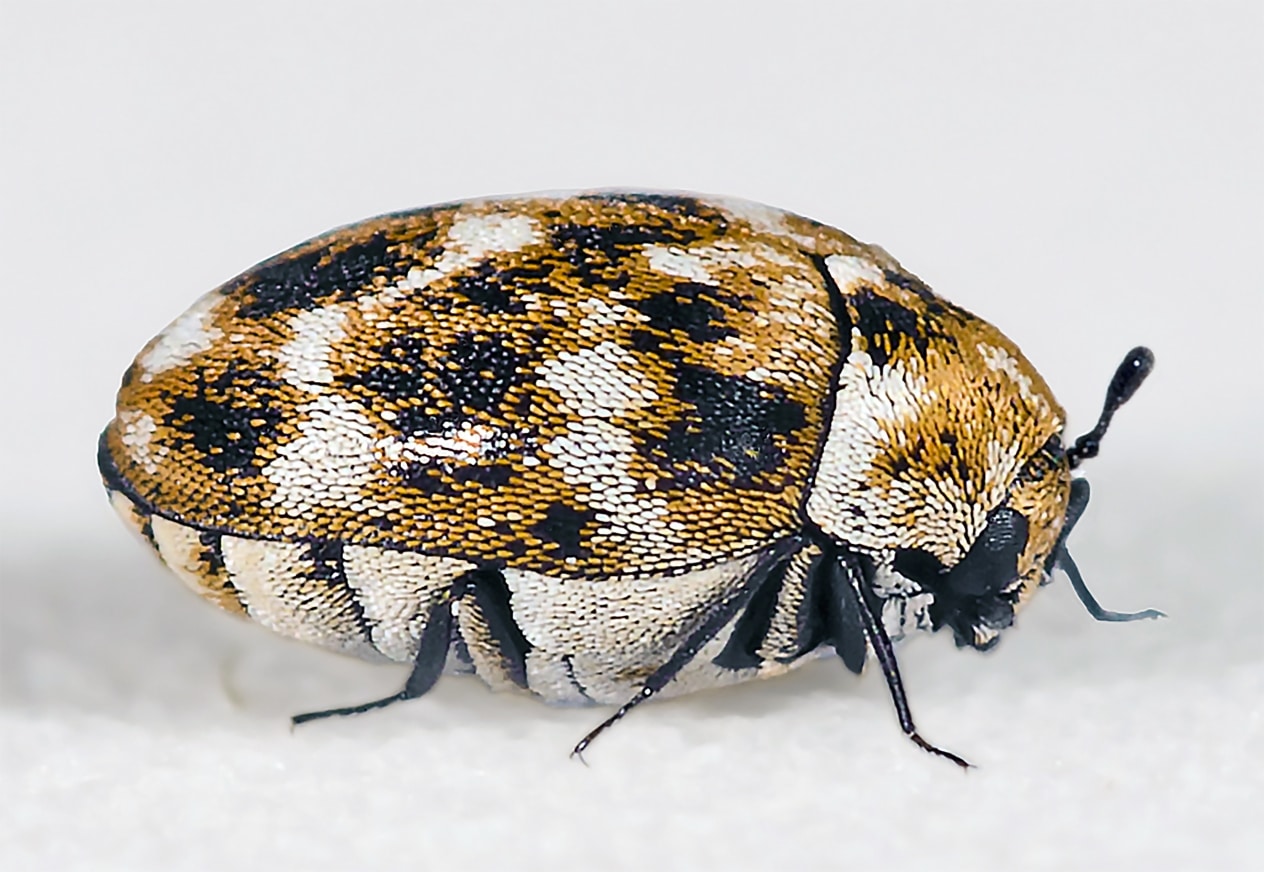
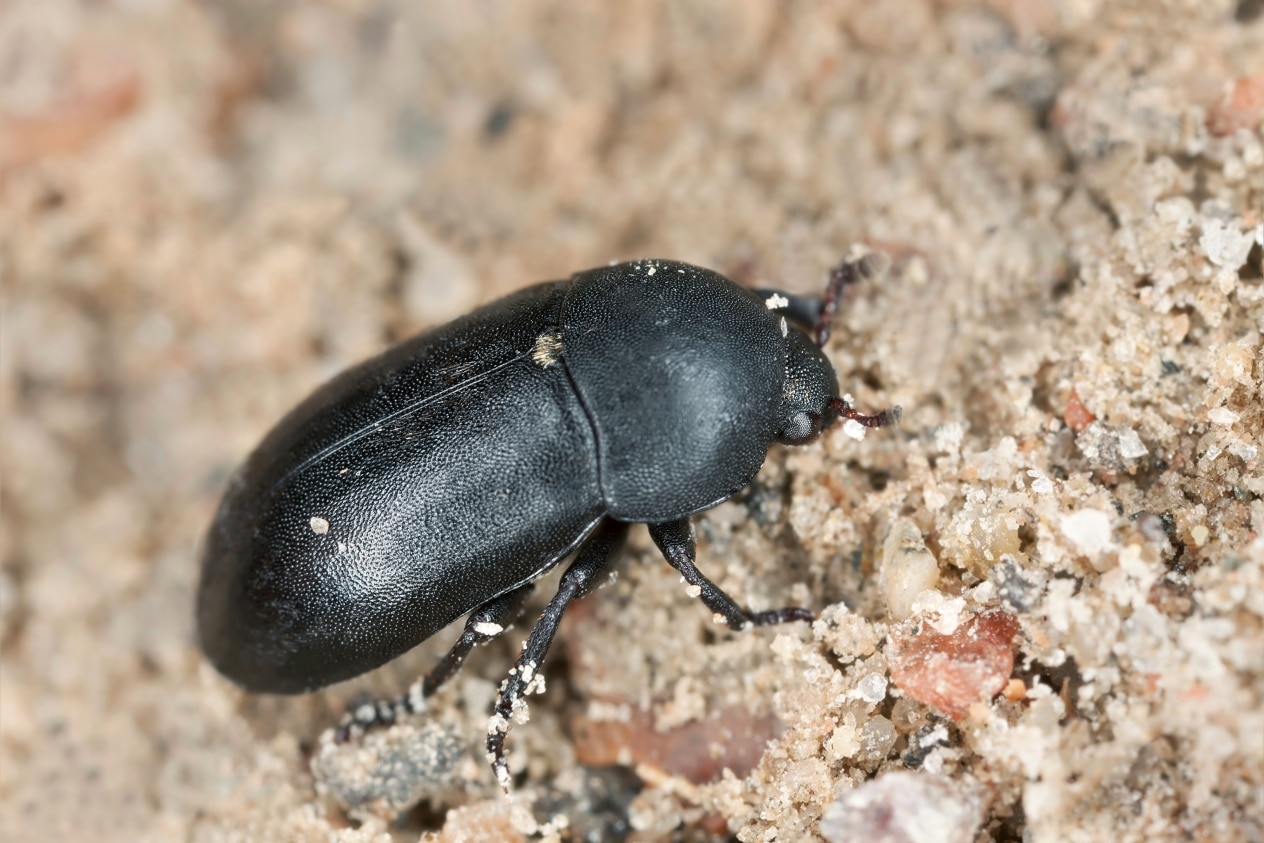
Adultskin beetles can be spotted near windows, while their larvae can be found in closets, under furniture, or among woolen items. In nature, these beetles help decompose wool, feathers, and the remains of dead insects. At home, a larva cannot distinguish between a feather it finds and an item you want to keep, so its presence can mean damaged fabric.
Conclusion
Our tiny neighbors can’t simply be divided into “good” and “bad.” The flycatcher catches insects, the woodlouse cleans up plant debris, and the skin beetle acts as a natural cleaner—but not where your sweater is. If any of them show up in your home regularly, it’s worth figuring out what’s attracting them: moisture, food, hiding spots, or other small creatures.