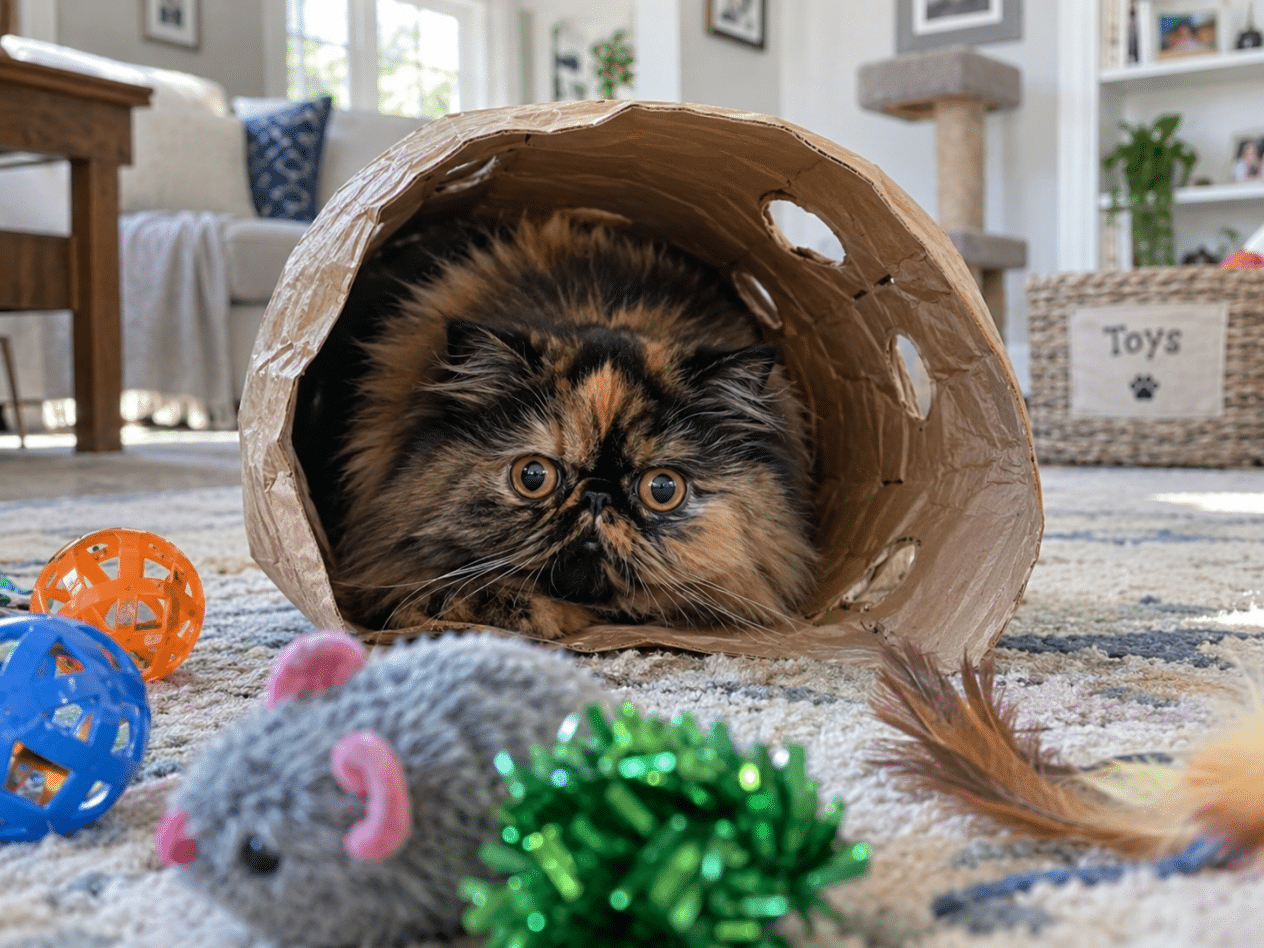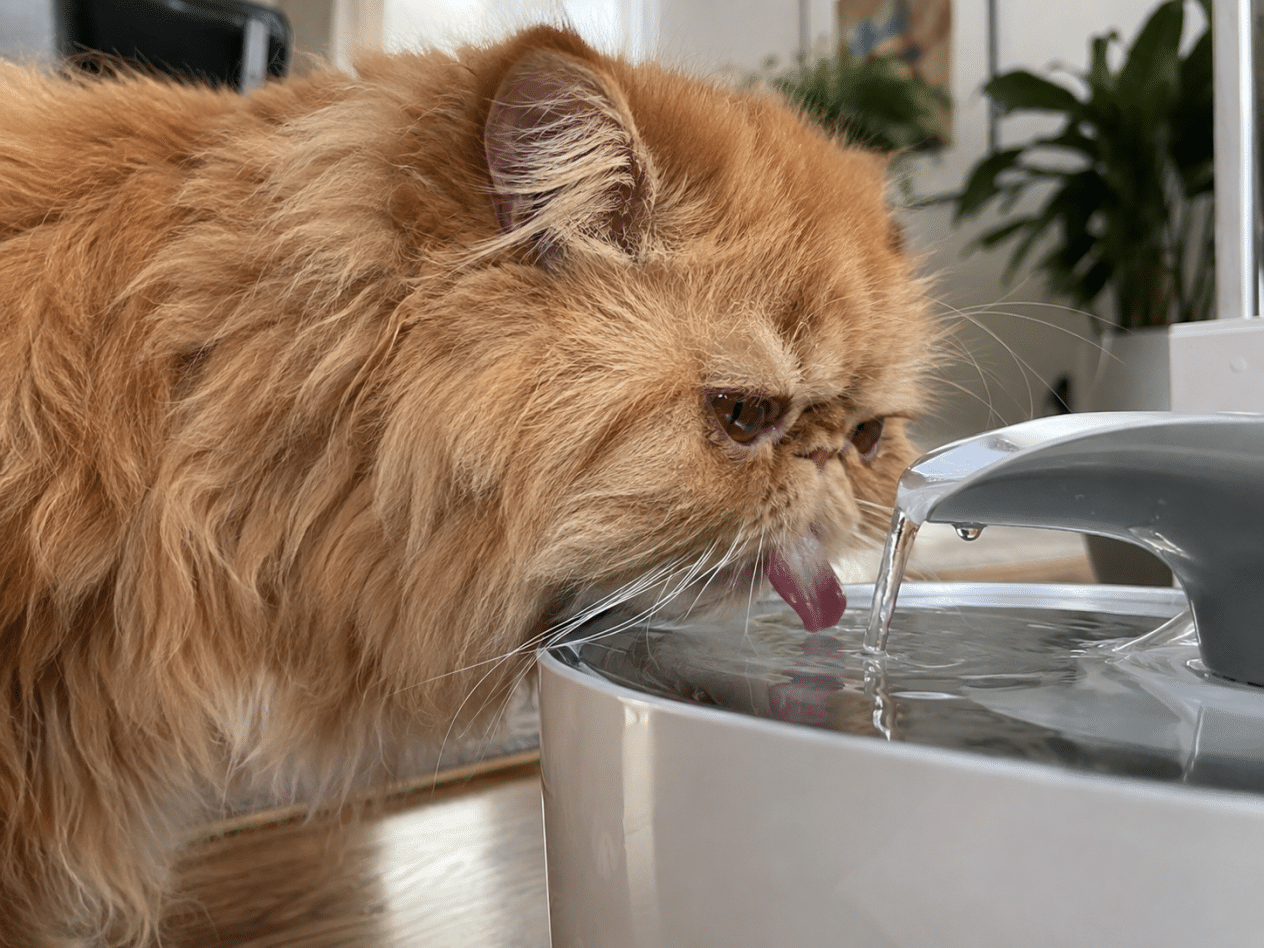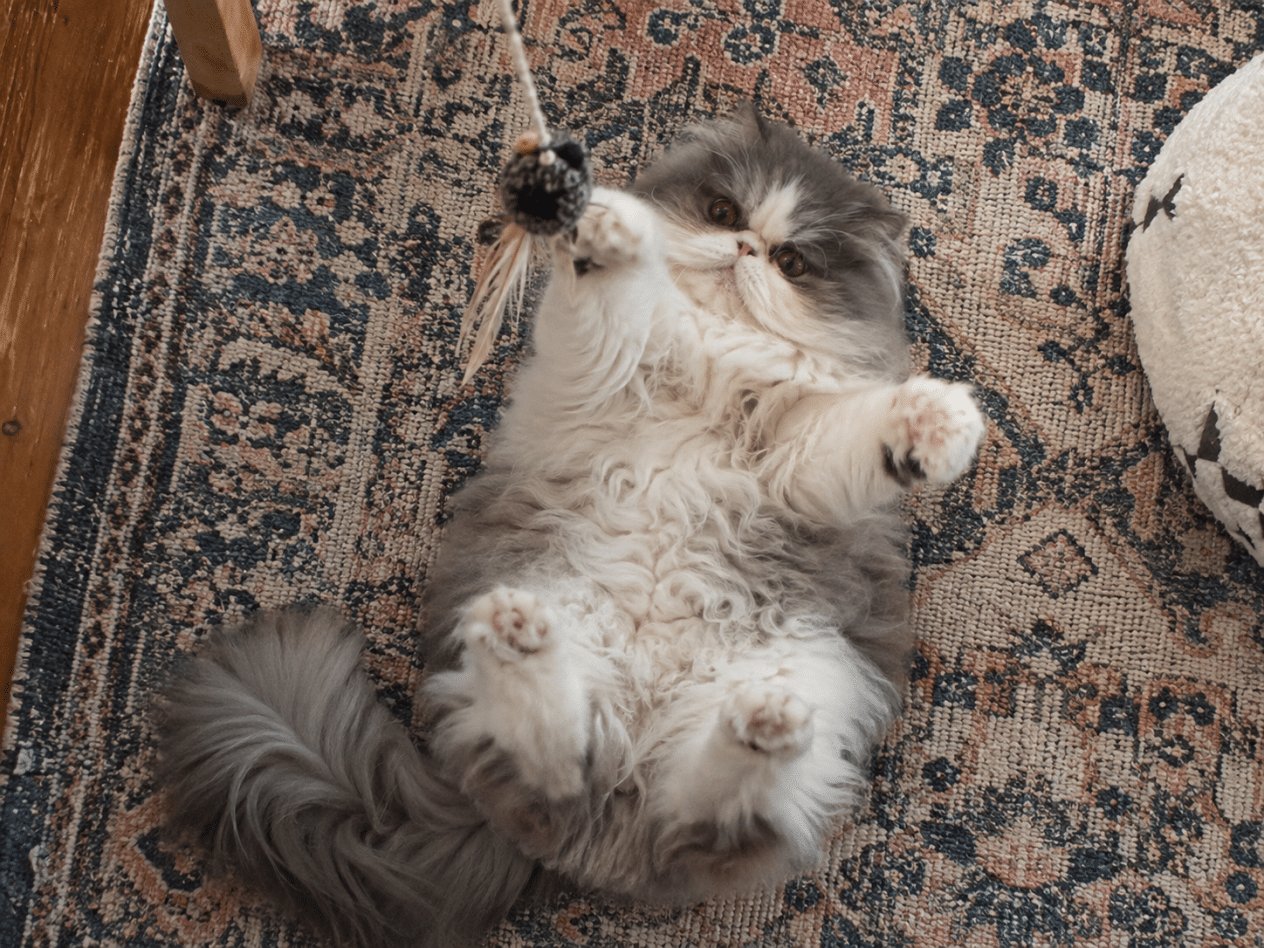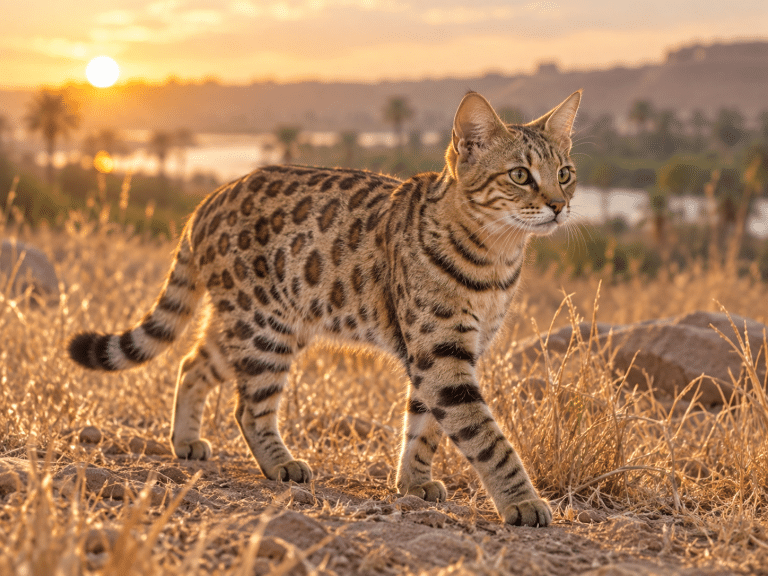
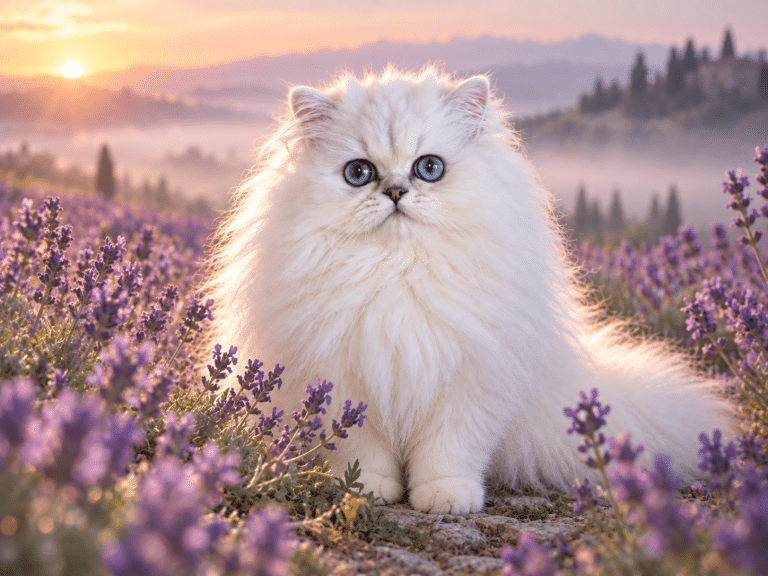
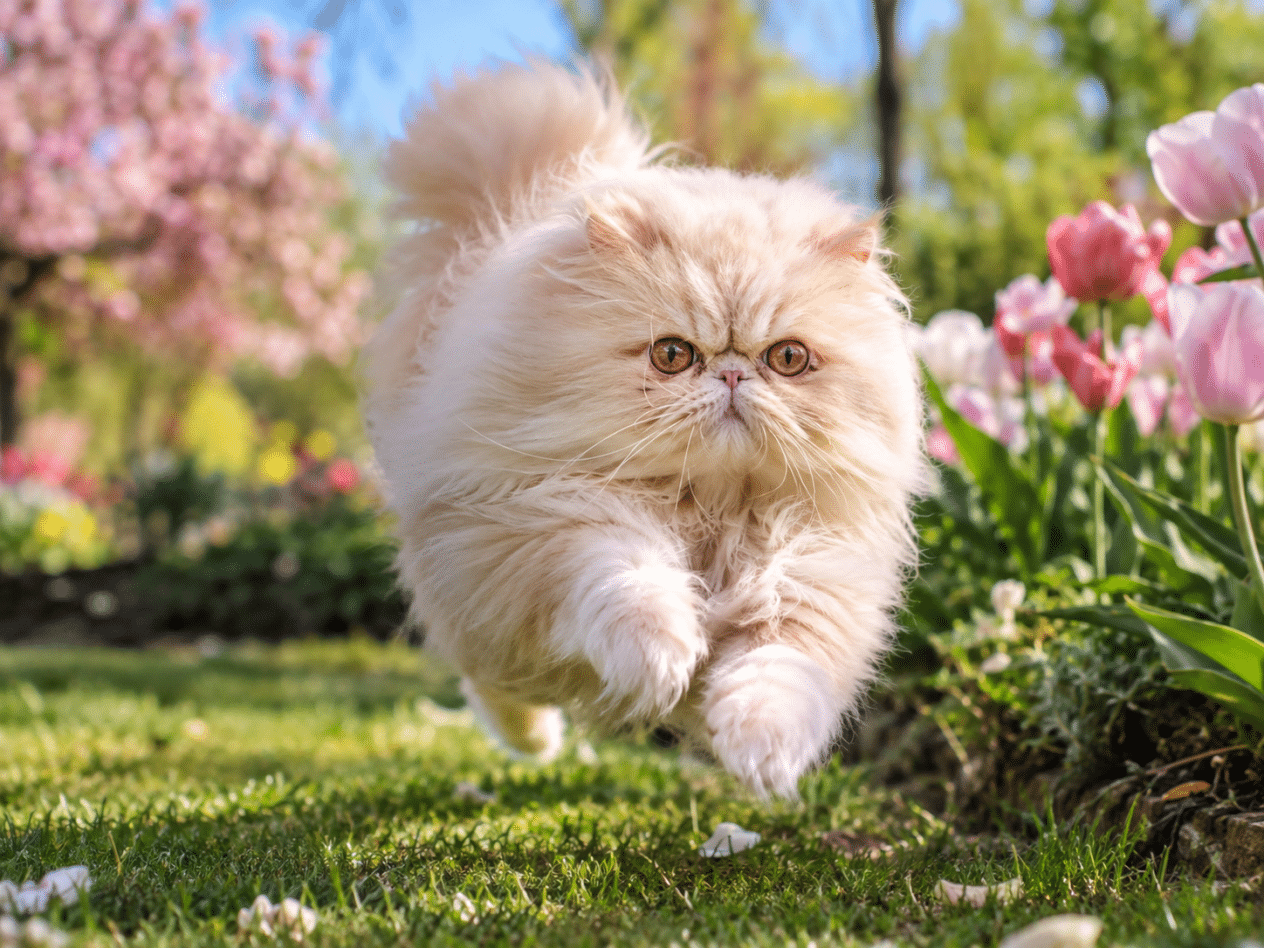
Shirazis are long-haired cats commonly found in Egypt. They stand out for their fluffy coats, large eyes, and gentle facial expressions. However, the Shirazi is not a distinct breed with a single international standard, but rather a local type of cat that combines characteristics of Persian cats and Egyptian domestic cats.
The Origins of the Shirazi
The name “Shirazi” is associated with the Persian city of Shiraz, located in present-day Iran. It is believed that the ancestors of these cats came to Egypt from Persia and later interbred with the local population. This is why modern Shiraz cats may resemble Persian cats but typically have a lighter build and a less flat face.
The exact time of the Shiraz’s arrival in Egypt is unknown. Most researchers agree that these cats are not a native Egyptian breed, although they have lived and bred in the country for many generations.
Today, the name “Shirazi” is often used in Egypt to refer to fluffy Persian-type domestic and stray cats. Due to the lack of a strict breed standard, their appearance can vary greatly.
Appearance and Temperament
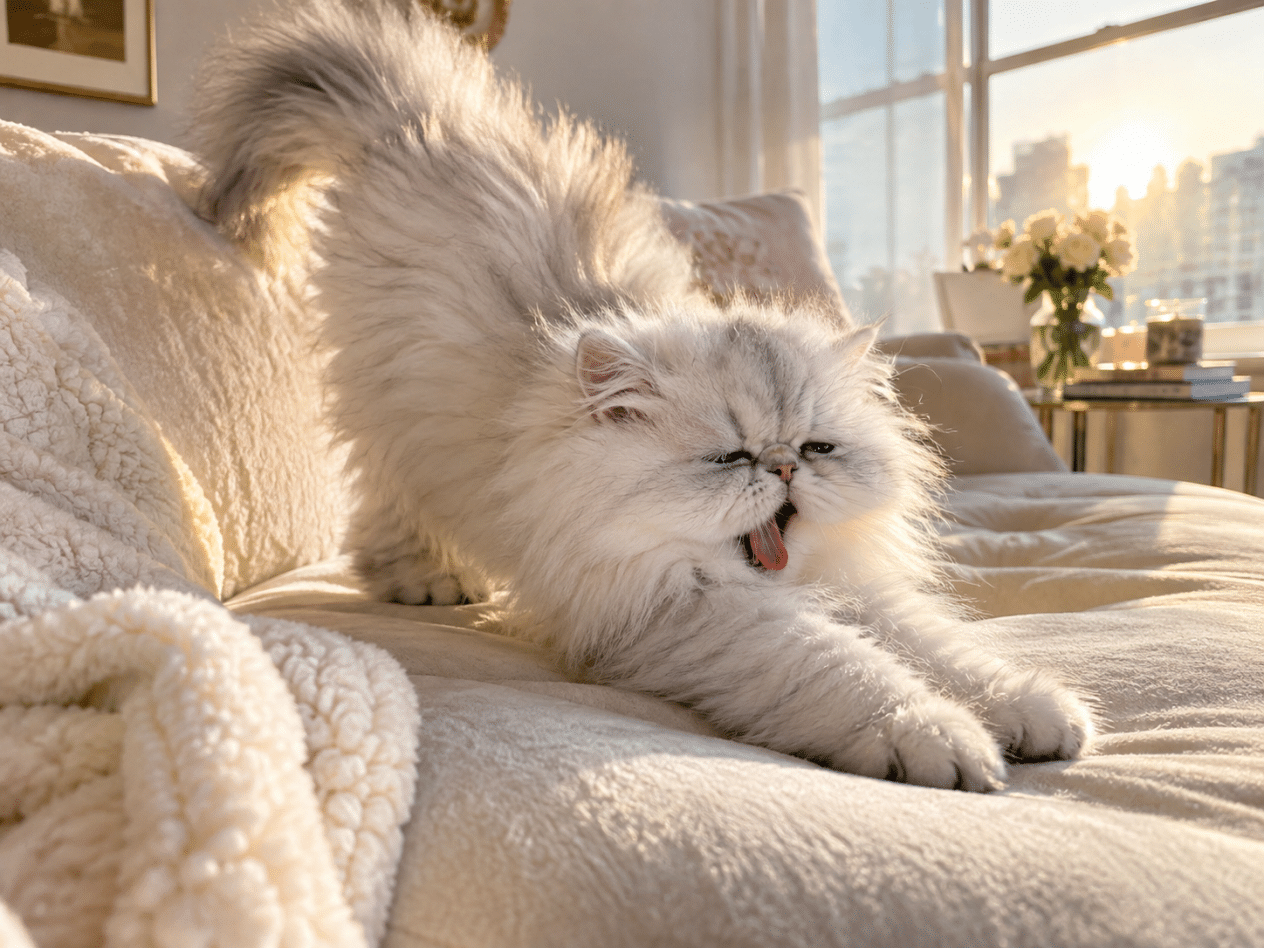
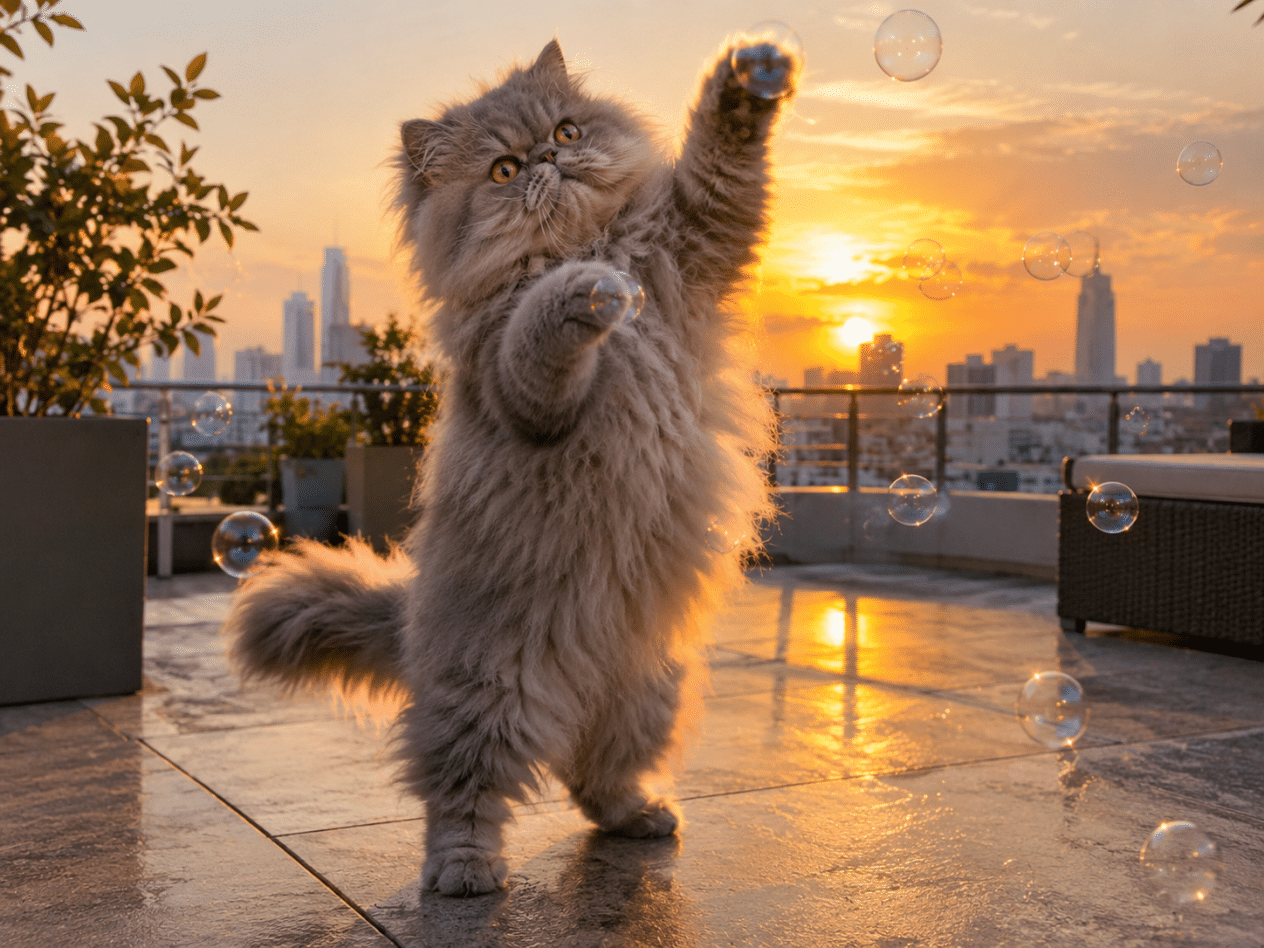
The most distinctive feature of the Shirazi is its long or semi-long, soft coat. These cats typically have a fluffy tail, a rounded head, large expressive eyes, and small ears. The muzzle can be either of a nearly normal shape or shortened, similar to that of a modern Persian cat.
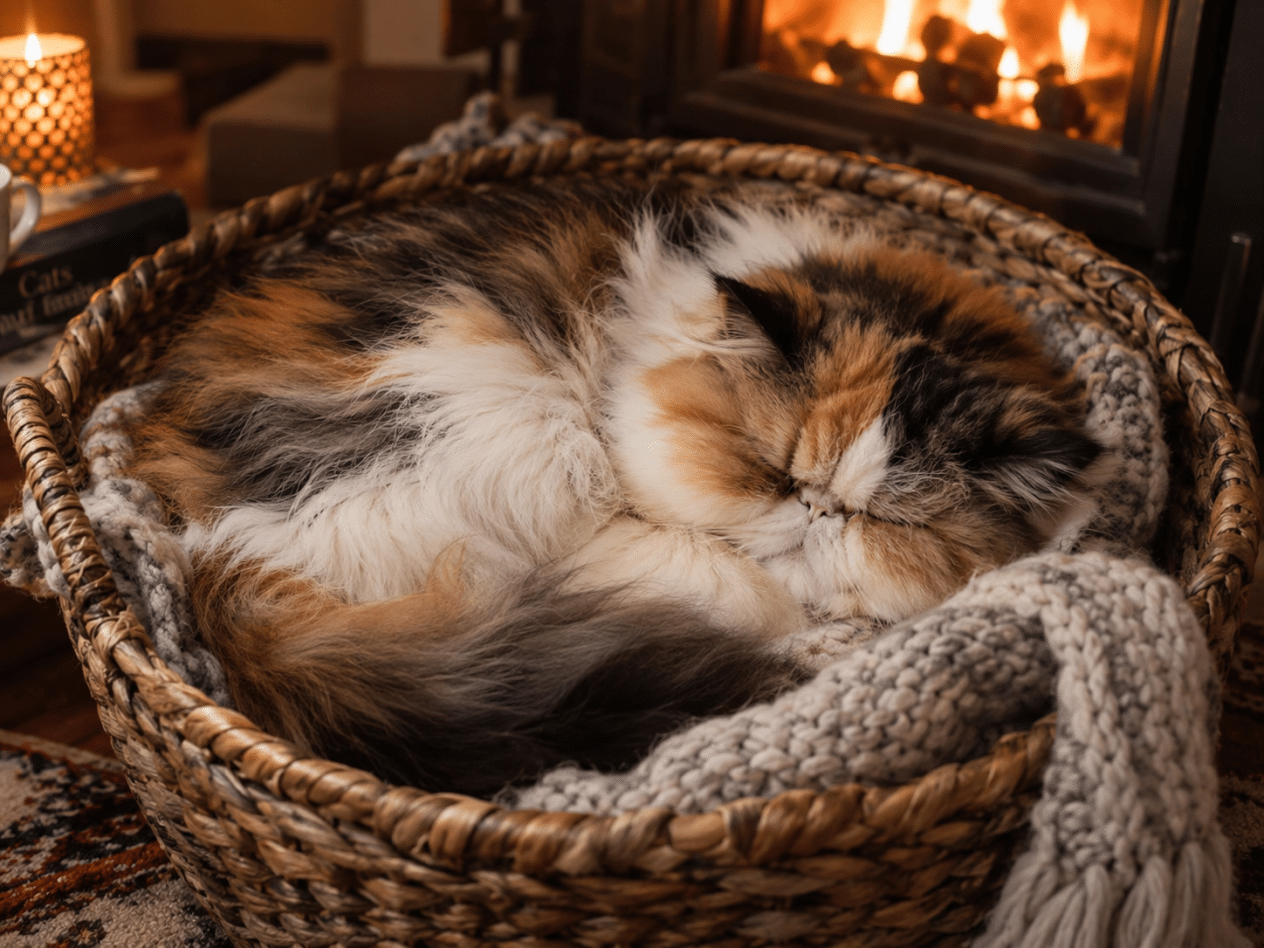
Coat colors are not limited to any specific standard. Shiraz cats come in white, ginger, gray, black, spotted, striped, and bicolor varieties. Adult cats are usually medium-sized, although weight and body structure depend on the specific animal’s lineage.
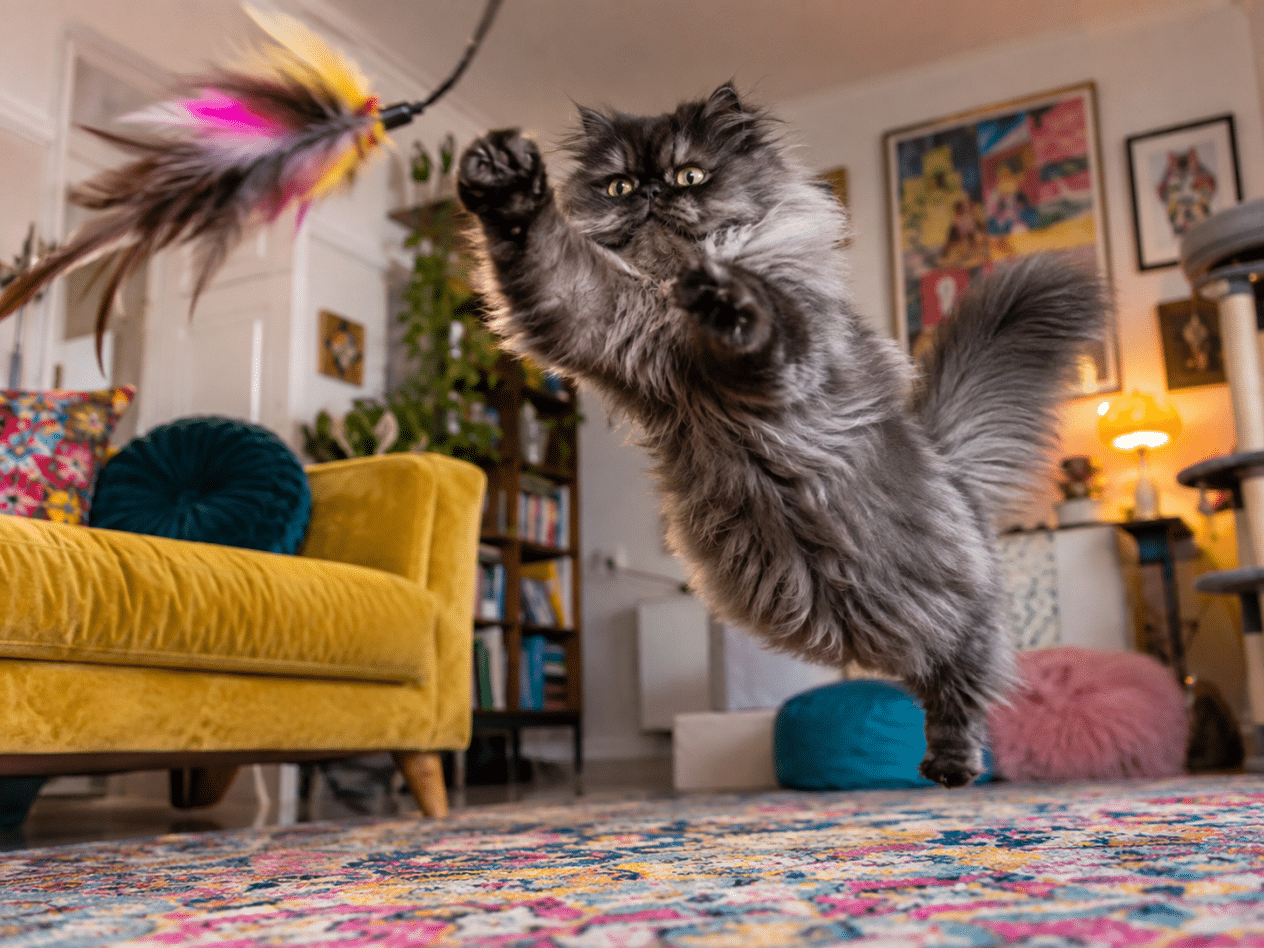
Shirazis are often described as calm, gentle, and affectionate toward people. They love comfort, attention, and quiet play, but can also be quite active. Since this is not a standardized breed, each cat’s personality is unique. Cats that have grown up outdoors may initially be wary of people and require gradual socialization.
Care Guidelines
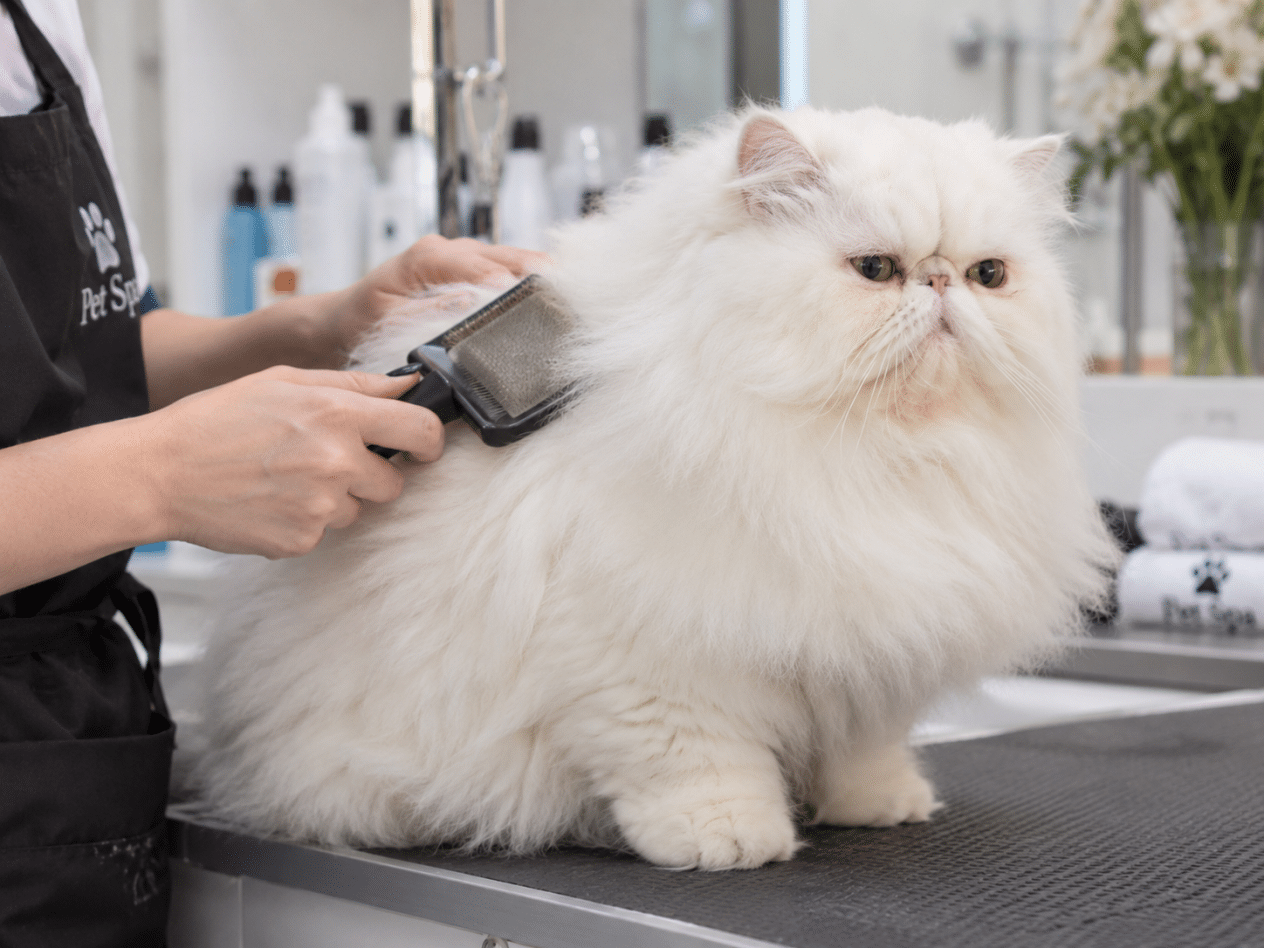
The Shirazi’s coat requires the most attention. It’s best to brush it at least a few times a week, and daily during shedding season. Mats form particularly quickly behind the ears, under the paws, on the neck, belly, and rear. Regular brushing helps keep the coat neat and reduces the amount of hair the cat swallows while grooming itself.
If your cat has a short, flat face, you need to keep the area around its eyes clean. Gently remove any discharge with a soft, clean pad using a safe product recommended by your veterinarian. Persistent tearing, redness of the eyes, or difficulty breathing require an examination at a veterinary clinic.
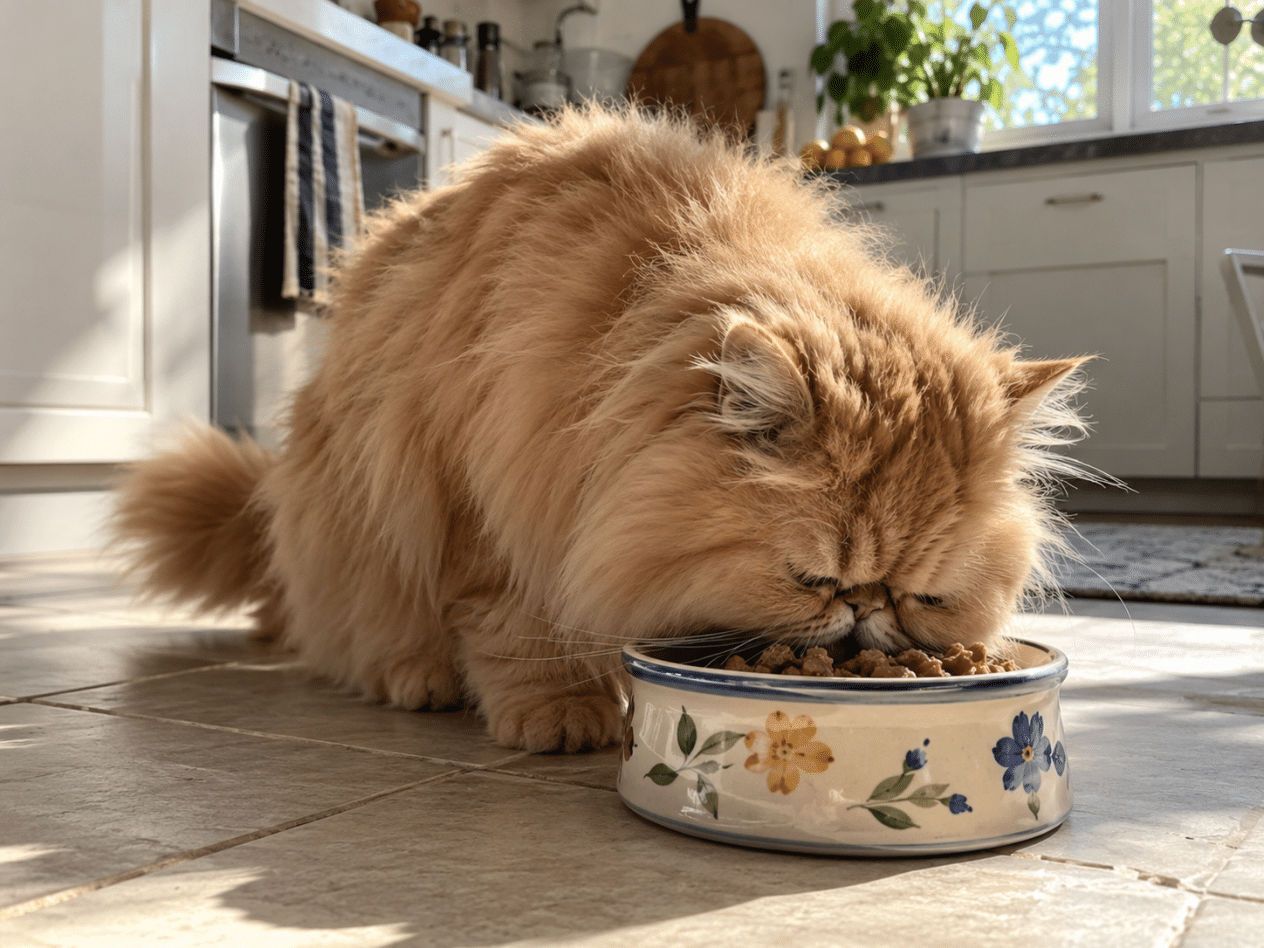
Shirazis also need a balanced diet, fresh water, dental care, regular nail trimming, and preventive checkups. Because of their thick coat, changes in weight or skin condition can be difficult to notice right away, so it’s important to examine your pet’s body while brushing them.
The Shiraz is a good fit for someone who dreams of a fluffy and affectionate cat and is willing to groom its coat regularly. With proper care, this Egyptian beauty will become a gentle, calm, and very home-loving companion.