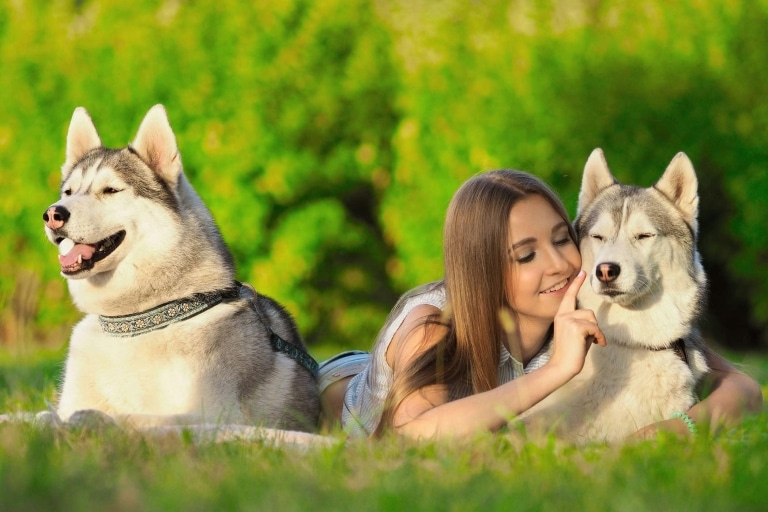
Some four-legged friends become so attached to their owner that any attention given to someone else is perceived by them as a personal tragedy. Canine jealousy is not at all the same as anger or mischief. It’s usually driven by boundless devotion, a protective instinct, and a strong desire to be the center of their owner’s universe.
Which dog breeds are most prone to this “possessive” behavior, why does it occur, and how should you respond to it?
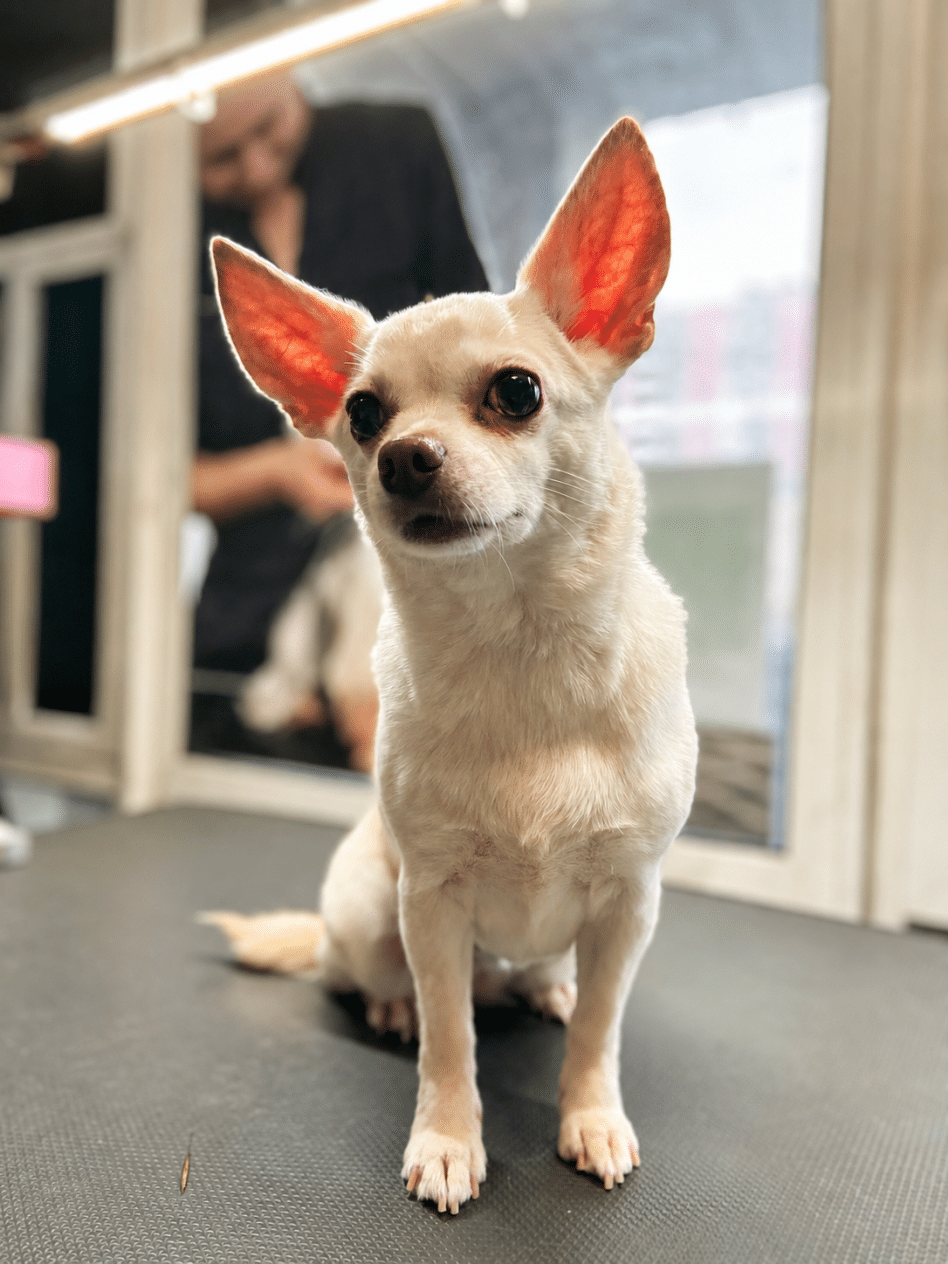
1. Chihuahua
A small dog with a huge heart and an equally strong sense of ownership. Chihuahuas usually choose one person in the family and consider that person their undivided property. Any attempt to hug someone else, talk to another pet, or even give attention to a guest can trigger a strong reaction: ranging from blatant disregard to loud barking and attempts to physically push the “rival” away.

2. Dachshund
Dachshunds’ hunting instincts make them extremely stubborn and persistent when it comes to their interests. If a dachshund feels that its owner’s attention isn’t focused on it, it won’t just sit there quietly moping. This dog will purposefully settle right on your lap, blocking your book or laptop with its body, or will start sighing dramatically and demanding immediate affection.
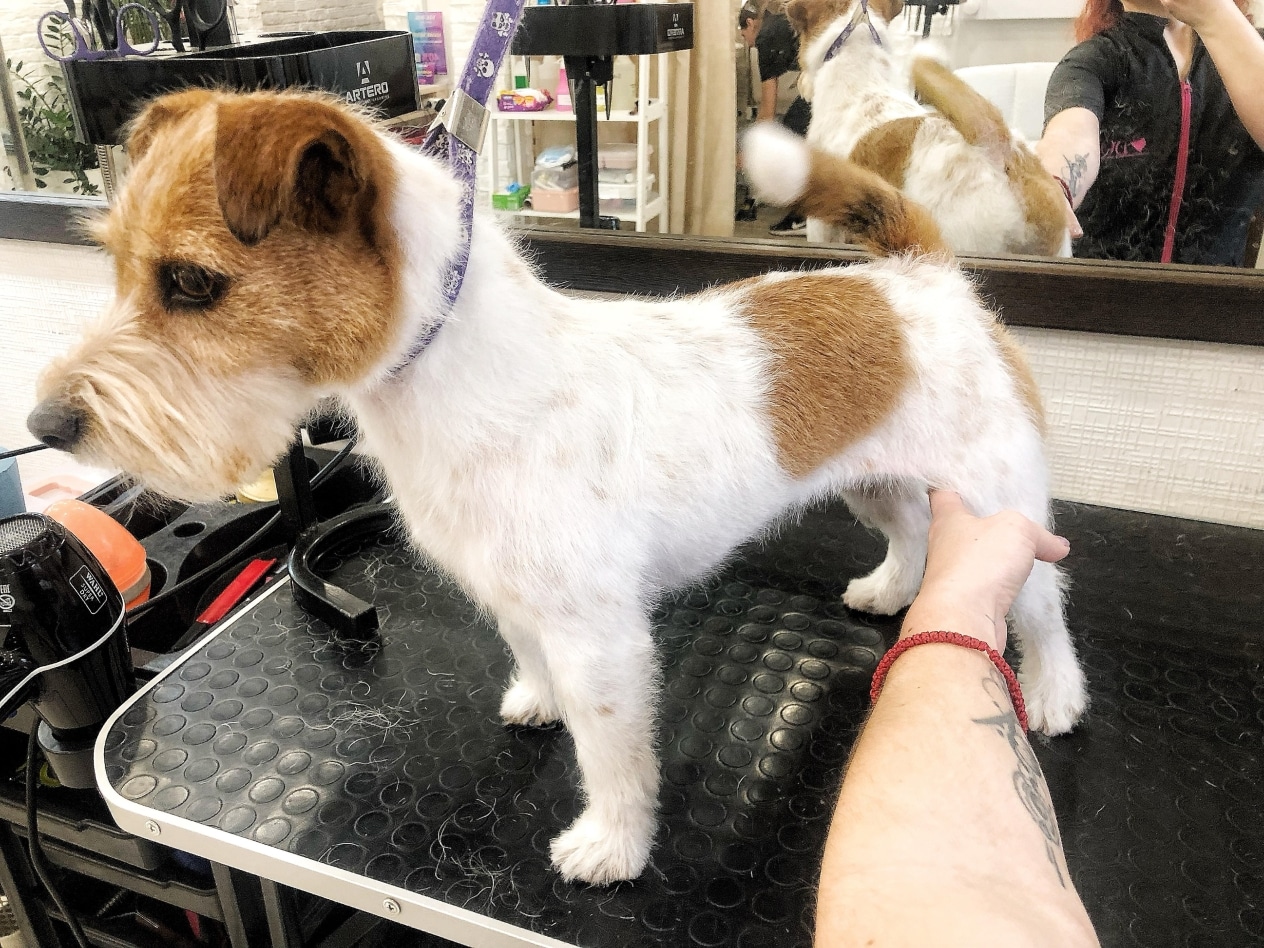
3. Jack Russell Terrier
Energetic and extremely active, Jack Russell Terriers strive to control every movement in the house. They have a hard time dealing with situations where their owner is busy with something else and take any lack of attention as a personal insult. Their jealousy often turns into hyperactivity: they start jumping around, fetching toys, or interrupting conversations in every possible way.
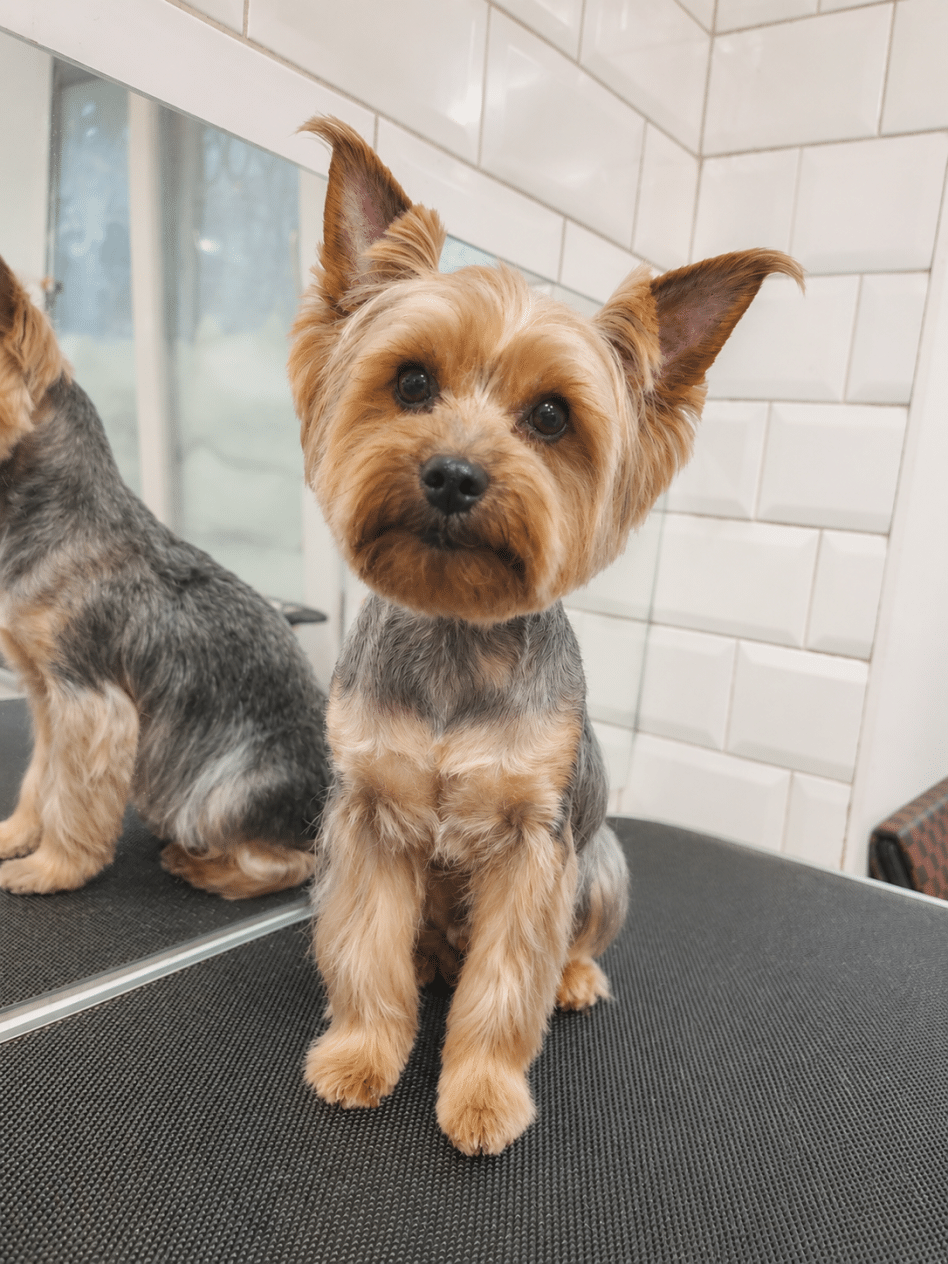
4. Yorkshire Terrier
Despite their tiny, toy-like appearance, Yorkies have the bold temperament of true guardians of their territory and their people. They get jealous not only of other animals in the house, but also of phones, TVs, or work gadgets. If you spend too much time staring at a screen instead of petting your dog, a Yorkie will find a way to remind you of its presence.
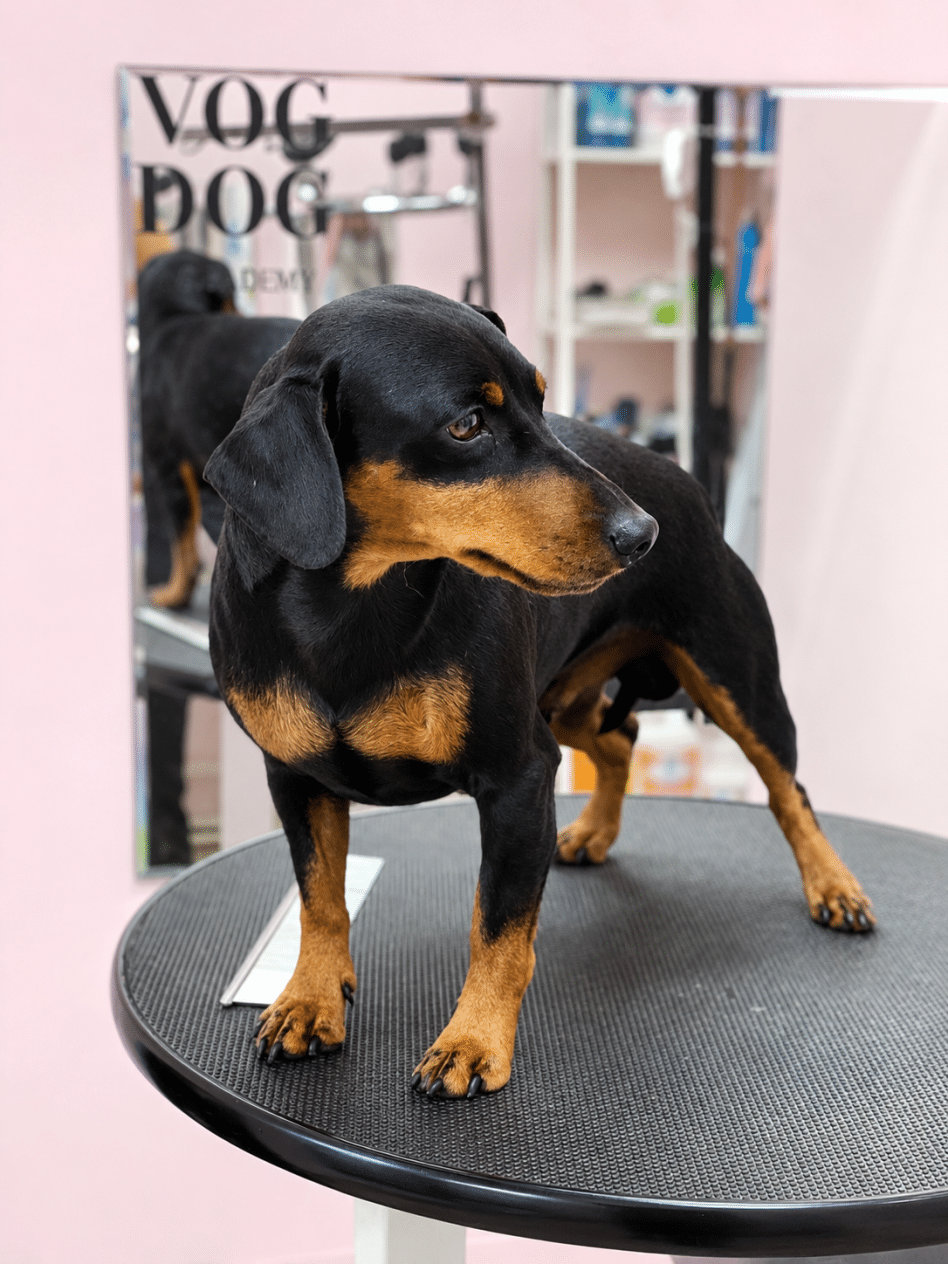
5. Zwergpinscher
This miniature “Doberman” is endowed with unshakable self-confidence and extraordinary vigilance. Zwergpinschers are exceptionally protective of their owners. If another pet or even a new guest shows up at your home, the Pinscher will closely monitor every interaction you have, displaying jealousy through a tense posture, a watchful gaze, and loud barking.
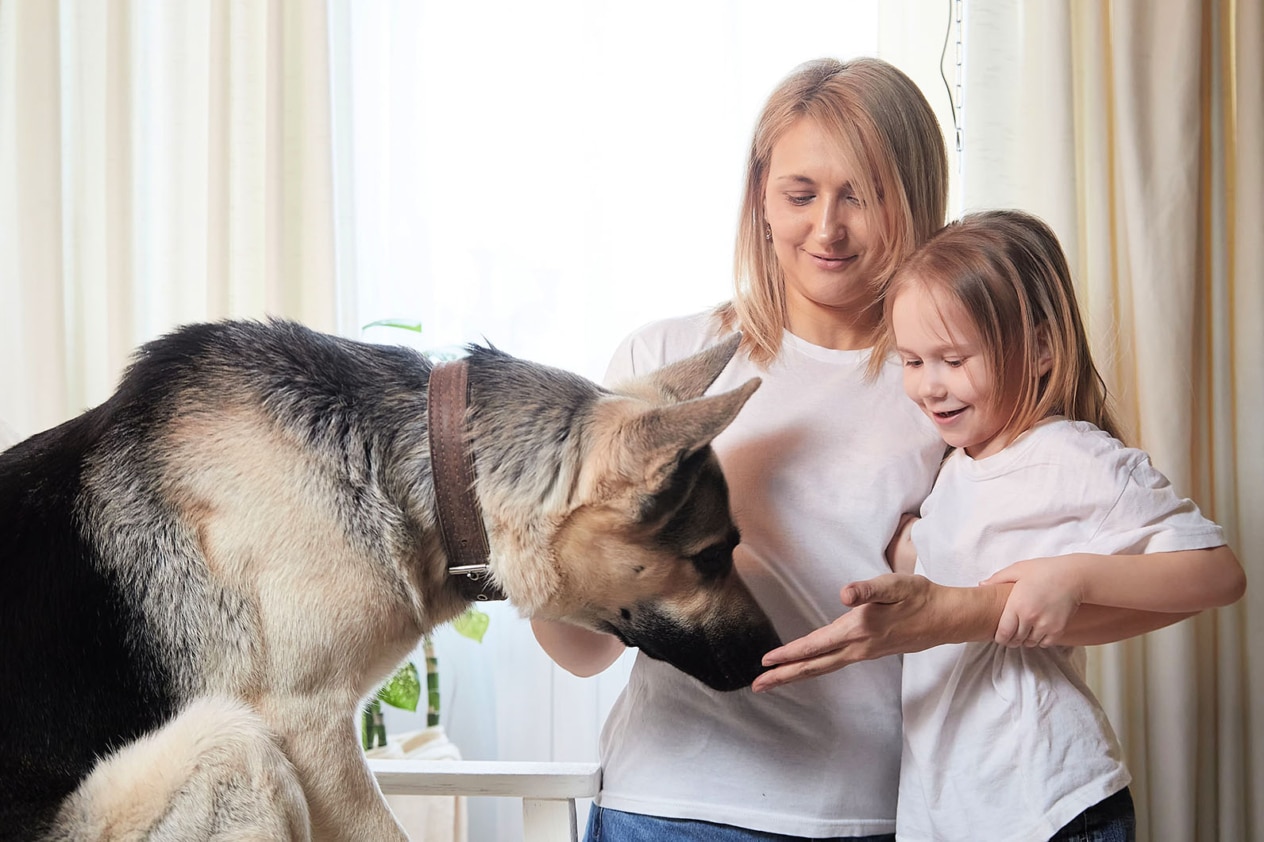
How should you respond to a dog’s jealousy?
Attempts to yell at the dog or punish it for jealousy will only increase stress and anxiety—your pet will begin to view the “competitor” or the situation with even greater hostility. Instead, dog trainers advise following a few rules:
-
Stay calm: Don’t encourage tantrums by overreacting or being overly soothing in the moment.
-
Set clear boundaries: Explain to your dog when it’s time to play and when you’re busy with your own activities, rewarding patience with treats.
-
Allocate your attention: Make sure every animal in the home has predictable time for quality interaction with you without unnecessary rivalry.
The behavior we commonly refer to as “dog jealousy” is a natural expression of deep affection. Once you understand this psychology, it becomes much easier to channel your four-legged friend’s energy in the right direction, giving them inner peace and confidence.