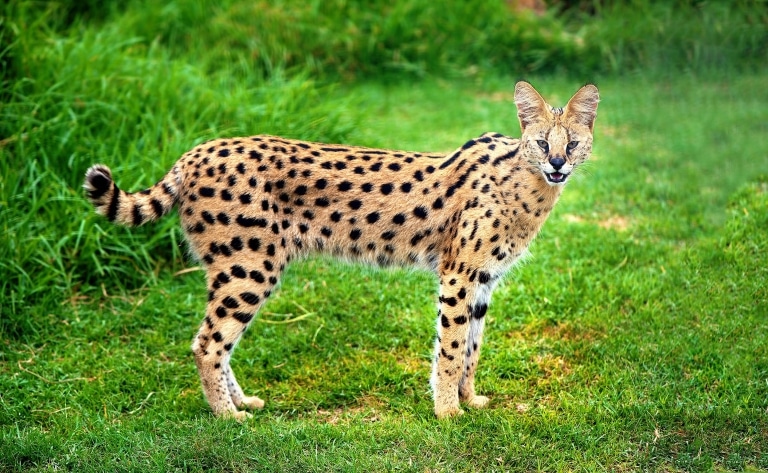
People have always been drawn to wildlife. Some people watch documentaries about the savannah, others dream of seeing a leopard or lynx live. But there is a closer and more realistic way – to get a cat that looks like a wild predator but lives next to you.
These breeds are the result of complex breeding, sometimes even with an admixture of wild blood. They are not just beautiful – they evoke a sense of strength, grace, and danger inherent in nature. But it is important to understand that appearance is only the tip of the iceberg. Behind it is a character that is often very different from an ordinary domestic cat.
Savannah
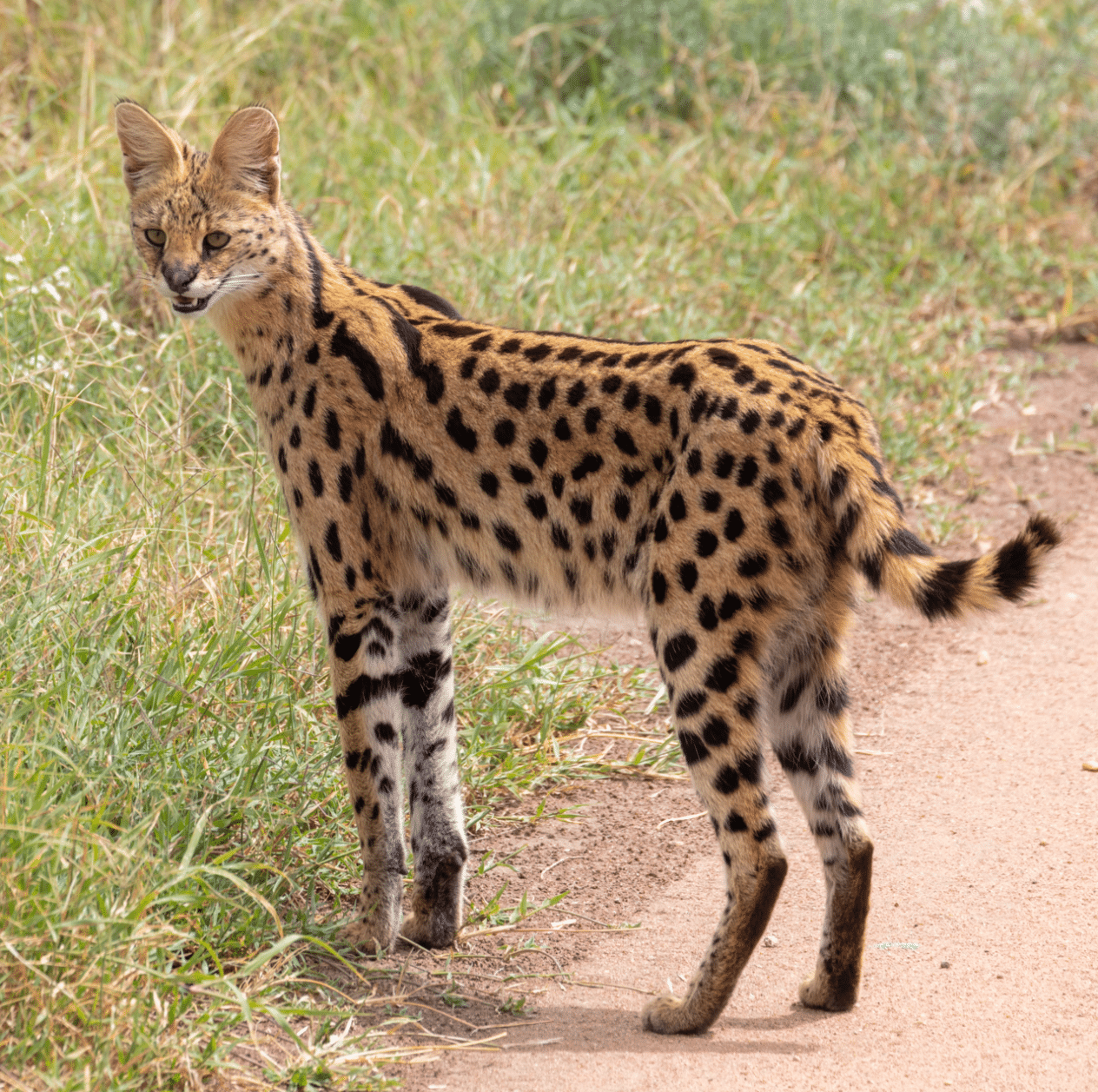
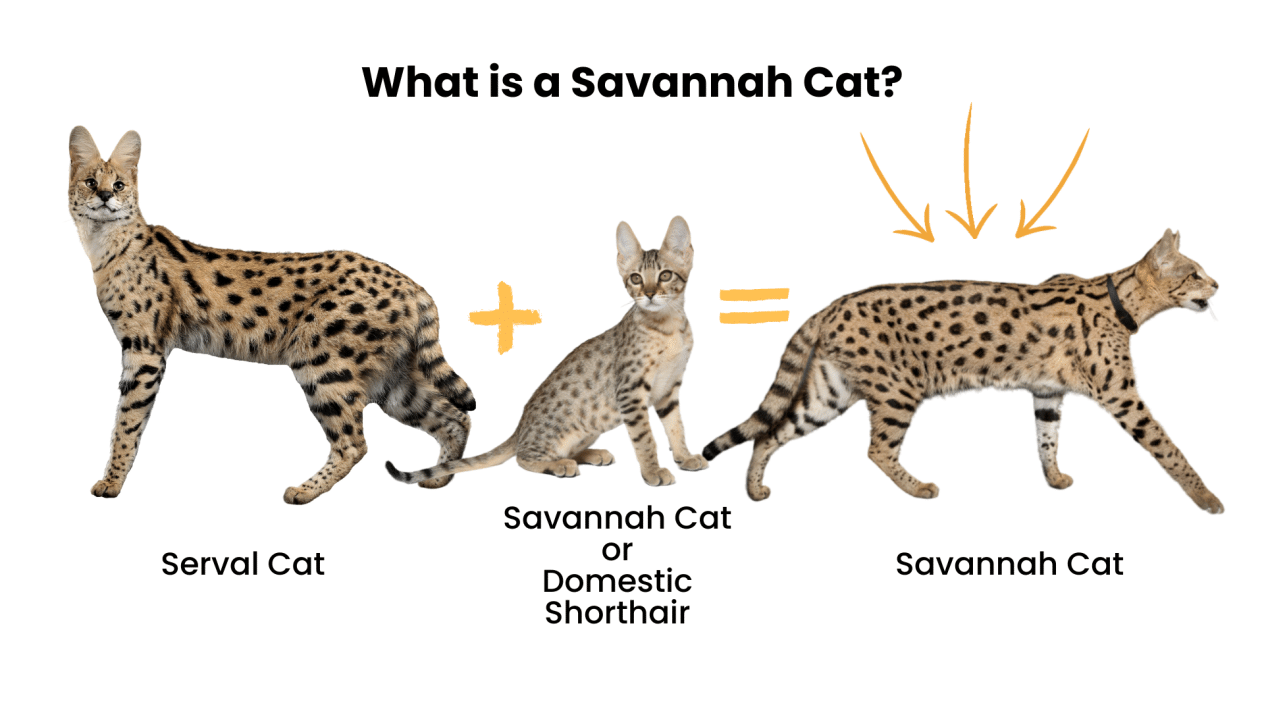
The Savannah is the closest thing to a wild cat that can be legally kept at home. Its origins are directly related to the African serval, and this is evident in literally everything: from body proportions to the way it moves.
It doesn’t look like a “cat with spots” – it looks like a predator that just lets you live next to it. Its long legs create a high-sitting effect, its large ears constantly pick up sounds, and its gaze is cold and focused.
Savannah moves differently from ordinary cats. There is something of a steppe hunter in its gait – it does not sneak, it controls the space. In the apartment, you can feel it right away: she occupies the territory and behaves as if it were her natural environment.
Its behavior is often surprising: it can bring objects like a dog, open doors, analyze human actions. This is constant contact, intellectual interaction, and even a certain struggle for control.
In short: the Savannah is not a decorative cat but a partner with a character that needs to be understood.
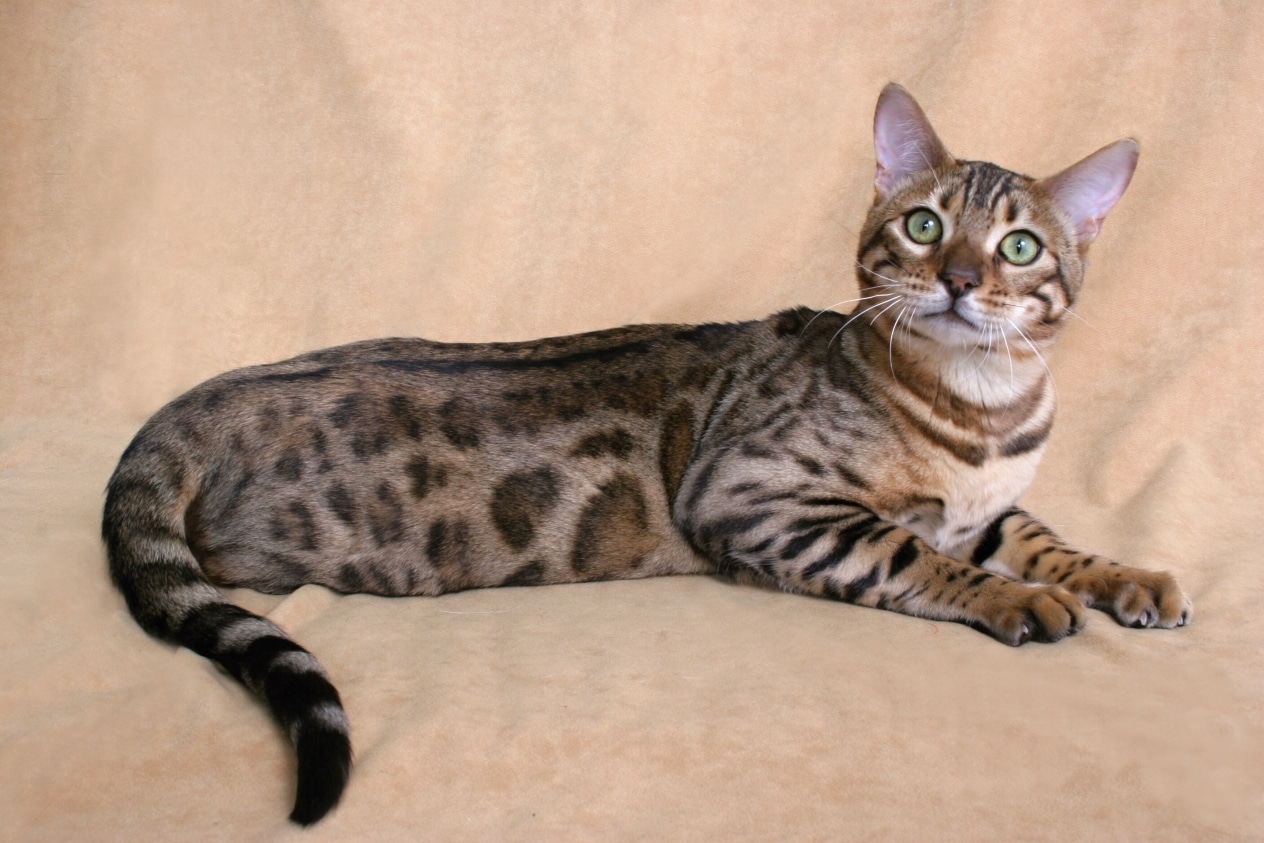
Bengal cat
The Bengal cat looks like a real leopard in miniature, but its main feature is a combination of beauty and constant energy of movement.
Its coat is a separate story. It has a structure, a depth of color, and even a slight glow in the light. It looks as if the cat has always just been in a commercial or stepped off a magazine page.
But there is one thing to understand: the Bengal does not live quietly. He is constantly on the move. He is interested in everything – water, heights, objects, sounds. It is a cat that explores the world.
It has a strong hunting instinct, and it manifests itself in everything from sudden movements to the desire to control the territory. If there is no activity in the apartment, he will create it himself.
At the same time, Bengals are emotional. They become attached to the owner, can “talk”, demand attention, and even be jealous.
This is an ideal option for those who want not just a cat, but constant movement and life at home.
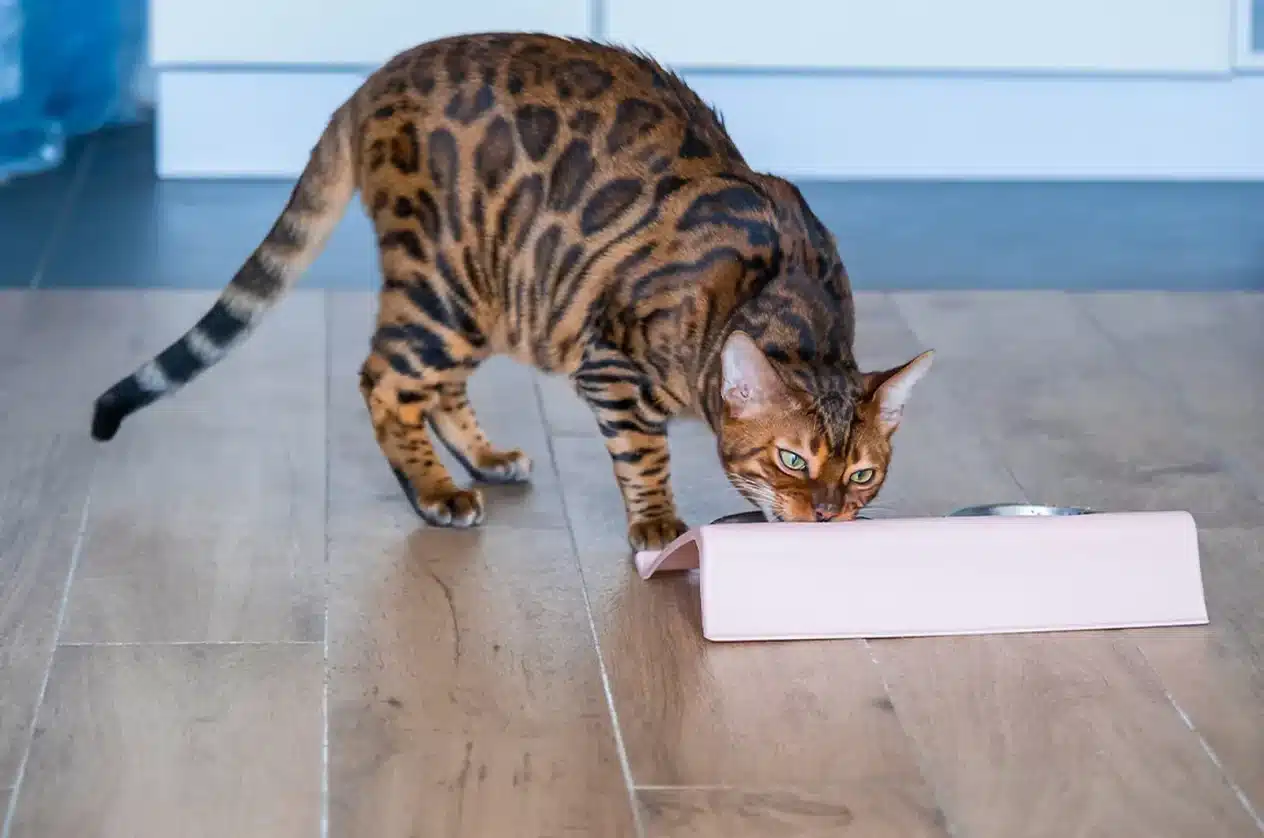
Serengeti
The Serengeti is an example of how breeding can create the appearance of a wild predator without using wild genetics.
Its appearance is a deception. Long legs, an elongated body, large ears, and a spotted pattern form the image of a serval. But in reality, it is a completely domestic cat.
And this is its main advantage: it looks dangerous but behaves much softer.
The Serengeti is more social. It does not seek to dominate like the savannah, but it needs contact. It is important for it to be close to humans, to participate in everything that happens.
This is a cat that will be part of the process. It comes, intervenes, explores, checks.
Inside, he is an active, intelligent, and very sociable cat.
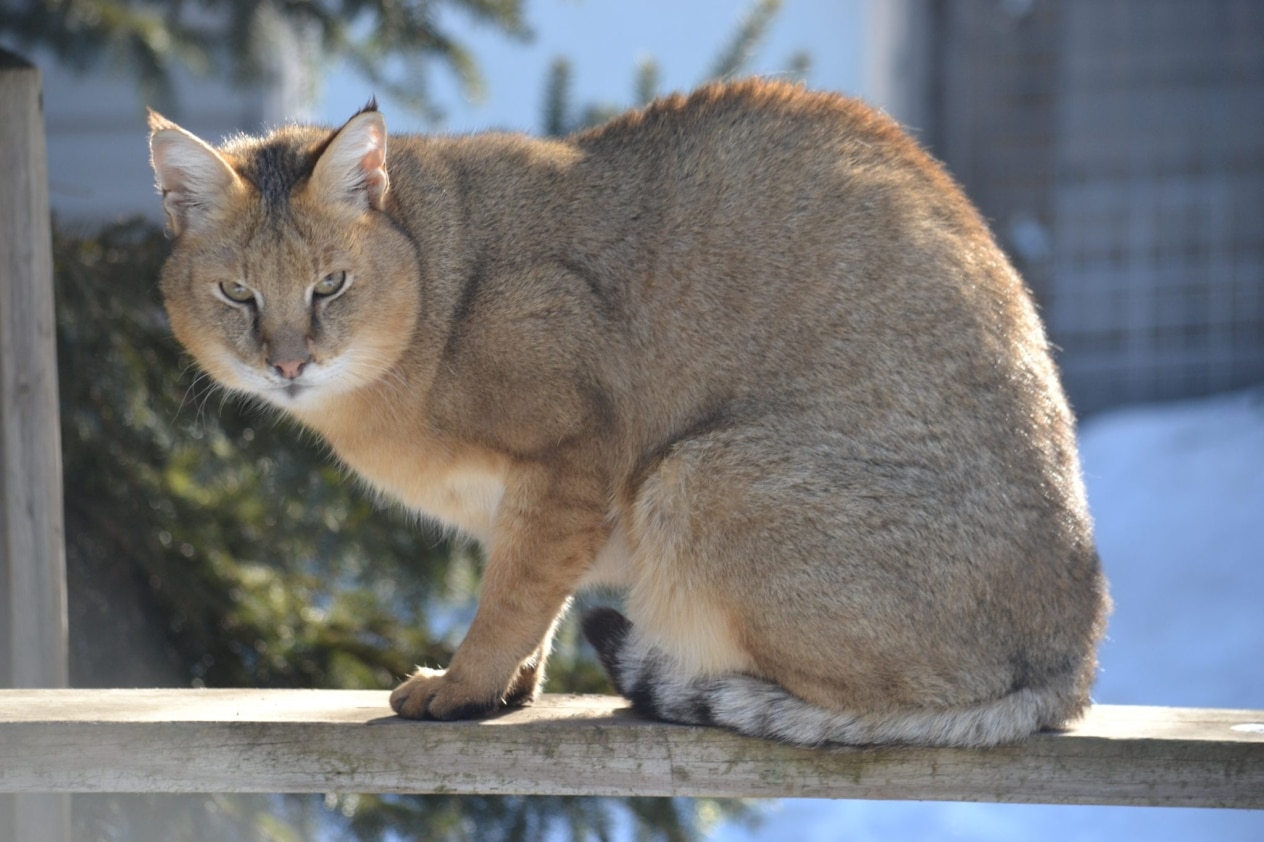
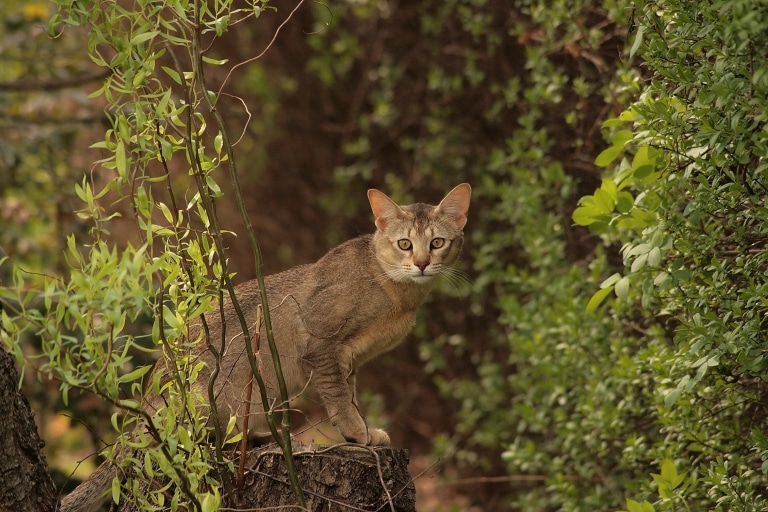
Chausi
Chauzy is another level. He has not just a “resemblance” but the true genetics of a wild cat.
His appearance is more restrained than that of a Bengal or Savannah – fewer spots, more monochromatic. But this is exactly what makes it look even more like a real predator.
This is a cat that looks like a shadow. It moves quietly, quickly, and precisely. It has no unnecessary movements – only clarity and control.
Chaussee is not suitable for a passive life. He needs space, otherwise he will begin to show discontent. This can be in the form of destroying things or being overly active.
He will not constantly ask for attention like a Bengal. But if he wants it, it will be persistent.
This is a cat for those who are ready for a strong character and are not afraid of difficulty.
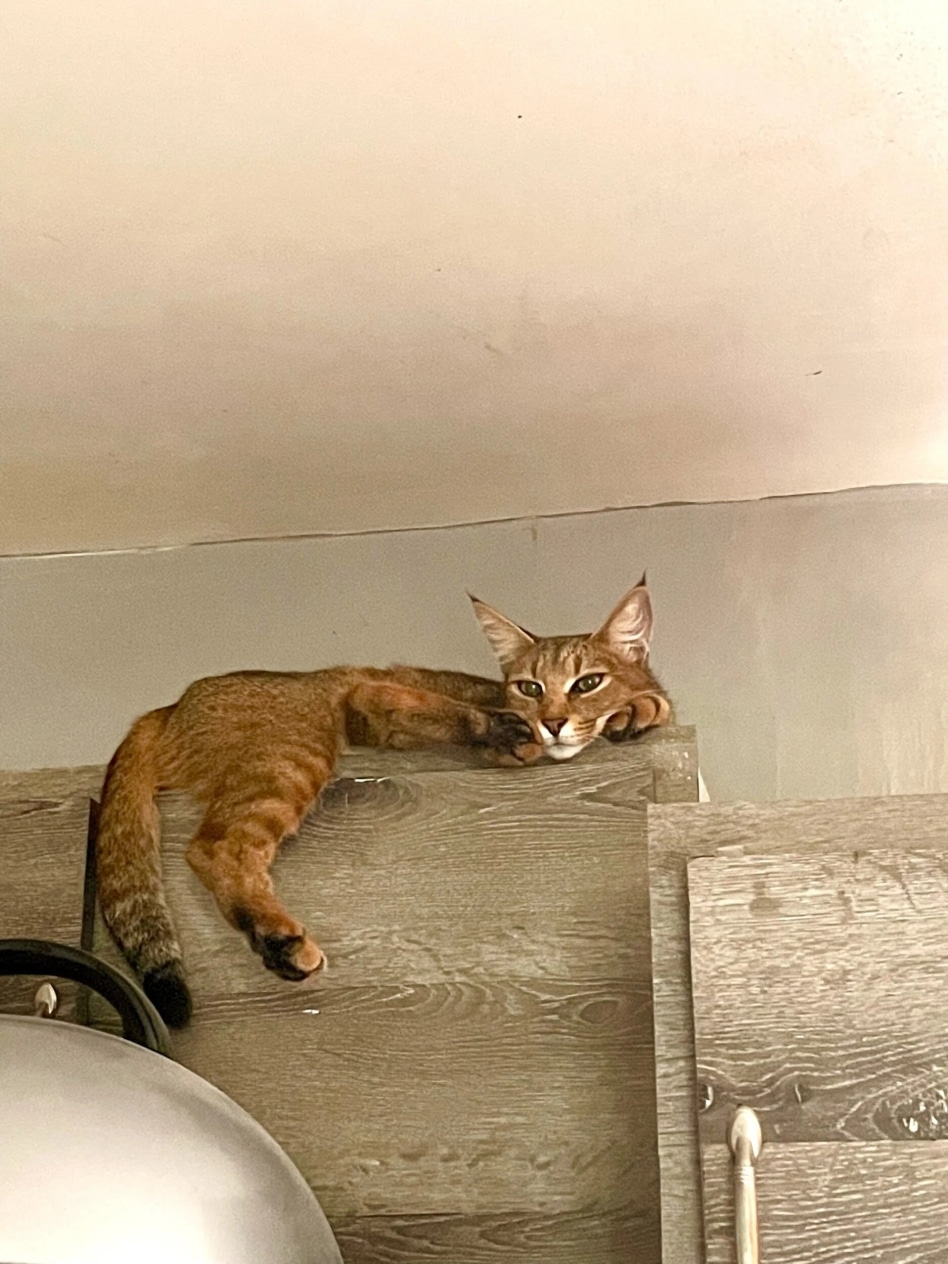
Karaket
The Caracet is one of the most spectacular breeds. It cannot be confused with another cat.
The tassels on the ears, the shape of the head, and the body posture all resemble a caracal. And it’s not just a visual effect – it’s a true hybrid.
Its character is more complex than that of classic domestic breeds. It can be independent, sometimes even aloof. But with the right approach, it becomes very loyal.
The Karaket does not tolerate chaos. It needs stability, clear rules, and space.
This is a cat that does not adapt to humans; humans adapt to it.
Conclusion.
These breeds look like wild animals, but they are not toys and not just a “showy accessory.”
Each of these cats has character, energy, and a need for attention. And the more “wildness” it has on the outside, the more it has inside.
If you just want a calm cat, these are not the right options.
But if you want to feel the real nature next to you, then these are the breeds that give this effect without compromise.