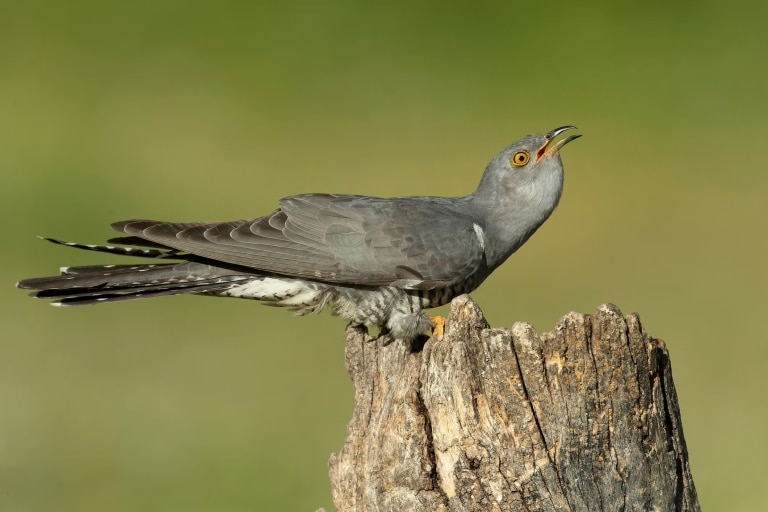
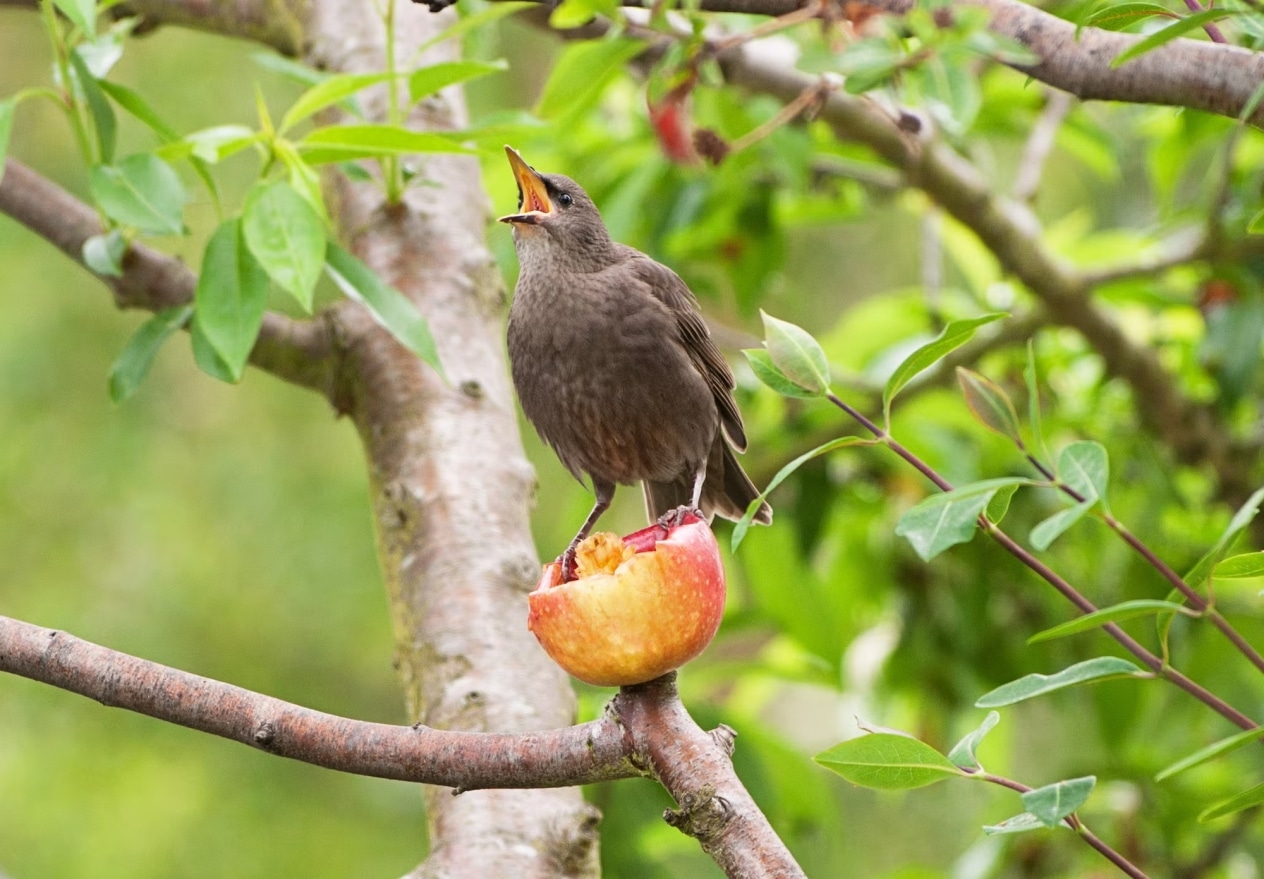
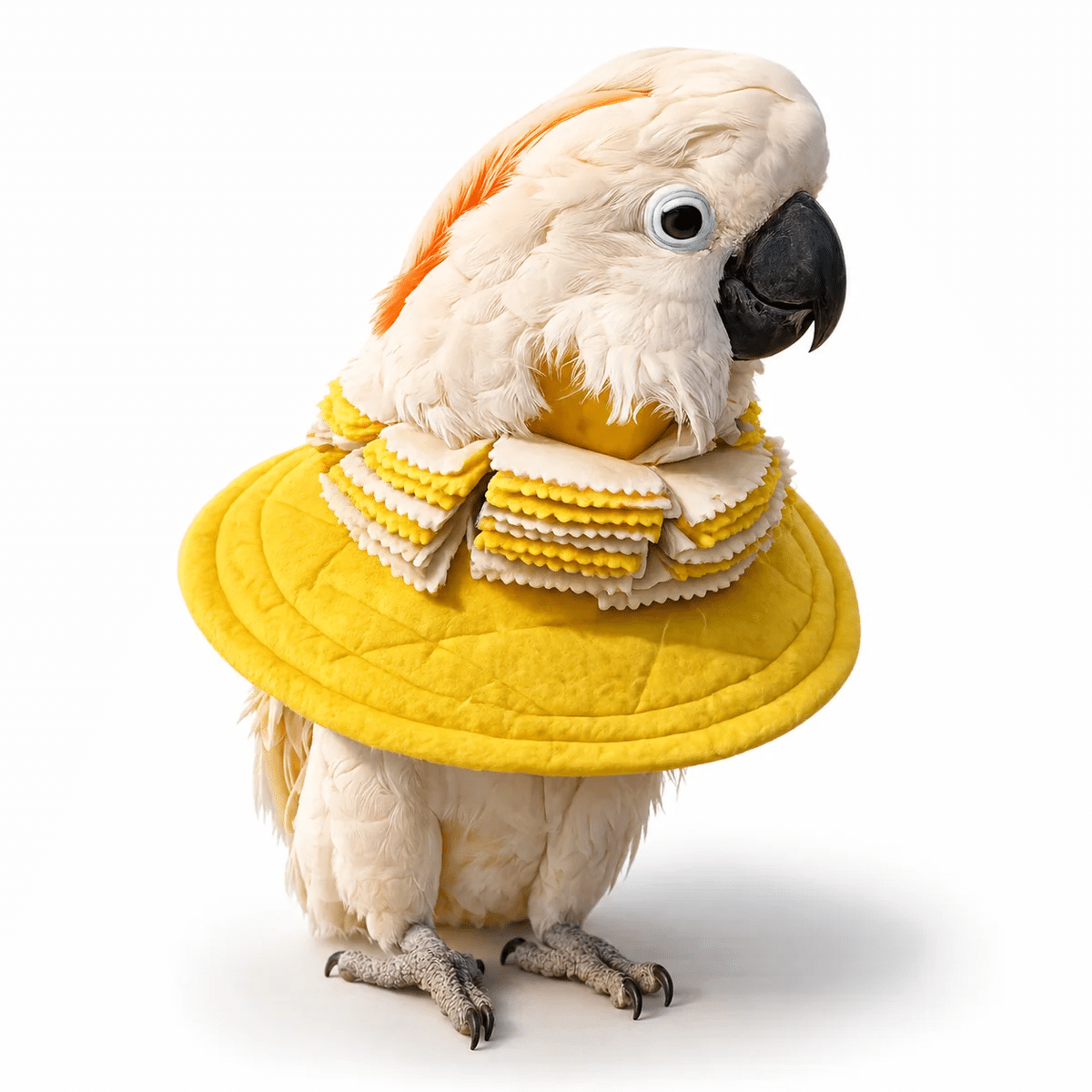
The bird was just pecking at some grain, and now there’s a soft, rounded bulge visible at the base of its neck. This could be a full crop. It really does look like a little pouch of food, but it doesn’t work the same way as a stomach.
What Is a Crop and What Is It For?
A crop is a dilated section of the esophagus where food is temporarily stored. Many birds have one—including chickens, pigeons, and parrots—but not all species do. After passing through the crop, food moves to the glandular stomach and then to the muscular stomach, which helps break it down. The crop itself does not grind the grain or replace the stomach.
This “pocket” allows the bird to quickly gather food and then gradually pass it on. In the crop, the food is moistened and softened. Imagine a chicken that has found some grain: it doesn’t need to wait in one spot until its digestive system processes every single grain. It pecks, moves on, and the crop gradually passes the food into the stomach. That is why the crop can expand after feeding and then shrink again later.
In pigeons, the crop plays another unexpected role. When the chicks hatch, both parents produce a nutritious substance in the crop—known as “pigeon milk”—and feed it to their young. This is not milk as found in mammals: the nutritious substance is formed from the cells of the crop’s inner lining. The chick receives it directly from its parents’ beaks. Later, regular food is added to this diet.
Why the crop is sometimes noticeable and sometimes almost invisible
The size of the crop changes throughout the day. After a meal, it fills up, and as the food moves further along, it empties. Therefore, a slight enlargement after feeding does not necessarily mean that the bird is sick. It’s more important to observe any changes: whether the crop is shrinking, whether the bird’s appetite remains normal, and whether it’s behaving as usual.
The crop may be visible to varying degrees in different species. Don’t compare a parrot to a chicken or judge its condition based on a single photo. If you care for a pet bird, it’s helpful to know what its crop usually looks like after eating and some time afterward.
When a full crop is a cause for concern
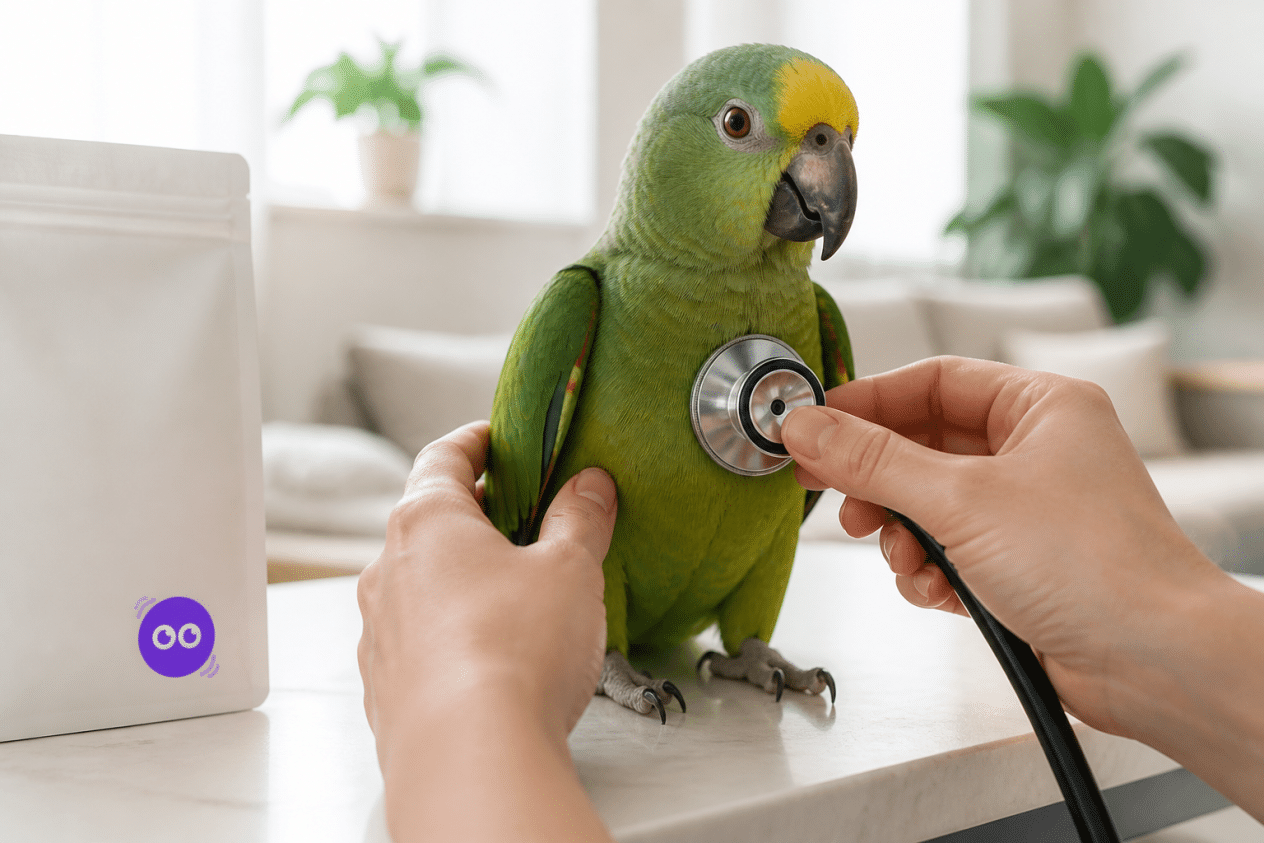
If the crop remains distended for a long time and does not empty, the bird regurgitates food, stops eating normally, becomes lethargic, or an unusual unpleasant odor emanates from its beak, a veterinary examination by a veterinarian who specializes in birds is necessary. Food can become trapped for various reasons, so it’s impossible to determine the cause of the problem based on the appearance of the crop alone.
You should pay particularly close attention to hand-fed chicks: food becoming trapped in their crop is dangerous for them. Do not try to squeeze out the contents yourself or pour liquid into the beak—the bird could choke. It is best to consult a specialist as soon as possible.
Conclusion
The crop is a temporary storage site for food on its way to the stomach, and in pigeons, it is also part of the system for feeding chicks. Its size naturally changes after feeding. The cause for concern is not the fact that the crop is full, but rather that it is not emptying and the bird is feeling unwell at the same time.