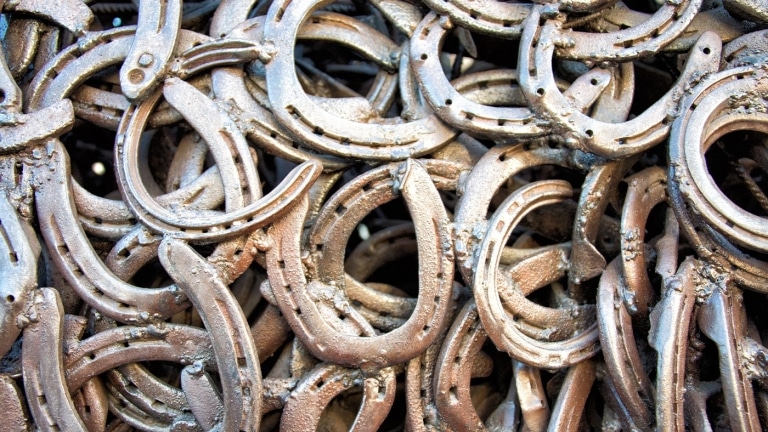
For humans, the horseshoe has become a symbol of good luck. For a horse, it was primarily a way to protect its hooves when it had to work hard on roads built by humans. But why nail a piece of metal to the hoof? And how could a horse walk comfortably after that?
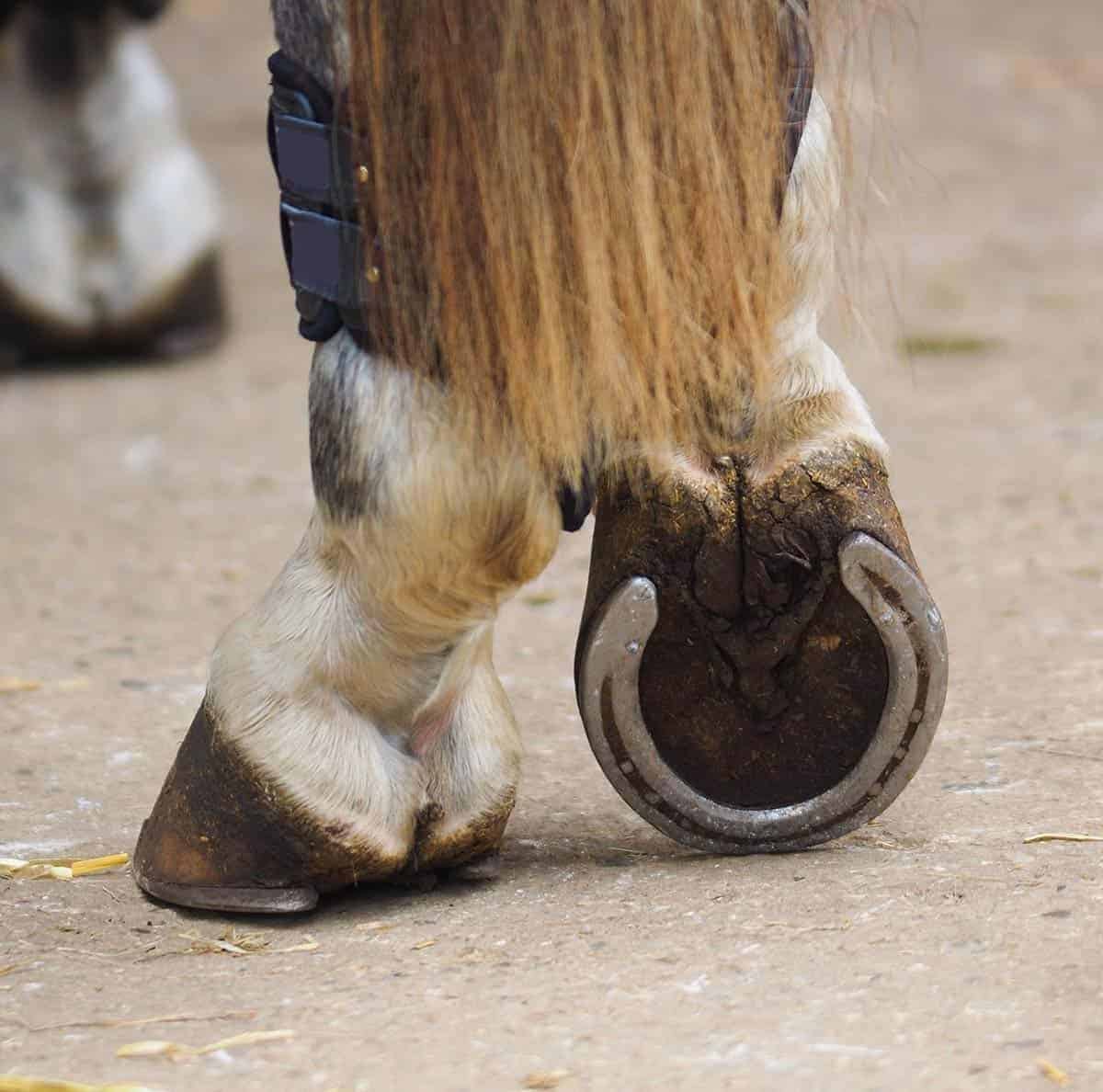
Why Horses Needed Horseshoes
Hooves grow and gradually wear down as the horse moves. As long as these processes are in balance, a horseshoe may not be necessary. It’s a different story for a horse that regularly carries a rider or pulls a load over rocks, gravel, and hard roads. Under such strain, the hoof can wear down faster than it grows back, and movement becomes painful.
A horseshoe protected the edge of the hoof from excessive wear and could improve traction on the road. Over time, various shapes of horseshoes emerged to suit different tasks and hoof characteristics. The need for them depended on the road, the load, and the condition of the horse itself.
People also sought other means of protection. For example, ancient metal “sandals” have been preserved that could be fastened to the hoof and removed. And the London Museum’s collection includes a 10th-century iron horseshoe with holes for nails.
How a horseshoe was nailed on and whether the horse felt it
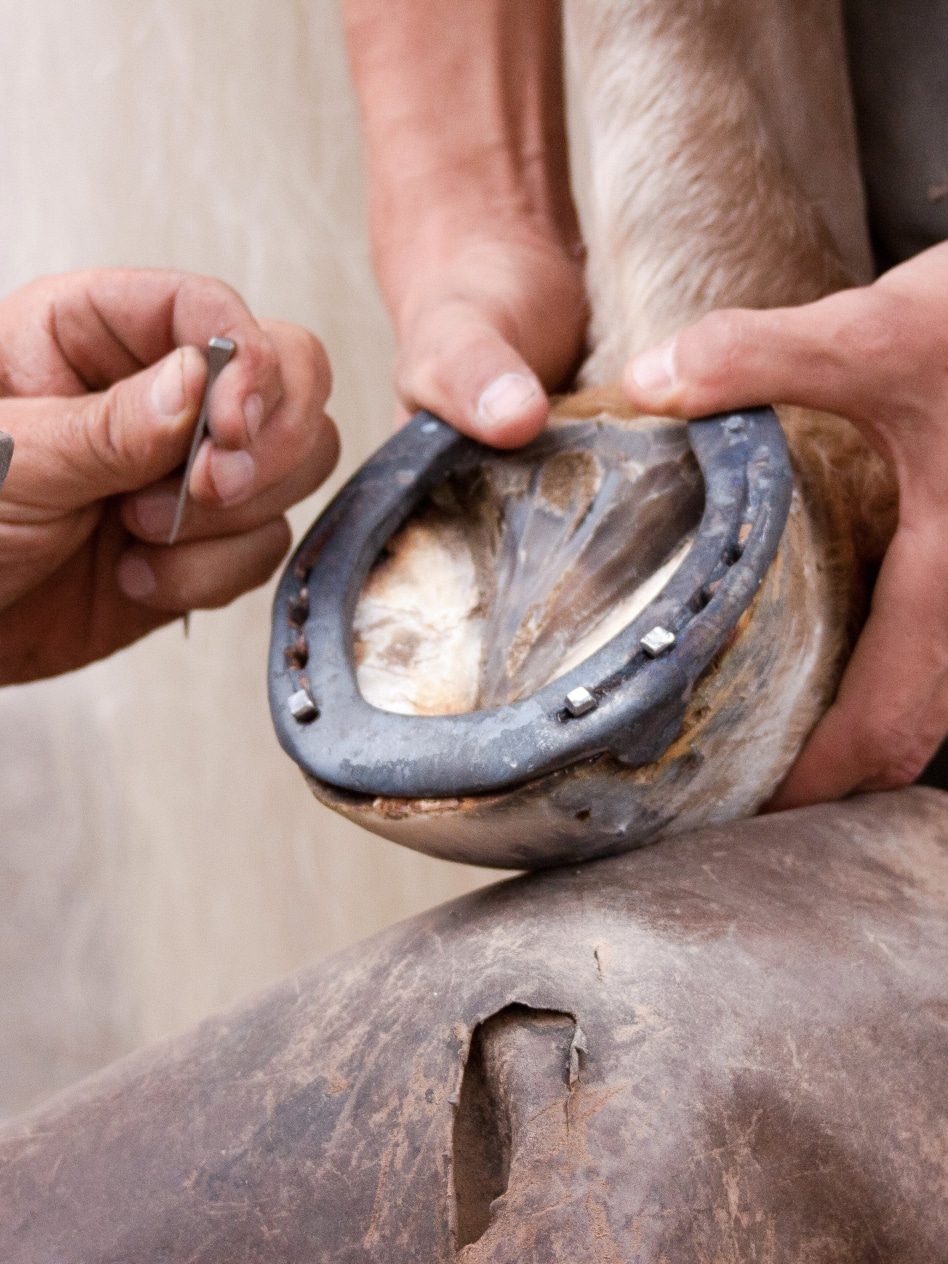
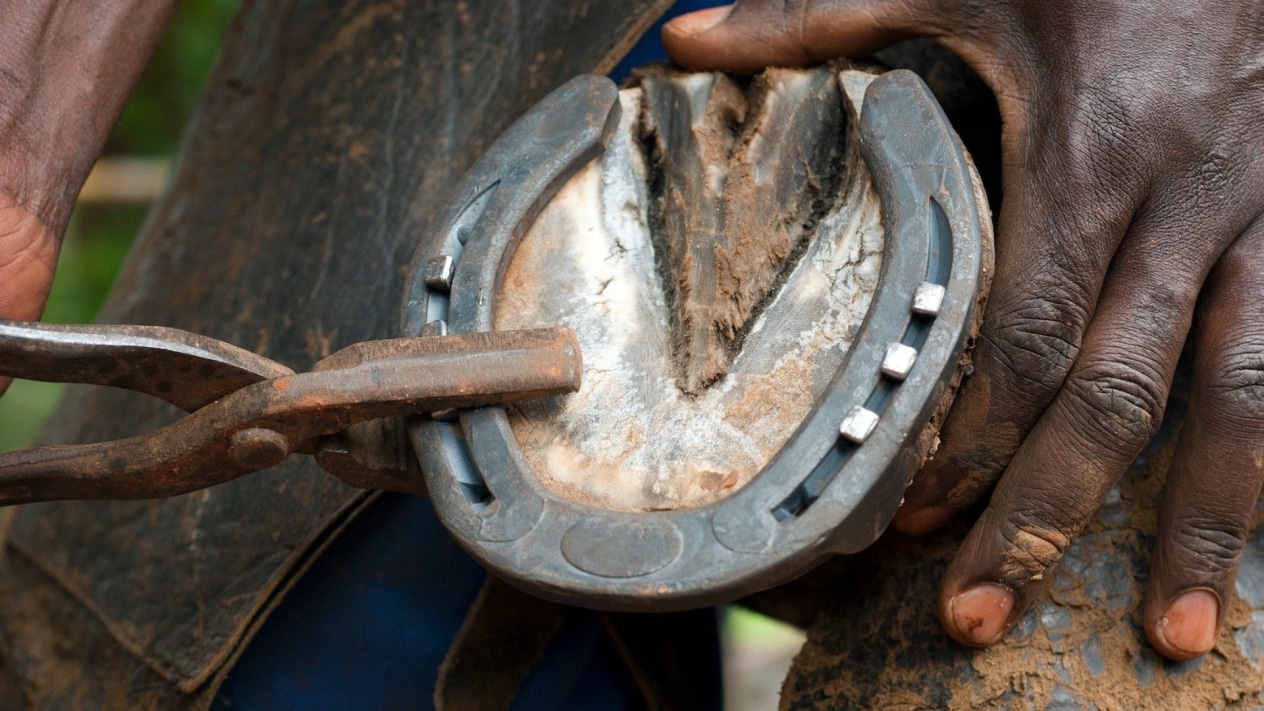
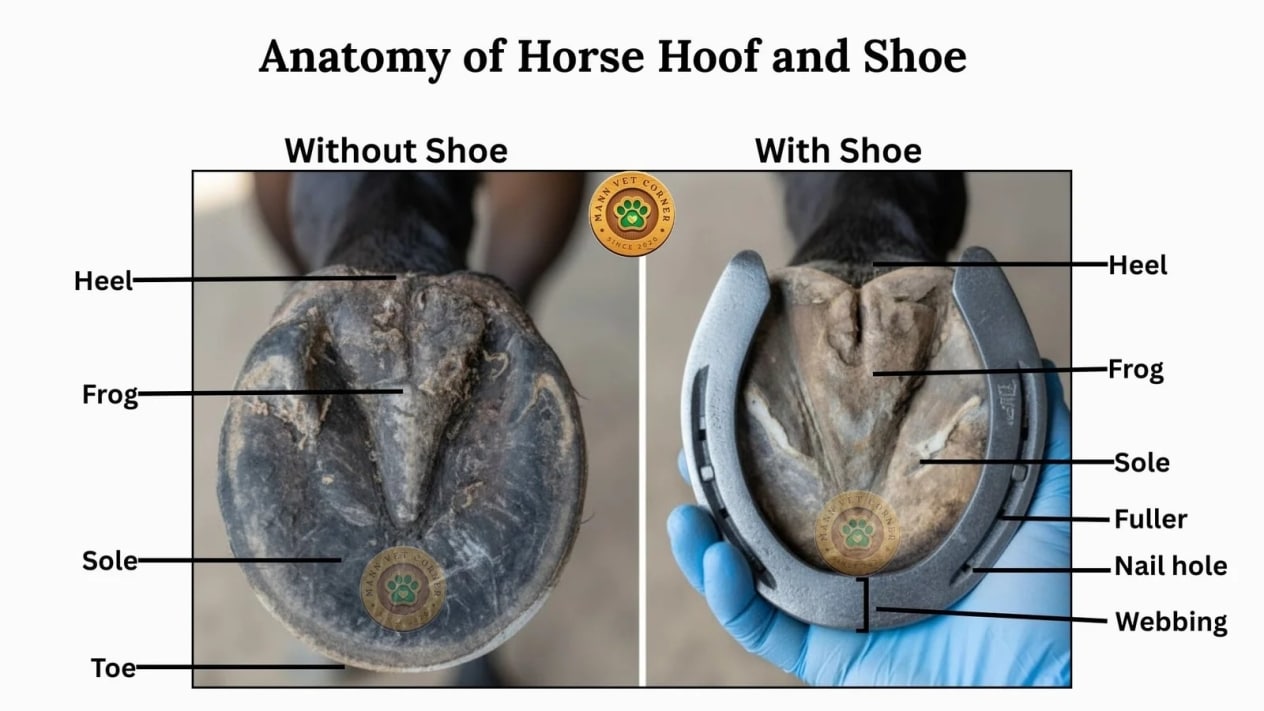
At first glance, the procedure looks frightening: the blacksmith drives a nail straight into the hoof. But the hoof’s outer wall is made of hard, horn-like material. If the nail passes through this insensitive area, the horse does not feel pain from the nail itself—much like how we don’t feel pain when cutting our nails.
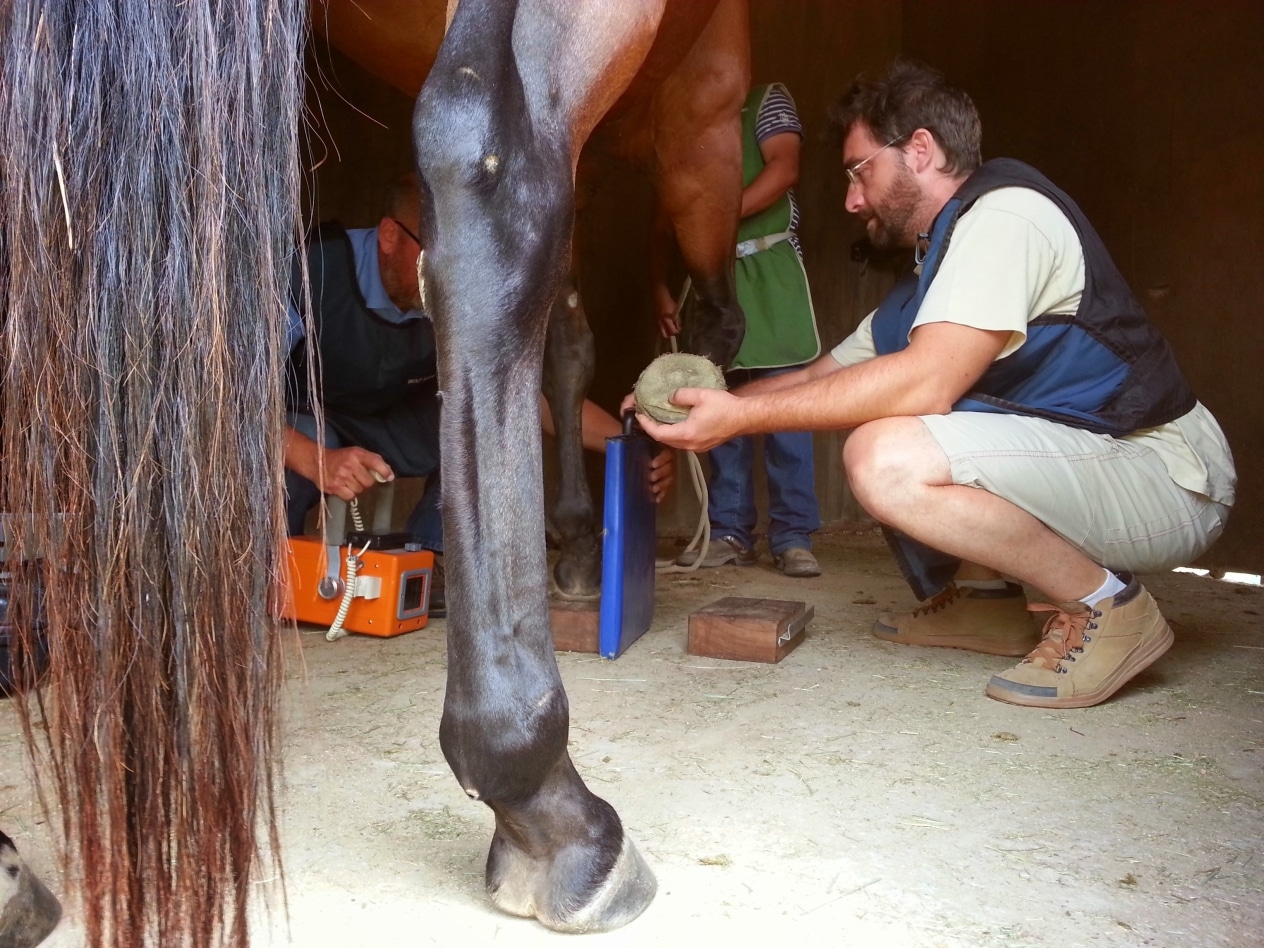
But the statement “it doesn’t hurt the horse” is true only for proper shoeing. Beneath the outer wall lies sensitive tissue. If a nail goes in too deep or presses against it, the horse may feel pain and limp. That’s why a specialist should fit and secure the horseshoes. Hooves continue to grow even when shod, so they need to be trimmed regularly, and the horseshoes need to be checked and replaced.
Do horses need horseshoes today?
Not all of them. A horse that feels fine without shoes and does not wear down its hooves excessively can remain unshod, provided it receives regular care. Others need protection due to hard surfaces, intensive work, or hoof problems. There are also removable hoof boots and special horseshoes designed for specific needs.
The decision depends on the condition of the hooves and how the horse moves and works. If necessary, the decision is made in consultation with a veterinarian and a hoof care specialist.
Conclusion
Horses were originally shod to protect their hooves from stress and hard surfaces. Properly placed nails go through the insensitive part of the hoof, but a mistake can cause pain. The most important thing is to choose a hoof care regimen that allows this particular horse to move without pain.