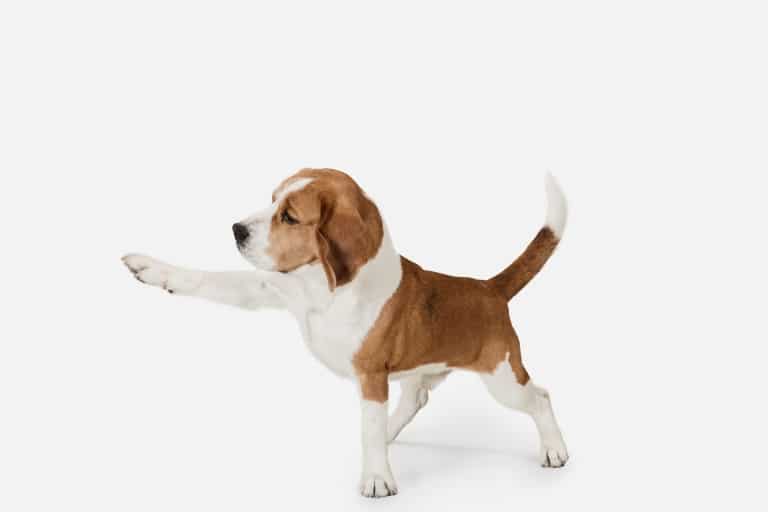
You’ve been standing by the same bush for ten minutes because your dog is sniffing it. At home, he suddenly runs three laps around the room, and when you say “walk,” he tilts his head as if he’s considering your suggestion. Some of these habits make practical sense. For others, we still only have possible explanations.

Quirks That Make Sense
He spends more time reading scents than you do—it’s a message. To a dog, another dog’s scent is a source of information. Scent marks help animals communicate, even when they don’t meet. That’s why the stops during which your dog sniffs everything thoroughly are part of the walk. That said, we can’t interpret every scent and say exactly what the dog has learned from it.
Scratches the ground vigorously after doing its business. From the outside, it looks like the dog is trying to cover its tracks, even though the dirt is flying in a completely different direction. These movements can leave a scent from the spaces between their toes, and paw prints can serve as a visible marker. This is more like marking territory than a failed attempt to clean up after themselves.
They shake themselves off right next to you. After rain or a bath, a dog needs to get rid of the water in its fur. A sharp shake helps do this quickly. If you find yourself under a “shower,” this isn’t the dog’s way of getting revenge for the bath—you were simply standing too close.
Quirks with no single explanation
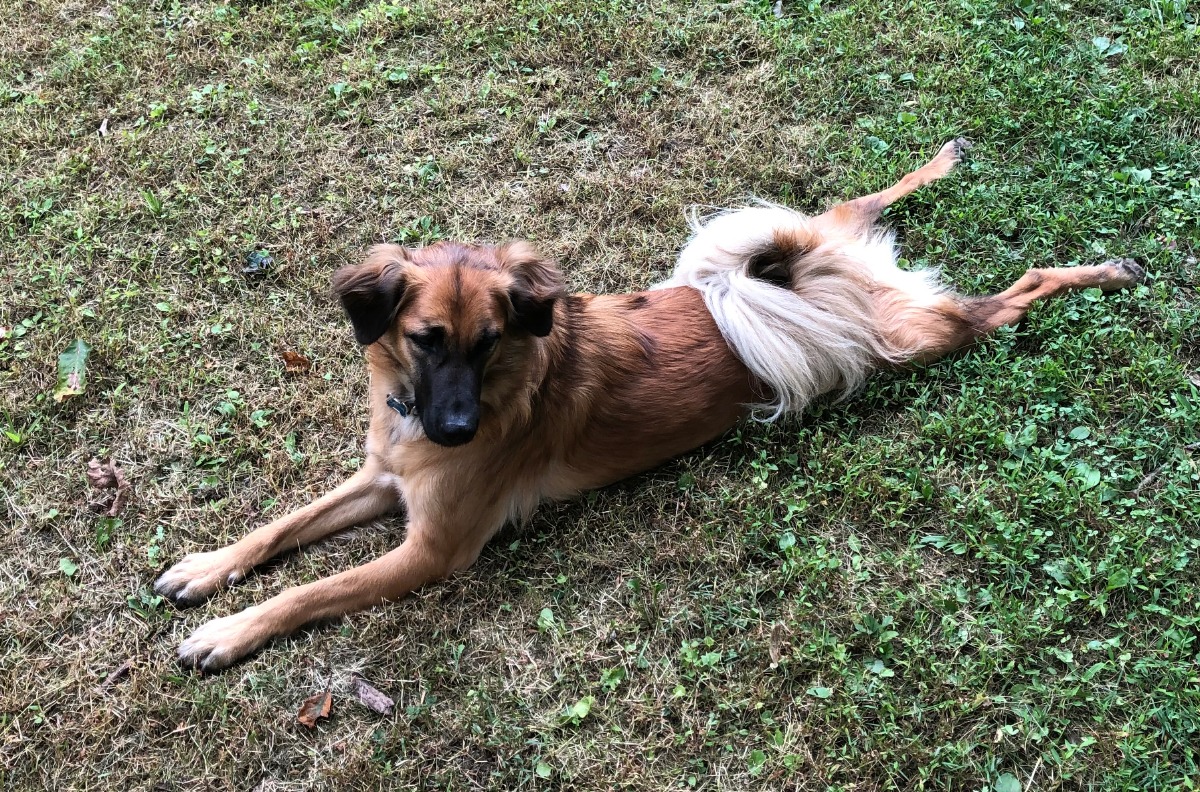
Suddenly, it takes off and runs in circles. There’s even a name for these short sprints— “zoomies.” They happen after play, a bath, or intense excitement. Perhaps this is how the dog releases excess energy or tension, but there’s no single, established reason for every sprint. If your dog is just running around happily, it’s best to clear its path of any objects it might bump into.
It tilts its head when you talk to it. In a small study, dogs that were good at remembering the names of toys were more likely to tilt their heads when they heard a familiar name. This is an interesting clue about their attention to meaningful sounds, but it doesn’t explain every such movement. From the head tilt alone, we can’t determine exactly what the dog was reacting to: a word, intonation, or something else.
Suddenly eats grass during a walk. It’s often said that dogs do this to induce vomiting. But even healthy dogs eat grass without vomiting afterward. We often don’t know why a particular dog felt like eating grass at that moment. If this started suddenly, happens frequently, or is accompanied by other symptoms, you should talk to a veterinarian.
He rolls around in a smell that makes you want to run away. Masking his own scent, “telling” other dogs about a find, or simply curiosity about a strong odor—there are several theories. There’s no definitive answer. What’s more important here is to notice in time exactly what the dog is about to roll in: an unknown substance or animal remains could be dangerous.
There’s also a particularly intriguing mystery. Researchers hypothesized that dogs might use the Earth’s magnetic field to orient themselves while relieving themselves. Later, another study in city parks failed to find such an effect. So “the dog seeks north” is a fascinating hypothesis, but not a definitive explanation for its long deliberations over where to relieve itself.
Conclusion
Dog behavior is fascinating because not all of it is immediately obvious. Where explanations already exist, we gain a better understanding of the animal’s needs. And where the answer is still unknown, it’s more helpful to observe your own pet than to attribute a single motive to all dogs. Perhaps for you, it’s just a bush near your house. For him, it’s the most interesting spot on today’s walk.