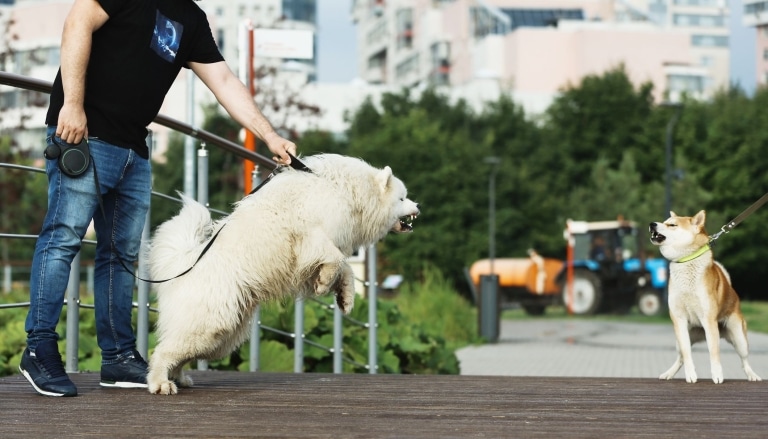
A dog is coming toward you. Its leash hangs loosely; it’s not interested in the pigeons, and it looks at passersby with the dignity of a seasoned diplomat. You glance at your own dog: he’s trying to sniff a trash can, investigate a bicycle, and check if the leaf under his feet is edible.
“Why are other people’s dogs always calmer?” you wonder. The secret is that the word “always” is unnecessary here.
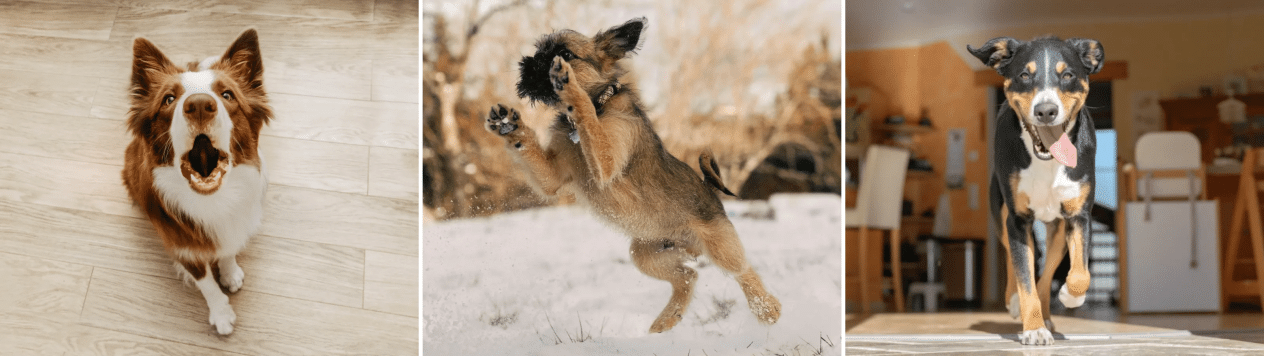
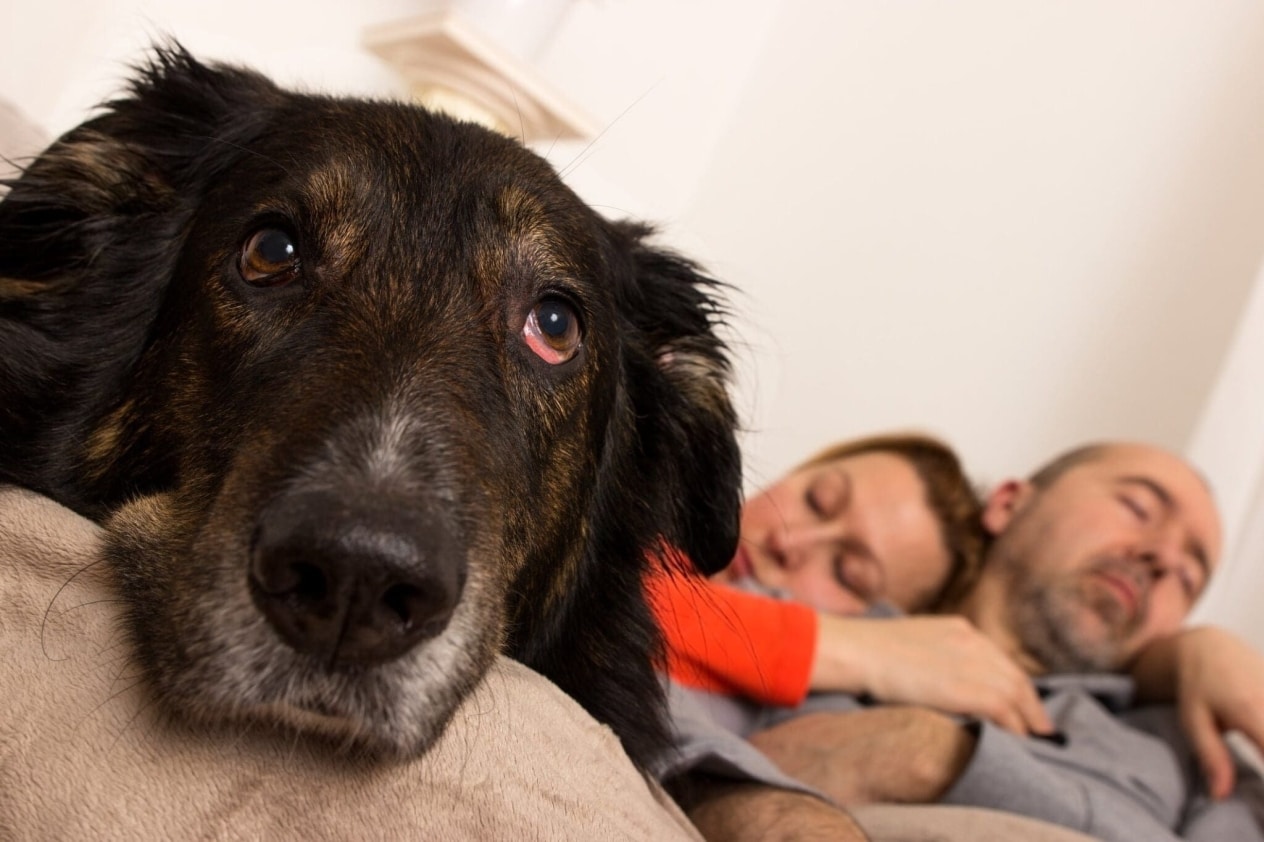
You see a stranger’s dog for five minutes. Your own—all day long
The dog on the other end of the leash might have spent the last ten minutes trying to convince its owner that the croissant wrapper needed to be investigated down to the last crumb. But you showed up just as it was walking along calmly. You got the best scene of the day.
With your own dog, it’s a whole different story. You see him from the morning “wake up, I’m already awake” to the evening search for a missing sock. You know how many times he’s come running when called, and how many times he’s suddenly picked up on a very important scent. You have a general impression of other people’s dogs. But when it comes to your own dog—you have the full statistics.
Plus, a dog might act reserved outside, but at home, it might give a grand welcome to anyone who steps out of the bathroom. Or bring the exact same toy just when you’ve picked up a cup of tea. The owner of someone else’s “perfect” dog probably knows this too: if you carelessly say the word “cheese,” not a trace of that calm diplomat will remain.
There’s another quirk to our perspective: someone else’s dog doesn’t know all your habits. But your own dog knows where you hide treats, what time you usually go out, and what look you give when you want to walk for five more minutes. That’s why he feels more at ease showing his true colors around you.
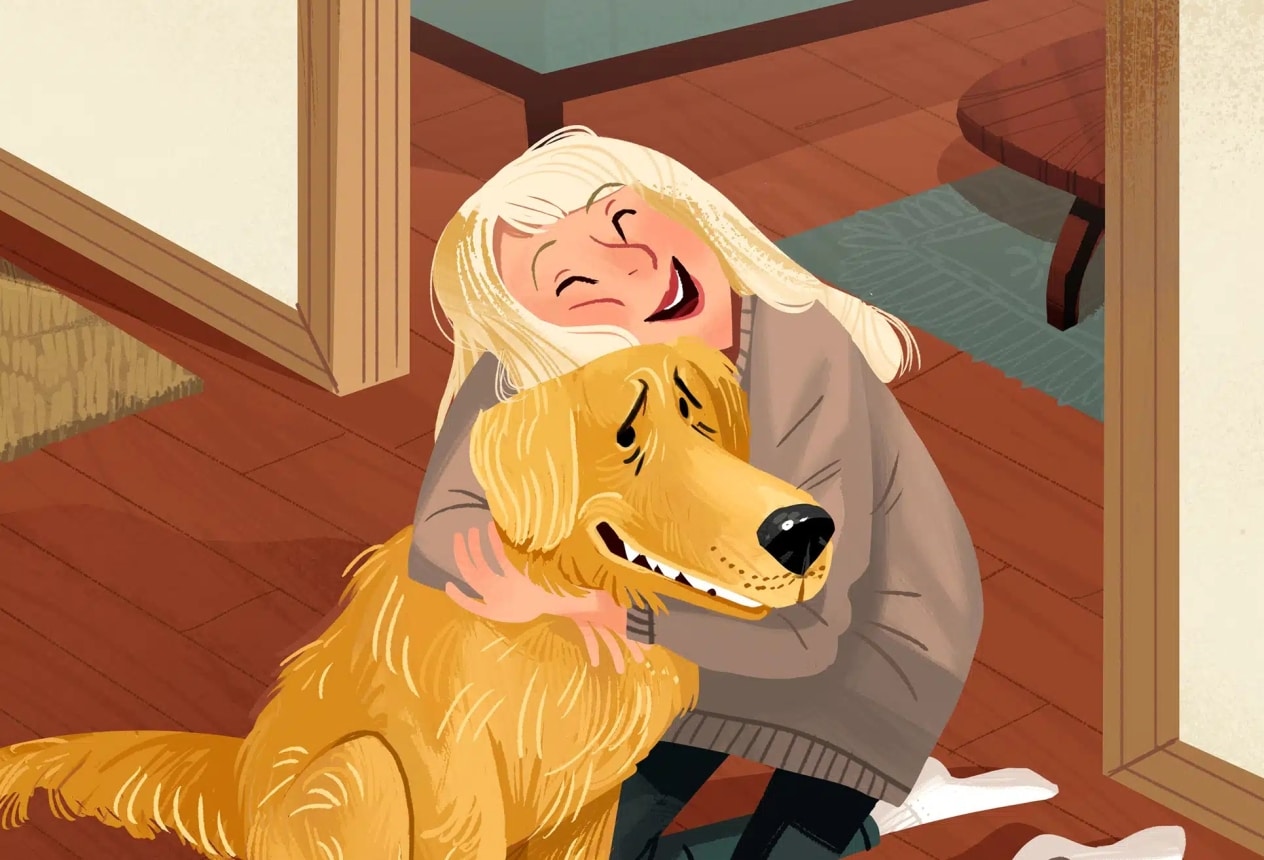
And how does your dog appear to others?
Maybe yesterday someone saw him waiting calmly at your feet while you were on the phone. A passerby walked by and thought, “What a well-behaved dog.” They didn’t see how, a minute later, he decided that a puddle was the highlight of the day.
If walks are truly difficult—if your dog constantly pulls on the leash, gets scared, or can’t settle down—that’s something worth working on. But a one-time incident with a pigeon doesn’t make him “worse” than any other dog.
Conclusion
A stranger’s dog often seems calmer because we only encounter it for a moment. We know our own dog inside and out: with good manners, strange habits, and a special love for one particular bush. And while you’re comparing them, to someone else, your dog is that incredibly well-behaved stranger’s dog.