History is full of dramatic twists and turns, and sometimes the line between survival and extinction for an entire species hung by a thread. Our four-legged companions have also endured dark times: wars, epidemics, human indifference, or changing trends have brought many unique breeds to the brink of complete extinction. However, thanks to the fanatical dedication of a few enthusiasts, some of them were literally pulled back from the brink of extinction.
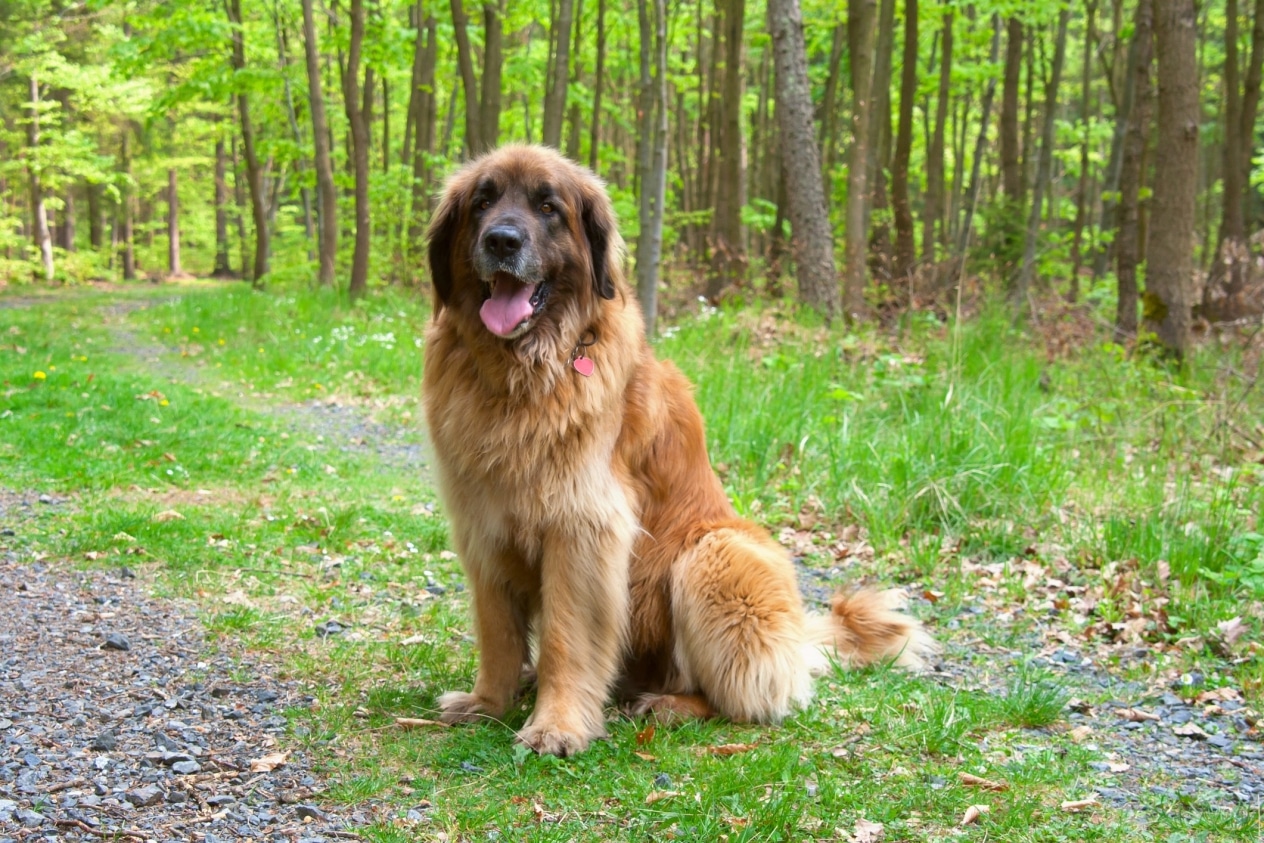
Leonberger
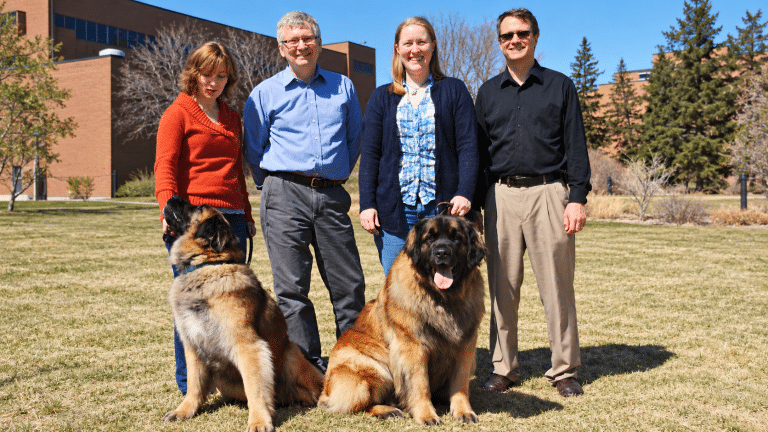
These luxurious, lion-like dogs first appeared in Germany in the mid-19th century thanks to the mayor of Leonberg, who set out to breed a “living symbol” of his coat of arms. Massive, gentle, and exceptionally intelligent, Leonbergers quickly became the favorites of the European aristocracy and monarchs.
However, World War I dealt a devastating blow to European dog breeding. Due to famine, devastation, and the conscription of dogs to the front lines between 1915 and 1918, the breed found itself on the brink of extinction. Only five living Leonbergers remained in the world. Only the incredible efforts of a few breeders—who literally gathered the surviving individuals bit by bit from across Europe and conducted meticulous breeding—saved these giants from eternal oblivion.
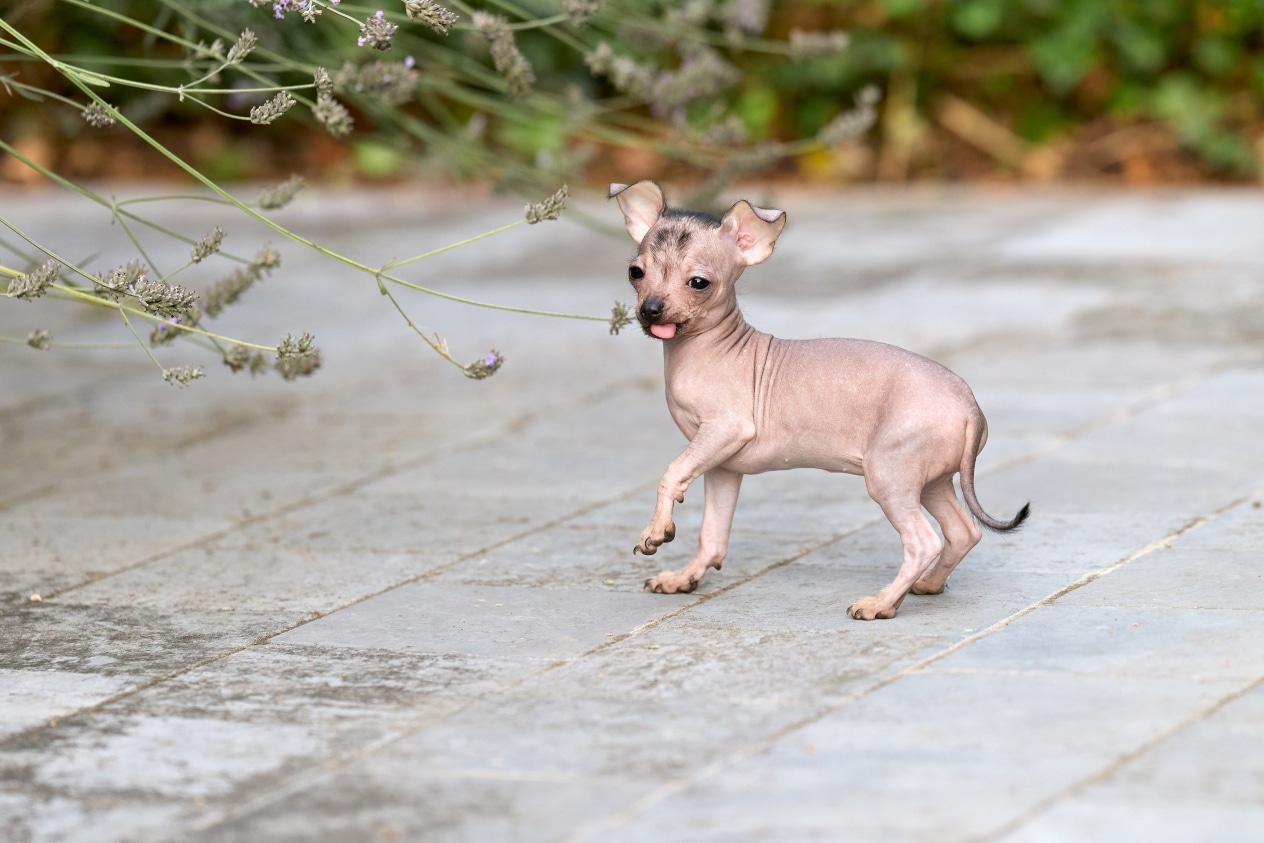
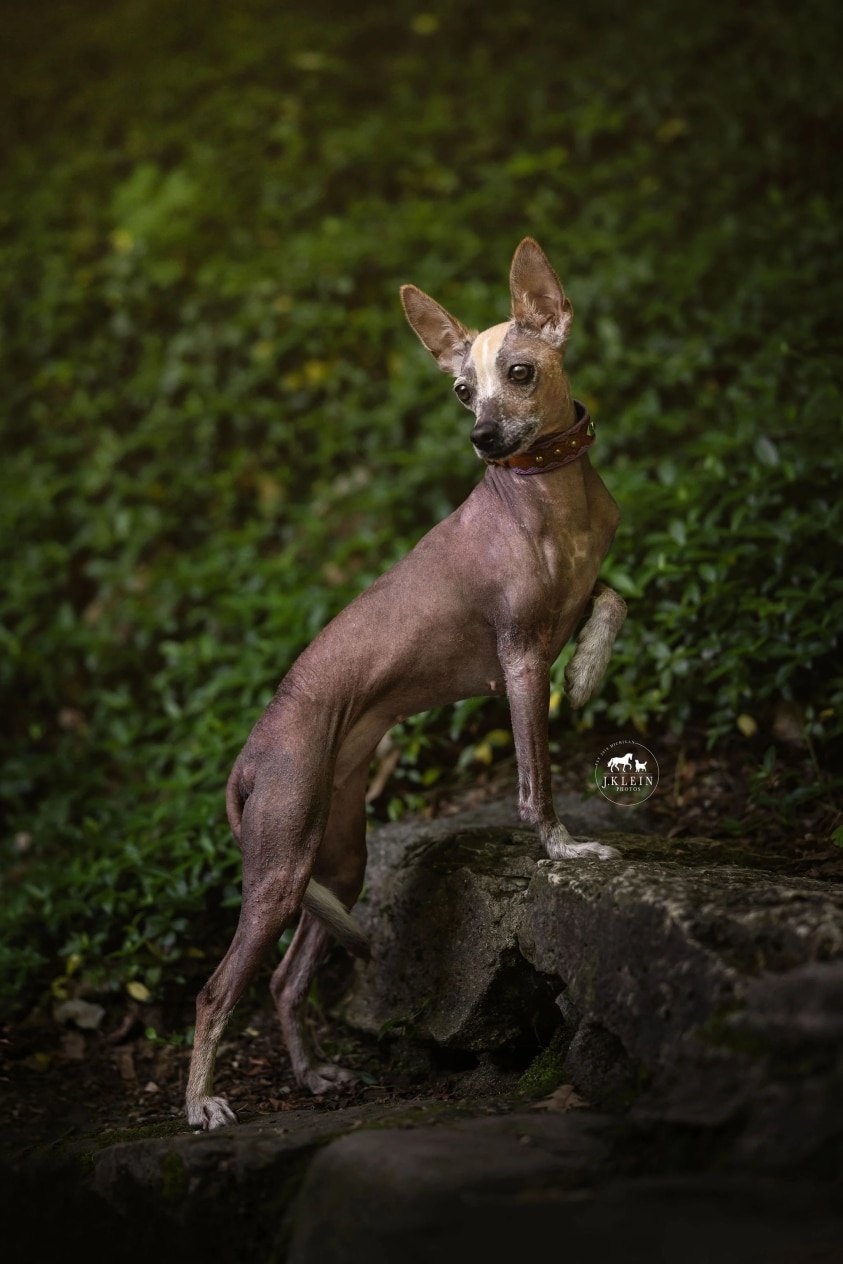
Xoloitzcuintli (Mexican Hairless Dog)
This breed dates back more than three millennia. For the ancient civilizations of Mesoamerica, Xoloitzcuintlis were sacred: the Aztecs believed that these unusual hairless dogs accompanied the souls of the dead into the afterlife.
When the Spanish conquistadors arrived in these lands, they began actively destroying not only the culture of the local inhabitants but also everything associated with it, including these dogs. Xoloitzcuintles nearly disappeared entirely from major cities and survived only by a miracle—they were hidden away in remote mountainous and rural areas of Mexico. In the mid-20th century, when almost no one remembered the breed, a group of enthusiasts led by dog breeders and artists (including Frida Kahlo) launched a massive search expedition. They found several surviving specimens in remote villages and revived this part of Mexico’s national heritage.
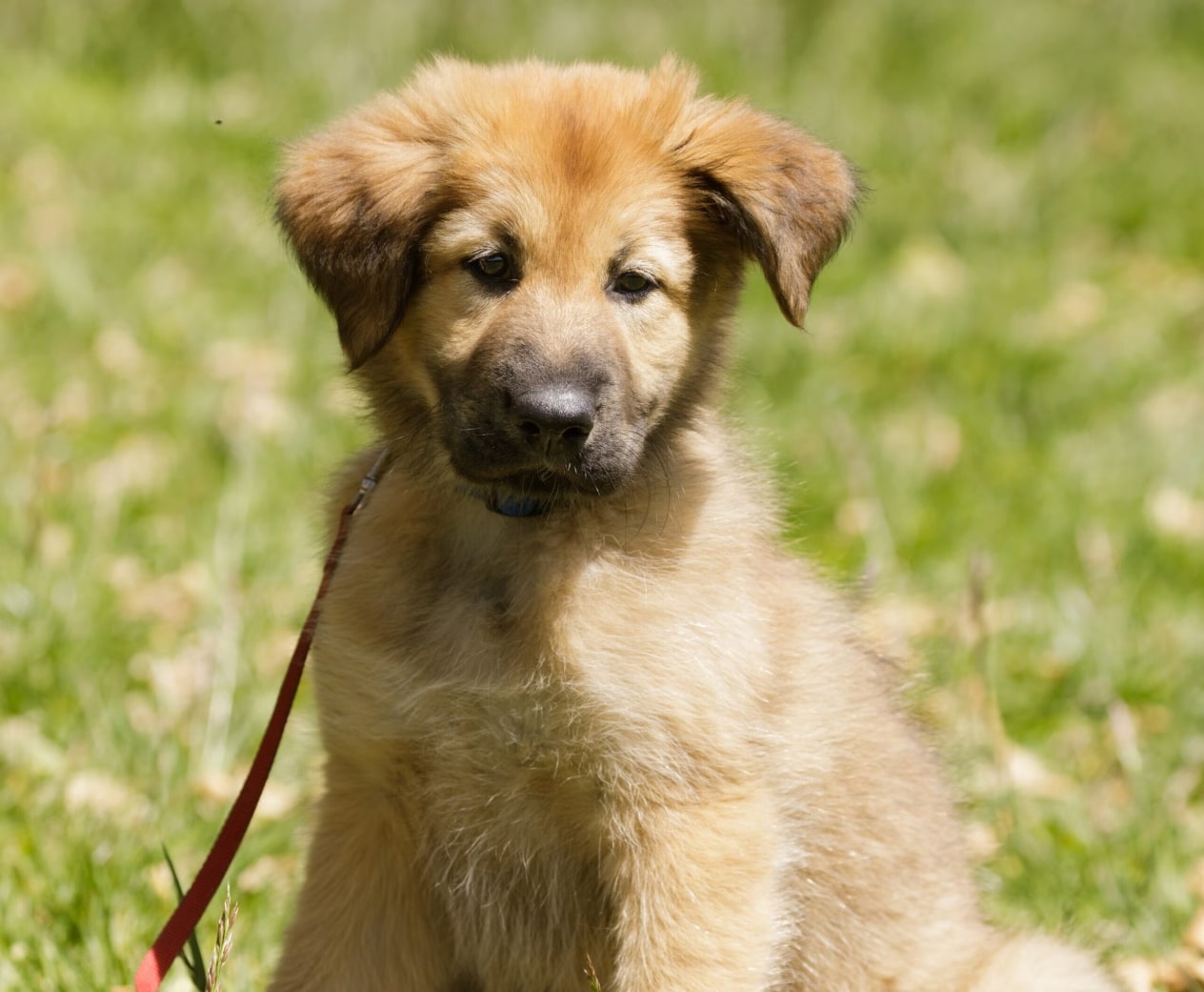
Chinuk
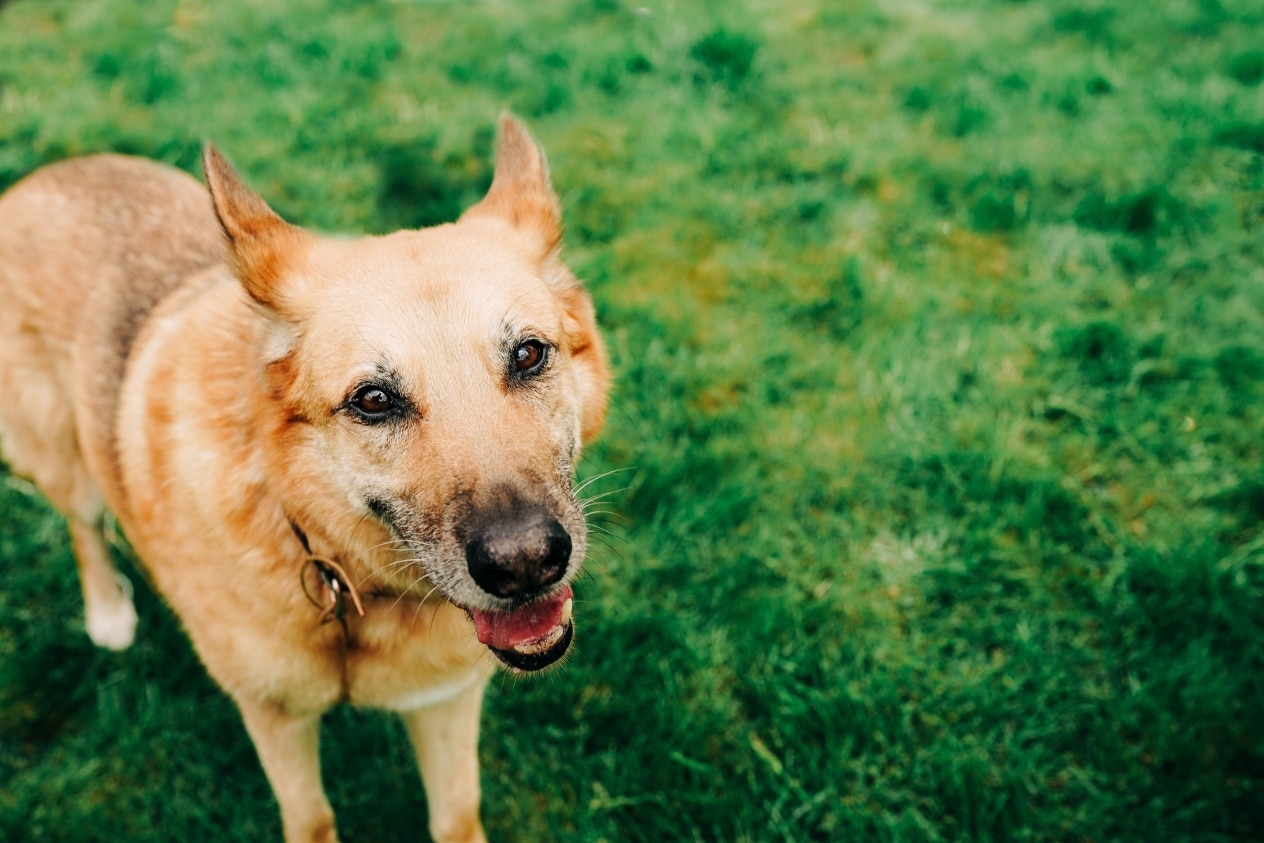
In the early 20th century, explorer Arthur Treadwell Walden created a unique breed of sled dog—the Chinook—in New Hampshire. It was a sturdy, hardy, and incredibly brave dog with a golden coat that accompanied Admiral Byrd’s expedition to Antarctica.
After the breeder’s death and due to the economic crisis, interest in the breed waned. In 1965, the Guinness Book of World Records listed the Chinook as the rarest dog breed in the world—only 12 purebred individuals remained on the entire planet. It seemed there was no hope left. However, passionate enthusiasts of the breed developed a rigorous restoration program, incorporating related bloodlines, and saved the Chinuq from certain extinction. Today, it is the official state symbol of New Hampshire.
Stories like this clearly demonstrate just how fragile the natural world can be and how much depends on humans. When we look at modern purebred dogs, we rarely stop to think that behind every recognizable appearance lies a dramatic story of rescue, in which a few people once defied the odds by saying “it’s impossible.”
The history of these breeds is much more than just breeding records or archival references. It is living proof of how strong the bond between humans and dogs is—and what true devotion is capable of when the odds are stacked against us. Behind every tailed wonder we’ve come to take for granted today lie someone’s nights of rescue, the convictions of fanatical mavericks, and the belief that what is valuable must never be allowed to disappear.