Cats held a special place in the culture of Ancient Egypt. They were revered as guardians of the home, depicted in frescoes and sculptures, and the goddess Bastet was often portrayed as a woman with a cat’s head. So it’s no surprise that modern breeds with slender bodies, large ears, and expressive eyes are often called Egyptian.
However, there is an important caveat: not every breed with an “ancient Egyptian” appearance actually originates from Egypt. Some developed directly in the Nile Valley, others are related to local wild cats, and some merely resemble animals from ancient depictions. Let’s take a look at the five most famous representatives of this group.
1. Egyptian Mau
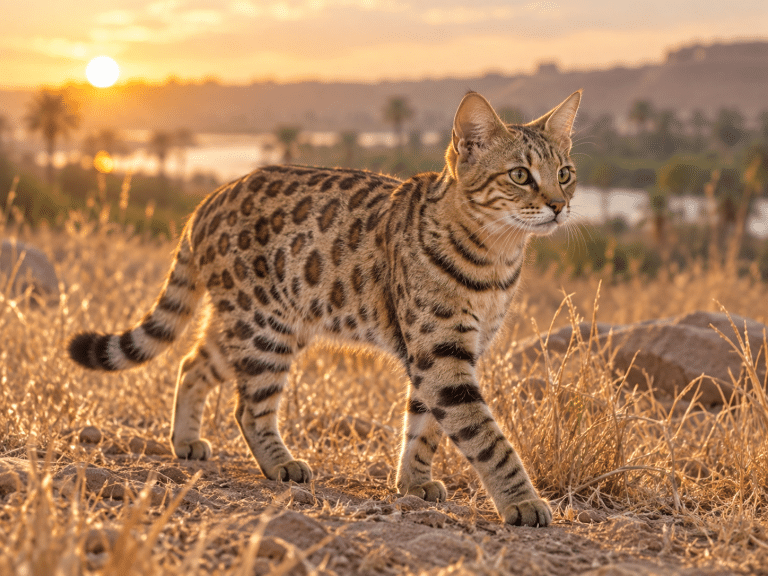
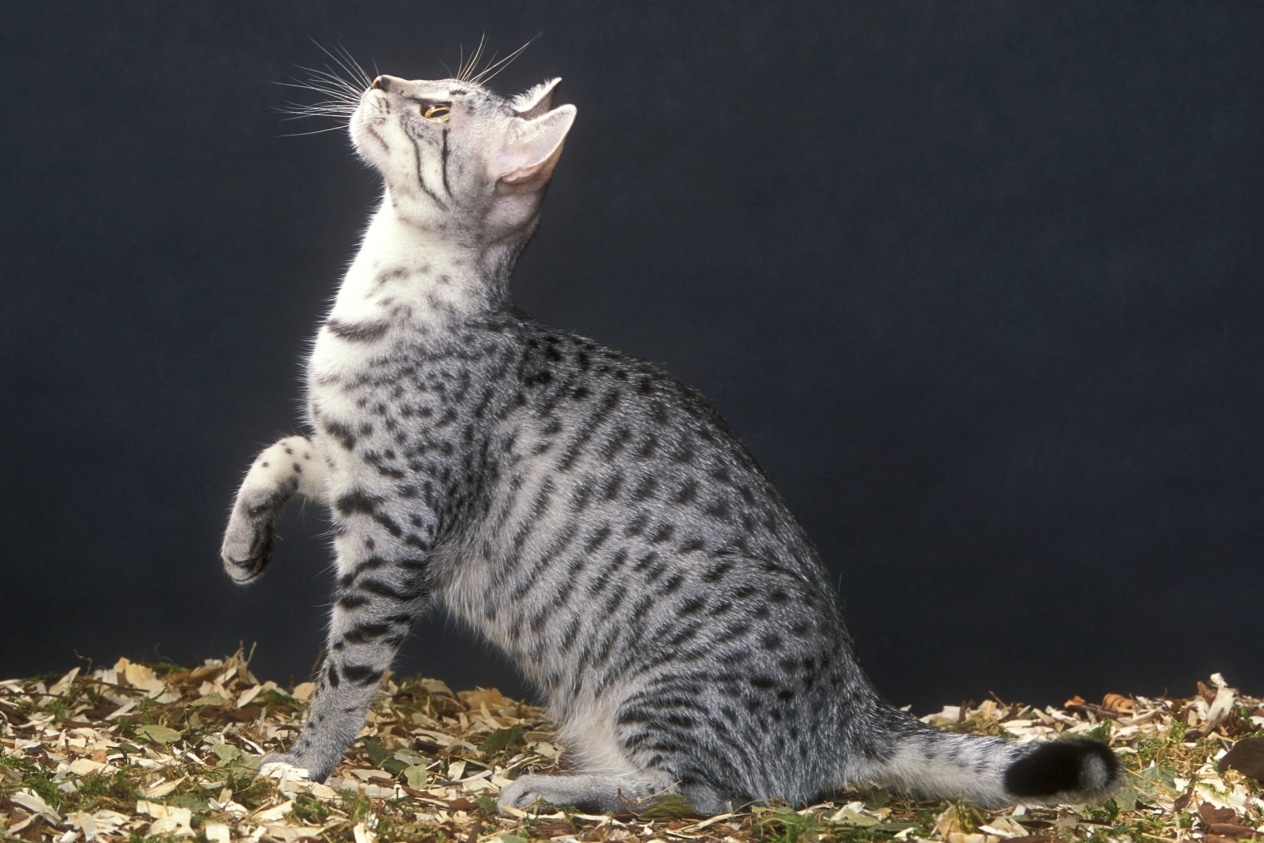
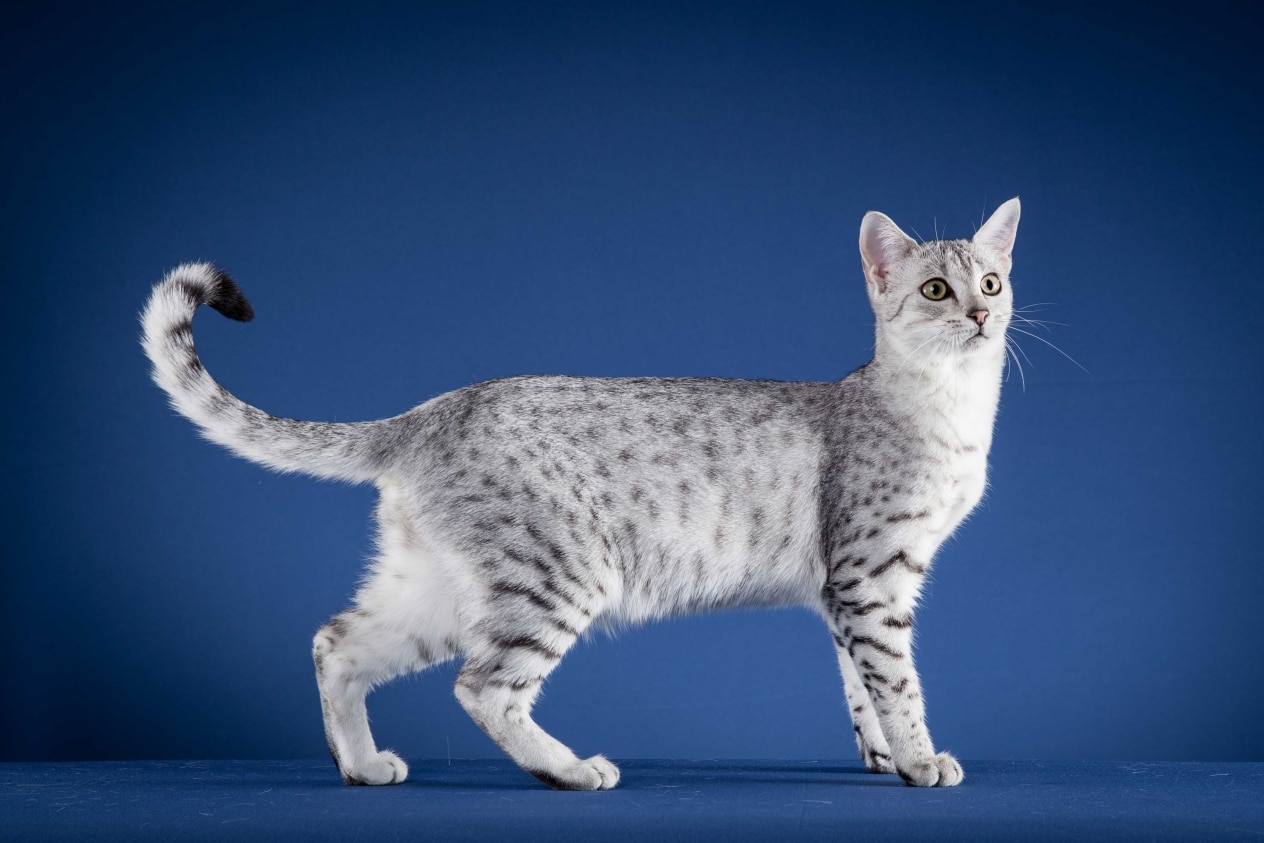
The Egyptian Mau is the most famous breed directly associated with Egypt. Its main distinguishing feature is its natural spotted coat. Unlike breeds in which the spots resulted from selective breeding, the Mau’s distinctive coat pattern developed naturally.
It is a slender, muscular, medium-sized cat with long hind legs, large ears, and green eyes. The spots can vary in shape and size, and among the recognized coat colors, silver, bronze, and smoke are the most common.
Egyptian Maus are intelligent, active, and very devoted to their family. They love interactive games, can fetch toys, and adapt quite easily to walks on a leash. They are cautious around strangers but usually become affectionate and sociable when with their owner.
The Mau’s short coat does not require complicated grooming. It is enough to brush the cat periodically with a soft brush and keep an eye on the cleanliness of its ears and eyes and the condition of its claws.
2. Nile Valley Cat
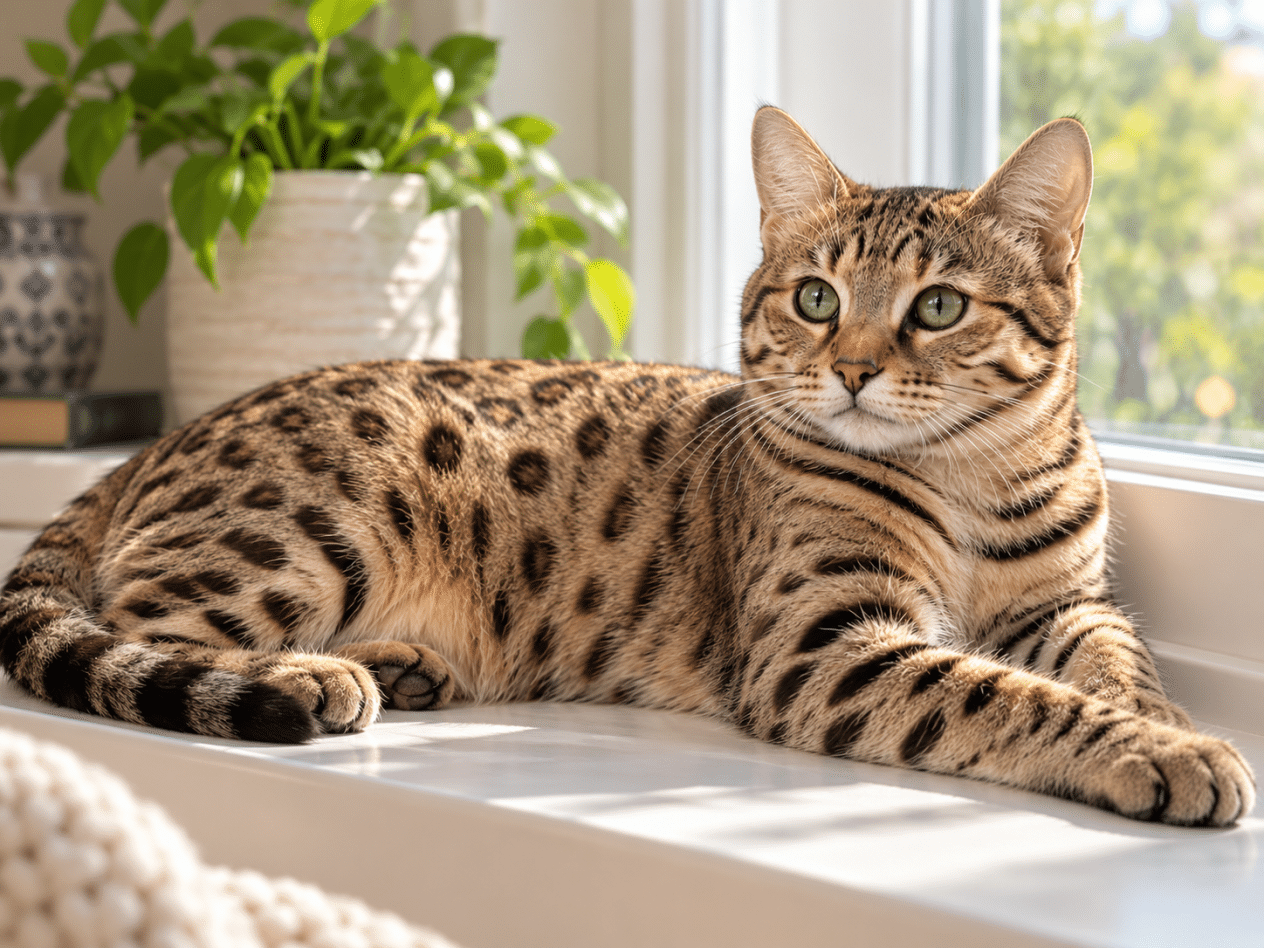
The Nile Valley Cat, or Nile Valley Egyptian, is a natural population of domestic cats that has existed for many generations in what is now Egypt. These cats come in a wide variety of appearances: they can be solid-colored, striped, spotted, short-haired, or have slightly longer fur.
The Nile Valley cat has not yet gained the same international recognition as the Egyptian Mau. It is more accurate to refer to it as a local natural breed, and various volunteer and felinological organizations are working to preserve it. In particular, assistance programs support the rescue and rehoming of local Egyptian cats.
These animals have evolved in challenging natural conditions, so they are typically agile, alert, and well-adapted to their environment. A particular cat’s temperament depends largely on its early socialization. An animal that has been around people since childhood can become a gentle and devoted pet.
3. Shirazi
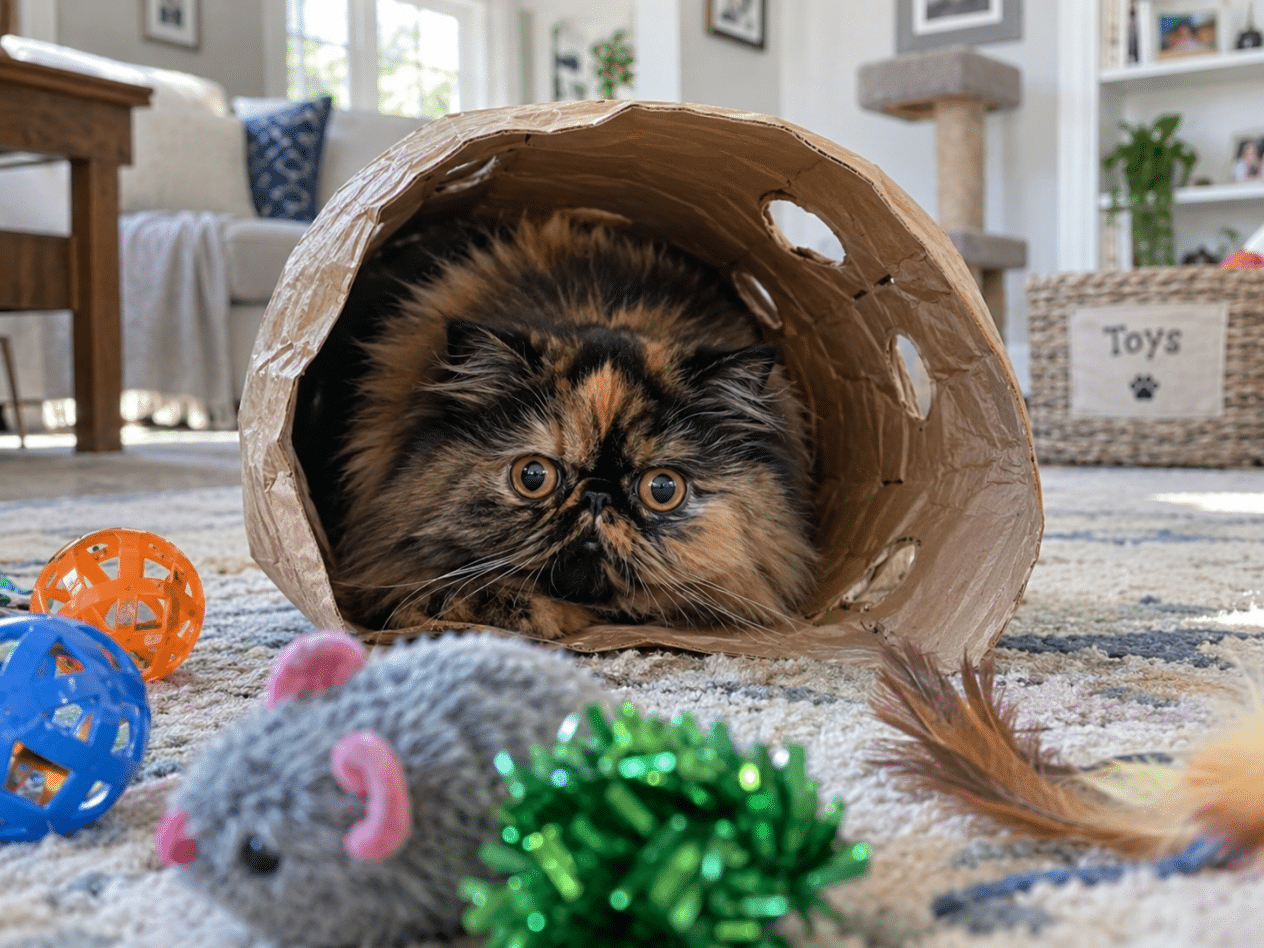
Shirazi is a name commonly used in Egypt for long-haired Persian-type cats. It is not a separate breed recognized by major international felinological organizations, but rather a local type of cat that developed as a result of crossbreeding between Persians and other domestic cats.
The appearance of Shirazi cats can vary significantly. Most often, they have long or semi-long fur, a fluffy tail, a rounded muzzle, and large eyes. The nose can be either short or of normal length. Egyptian animal rescue organizations also use the name “Shirazi” for local Persian-type cats, which clearly illustrates its colloquial significance.
Most Shirazis are valued for their calm and gentle temperament. They may be less active than the Mau or the Chausie, but they enjoy playing and love human attention.
Their thick coat requires regular brushing. If left unattended, it quickly mats, especially under the paws, on the belly, neck, and behind the ears. Cats with flat faces also need to be examined regularly and have the area around their eyes gently cleaned.
4. Chausi
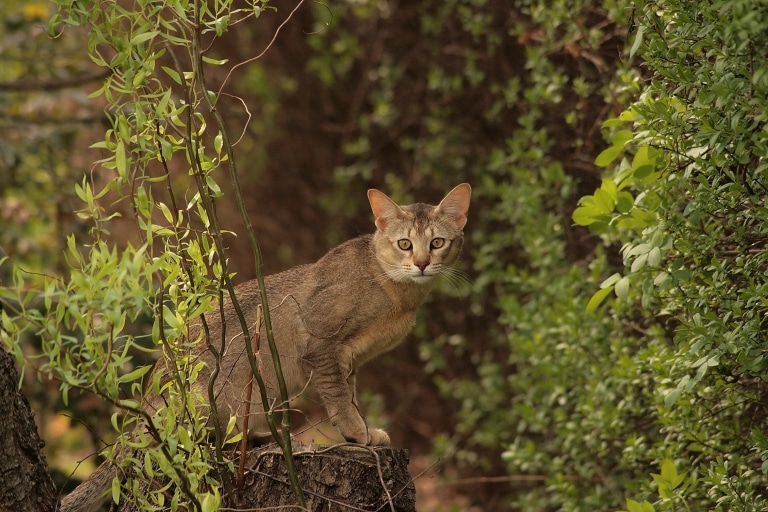
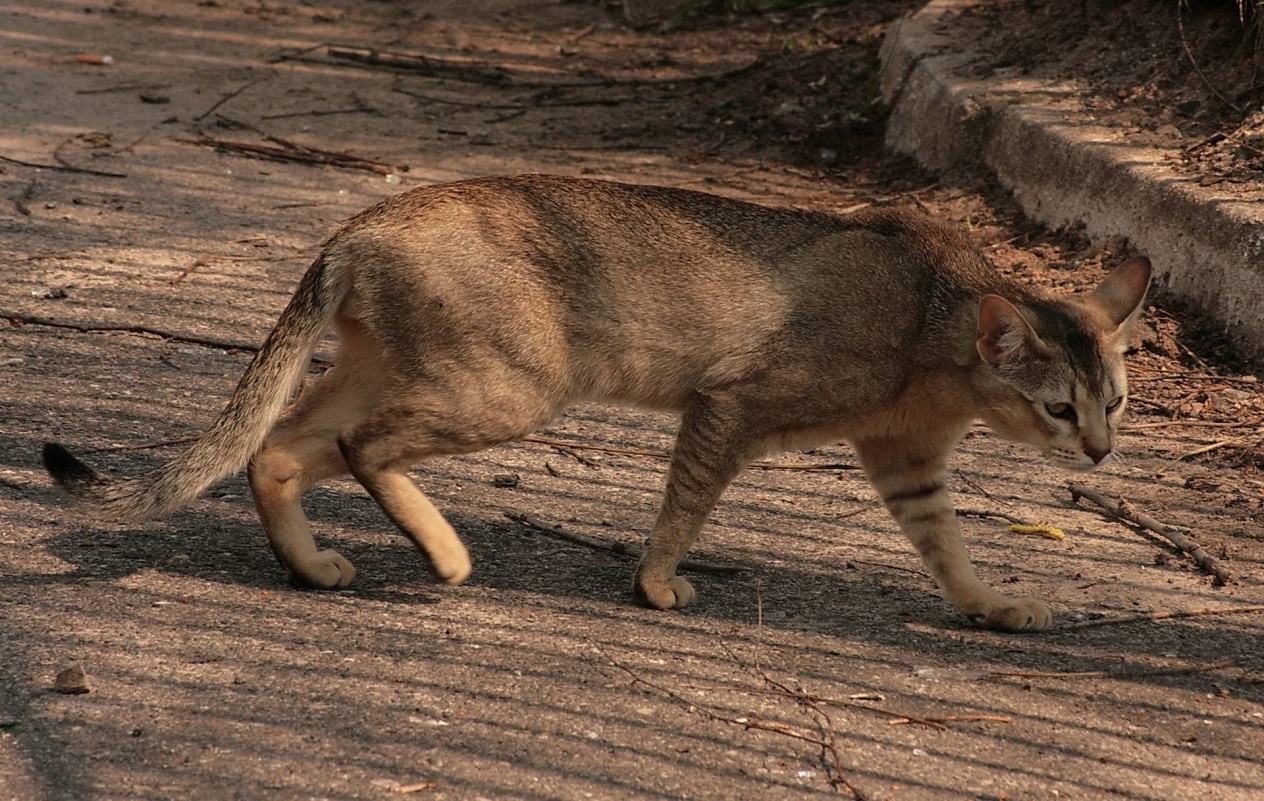
The Chausi is a large, athletic breed created by crossing domestic cats with the Chausi wildcat (Felis chaus). This wild species inhabits a vast territory, particularly the Nile Valley. Mummified Chaus have been found in Egyptian tombs, so the breed has a genuine historical connection to ancient Egypt, although modern breeding efforts began much later.
The Chausi has long legs, an elongated, muscular body, large ears, and prominent cheekbones. The breed is officially recognized by The International Cat Association.
Prospective owners should keep in mind that the Chausie is not a decorative lap cat. It needs tall climbing structures, space to run, challenging toys, and daily active play. Out of boredom or a lack of attention, this pet may find its own entertainment—for example, opening cabinets or exploring shelves.
The Chausie’s short coat is easy to care for, but training and creating a safe environment require much more attention.
5. Abyssinian Cat
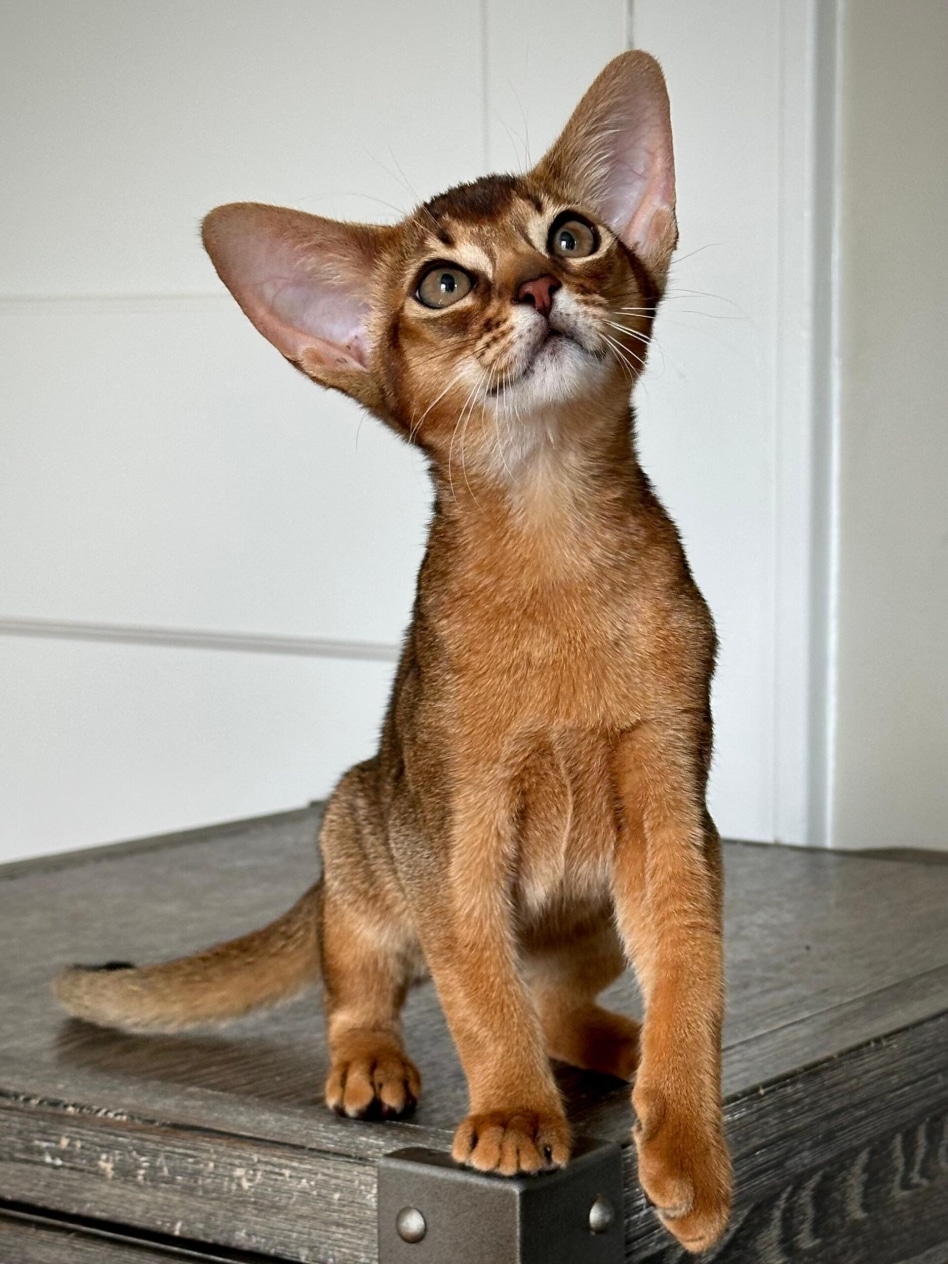
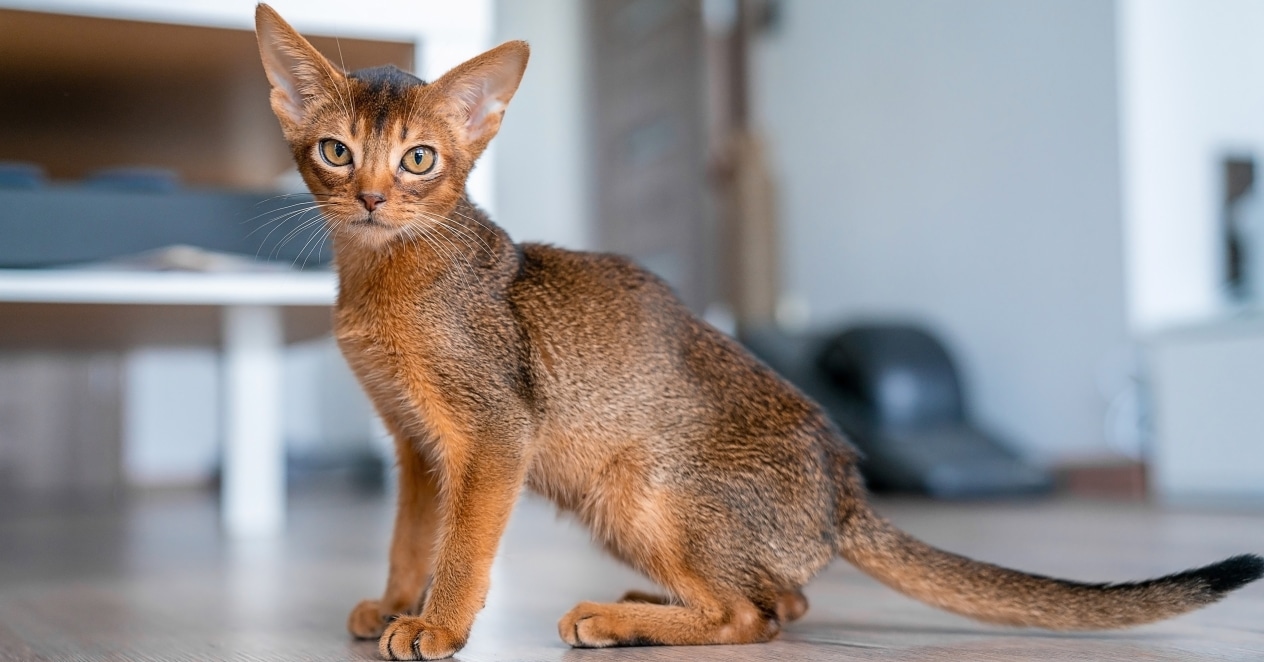
The Abyssinian cat is often included in the list of Egyptian breeds because of its resemblance to cats depicted in ancient frescoes and statuettes. It has a slender body, long legs, large ears, and an alert, almond-shaped gaze.
Despite its distinctive appearance, it is not entirely accurate to call the Abyssinian cat directly “Egyptian.” The history of its origins still has many gaps, and the modern breed standard was developed in Great Britain. Therefore, its connection to Egypt is primarily cultural and visual. Ticking gives the Abyssinian cat its distinctive appearance: each hair has several light and dark stripes. Thanks to this, the coat appears warm, deep, and seems to shimmer when the cat moves.
Abyssinians are energetic, sociable, and very curious. They love to be close to people, watch what they’re doing, and take part in everything that happens at home. These cats need games, climbing structures, and plenty of attention. Caring for their short coat is easy—a light brushing once a week is usually sufficient.
Which Egyptian breed should you choose?
If you’re looking for a cat with a proven connection to Egypt and a distinctive spotted coat, consider the Egyptian Mau. The Nile Cat is a good fit for people who are ready to provide a home for a cat from the natural Egyptian population. The Shirazi will appeal to those who prefer fluffy and calm pets, but it will require regular grooming. The Chausie will make a great companion for an experienced and active person who can provide the cat with plenty of space and activities. The Abyssinian cat is a good fit for anyone who dreams of an energetic, sociable pet with a refined “Egyptian” appearance.
Each of these breeds and types has its own history, temperament, and needs. Therefore, when choosing a cat, it’s important to consider not only its exotic appearance but also how well the cat’s personality and activity level match the future owner’s lifestyle.